

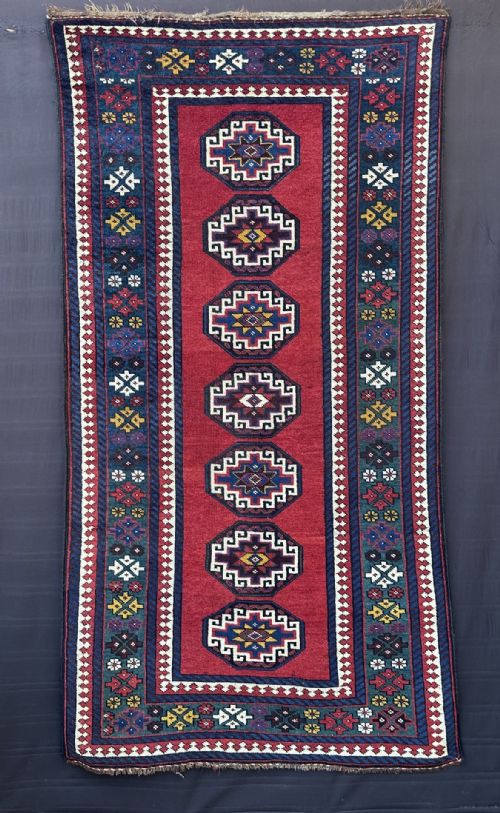
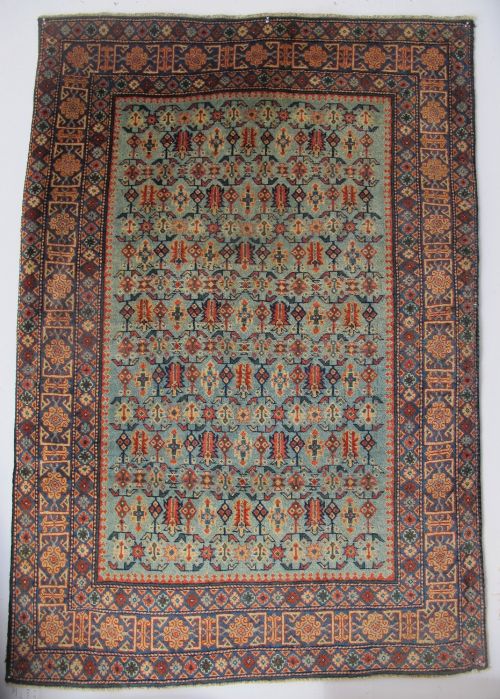
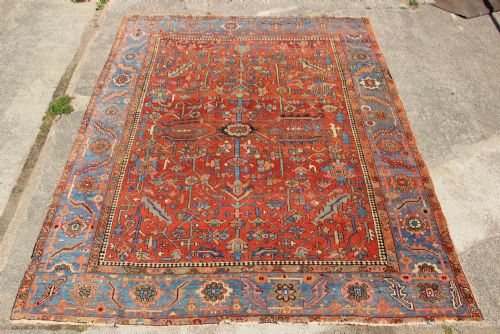
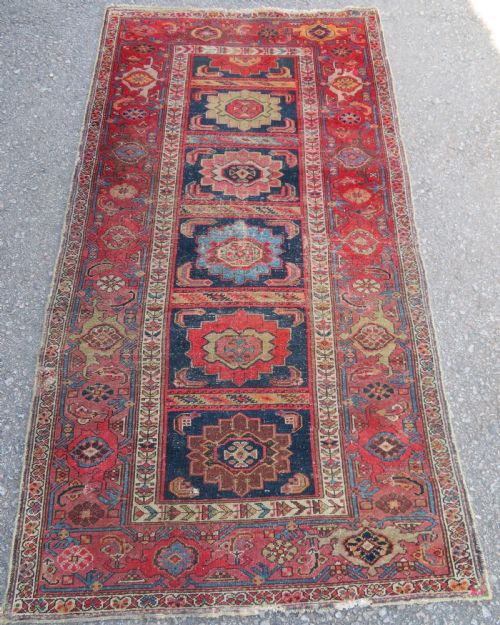
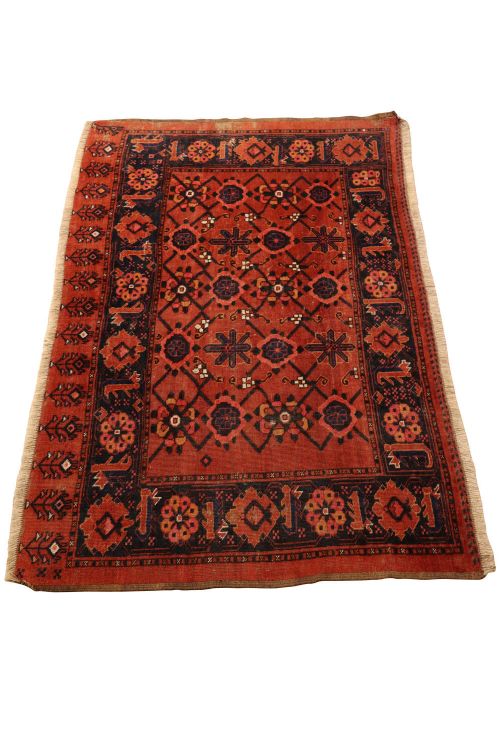


Antique North Persian Carpet
An antique north persian carpet brings tactile history into a room, offering geometric motifs and rich village designs woven by regional tribal makers.
Antique North Persian Carpet
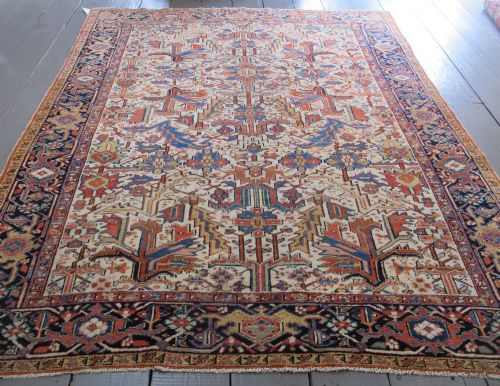
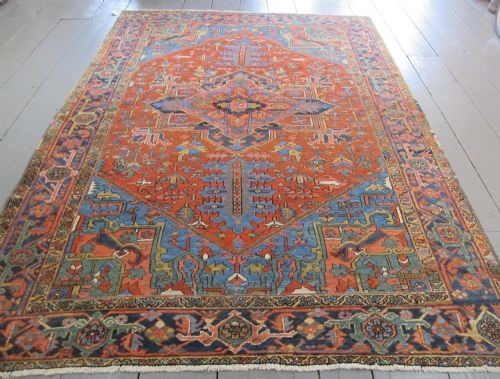
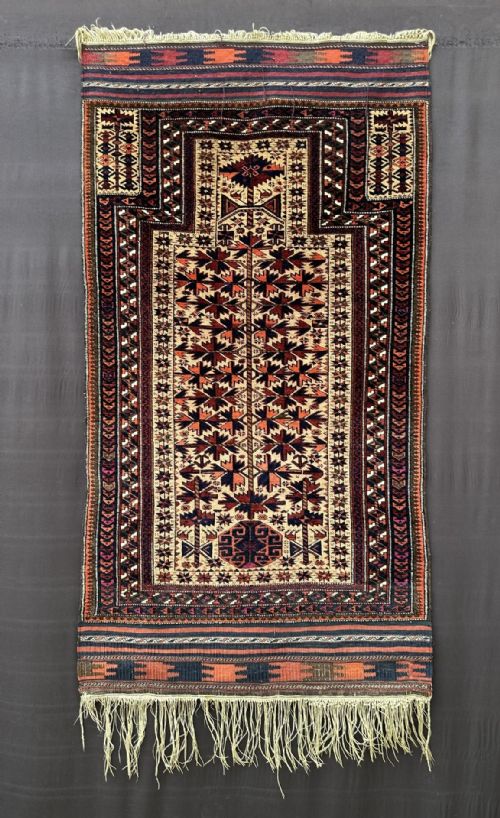
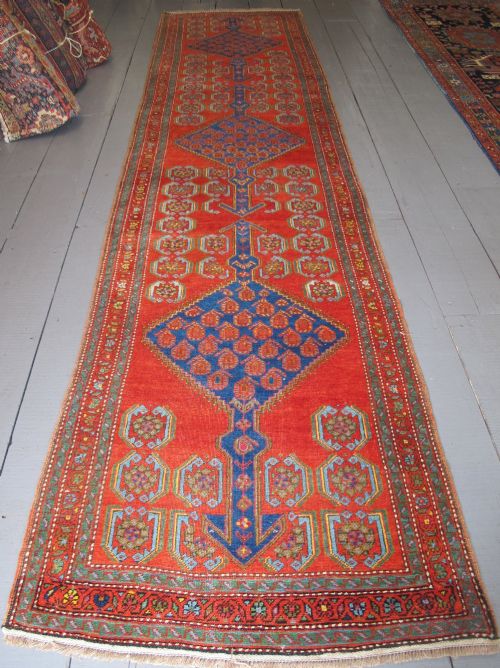
When searching for an antique north persian carpet, buyers encounter a diverse selection of room-sized floor coverings, long narrow runners, and smaller village rugs originating from the nineteenth and early twentieth centuries. These textiles reflect the distinct weaving traditions of various tribes and districts across the northern regions of Persia.
The most common pieces met on this page include Heriz, Bakshaish, Karaja, and Kurdish tribal works, often characterised by bold geometric medallions and robust border patterns. Floor coverings span various scales, from compact village formats to substantial room sizes suited for extensive living spaces.
Originating largely from village workshops and nomadic camps, these carpets serve both practical flooring needs and decorative focal points. Their enduring appeal lies in the organic interaction of regional designs and hand-knotted structures.
Materials and Construction
The primary structural foundation relies on spun cotton for warps and wefts, providing a stable grid that supports the heavy pile. Wool forms the surface pile, sourced locally from sheep and hand-spun to create resilient strands capable of enduring decades of foot traffic.
Weavers utilised hand-knotted techniques, securing each tuft individually around the warp threads before beating the rows down firmly with heavy combs. This meticulous construction method results in dense, durable textiles with flexible foundations that settle naturally on modern floors.
Some village weavers hid small intentional asymmetry in their geometric borders to ward off the evil eye.
Evaluating the Weaves
Quality in these textiles depends heavily on the fineness of the knotting and the crispness of the drafted design. Higher-grade pieces display greater structural density, allowing intricate geometric motifs to retain sharp definition across the field.
The integrity of the wool foundation and the consistency of the pile height dictate long-term durability. Superior examples maintain balanced proportions and harmonious dye saturation, whereas lesser grades show uneven wear or coarse knot distribution.
Benlian·Waring and Gillow
The Antique North Persian Carpet Glossary
- Kelleh
- A long, rectangular room carpet format traditionally used in Persian domestic spaces. These formats typically measure narrower than standard room sizes while exceeding typical runner proportions.
- Warp
- The stationary vertical threads stretched across the loom that form the structural skeleton of the carpet. Fringe ends originate directly from these tensioned foundation cords.
- Weft
- The horizontal threads passed across the warp strands between rows of knots to bind the structure together. They provide transverse stability to the woven fabric.
- Pile
- The upright woolen surface formed by the cut ends of hand-tied knots. Its density and depth determine the tactile feel and visual richness of the textile.
- Medallion
- A large central decorative motif set into the middle of the carpet field. Village weavers often constructed these in geometric or stylised floral configurations.
Antique North Persian Carpet: Frequently Asked Questions
How do I clean an old carpet safely?
Professional immersion washing remains the safest method for historic textiles, as improper chemical treatments damage fragile wool fibres and alter natural dyes.
Regular gentle vacuuming without a rotating power brush helps remove embedded dust particles without stressing the hand-knotted foundation.
Where were these pieces originally woven?
Production centred in the northern provinces of Persia, encompassing nomadic camps and settled villages across regions such as Heriz, Karaja, and Kurdistan.
Local workshops adapted traditional motifs passed down through generations, creating distinct regional aesthetics rooted in rural life.
Can I place furniture on these rugs?
These heavy-duty furnishings were built for everyday domestic use and tolerate standard furniture placement well when supported by a suitable underlay.
Rotating the layout periodically prevents uneven wear patterns from heavy table legs or foot traffic.
What underlay should I use?
A breathable, high-friction rug pad prevents slipping and protects the cotton foundation from direct friction against hard wooden floors.
Avoid solid rubber backings that trap moisture and restrict air circulation beneath the textile.