





Antique Night Light
An antique night light provides a soft, low-level illumination designed to burn safely through the dark hours.
Antique Night Light
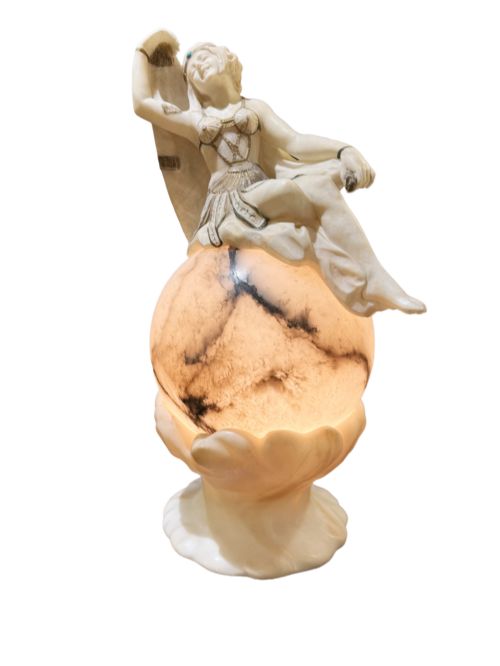
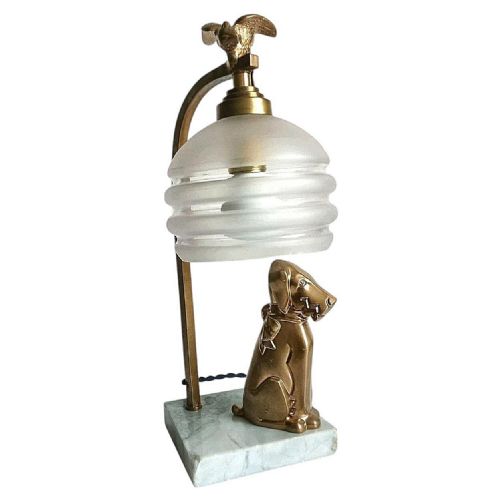
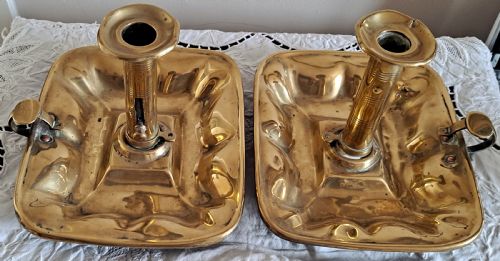
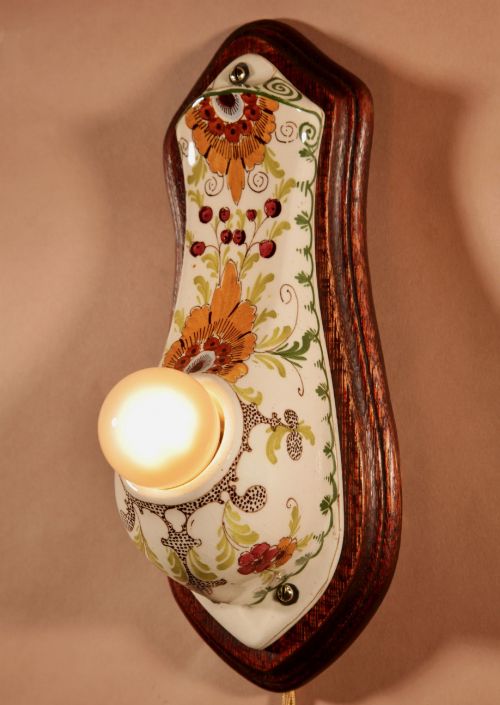
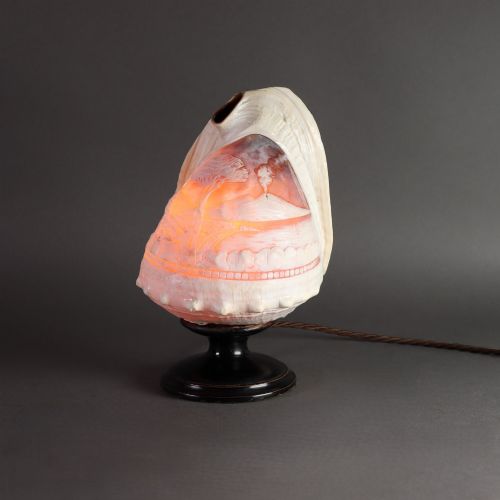
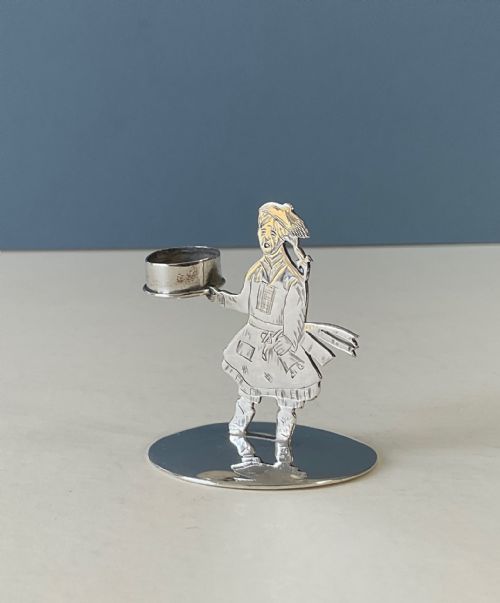
When you search for an antique night light, you encounter a diverse group of domestic objects intended for subdued evening illumination. These pieces range from traditional chambersticks and candle holders designed for bedroom use to electrical table lamps, perfume lamps, and novelty veilleuses from later decades. The versions met most frequently on this page include nineteenth-century brass chambersticks alongside early twentieth-century ceramic and porcelain figural lamps.
The materials span from utilitarian metals and ceramics to decorative stones and carved shells. Brass and silver examples reflect the earlier domestic lighting traditions, whereas porcelain and spelter figures belong firmly to the Art Deco era of novelty lighting. This selection bridges the practical candle-holders of the Georgian and Victorian periods with the electrified nursery and bedside lamps of the nineteen-twenties and thirties.
Materials and construction methods
Metal chambersticks rely upon traditional casting, hammering, and plating techniques. Brass and bronze pieces are often cast in sections and joined, while Old Sheffield plate and sterling silver examples demonstrate precision silversmithing skills.
Ceramic and porcelain lighting relies on specialised moulding, glazing, and enamel painting. Pieces such as the Dutch Delft and Royal Doulton items show detailed hand-painting beneath protective ceramic glazes.
Mixed-media pieces combine cast spelter or bronze figures with marble bases and glass shades. Art Deco night lights frequently pair mottled opaline glass with metal mounts or granite bases to diffuse the internal glow.
Antique Night Light Retail Price Guide 2026
Typical asking prices for night light among the pieces listed under this phrase on Sellingantiques today, from the lower quarter to the upper quarter. They describe what is for sale here now, not the wider market.
A watchful owl and an accordion-playing pierrot stand ready to guard the bedroom shadows.
Evaluating quality and execution
Quality rests upon the crispness of the casting and the refinement of the decoration. Superior brass and silver chambersticks exhibit clean lines, well-defined drip pans, and intact push-up ejector mechanisms where fitted.
In ceramic and figural lighting, artistic execution dictates value. Finer pieces demonstrate lively modelling in the porcelain or spelter figures, hand-painted details with depth of colour, and original glass shades that match the scale of the base.
Royal Doulton·Ernst Bohne and Sohn·Argilor Paris
The Antique Night Light Glossary
- Chamberstick
- A short candlestick fitted with a wide saucer-like drip pan and a handle, designed for carrying around a bedchamber. These were essential domestic items before the arrival of household electricity.
- Veilleuse
- A French term for a small night light, often consisting of a ceramic figure enclosing a low-burning candle or bulb. They frequently doubled as perfume burners in the nineteenth and early twentieth centuries.
- Old Sheffield Plated
- An early method of fusing a thin layer of sterling silver to a thicker copper base before rolling them into sheets. This technique predates modern electroplating and produces a warm, distinct metallic lustre.
- Spelter
- An alloy of zinc and other metals used as a cheaper alternative to bronze for casting decorative figures. It accepts patination and paint well, appearing frequently in twentieth-century novelty night lights.
- Ozokerit
- A naturally occurring mineral wax used in the manufacture of nineteenth-century night lights and candles. It burned cleanly and steadily for domestic illumination.
Antique Night Light: Frequently Asked Questions
What is an antique night light?
An antique night light is a small lighting device designed to provide gentle illumination through the hours of darkness. These objects include traditional chambersticks for holding candles as well as decorative electric lamps and veilleuses from the early twentieth century.
They served practical purposes in bedchambers, nurseries, and hallways before modern electric lighting became universal. Today, collectors value them for their charming variety of forms and materials.
How were chambersticks used?
Chambersticks were carried by hand to light a person's way through a dark house before being placed on a bedside table. The wide drip pan caught melted wax to protect furniture and carpets from burning.
Many examples feature a small side handle and an integrated extinguisher cone or snuffer. Some even include a sliding thumb-piece underneath to push up the remaining candle stub.
What are figural night lights?
Figural night lights are decorative lamps shaped as animals, humans, or novelty subjects made from porcelain, spelter, or ceramic. Popular subjects include birds, dogs, and theatrical characters designed to cast a whimsical glow.
These pieces often conceal a small bulb or candle inside the body, allowing light to filter through translucent porcelain or coloured glass apertures. They became especially popular during the Art Deco period.
How do I date an antique night light?
Dating depends on a combination of materials, styles, and hallmarks. Eighteenth and nineteenth-century metal pieces often bear assay marks or stylistic traits characteristic of the Georgian and Victorian eras.
Twentieth-century items frequently display distinct Art Deco or Arts and Crafts design motifs. The presence of electrical fittings or adaptations usually indicates a manufacture date from the early nineteen-hundreds onward.