
Antique Neoclassical Chairs
Antique neoclassical chairs combine restrained classical geometry with refined carving, offering enduring elegance for formal interiors.
Antique Neoclassical Chairs
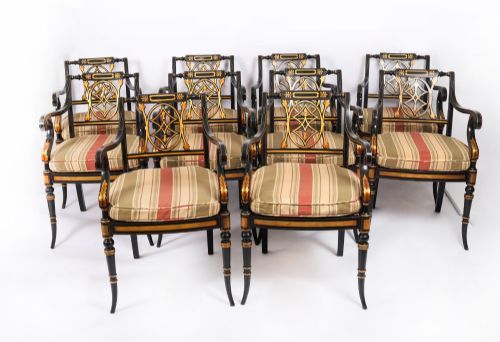
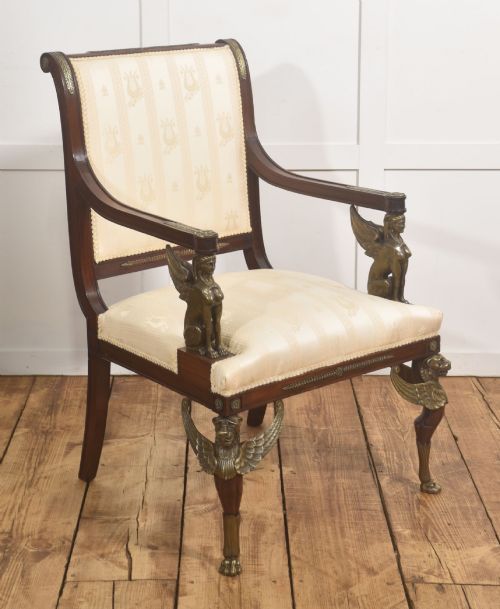
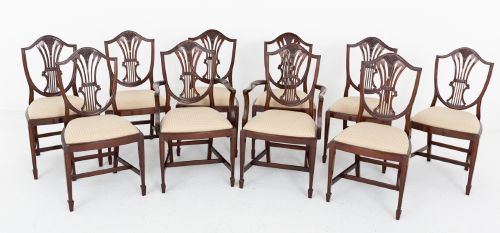
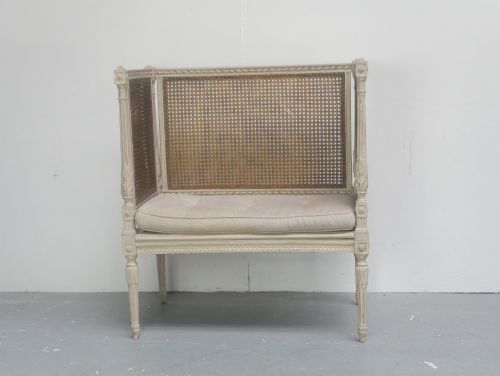
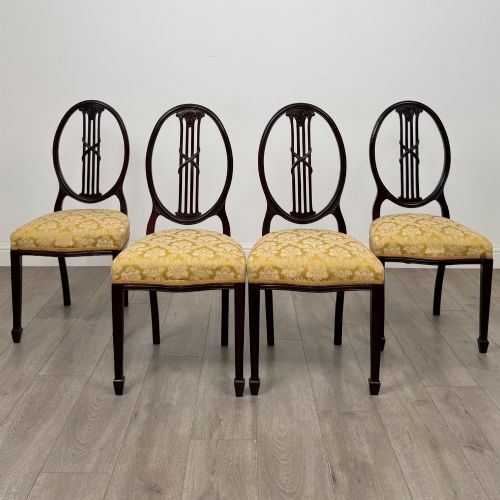
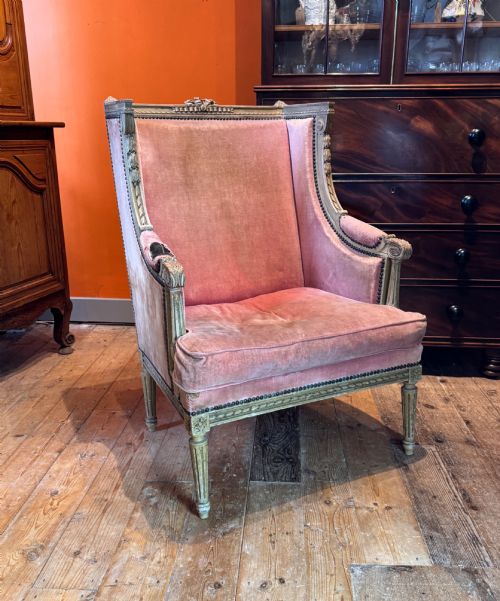
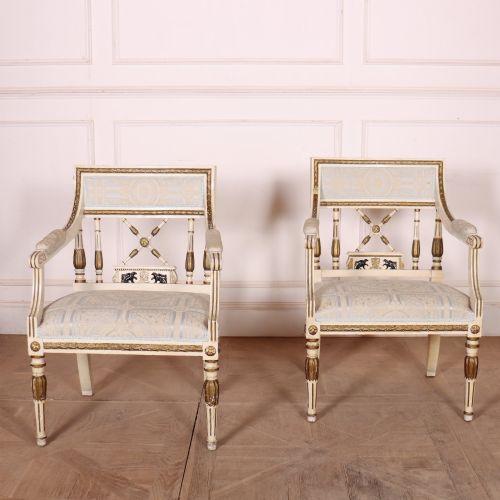
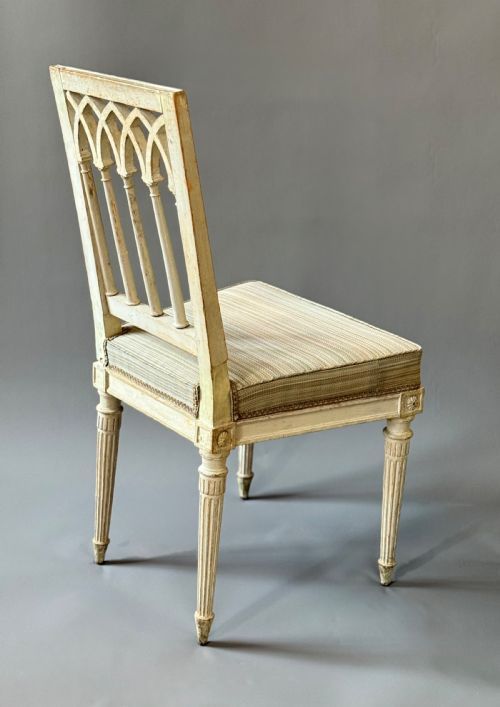
When seeking antique neoclassical chairs, buyers encounter forms spanning the eighteenth through the early twentieth centuries, encompassing styles from Louis XVI and French Empire to Hepplewhite and Sheraton Revival. The selection includes dining chairs, open armchairs, side chairs, and specialised seating such as music chairs and window seats.
The material vocabulary ranges from solid mahogany and satinwood to giltwood, painted wood, and cane seating. Pieces originate from English, French, and Swedish workshops, reflecting both original period production and later revival movements.
How they were made
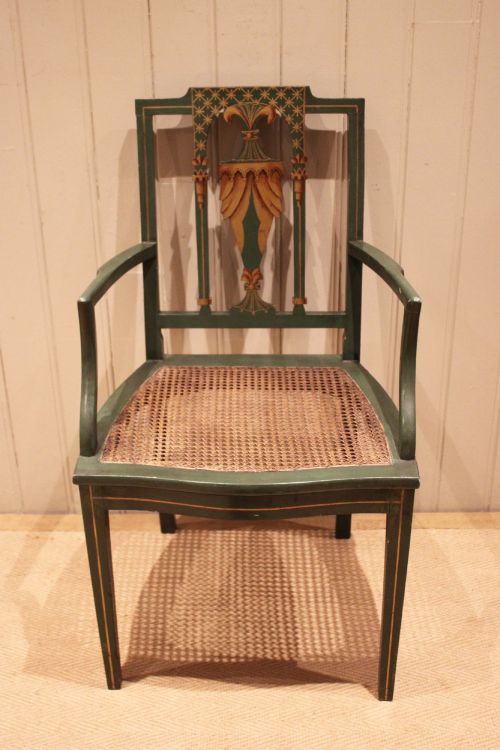
Construction relies heavily on dense hardwoods like mahogany and walnut, shaped through traditional joinery to support slender, tapered legs and geometric backrests. Giltwood and painted finishes require meticulous preparation of the wood substrate before application.
Decorative elements involve detailed hand carving, pierced splats, brass mounts, and cane weaving. Upholstery integrates traditional fabric coverings over sprung or padded seat foundations.
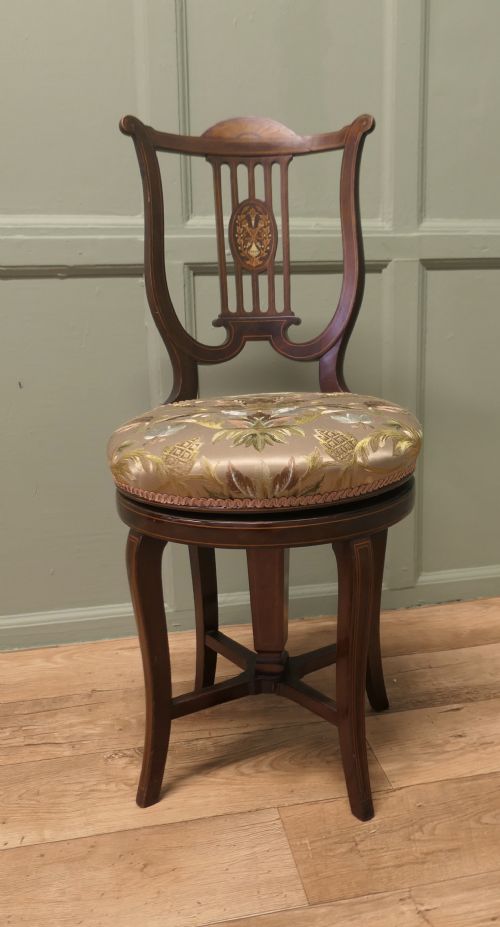
Some nineteenth-century musicians required specialised revolving harpist chairs to maintain correct posture during recitals.
What varies in quality
Quality differentiation rests on the crispness of the hand carving, the integrity of the timber selection, and the preservation of original surfaces such as paint or gilding. Pieces retaining their structural rigidity and original decorative hardware command greater appreciation among collectors.
The refinement of proportion and the precision of classical motifs, from lyre backs to shield backs, distinguish standard cabinetwork from exceptional workshop output.
Jacob-Desmalter·Thomas Chippendale·Mercier Frères·Henri Jacob·Cowtan & Sons
The Antique Neoclassical Chairs Glossary
- Fauteuil
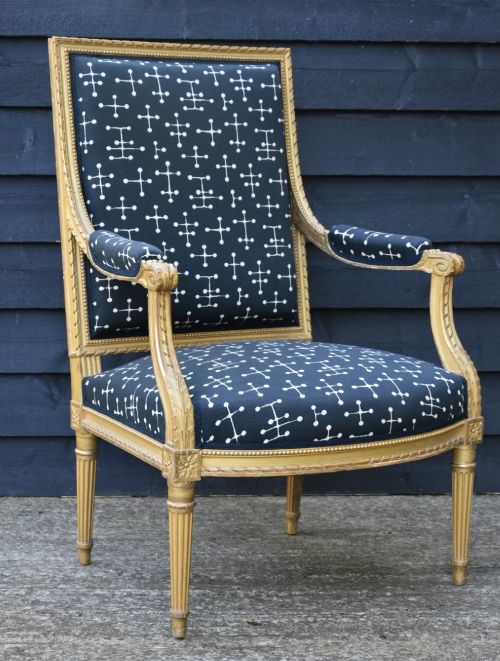
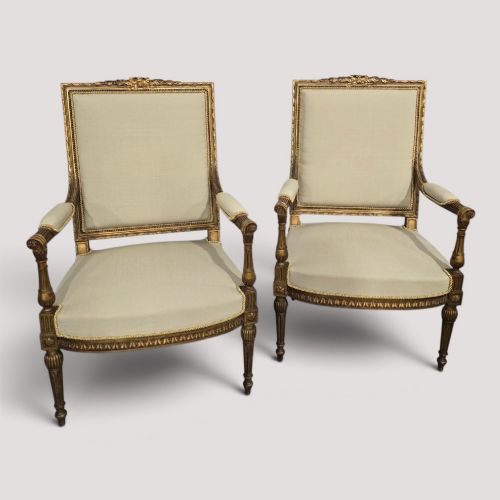
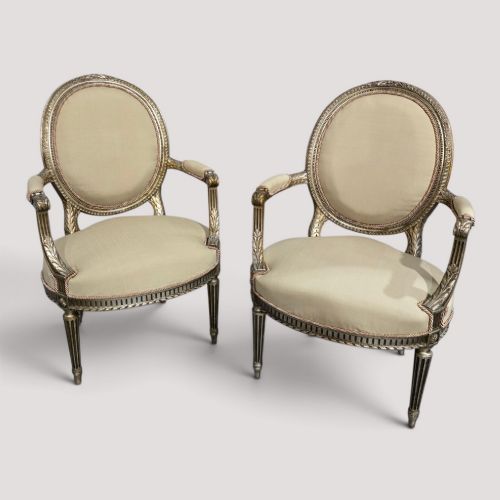
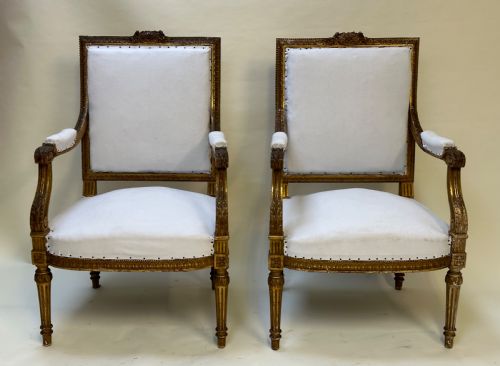
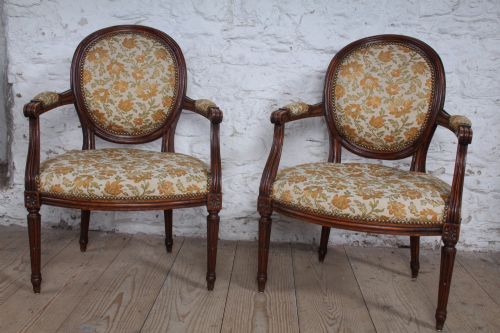
- An open-framed armchair with upholstered armrests, typical of French seating design. These chairs generally feature exposed wooden frames with carved detailing.
- Shield back
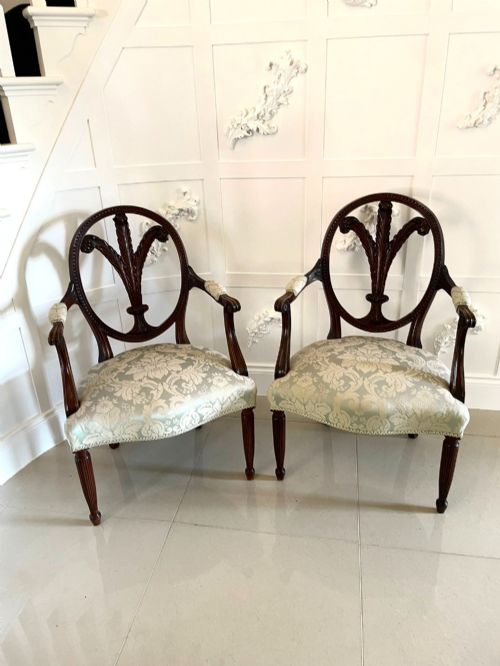
- A chair back shaped in the outline of a heraldic shield, popularized by English designers in the late eighteenth century. This form often incorporates pierced splats or inlaid woodwork.
- Giltwood
- Timber coated with a thin layer of gold leaf over a prepared base. This finish is frequently found on formal eighteenth and nineteenth-century armchairs.
- Medallion chair
- A seat featuring an oval or circular backrest framed in carved wood. The style draws directly on classical motifs associated with the Louis XVI period.
Antique Neoclassical Chairs: Frequently Asked Questions
How do I identify a neoclassical chair?
Neoclassical chairs are recognised by straight tapered legs, symmetrical geometry, and classical motifs such as urns, fluting, and ribbons. They strip away the exuberant curves of the preceding rococo style in favor of architectural restraint.
The woodwork often displays clean lines and balanced proportions, drawing inspiration from archaeological discoveries in Pompeii and Herculaneum during the eighteenth century.
Where should I place these chairs at home?
These pieces function effectively as accent seating in living rooms, formal dining settings, or bedrooms. Open armchairs and side chairs add architectural interest to corners or empty wall spaces without crowding the room.
Pairing a pair of armchairs with a small table creates a balanced focal point, while dining sets integrate naturally around traditional tables.
How do I care for antique painted wood?
Painted surfaces require gentle dusting with a dry, soft cloth and protection from direct sunlight to prevent fading. Avoid chemical cleaners or excessive moisture, which can lift fragile historic paint layers.
Maintaining a stable room temperature helps preserve the underlying wood and prevents the paint from cracking or flaking over time.
What is the difference between original and revival pieces?
Original period pieces date from the eighteenth or early nineteenth century and carry the patina of active use. Revival pieces, produced during the Victorian and Edwardian eras, replicate those earlier classical styles using later nineteenth or twentieth-century manufacturing methods.
Both categories offer distinct historical value, with revivals often providing robust construction suited for regular contemporary use.