
Antique Needlepoint Frame
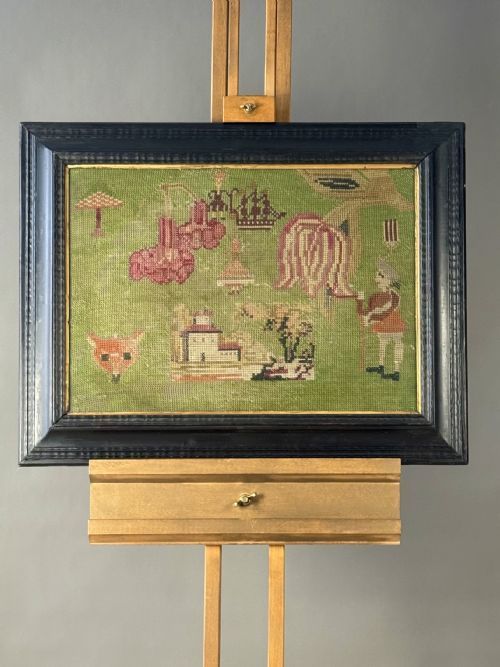
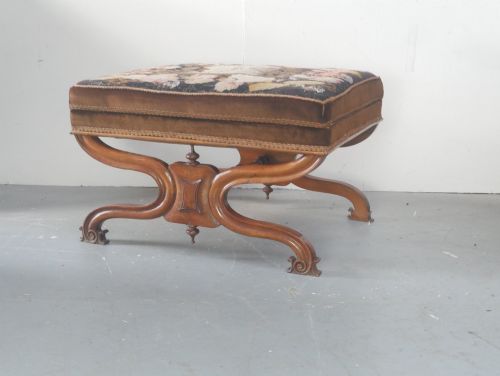
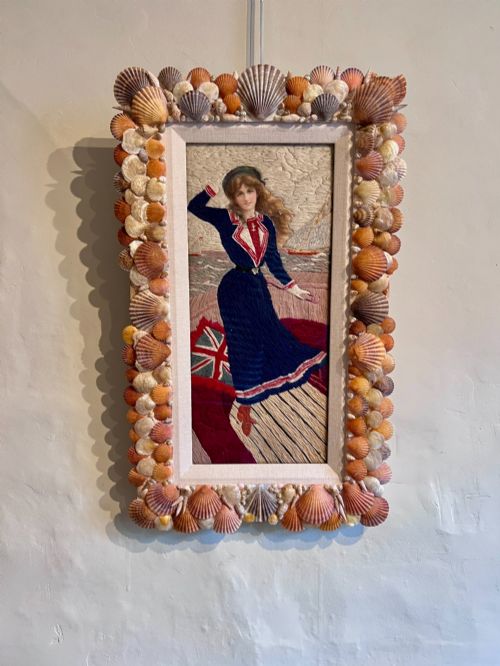
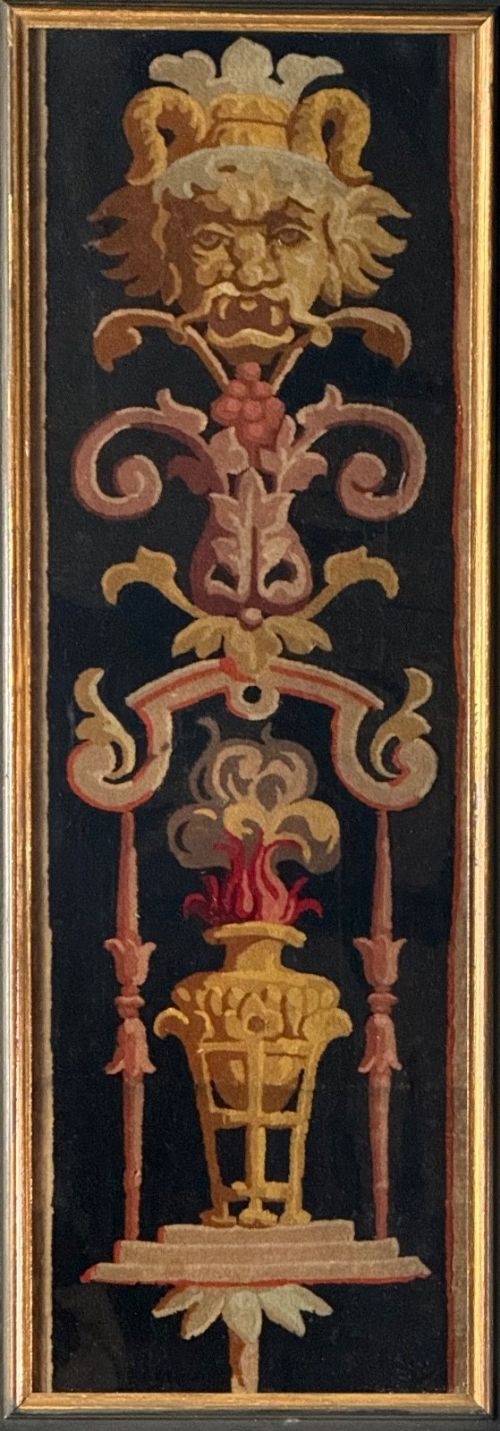
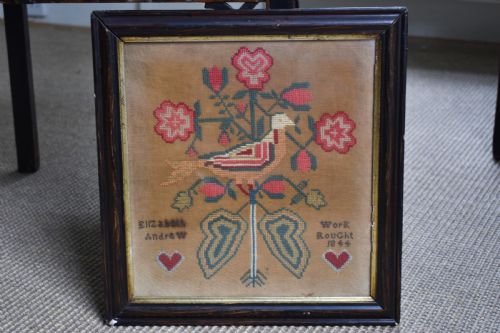
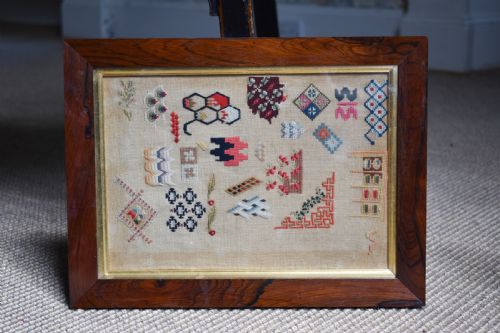
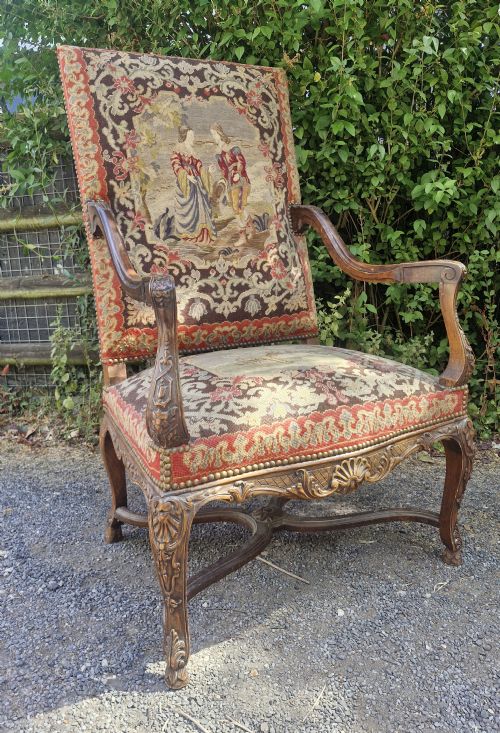
These pieces include antique needlepoint frame examples, taking the form of framed textile art, stretchers, work stands and fire screens designed to display embroidered works.
Antique Needlepoint Frame
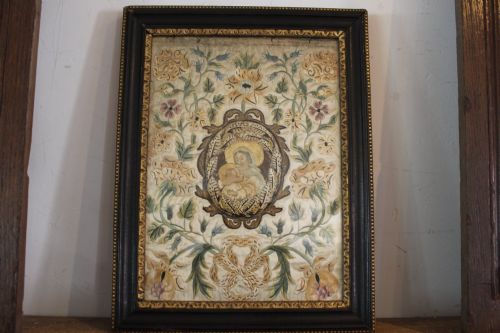
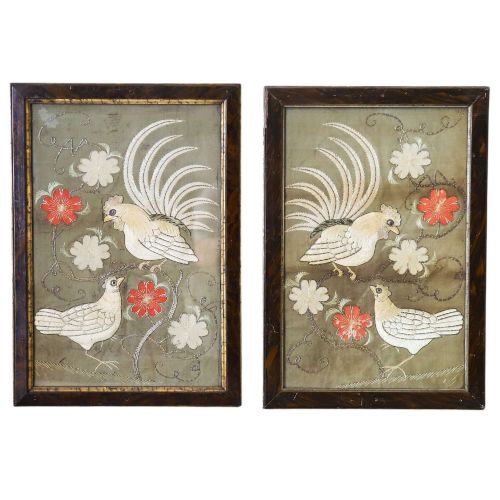
An antique needlepoint frame unites structural woodwork with historical textile art, ranging from dedicated stretchers and work stands used during the creation process to decorative framed samplers, panels and fire screens designed for display. These objects capture centuries of domestic needlework, incorporating wool, silk and metal thread embroidery on canvas and linen grounds.
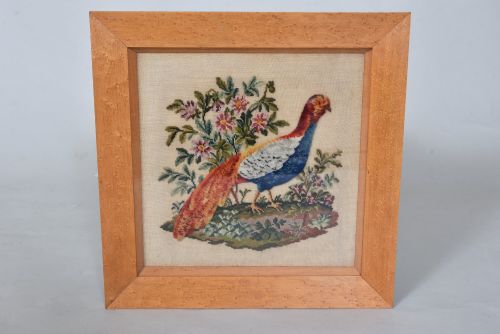
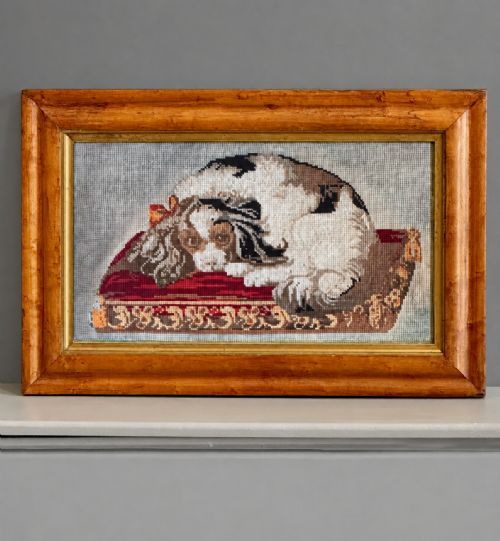
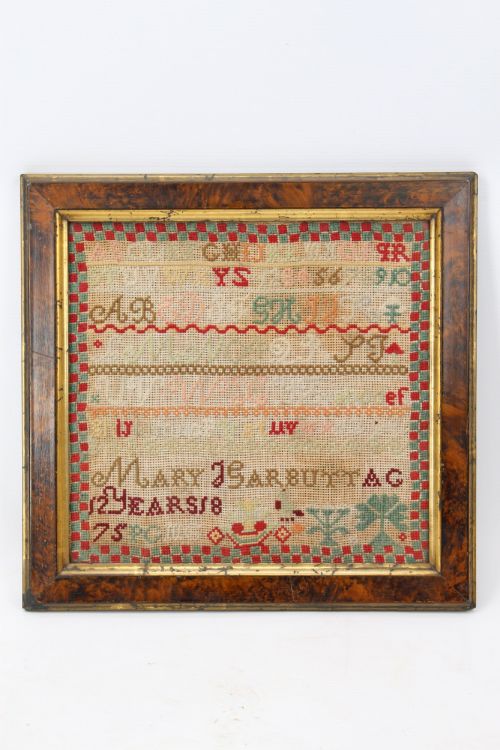
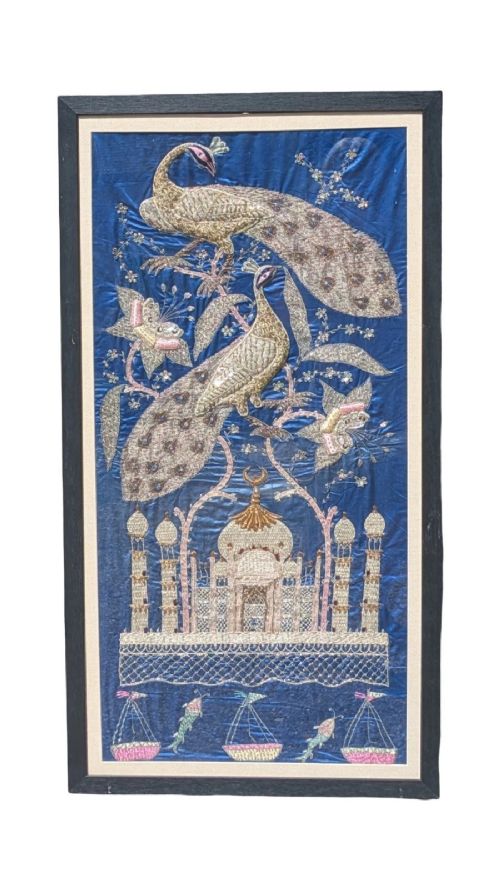
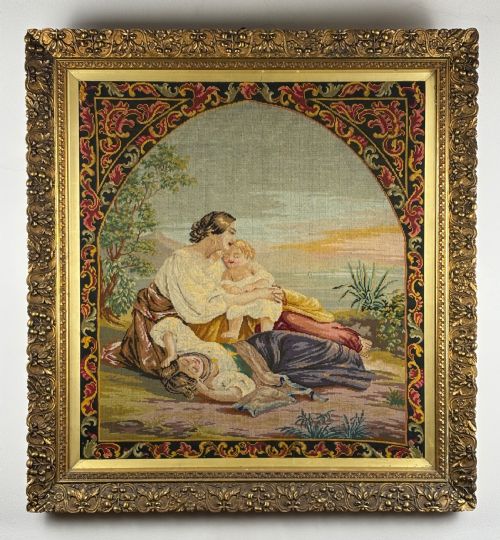
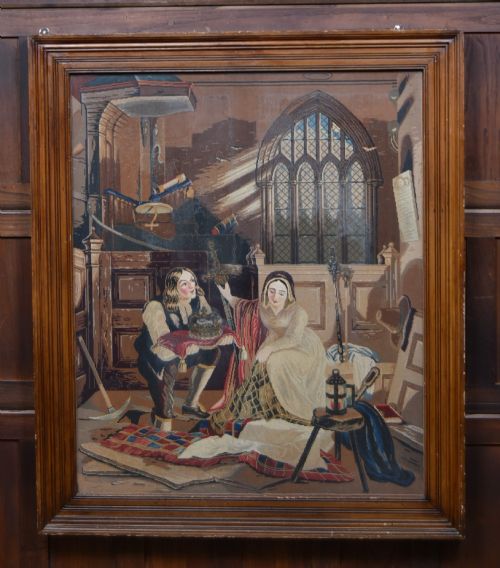
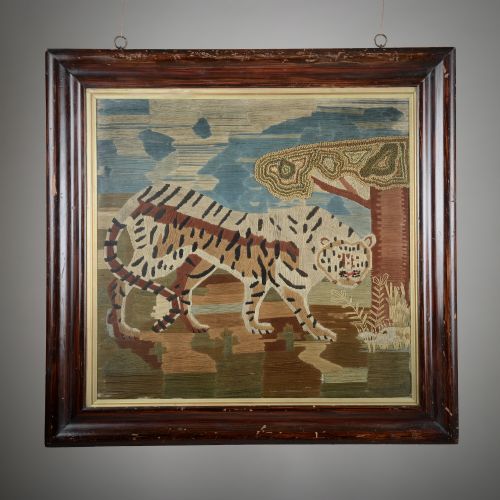
Earlier examples frequently showcase detailed silk embroideries, maps and band samplers, while nineteenth-century pieces lean towards Berlin woolwork pictures, plushwork animals and pastoral scenes. Each piece serves as a physical record of needlecraft history, housed within period surrounds such as burr maple, giltwood or carved timber.
How They Were Made
Makers constructed the physical supports using native and exotic timbers such as walnut, mahogany, beech and giltwood, fashioning dedicated stretchers, standing frames and fire screen surrounds to tension the fabric during stitching. Joinery techniques varied from simple pegged joints in earlier frames to adjustable mechanisms in later Victorian work stands.
The textile components combine canvas, linen, wool, silk floss and metal thread, executed in stitches including gros-point, petit-point and specialised techniques like plushwork. Finished panels were then glazed with glass or mounted into protective wooden frames, sometimes utilising verre églomisé borders to enhance the presentation.
Several Victorian needlework pictures immortalize specific domestic pets, including King Charles spaniels and plump pheasants.
What Varies in Quality
Quality rests upon the preservation of the textile surface, the tightness of the original stitching and the integrity of the supporting frame. Pieces retaining their original glazing, untouched wooden surfaces and vibrant, unfaded wool or silk threads stand apart from heavily restored examples.
The artistic complexity of the needlework itself dictates distinction, separating simple schoolgirl samplers from intricately shaded pictorial panels, detailed maps and finely executed seventeenth-century silk embroideries. The harmony between the textile and its period frame, whether burr maple or carved giltwood, further defines the standing of each piece.
The Antique Needlepoint Frame Glossary
- Berlin Work
- A style of needlepoint popular in the nineteenth century that used charted designs painted on grid paper, allowing makers to stitch elaborate pictures using brightly coloured wools.
- Sampler
- A piece of embroidery produced by a maker to demonstrate proficiency in various stitches, alphabets or pictorial motifs, often recording a name and date.
- Plushwork
- A specialised needlework technique incorporating raised, cut pile loops that create a textured, velvet-like surface on woolwork pictures.
- Verre Églomisé
- A process of applying gold or silver leaf to glass combined with engraving and painting, frequently utilised for decorative borders on nineteenth-century picture frames.
- Gros-Point
- A coarse needlepoint stitch worked on canvas, providing a durable foundation for large tapestries, upholstery and fire screen panels.
Antique Needlepoint Frame: Frequently Asked Questions
What is an antique needlepoint frame?
An antique needlepoint frame encompasses both the wooden stands and stretchers used historically to hold canvas during embroidery and the decorative antique frames housing completed textile panels.
These pieces range from functional Victorian work tables and fire screens to framed seventeenth-century silk embroideries and nineteenth-century samplers.
How do I date an embroidered panel?
Dating relies upon a combination of textile materials, stitching styles, subject matter and the construction of the surrounding frame. Dated samplers or pieces referencing historical events provide clear benchmarks for comparison.
Earlier seventeenth and eighteenth-century works frequently feature silk and metal threads on linen, while nineteenth-century examples often utilise Berlin woolwork on canvas.
Were these frames meant for display?
Some frames functioned purely as working tools, serving as adjustable stretchers or stands to keep embroidery taut while the maker worked. Other pieces were constructed specifically as permanent display housings, incorporating giltwood, burr maple or glass to protect finished wall art and fire screens.
How do I care for antique needlework?
Antique textiles require protection from direct sunlight to prevent fading of wool and silk threads. Maintaining stable indoor humidity levels ensures that both the historical fabrics and the antique wooden frames remain stable over time.