

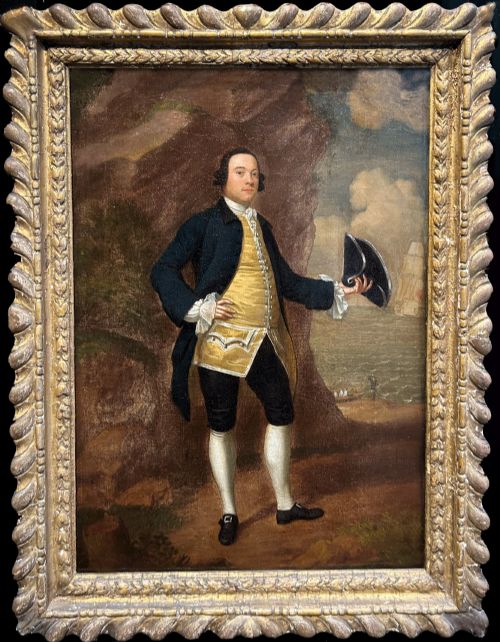


Antique Naval Portrait
An antique naval portrait captures the commanding presence of officers and the storied vessels of maritime history through accomplished periods of painting and illustration.
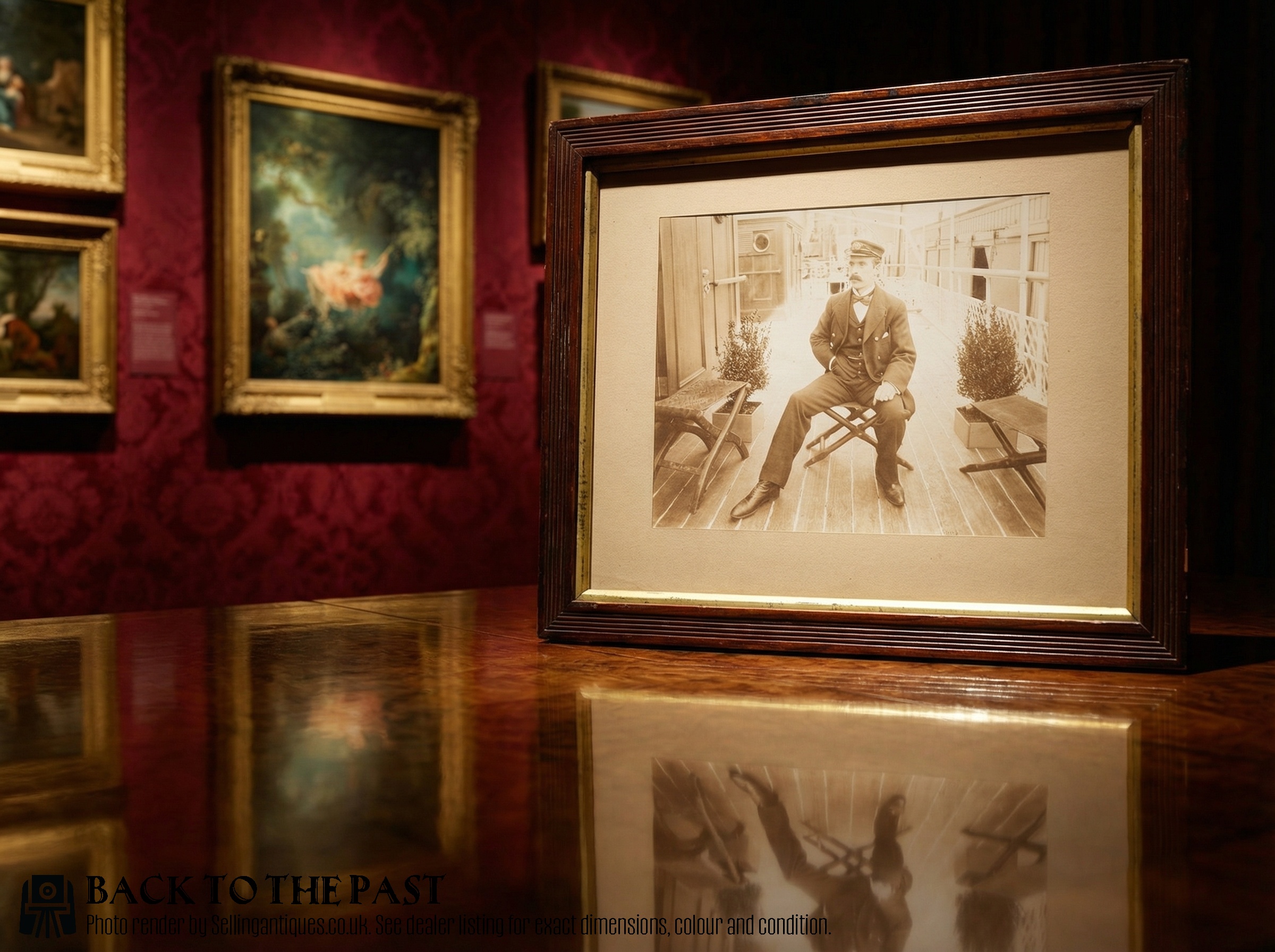
Antique Naval Portrait
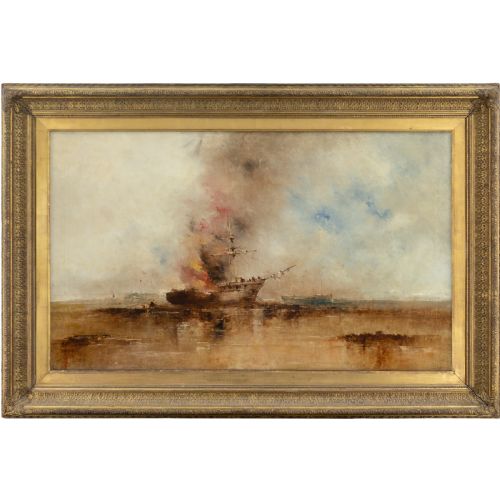
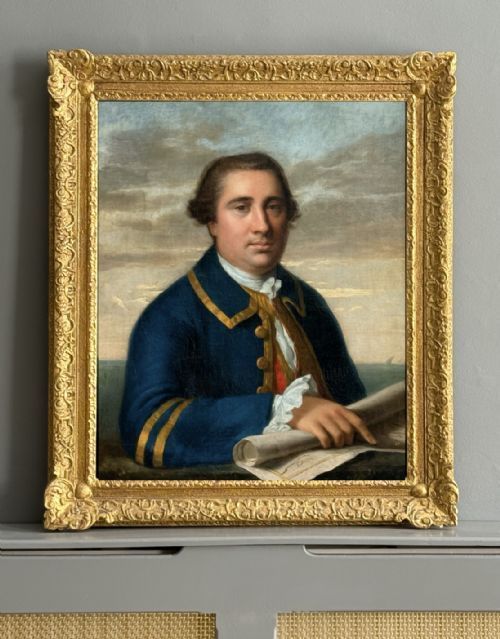
An antique naval portrait depicts individuals connected to the sea, including captains, admirals, privateers, and naval officers, alongside notable maritime vessels. These works span centuries of artistic production, ranging from intimate miniature watercolours to large oil paintings on canvas and panel.
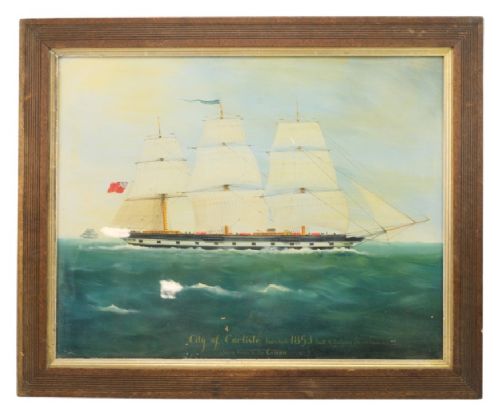
The selections available here frequently include 18th-century depictions of military officers, Victorian marine watercolours, and detailed 19th-century oil paintings of named warships. Buyers encounter both formal commissioned portraits of high-ranking commanders and sentimental tributes created by sailors.
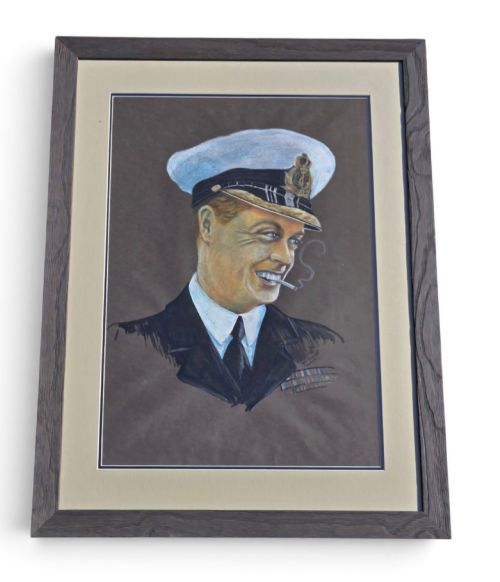
Beyond standard canvas paintings, the category encompasses pastel works, gouache pieces, enamel miniatures, and ceramic portrait figures. Each format preserves the dress, uniforms, and commissions of historical naval service.
How They Were Made
Artists utilised oil on canvas or wood panel for large-scale commissions, applying layered pigments to achieve depth in uniforms, rigging, and coastal backgrounds. Watercolours and gouache on paper were frequently employed for portable portraits and detailed ship studies.
Miniature portraits demanded precise technique, often painted on specialised surfaces such as ivory, paper, or agate panels. These small works were typically housed in custom frames incorporating brass, gold leaf, or giltwood.
Framing played an integral role in presentation, utilising carved wood, glass protection, and original oak surrounds to safeguard delicate paper and canvas mediums from environmental damage.
Antique Naval Portrait Retail Price Guide 2026
Typical asking prices for naval portrait among the pieces listed under this phrase on Sellingantiques today, from the lower quarter to the upper quarter. They describe what is for sale here now, not the wider market.
Sailors occasionally immortalised ironclad battleships in gouache as sentimental tributes to their floating homes and shipmates.
What Varies in Quality
The skill of the hand dictates the division between standard records and masterworks, evident in the anatomical precision of the sitter and the accurate depiction of naval regalia. Master portraitists captured nuanced expressions and realistic lighting on textiles and metallic uniform buttons.
Provenance and documentation elevate certain pieces, particularly when a sitter, vessel, or artist is definitively identified through signatures, exhibition labels, or historical records. Works linked to documented historical figures or recognised marine artists command greater historical interest.
The integrity of the original medium influences overall standing, with unrestored canvases, unblemished watercolours, and period-correct frames retaining stronger visual harmony than heavily altered examples.
LEMUEL FRANCIS ABBOTT·Vincenzo D’Esposito·Henry Bone ARA·Sir Thomas Lawrence PRA·Sir William Charles Ross
The Antique Naval Portrait Glossary
- Oil on canvas
- A painting medium where pigments suspended in drying oils are applied to stretched fabric. This technique allows for rich colour blending and extensive preservation over centuries.
- Portrait miniature
- A small-scale painting designed for intimate viewing or portable display. These works often feature meticulous detail executed with fine brushes on delicate surfaces.
- Giltwood
- Wood carved and coated with a thin layer of gold leaf or gold paint. It appears frequently on period frames designed to complement formal portraits.
- Maritime painting
- Artwork dedicated to ships, coastal scenes, and naval engagements. This genre encompasses both documentary depictions of specific vessels and dramatic interpretations of sea battles.
- Agate panel
- A polished slice of banded chalcedony stone used as a stable base for miniature paintings. The natural patterns of the mineral provide a decorative background for the subject.
Antique Naval Portrait: Frequently Asked Questions
What periods do these portraits cover?
The works span from the seventeenth century through to the mid-twentieth century, capturing shifting artistic styles across the Georgian, Regency, and Victorian eras.
Earlier pieces often feature formal oil on canvas techniques, while later periods introduce detailed watercolours, photographs, and pastels documenting naval personnel.
How were naval officers identified in paintings?
Artists relied on accurate depictions of contemporary uniforms, medals, orders, and specific background vessels to denote rank and service history. In many instances, the sitter's identity is recorded in period inscriptions on the reverse or within accompanying documentation.
Naval attributes such as telescopes, swords, and charts further signify the sitter's maritime profession and status.
Where should these portraits be displayed?
These framed artworks suit studies, libraries, and living spaces with controlled lighting away from direct sunlight. Maintaining stable indoor humidity protects both the canvas or paper and the gilded wooden frames.
Wall placement should ensure secure hanging using appropriate fixings suited to the weight of large oil paintings or framed watercolours.
How do miniatures differ from standard paintings?
Miniatures are executed on a much smaller scale, often requiring magnification to appreciate the fine brushwork and intricate detail applied to ivory, paper, or stone. They were historically created as personal tokens or mementos.
Standard portraits function as statement pieces designed for wall display, utilising larger canvases to convey the full stature and uniform of the subject.