

Antique Nautical Canvas
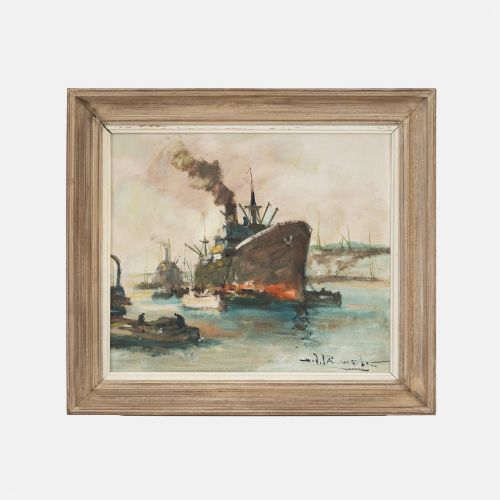
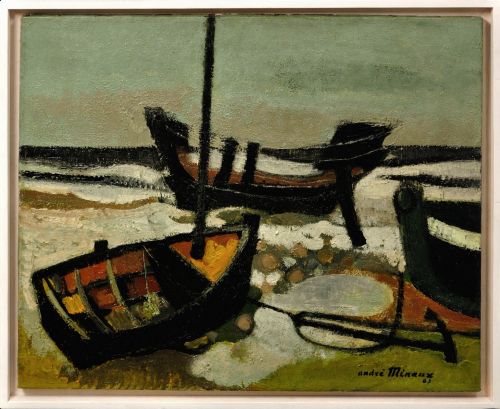
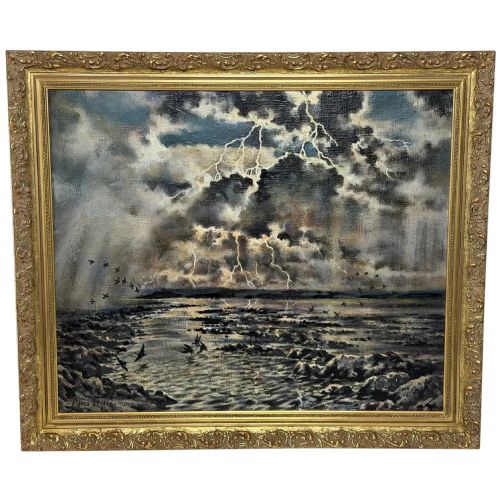
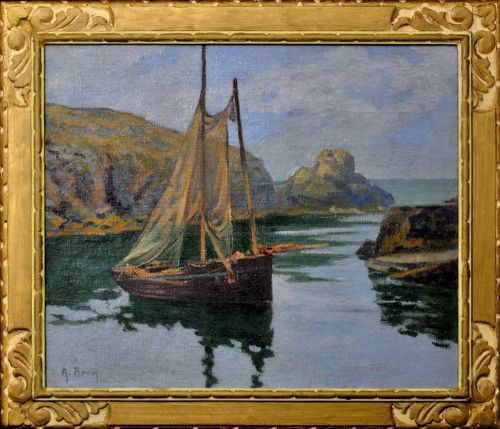
Antique nautical canvas brings historical maritime oil paintings into focus, depicting sailing ships and coastal scenes on woven fabric support.
Antique Nautical Canvas
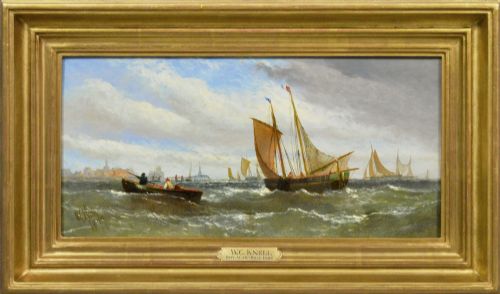
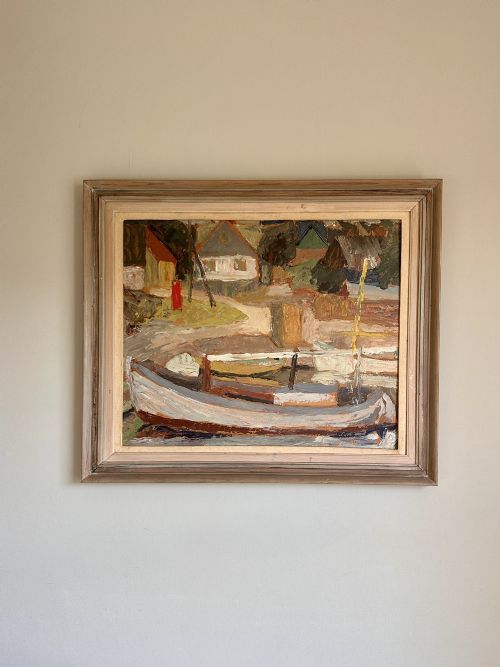
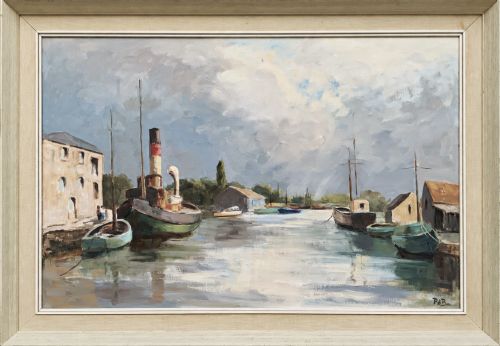
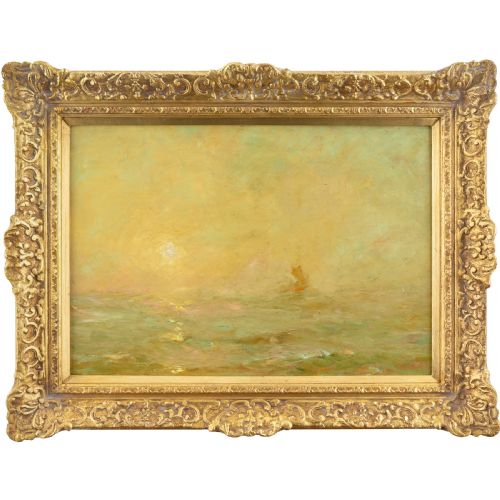
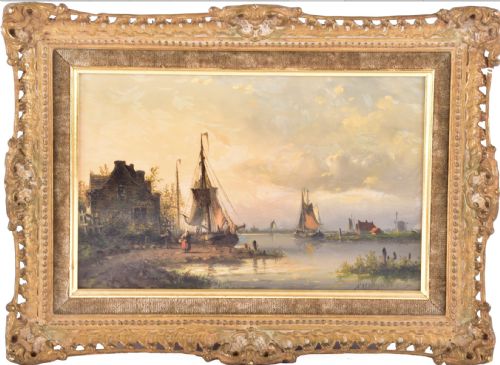
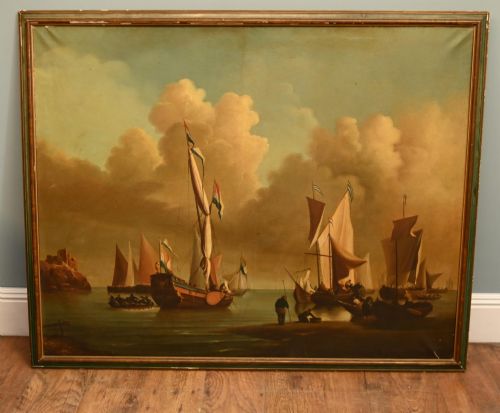
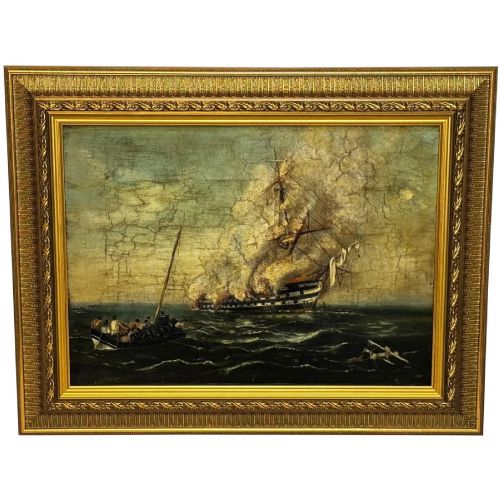
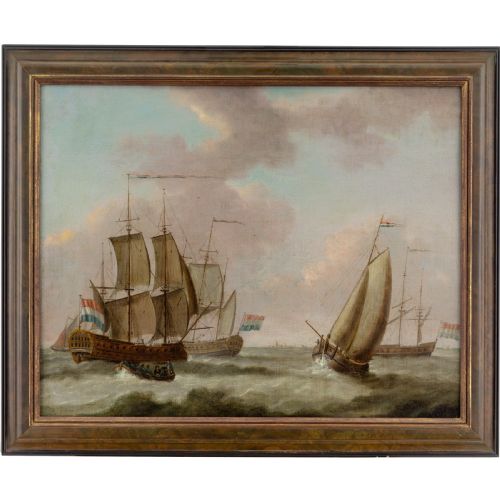
When searching for antique nautical canvas, collectors encounter oil paintings depicting maritime scenes, tall ships, naval engagements, and coastal harbours. The forms on this page range from nineteenth-century marine works and Dutch school shipping scenes to Edwardian and early twentieth-century coastal views.
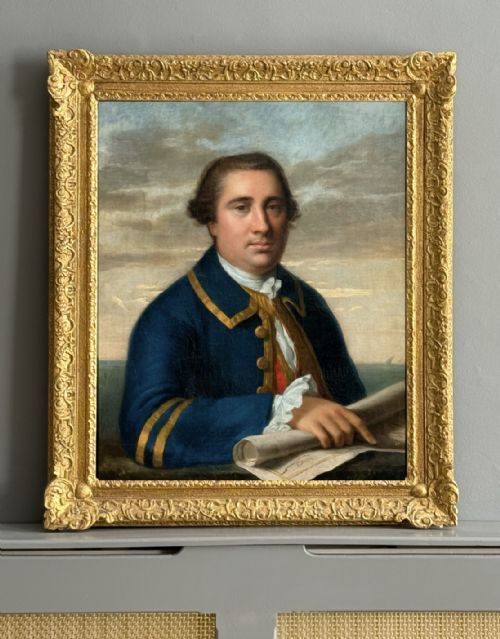
Most examples present painted compositions on woven textile supports, often housed within period timber or gilt frames. Alongside paintings, the selection incorporates occasional decorative items such as model boats and pond yachts.
Origins span British, Dutch, French, and wider European schools, recording commercial vessels, warships, and merchant shipping across rolling seas and calm anchorages.
How they were made
Makers applied oil paint directly onto prepared woven canvas grounds, utilising brushes and palette knives to build up textures of water, sky, and vessel rigging. The support material provided a flexible and durable ground for pigment layers, allowing artists to capture shifting atmospheric conditions at sea.
Frames associated with these works commonly employ wood substrates finished with gold leaf, gilt, or giltwood mouldings to complement the maritime subjects.
Antique Nautical Canvas Retail Price Guide 2026
Typical asking prices for nautical canvas among the pieces listed under this phrase on Sellingantiques today, from the lower quarter to the upper quarter. They describe what is for sale here now, not the wider market.
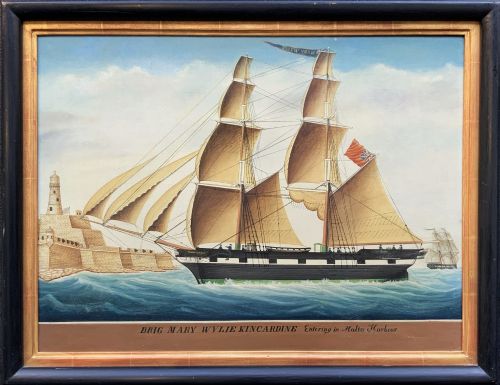
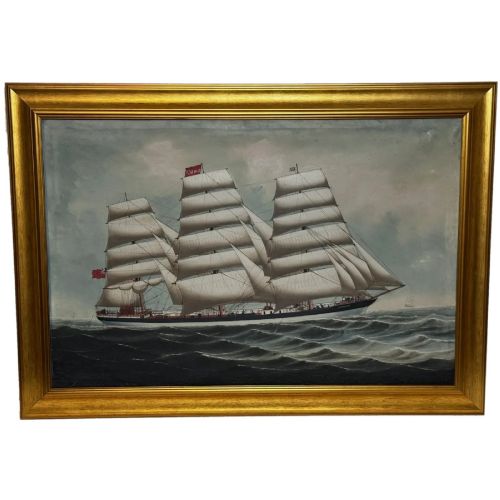
Captains frequently ordered pierhead paintings to record their exact vessel outside a foreign port, ensuring the rigging was painted right down to the last reef.
What varies in quality
Quality rests upon the artist's command of maritime architecture, rigging accuracy, and the dynamic movement of water under varying weather conditions. Finer works display meticulous handling of light on sails and wavecrests, whereas simpler pieces rely on standard formulae for seascapes and shipping.
The preservation of the original woven support and pigment layers governs the condition grade, alongside the integration of period-appropriate framing.
Nicolaas Martinus Wijdoogen·Hans Harlander·Eugène-Louis Gillot·William McAlpine·Reginald Arthur Borstel·Lemuel Francis Abbott·John Rose Miles·James Kay·William Broome·Bernard Gribble·Willem Bos·John Wilson Carmichael·Lai Fong·Nicholas Condy·Richard B. Spencer·William Henry Williamson·Abraham Hulk I·Charles Napier Hemy·Gustave De Bréanski·Adrian Van Porten·Daniel Sherrin·Edward Henry Eugene Fletcher
The Antique Nautical Canvas Glossary
- Oil on Canvas
- A painting medium where pigments suspended in drying oils are applied to a woven fabric support stretched over a wooden frame. This combination allows for rich colour blending and textured brushwork.
- Giltwood
- Timber carved and surfaced with a thin layer of gold leaf or metallic gilt powder. It frequently surrounds nineteenth-century maritime paintings.
- Barque
- A sailing vessel with three or more masts having the fore- and main-masts square-rigged and the mizzen-mast fore-and-aft rigged. These ships appear frequently in marine art.
- Pierhead Painting
- A specific genre of ship portraiture, often commissioned by sea captains, depicting a vessel outside a specific port. These works prioritize accurate details of flag-flying and rigging.
- Clipper
- A very fast nineteenth-century merchant sailing ship with three masts and a square rig. Artists recorded these vessels during record-breaking voyages.
Antique Nautical Canvas: Frequently Asked Questions
What subjects appear on these canvases?
Paintings show merchant ships, naval warships, fishing boats, and harbour scenes across rough and calm waters. Historical events and specific vessels like named barques and clippers are frequently recorded.
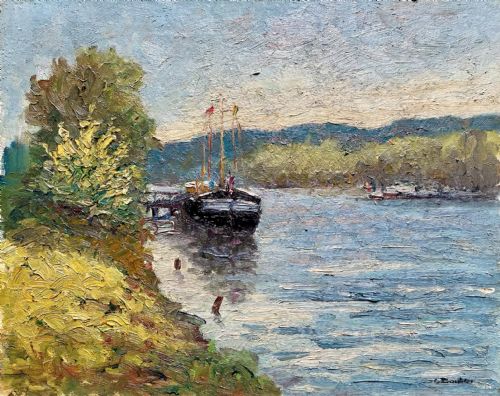
Compositions range from nineteenth-century maritime battles to early twentieth-century coastal views and river scenes by European schools.
How do I identify the period of a painting?
Dating relies on the costume of figures, the type of vessel depicted, and the style of the frame. Signatures, dates inscribed on the canvas, and documented artist working spans provide precise markers.
Materials such as nineteenth-century oil paints and giltwood frames also help establish the era of creation.
How should I care for an oil painting on canvas?
Keep the artwork away from direct sunlight and steady humidity levels to protect the woven fabric and oil pigments. Avoid using liquid cleaners on the surface.
Dust the frame gently with a soft, dry brush and consult a professional conservator for surface cleaning.
Where were these maritime scenes painted?
Artists worked both in coastal studios from sketches and directly aboard ships documenting voyages. European maritime hubs, including Dutch canals and British ports, served as primary locations.
Foreign waters near Malta, Gibraltar, and Italy also feature prominently in naval records.