


Antique Nature Wall Art
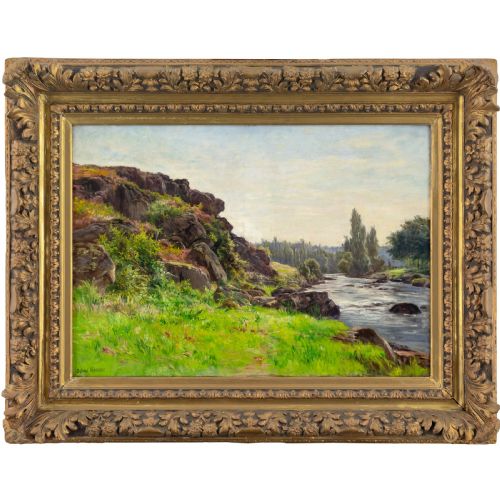
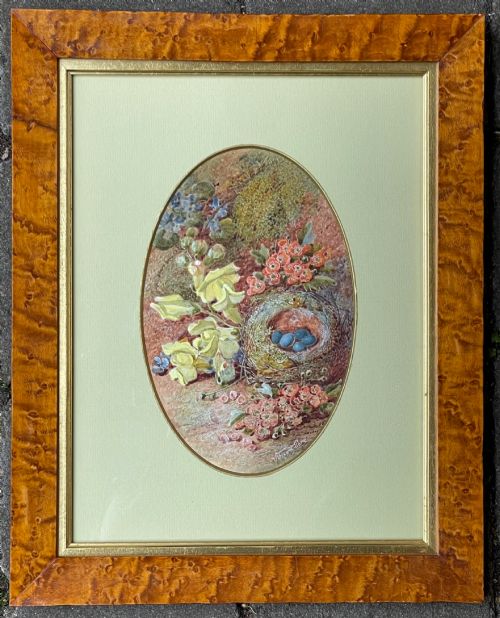
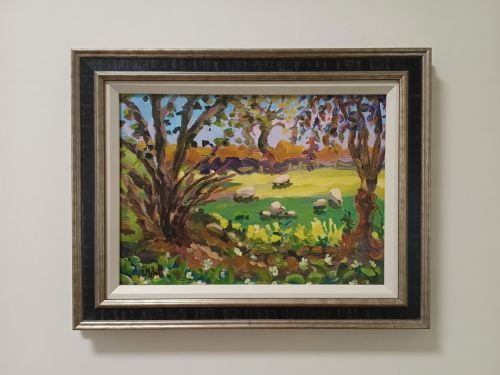
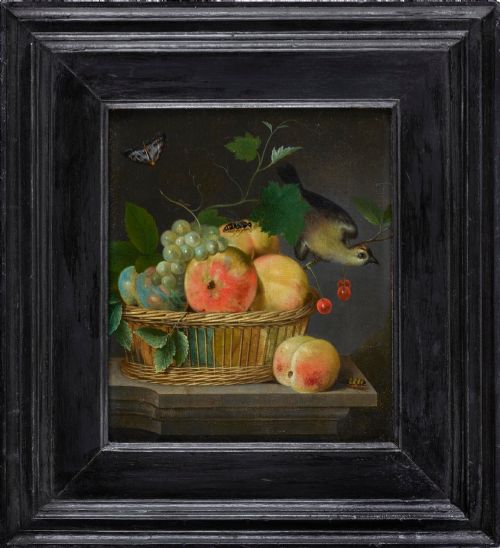
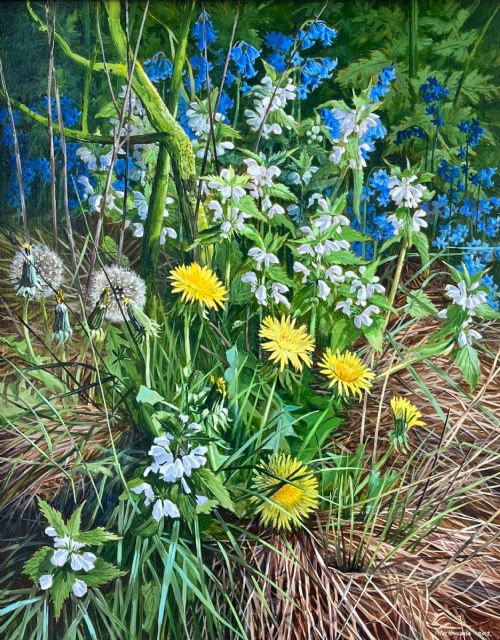
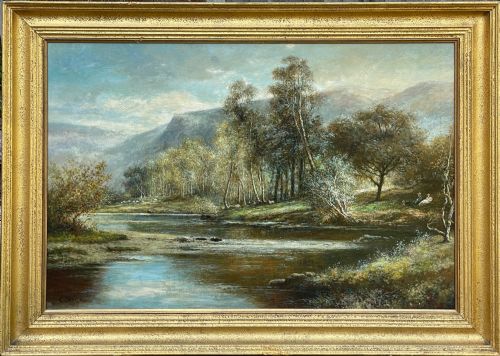
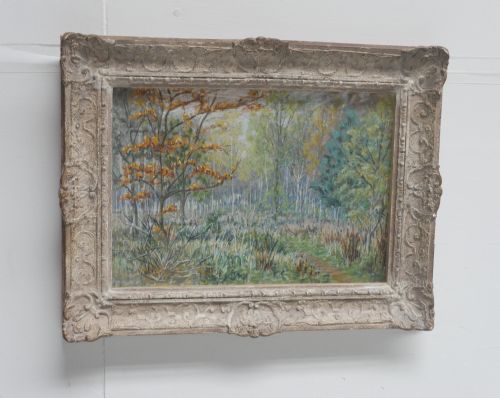
These antique nature wall art pieces bring woodland landscapes, rivers, and botanical studies into a room through oil, watercolour, and pastel.
Antique Nature Wall Art
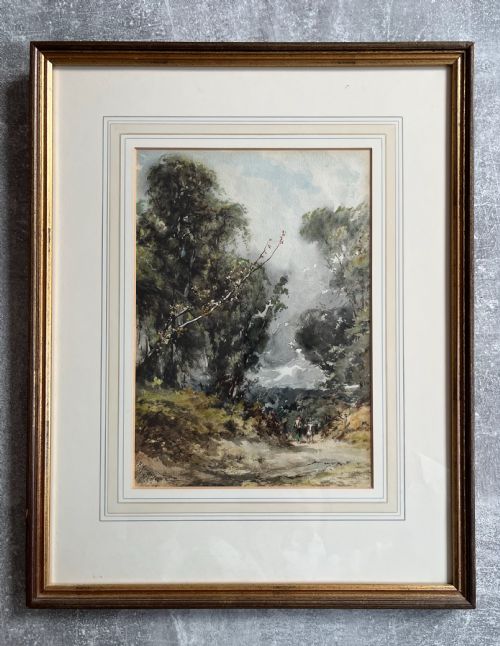
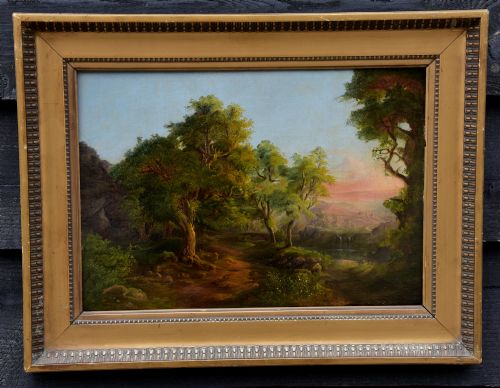
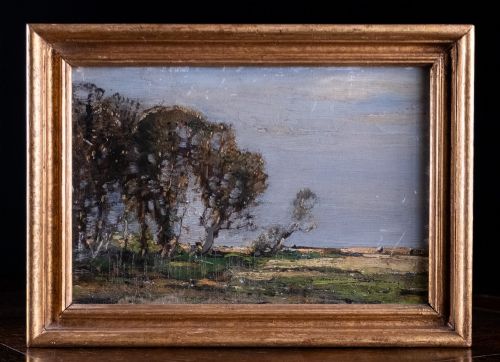
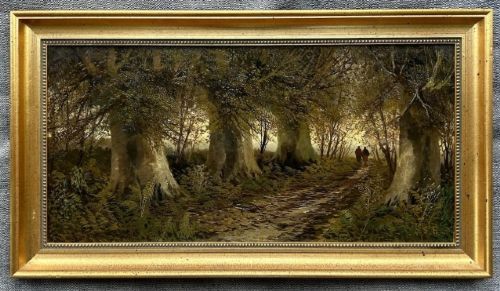
Antique nature wall art encompasses framed paintings, watercolours, and prints depicting landscapes, rivers, and botanical studies. When searching this phrase, buyers encounter nineteenth-century and Edwardian works created in British and French impressionist styles.
The selection here relies heavily on oil paintings on board or canvas, alongside detailed watercolours and gouache. Rural scenes, woodland paths, and river views dominate the forms available for interior display.
Makers ranged from professional landscape artists exhibiting in major galleries to skilled watercolourists documenting British countryside and coastal views. Pieces often arrive framed in period wood moulding ready for immediate hanging.
How they were made
Artists applied oil paint to stretched canvas, wooden board, or thick paper using brushes and palette knives to build texture and depth. Watercolours and gouache relied on delicate washes on paper, sometimes accented with gum arabic for sheen.
Substrates varied according to the medium, with heavy linen canvases mounted on timber stretchers for larger oil works and rigid millboard utilised for smaller field studies. Gold leaf accents occasionally adorned the inner margins of frames to catch the light.
Materials span canvas, paper, wood, glass, and gold leaf, deployed across nineteenth-century and Edwardian landscape paintings.
What varies in quality
Quality rests upon the artist's command of light, shadow, and atmospheric perspective within the landscape. Superior works capture natural movement in water or foliage with confident brushwork rather than rigid, formulaic outlines.
The integrity of the original support and pigment preservation dictate long-term durability. Unrestored surfaces retaining their original varnish and period framing carry greater authenticity than modern replacements.
George Fotherly Hargitt·Kershaw Schofield·Thomas W Lascelles·Gabriel Mathieu·Vincent Clare·Gaspar Peeter Verbruggen·Oliver Goldsmith·John Wright Oakes·William Langley·William Mellor·Rowland Henry Hill·William Stephen Coleman·J Phipps·Adolphe Gumery·James Poole
The Antique Nature Wall Art Glossary
- Oil paint
- A slow-drying paint made from pigment suspended in a drying oil, typically linseed. It allows artists to blend colours smoothly and build rich, textured surfaces.
- Watercolour
- A paint consisting of soluble pigments mixed with water-soluble binder, traditionally applied to paper. It produces luminous, transparent washes of colour.
- Gouache
- An opaque water-based medium containing pigment and a binding agent, often modified with added white. It yields flat, matte areas of solid colour.
- Impressionism
- A nineteenth-century painting style focusing on the accurate depiction of light and its shifting qualities. Practitioners prioritised visible brushstrokes and unblended colour.
- Provenance
- The documented history of ownership surrounding an artwork. A clear chain of custody verifies authenticity and previous exhibition history.
Antique Nature Wall Art: Frequently Asked Questions
Are these works original or prints?
The majority of pieces are hand-painted originals executed in oil, watercolour, or gouache by period artists. Occasional hand-coloured engravings and prints also appear.
Inspect the surface under magnification to confirm pigment thickness and brush texture distinct from dot-matrix or offset printing.
How should I hang antique wall art?
Select an interior wall away from direct sunlight, heating vents, and damp zones to protect fragile paper, canvas, and wooden frames. Use picture hooks rated securely for the weight of the frame.
Maintain stable room humidity to prevent timber warping and canvas slackening over decades of display.
How do I date a Victorian landscape?
Examine the framing style, canvas stamp on the reverse, and stretcher construction alongside the artist's active exhibition years. Victorian works typically utilise specific pigments and heavy gilt mouldings.
Inscriptions on the backboard or frame paper often record dates, titles, and locations that confirm the era of creation.