






Antique Naive Portraits
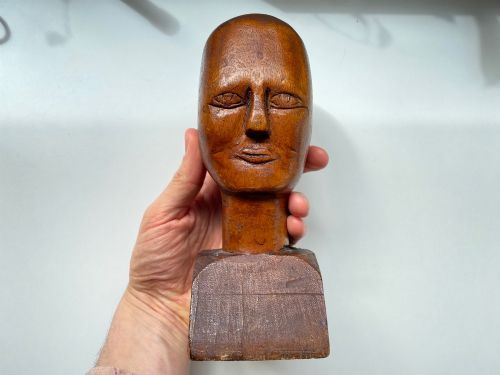
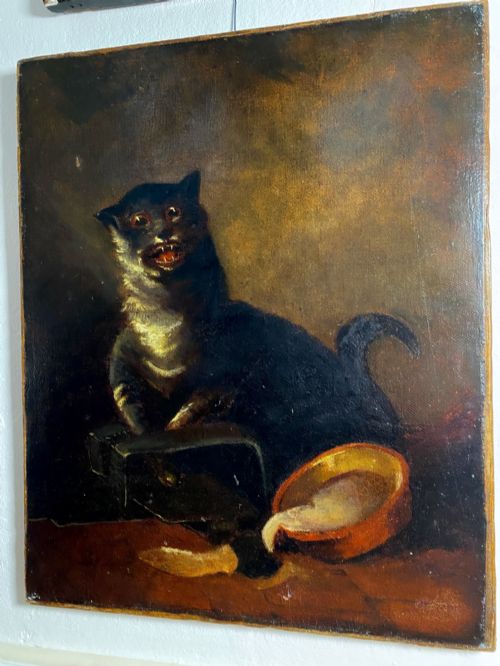
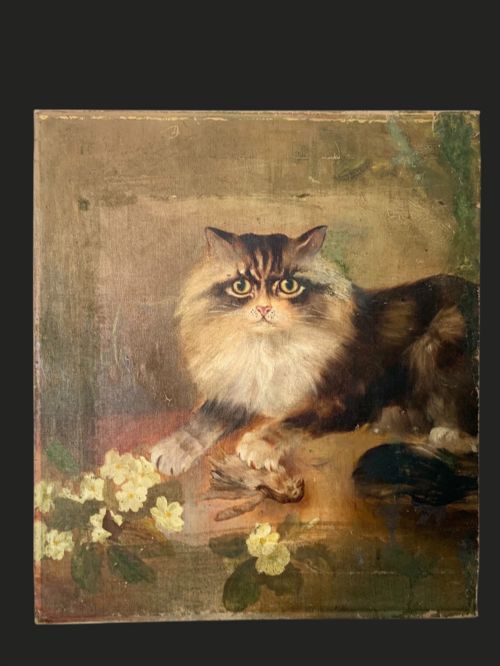
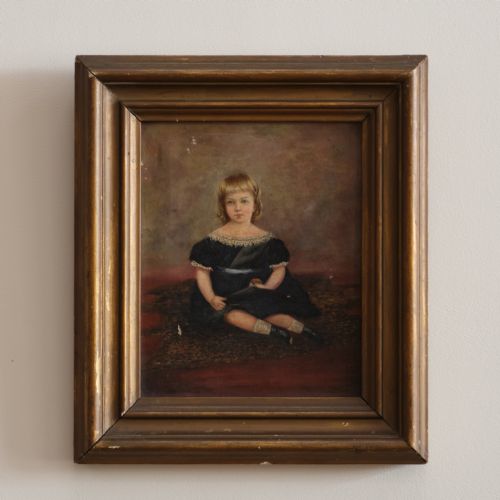
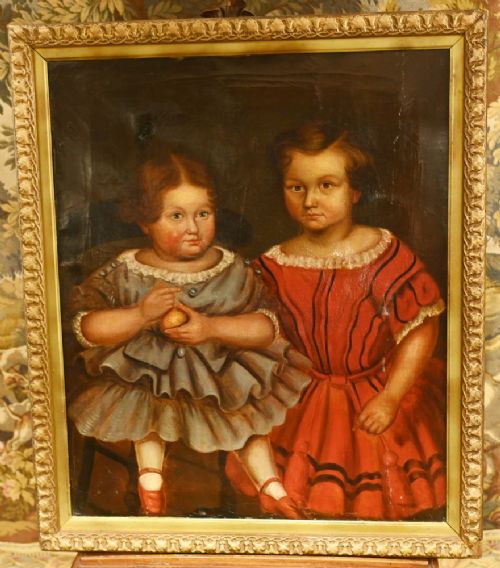
These antique naive portraits capture the unvarnished character of sitters through direct, charmingly unacademic brushwork.
Antique Naive Portraits
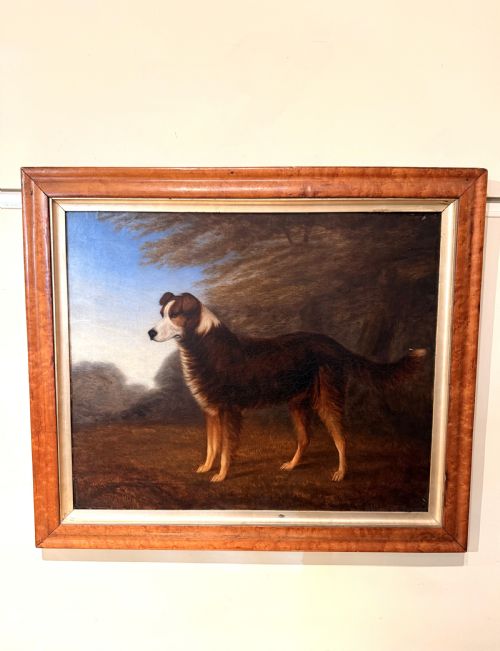
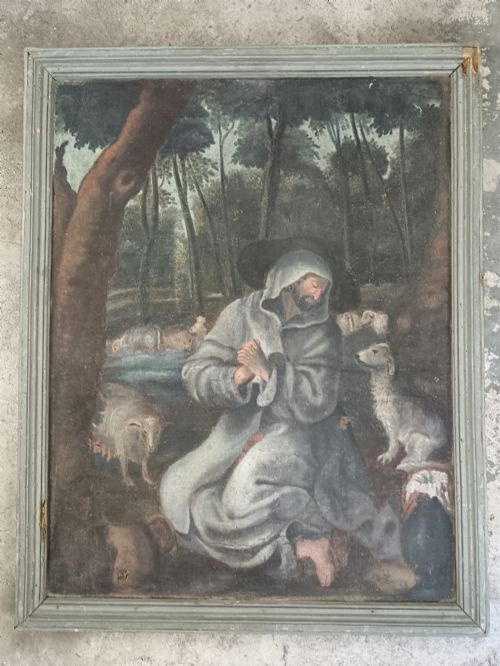
Antique naive portraits comprise oil paintings, watercolours, and ink works depicting people, children, and animals with a charming disregard for formal academic proportion. When searching for antique naive portraits, you encounter works spanning the eighteenth, nineteenth, and early twentieth centuries, originating from British, American, Italian, and Scandinavian provincial schools.
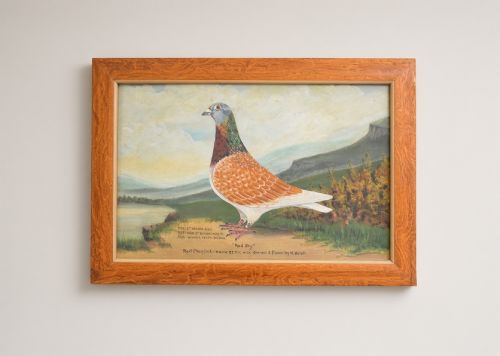
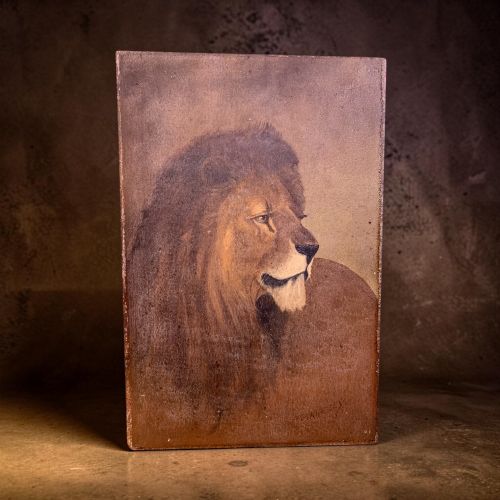
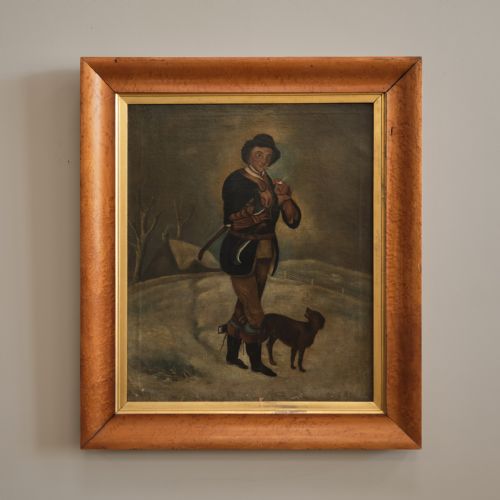
The subjects range from solitary gentlemen and young girls in architectural settings to family groups, children accompanied by dogs, and even animals like racing pigeons or lions. These pieces emerge from regional traditions where local painters captured sitters with an honest immediacy rather than classical flattery.
How they were made
Painters worked primarily with oil paint on canvas or wood panels, alongside watercolours on paper and occasionally tinplate. The physical construction often involves simple wooden or gilt brass frames, sometimes housing delicate details like miniature portraits behind glass.
Makers utilised available pigments and substrates to record their subjects, leaving visible brushstrokes and unblended tones that define the folk art aesthetic. Technical quirks such as pentimento reveal changes made directly on the canvas during the painting process.
Antique Naive Portraits Retail Price Guide 2026
Typical asking prices for naive portraits among the pieces listed under this phrase on Sellingantiques today, from the lower quarter to the upper quarter. They describe what is for sale here now, not the wider market.
Among the sitters keeping watch are a three-month-old child, a border collie, and a penguin.
What varies in quality
Quality rests in the expressive power of the depiction and the strength of the composition rather than academic accuracy. A compelling gaze, bold use of colour, and engaging subsidiary elements like pets or architectural backgrounds elevate a piece.
Condition and originality play a significant part, distinguishing works retained in their original frames and untouched surfaces from those heavily restored. The personality captured by the provincial artist determines the lasting appeal of the artwork.
Holley Bros·J Brown·E H Windred
The Antique Naive Portraits Glossary
- Naive school
- Art produced by painters without formal academic training, characterised by flat perspective and direct expression. This style prioritises honest representation over strict anatomical proportion.
- Pentimento
- A visible trace of an earlier painting, brushstroke, or sign that has been painted over by the artist. This occurrence often reveals changes in composition made during the creative process.
- Folk art
- Artistic work created within a cultural tradition by and for ordinary people, lacking professional training. These objects reflect communal values and local aesthetic choices.
- Primitive
- A term describing early or unrefined works of art that display simple forms and minimal perspective. Such pieces possess a striking visual directness.
- Portrait miniature
- A small-scale painting depicting a person, often created for personal remembrance or travel. These works frequently feature delicate detailing in oil or watercolour.
Antique Naive Portraits: Frequently Asked Questions
What is a naive portrait?
A naive portrait is an artwork painted by someone lacking formal academic training in classical proportions and perspective.
These pieces rely instead on an honest, direct approach to the subject, resulting in striking and characterful depictions.
How do I date a naive painting?
Dating relies on the costume of the sitter, the hairstyle, and the framing materials used.
Inscribed dates, written labels on the reverse, and the type of canvas or wood panel also provide reliable clues to the period.
Where were these portraits painted?
Provincial artists created these works in homes, local studios, and rural communities across Britain, America, and Europe.
Itinerant painters travelled from town to town offering portraiture to families who desired a likeness of themselves or their children.
How should I frame these artworks?
Many of these pieces survive in their original frames, which should be preserved whenever possible to maintain historical integrity.
If framing a loose canvas or panel, choose simple wood mouldings that complement the understated nature of folk art.