



Pair Ancestor Portraits
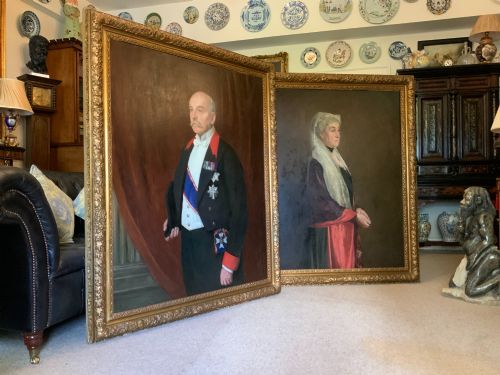
Pair ancestor portraits are dual works capturing lineage and heritage, offering a striking symmetrical presence that anchors a room.
Pair Ancestor Portraits
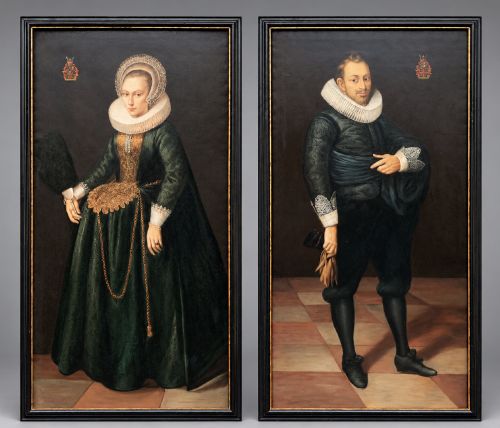
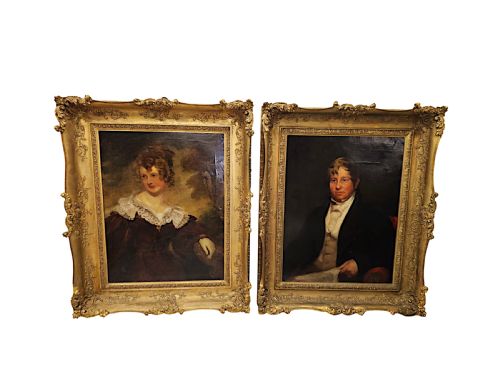
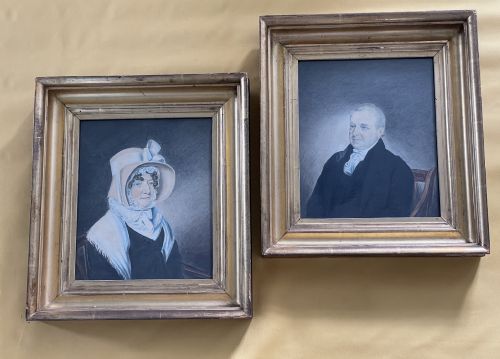
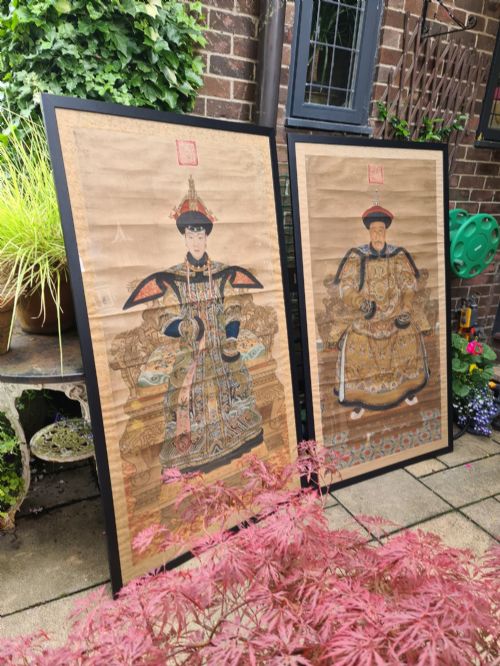
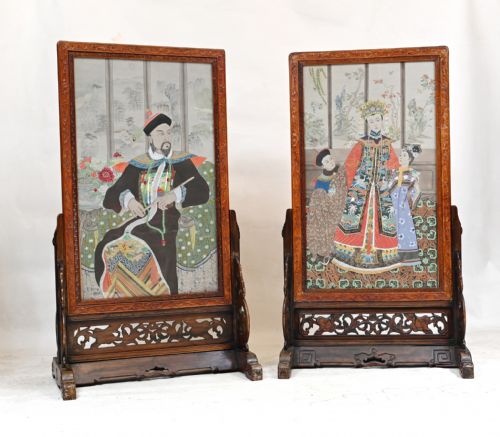
When you search for pair ancestor portraits, you encounter works spanning the eighteenth century through the early twentieth century, crossing regions from American folk art to Chinese Qing dynasty pieces. These sets typically capture pairs of sitters, often husband and wife or imperial figures, arranged to be displayed together on walls or as screens.
The versions most frequently met on this page include nineteenth-century Chinese ancestral scrolls and paintings, alongside European and American school works utilising oil, watercolour, and silk. Their shared purpose is the commemoration of lineage, rendered through formal portraiture conventions or naive regional interpretations.
Regional variations shape the selection profoundly, ranging from Scandinavian romanticism tinplate pieces to hardwood screens and porcelain plaques depicting emperors and empresses. Each pair carries distinct historical markers of its origin, reflecting local materials and period aesthetics.
Materials and construction methods
Makers utilised traditional supports including wood, paper, silk, tinplate, and glass, applying pigment, watercolour, and gold leaf to render the likenesses. Chinese examples often combine silk weaving and pigment on scrolls or hardwood table screens, while Western counterparts favour oil on canvas or watercolour on paper.
Framing and mounting techniques vary according to the region and period, with pieces set into hardwood frames, glazed panels, or fashioned as porcelain plaques. The application of gold leaf and dense pigment provides the durable finish seen across surviving examples from the Georgian and Victorian eras.
Pair Ancestor Portraits Retail Price Guide 2026
Typical asking prices for pair ancestor portraits among the pieces listed under this phrase on Sellingantiques today, from the lower quarter to the upper quarter. They describe what is for sale here now, not the wider market.
Styles recorded across the inventory include Qing dynasty, American folk art, Regency, Victorian, Republic period, folk art, and Scandinavian romanticism.
Assessing quality and execution
The integrity of the original materials, such as untouched hardwood frames, genuine gold leaf, and undamaged glass or porcelain, elevates a pair. Surviving archival items demonstrate that the harmony between both panels determines the overall visual impact of the set.
The Pair Ancestor Portraits Glossary
- Ancestor portrait
- A formal painting or scroll created to honour deceased family members or lineage figures. These works often served ritual or commemorative purposes within family halls.
- Folk art
- Artistic work created within a traditional culture by self-taught or provincial makers. This style prioritises expressive character over academic proportion.
- Qing dynasty
- The final imperial dynasty of China, lasting from the mid-seventeenth to the early twentieth century. Many traditional ancestral scrolls and silk works originate from this extensive period.
- Pigment
- Natural or synthetic coloured powder combined with a binder to create paint. The quality and stability of the pigment determine how well the hues survive over centuries.
Pair Ancestor Portraits: Frequently Asked Questions
How were pair ancestor portraits displayed?
These pieces were traditionally hung side by side in domestic reception rooms or ancestral halls to maintain the spiritual presence and social standing of the lineage. In some cultural traditions, they formed the focal point of domestic shrines.
Today, they are typically mounted symmetrically on living room or hallway walls to create a balanced visual axis and introduce historical depth to an interior.
What materials are common in these portraits?
Makers utilised diverse media depending on the geographic origin, ranging from oil paint on canvas and watercolour on paper to woven silk and pigment on scrolls. Hardwood frames and glass glazing frequently protect the fragile surfaces.
Porcelain plaques and tinplate are also encountered among regional schools, showcasing the local adaptation of portraiture traditions.
How do I distinguish regional styles?
Chinese ancestral scrolls and Qing dynasty pieces display formal frontal seating postures and intricate robes, often utilising pigment on silk or paper. Western folk art and Scandinavian romanticism examples feature softer domestic settings or naive facial renderings.
Examining the framing materials, the preparation of the canvas or paper, and the specific pigment palette helps clarify the geographic origin.
Are these portraits always painted on canvas?
Canvas represents only one of several surfaces employed by makers across different periods and regions. Surviving examples frequently utilise paper, silk, wood panels, tinplate, or porcelain plaques.
The choice of support is intrinsically linked to the culture and workshop producing the pair, from Chinese hanging scrolls to American folk art boards.