




Ebonised Framed Portrait Pair
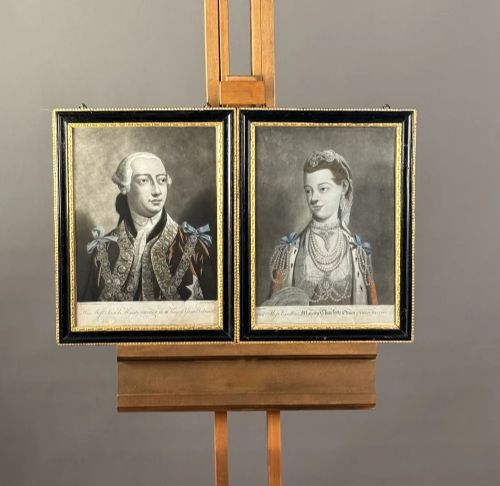
An ebonised framed portrait pair brings paired historical likenesses into a room, offering matched symmetry through dark wood moulding and centuries-old faces.
Ebonised Framed Portrait Pair
An ebonised framed portrait pair consists of two matching likenesses housed in dark, treated wooden surrounds, bringing balanced historical imagery to wall displays. Collectors encounter works spanning from the seventeenth century through the nineteenth century, reflecting evolving portrait traditions.
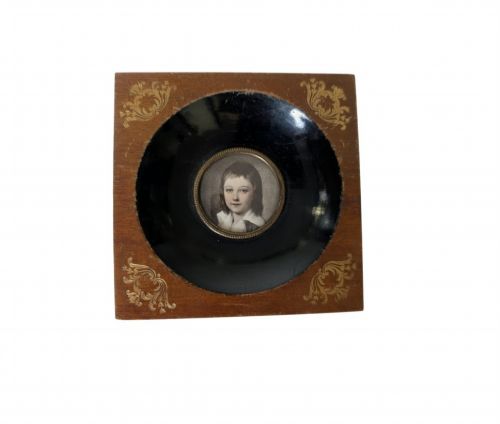
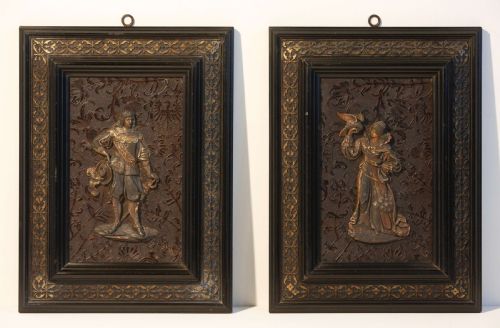
The selections on this page encompass various artistic mediums including oil paintings, reverse glass mezzotints, enamel ovals, and relief plaques. These pairs capture subjects ranging from nobility and royalty to American folk art sitters.
Materials and construction
Makers utilised wood treated to resemble ebony for the frames, frequently pairing the dark moulding with glass protection for delicate paper, print, or enamel surfaces. Gilt wood accents sometimes highlight the dark surrounds.
Artistic execution relies on oil paint on canvas or panel, detailed mezzotint printing techniques, and metal relief work in brass or white metal. These traditional methods ensure the longevity of the likenesses.
Ebonised Framed Portrait Pair Retail Price Guide 2026
Typical asking prices for ebonised framed portrait pair among the pieces listed under this phrase on Sellingantiques today, from the lower quarter to the upper quarter. They describe what is for sale here now, not the wider market.
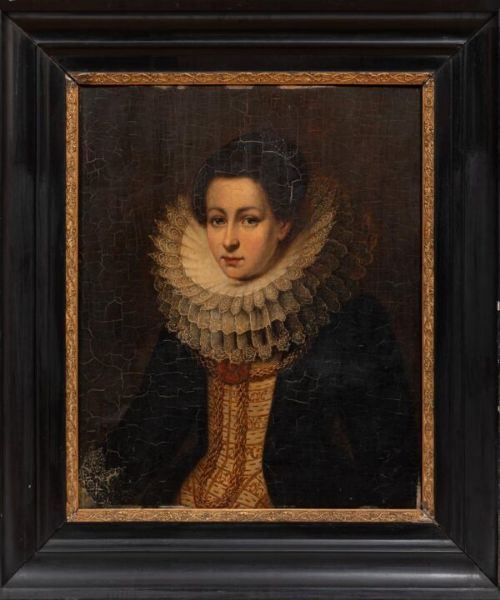
Some seventeenth-century sitters wear ruff collars so intricate they demand a closer look than the artist perhaps intended.
Assessing quality and character
Superior examples demonstrate meticulous detail in the portraiture, such as intricate ruff collars or refined facial expressions executed by skilled hands. The harmony between the two frames and the preservation of the central image dictate the overall calibre.
The depth and finish of the ebonised wood surface contribute significantly to the visual weight of the pair. Uniformity in age and matching provenance elevate the pairing above assembled companion pieces.
Thomas Frye·Richard Purcell·Nicolaes Maes·Hans Holbein·Bartolozzi
The Ebonised Framed Portrait Pair Glossary
- Ebonised wood
- Timber treated with stain, dye, or polish to imitate genuine ebony, creating a dense black finish popular for framing.
- Mezzotint
- A printmaking process of the intaglio family where tonal gradations are achieved by roughening the copper plate.
- Reverse glass painting
- An artistic technique where the image is applied directly to the back of a glass panel and viewed from the front.
- Relief plaque
- A wall hanging featuring a design raised from the background plane, commonly cast in bronze, brass, or white metal.
Ebonised Framed Portrait Pair: Frequently Asked Questions
How should I hang an ebonised framed portrait pair?
Hang the two pieces at eye level with a consistent gap between them to maintain the visual balance intended for companion artworks.
Ensure they are positioned away from direct sunlight to protect sensitive materials like paper prints and oil pigments.
What periods do these portrait pairs represent?
The pieces span multiple centuries, ranging from seventeenth-century Dutch works to eighteenth-century mezzotints and nineteenth-century folk art.
Each period employs distinct techniques and styles that reflect the portraiture conventions of its time.
Can I separate a portrait pair?
Separating a pair diminishes their historical context and visual symmetry, as these works are created and collected as matched companions.
Keeping them together preserves their narrative connection and aesthetic impact on the wall.
What maintenance do ebonised frames require?
Dust the dark wooden frames gently with a dry, soft cloth to prevent particulate accumulation without disturbing the finish.
Avoid liquid cleaners or polishes that might seep into the joints or damage the aged surface of the wood.