


Antique Naive Painting
When searching for an antique naive painting, collectors encounter direct, unacademic works shaped by untrained hands rather than strict academy rules.
Antique Naive Painting
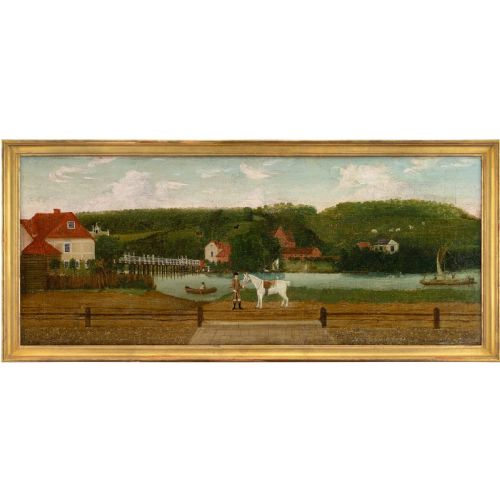
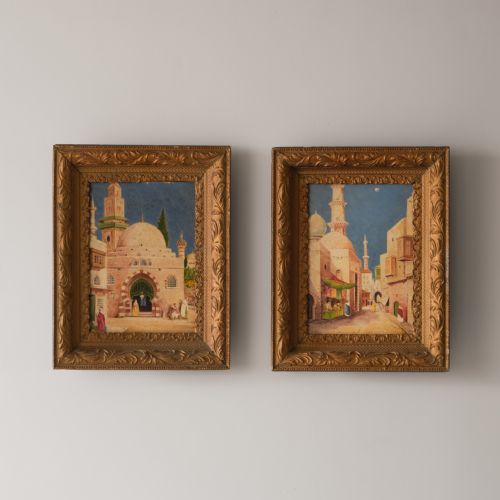
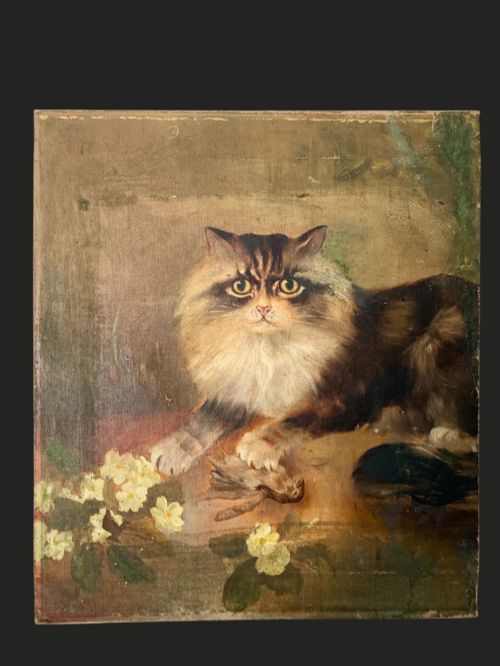
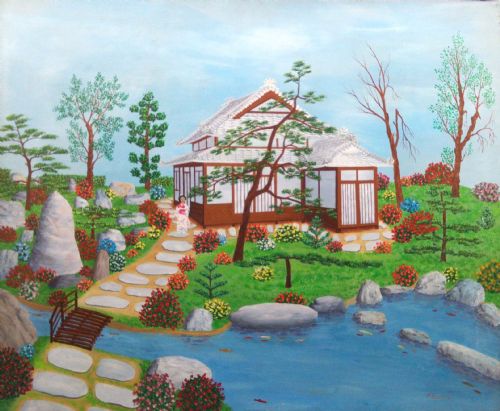
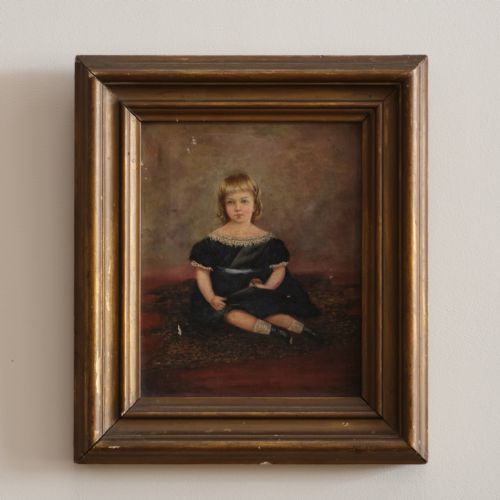
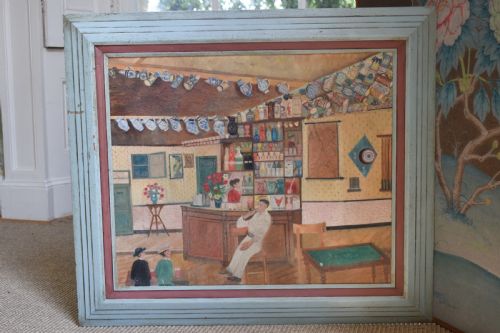
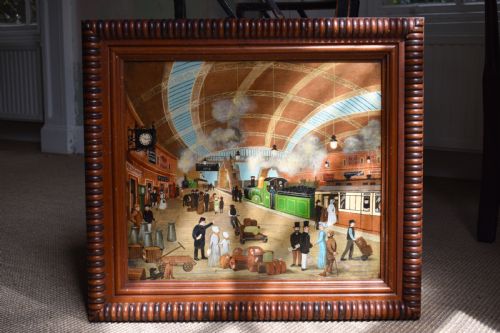
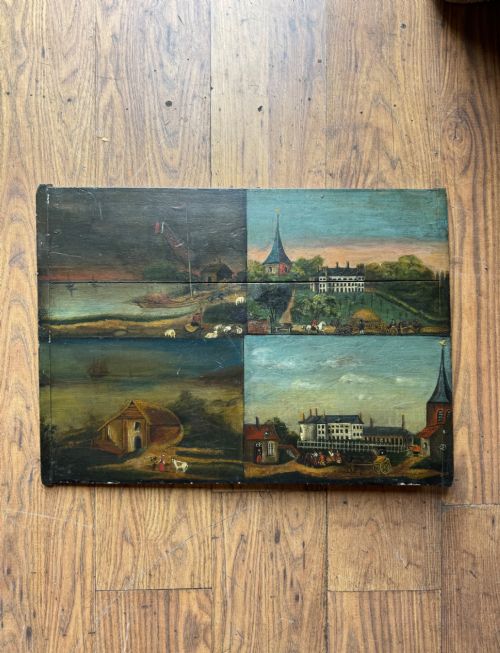
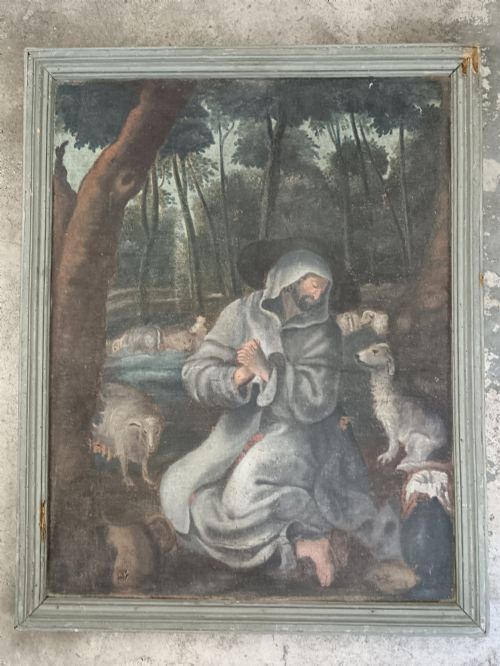
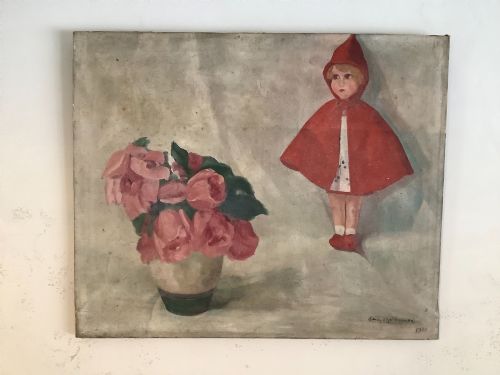
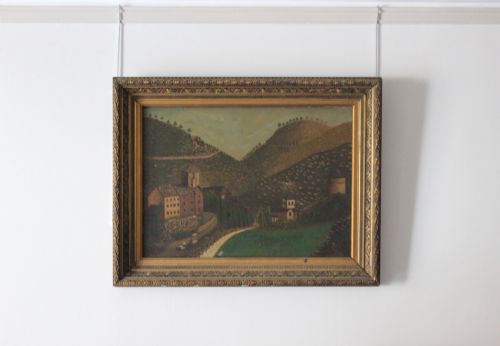
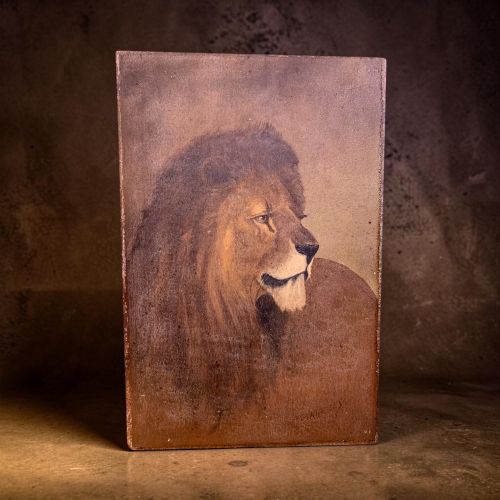
An antique naive painting embodies a direct, untutored approach to visual representation, often produced by provincial or self-taught artists working outside mainstream academic traditions. The inventory frequently yields portraits of individuals, animals, domestic pets, and rural landscapes spanning the eighteenth and nineteenth centuries.
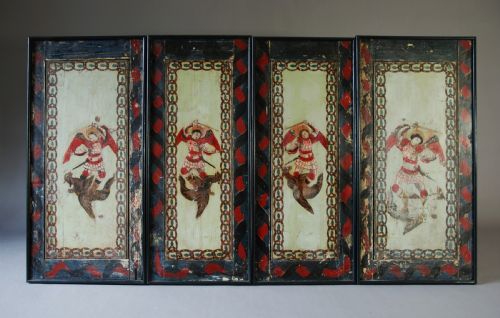
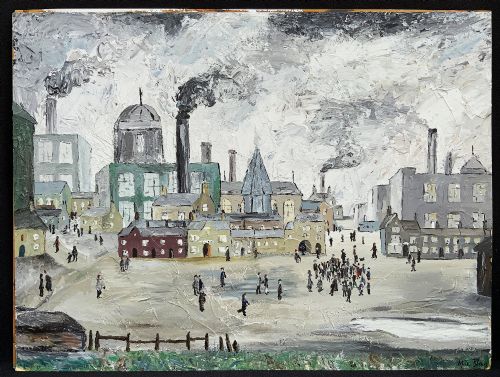
Beyond standard canvases, the category encompasses painted wooden panels, papier-mâché trays, glass panels, and sculpted wooden figures decorated with oil paint. Works range from intimate depictions of children and gentlemen to topographical scenes and industrial townscapes.
Pieces often display distinctive regional characteristics, drawing upon British, American, French, Italian, and Flemish folk art traditions. The common thread uniting these objects is a reliance on perspective and proportion driven by observation rather than classical training.
How they were made
Makers utilised available local supports, applying oil paint or watercolours directly onto canvas, wood panels, paper, and glass. Canvases were frequently stretched over simple wooden frames, while wooden items like pine panels and carved rocking horses served as three-dimensional surfaces for pigment.
Pigments were worked with straightforward brushes, sometimes augmented by ink or gold leaf for decorative highlights. The physical construction often relies on basic joinery for panels and frames, prioritising utility and immediate visual impact over complex craftsmanship.
Gentlemen with wooden legs and cows staring blankly from pastures populate the canvases.
What varies in quality
Quality rests in the intensity of expression and the boldness of the composition rather than anatomical correctness. The best examples achieve a striking psychological presence or decorative rhythm through confident brushwork and unusual colour arrangements.
Condition and originality play a significant part in establishing distinction, with untouched surfaces and period framing retaining higher visual integrity. Weaker pieces often suffer from over-restoration or flat, unimaginative rendering that lacks the quirky vitality defining the genre.
J Brown·Fred Yates·E H Windred·J Mortimer·Bromberger
The Antique Naive Painting Glossary
- Naive art
- Visual art created by a person without formal training in the mechanics of drawing and perspective. These works rely on intuitive design and personal expression.
- Pentimento
- A visible trace of earlier painting beneath a layer or layers of paint, showing where the artist changed their mind. This alteration reveals the working process directly on the canvas.
- Dummy board
- A painted figure cut from wood or metal designed to stand in a room as a decorative trompe l'oeil object. They are typically shaped to resemble people or animals.
- Provincial
- Originating from regions outside the capital or major cultural centres. Provincial works often reflect local tastes and materials.
Antique Naive Painting: Frequently Asked Questions
What defines an antique naive painting?
An antique naive painting is characterised by a lack of formal academic perspective, resulting in flat planes, simplified proportions, and direct visual storytelling.
These works were typically created by provincial artists or self-taught painters who focused on recording subjects truthfully according to their own observation.
How do I date these paintings?
Dating relies on examining the stretcher frames, canvas preparation, pigments, and the clothing styles or hairstyles of any portrayed figures.
Secondary clues include handwritten inscriptions on the reverse, framing materials, and the inherent wear of the wood or paper support.
Where were these pieces originally displayed?
These works hung in provincial homes, farmhouses, and local establishments, serving as personal portraits or local landscape records rather than formal gallery pieces.
Their unpretentious nature made them suitable for everyday domestic interiors across various social strata.
Are frames original to the artwork?
Many pieces retain period frames, such as rosewood or simple moulded wood frames contemporary to the creation date of the painting.
Because frames were often updated or replaced over the centuries, checking for consistency between the age of the frame and the support is standard practice.