



Antique Mourning Pendant
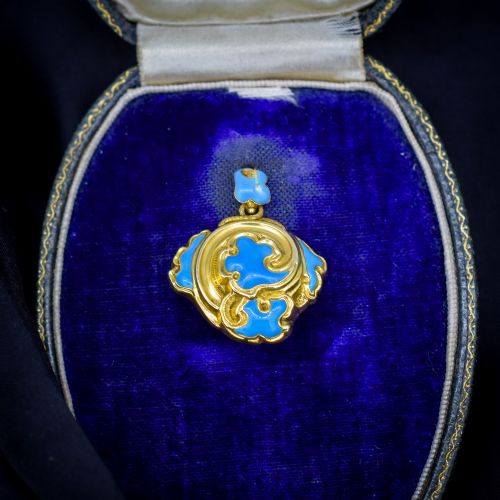
These antique mourning pendant pieces hold hair, portraits and enamel work inside gold, silver and tortoiseshell frames.
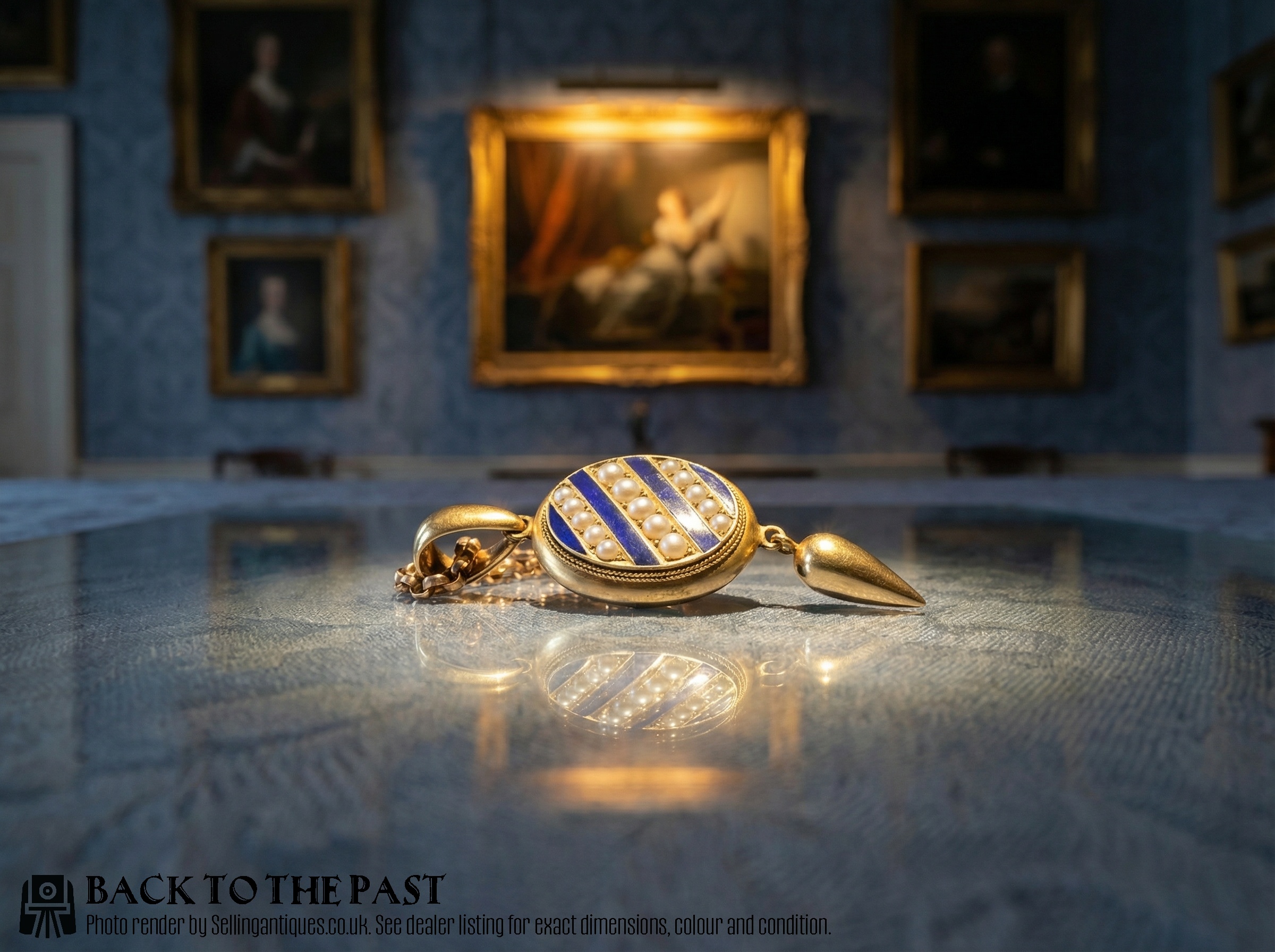
Antique Mourning Pendant
An antique mourning pendant serves as a personal memorial, often designed to be worn close to the heart or carried as a fob. The selection spans the Georgian and Victorian periods, showcasing forms that function as both lockets and brooches.
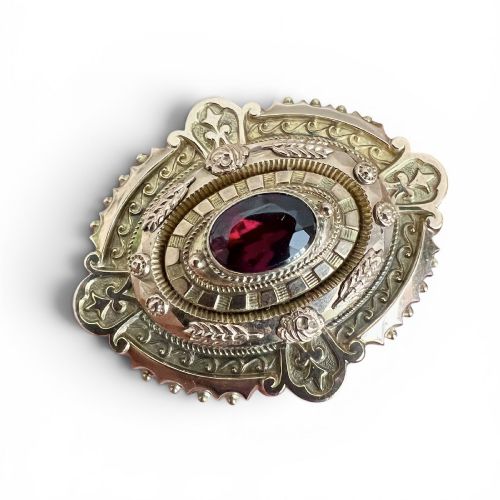
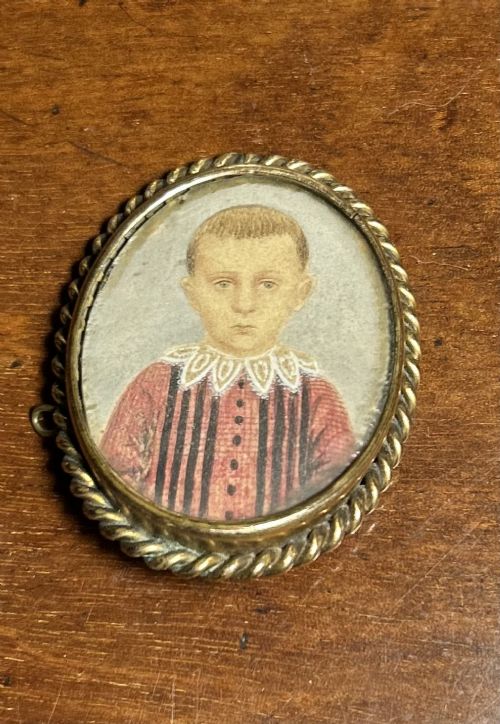
Most examples encountered here date from the Victorian era, utilising gold, silver, and tortoiseshell. These pieces frequently incorporate glazed compartments intended to house braided hair or portrait miniatures.
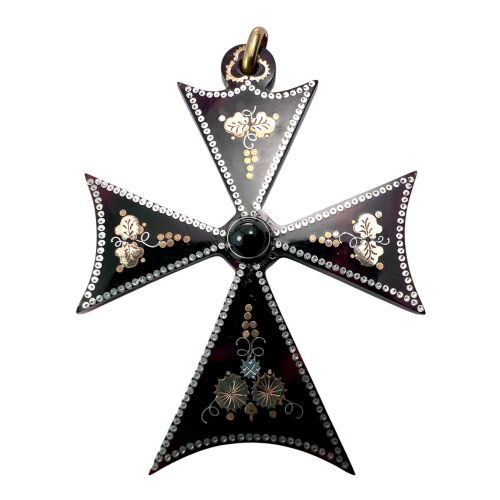
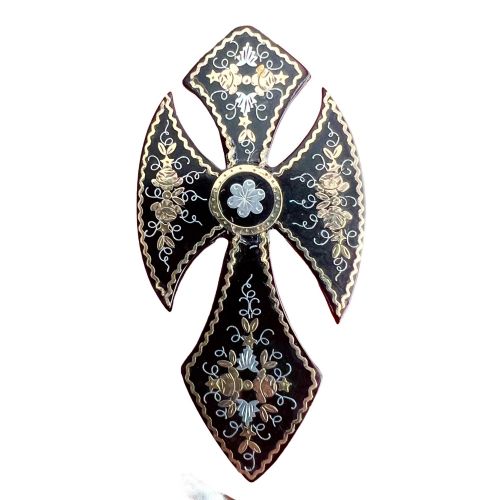
Makers shaped these items into crosses, hearts, and round lockets, sometimes adding convertible fittings so a single piece could serve as both a brooch and a pendant.
Materials and construction
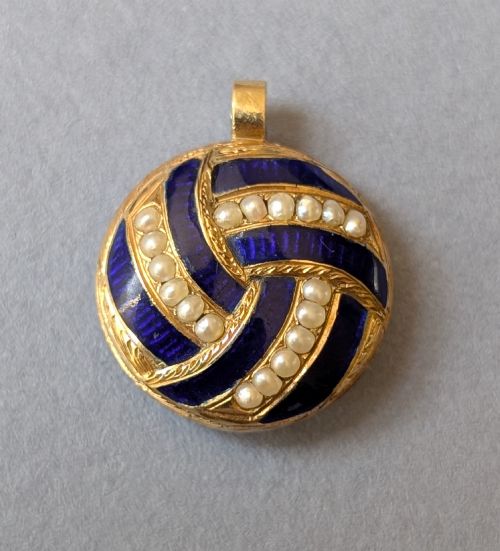
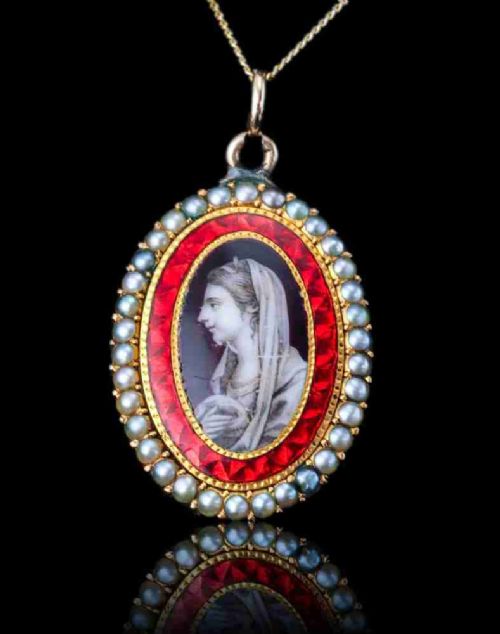
Craftsmen worked with high carat gold, silver, and tortoiseshell, frequently combining metals for contrast on the face of the jewel. Enamel in blue and black provided a durable surface for inscriptions and decorative borders.
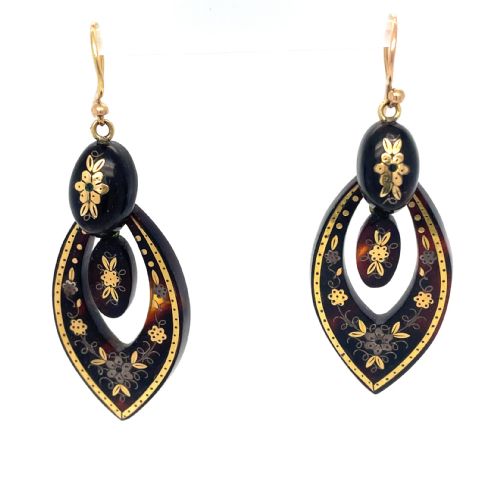
Surface ornamentation involved intricate techniques such as piqué work with silver inlay, engine-turning, and Etruscan Revival granulation. Glazed central panels protected delicate hair work and miniature portraits painted on ivory or paper.
Antique Mourning Pendant Retail Price Guide 2026
Typical asking prices for mourning pendant among the pieces listed under this phrase on Sellingantiques today, from the lower quarter to the upper quarter. They describe what is for sale here now, not the wider market.
Eternal love messages spelled out in seed pearls show just how far people would go to keep a memory in view.
Assessing quality and craftsmanship
Quality rests in the precision of the metalwork, the depth of the engine-turning, and the intact condition of the enamel and glazed compartments. Superior examples maintain crisp details in Etruscan Revival wirework and secure hinges on the locket back.
The sophistication of the internal hair work or the artistry of the portrait miniature distinguishes finer specimens from standard production. Substantial weight in the gold or silver mountings indicates a higher grade of manufacture.
The Antique Mourning Pendant Glossary
- Mourning locket
- A hinged pendant designed to hold a keepsake of the deceased, such as a lock of hair or a miniature portrait. These compartments are typically sealed behind glass or rock crystal.
- Piqué
- A technique of embedding tiny pieces of gold or silver into a non-metallic base such as tortoiseshell. This method creates geometric or floral patterns across the surface of the pendant.
- Hair work
- The Victorian art of arranging human hair into intricate patterns like feathers or loops to place inside a memorial jewel. It requires considerable skill to preserve the strands without adhesive.
- Etruscan Revival
- A 19th-century design movement inspired by ancient archaeological discoveries, characterised by granulation and wirework applied to gold surfaces. This style adds classical texture to mourning jewellery.
- Vinaigrette
- A small hinged box containing a perforated grill over a sponge soaked in aromatic vinegar. Some pieces combined this function with a mourning hair compartment.
Antique Mourning Pendant: Frequently Asked Questions
What is inside an antique mourning pendant?
These pieces commonly enclose braided human hair, sepia portraits, or painted miniatures behind a glazed window. The interior often includes a fabric lining or a gold frame to secure the memorial keepsake.
Many examples also feature engraved inscriptions recording dates and initials on the reverse metal surface.
How do I wear a convertible locket brooch?
Convertible pieces feature a fold-down loop alongside a pin fastening on the reverse. This dual mechanism allows the item to function either suspended from a chain or pinned directly to a garment.
When wearing the piece as a pendant, ensure the safety catch on the pin is secured downward to prevent snagging clothing.
How do I tell Georgian from Victorian pieces?
Georgian mourning items, dating from the late 18th century into the early 19th century, frequently feature flat cut-steel or sepia painted miniatures under convex glass. The gold standards often differ, and the overall aesthetic leans toward neo-classical motifs.
Victorian pieces, emerging after 1837, display heavier gold work, black enamel, and more elaborate revival styles such as Etruscan or Gothic influences.
How should I care for tortoiseshell jewellery?
Tortoiseshell requires protection from direct sunlight, extreme heat, and harsh chemicals which can cause warping or fading. Clean the surface gently with a soft, dry cloth rather than liquid immersion.
Store the pendant in a padded box away from other metal items to prevent scratching the polished finish.