

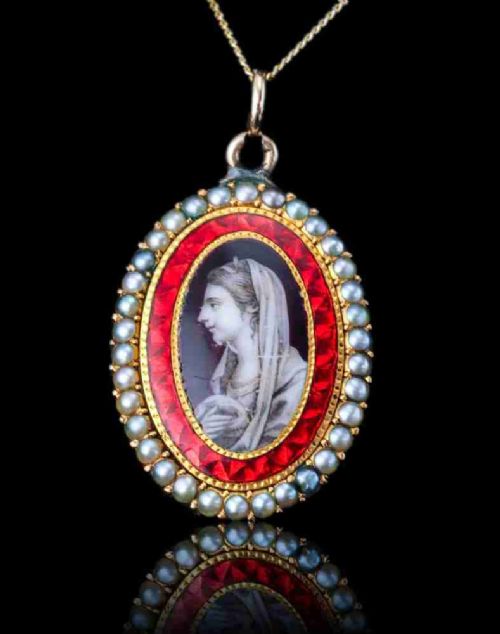


Antique Mourning Locket
An antique mourning locket holds memory in gold and enamel, offering a tangible link to the past through preserved hair and portraiture.
Antique Mourning Locket
When you search for an antique mourning locket, you encounter personal pieces of memorial jewellery designed to hold hair work, miniatures or photographs of departed loved ones.
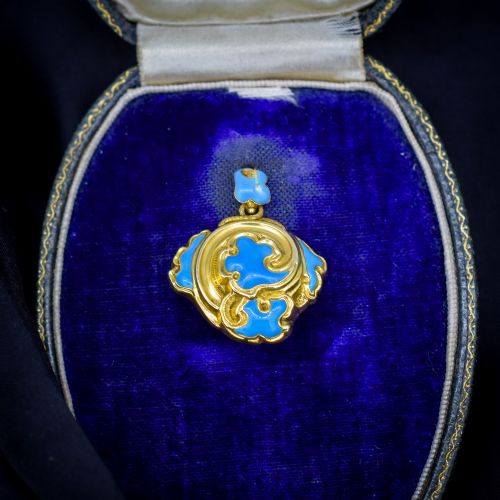
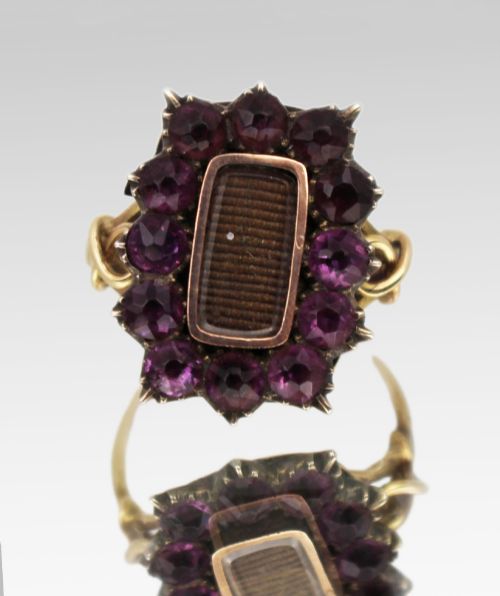
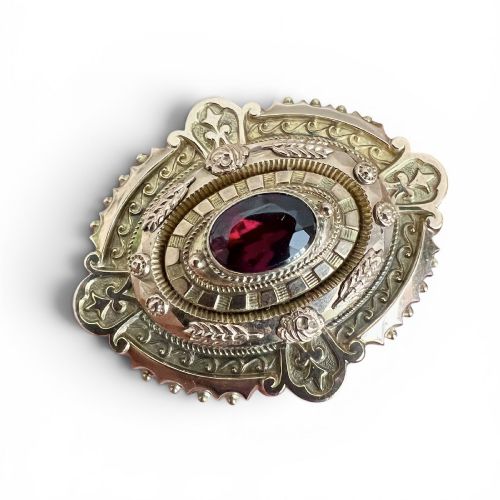
The pieces on this page span the Georgian, Victorian and Edwardian eras, appearing as pendants, lockets, brooches and rings fashioned in high-carat gold.
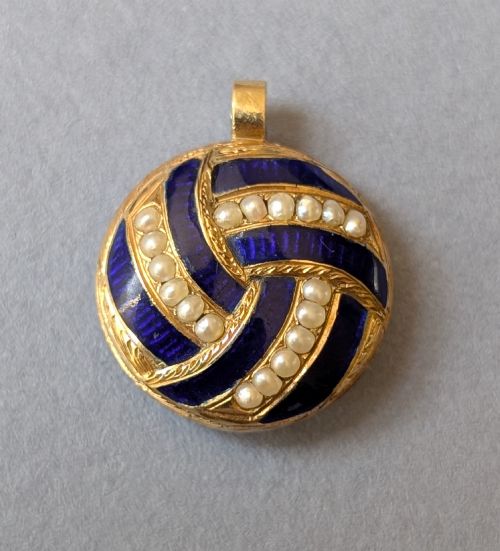
Victorian examples dominate the selection, frequently displaying black enamel, seed pearls and glazed compartments intended for hair work or miniature portraits.
Materials and construction
Goldsmiths utilised fifteen-carat and eighteen-carat gold alongside silver, shaping metals into hinged lockets, rings and pendant forms with chased or engine-turned surfaces.
Enamelwork in black, blue and purple formed contrasting grounds for seed pearls, diamonds, garnets and turquoise stones set into the metalwork.
Intricate hair work inside glazed compartments required precise arrangement of human hair to form floral patterns or memorial ciphers.
Listings feature items from the Georgian, Victorian, and Edwardian periods, utilising gold, enamel, pearls, and human hair.
Factors of quality
Execution of the internal hair work separates standard pieces from exceptional examples, noting the density and intricacy of the woven strands.
Quality rests heavily on the depth of the gold carat, the precision of the enamel, and the refinement of subsidiary stones such as pearls and garnets.
The integrity of the hinged mechanisms and glass glazing panels indicates the original craftsmanship applied to each memorial piece.
Jacob Amyand
The Antique Mourning Locket Glossary
- Mourning locket
- A hinged pendant designed to hold commemorative items such as locks of hair, miniature paintings or photographs. These pieces served as personal memorials throughout the Georgian and Victorian periods.
- Hair work
- The decorative arrangement of human hair placed beneath glass panels inside a locket or brooch. Artisans wove individual strands into symbolic shapes like feathers or weeping willows.
- Seed pearl
- A very small, naturally occurring pearl used extensively in Victorian and Georgian memorial jewellery. Jewellers often clustered them around central enamel plaques or glazed compartments.
- Engine-turned
- A mechanical method of engraving precise geometric patterns onto metal surfaces using a lathe. This technique decorated the exterior gold cases of many Victorian lockets.
Antique Mourning Locket: Frequently Asked Questions
What are antique mourning lockets made of?
These pieces utilise high-carat gold, silver, enamel, glass and seed pearls alongside human hair and gemstone accents.
Craftsmen combined these materials to create durable yet deeply personal items of remembrance.
How do I care for my locket?
Keep the piece away from moisture and harsh chemicals to protect the delicate internal hair work and enamel surfaces.
Store the locket in a soft pouch and handle the hinged glass compartments with care.
How can I tell the period?
Georgian examples often feature sepia portraits and low-set stones, while Victorian pieces lean towards heavy gold work and black enamel.
Edwardian items tend to feature lighter frames, heart motifs and delicate pearl settings.
Can I wear a mourning locket daily?
While sturdy gold construction allows for careful wear, the glazed hair compartments and delicate enamel require gentle handling.
Many collectors reserve them for occasional wear to preserve the antique glass and internal arrangements.