



Antique Mother Child Art
Antique mother child art captures familial bonds through centuries of painting, sculpture, and engraving.
Antique Mother Child Art
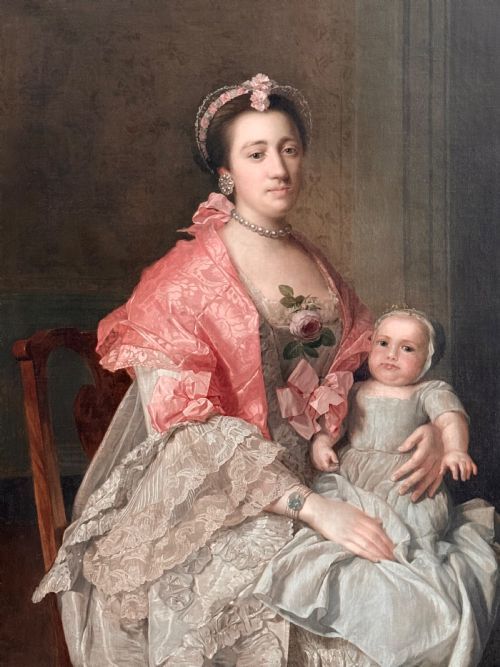
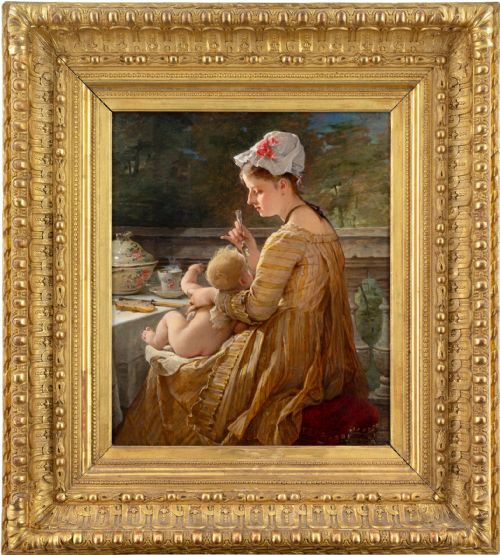
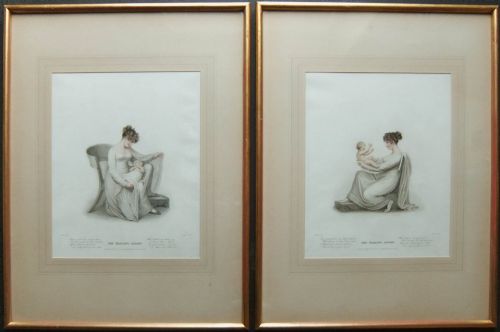
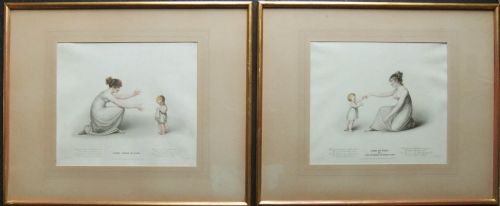
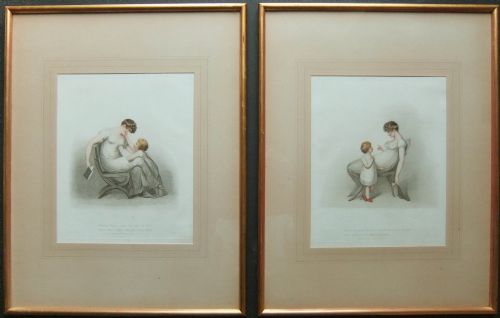
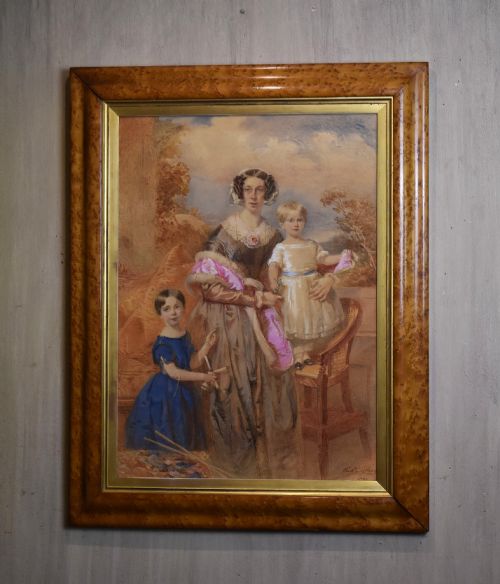
When you examine antique mother child art, you encounter diverse visual traditions ranging from oil paintings to cast metal sculptures. These works span the eighteenth, nineteenth, and early twentieth centuries, encompassing Georgian portraiture, Victorian genre scenes, and Art Deco statuettes.
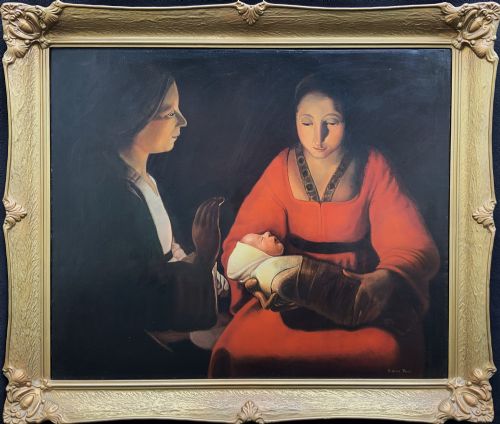
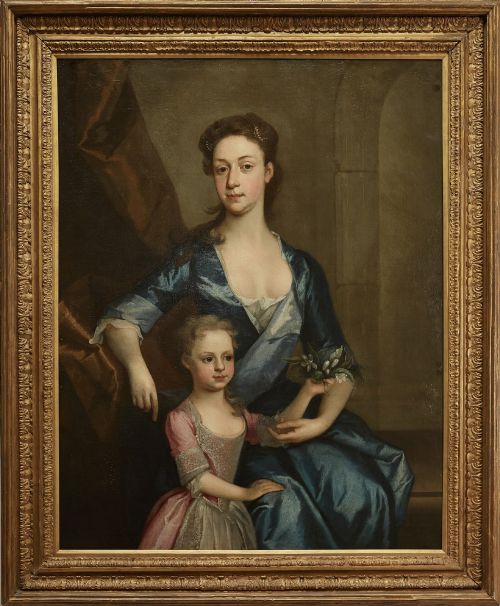
You meet both intimate watercolours on paper and large framed oil paintings on canvas depicting domestic affection. Religious depictions such as the Virgin Mary with child appear alongside secular family portraits and pastoral studies.
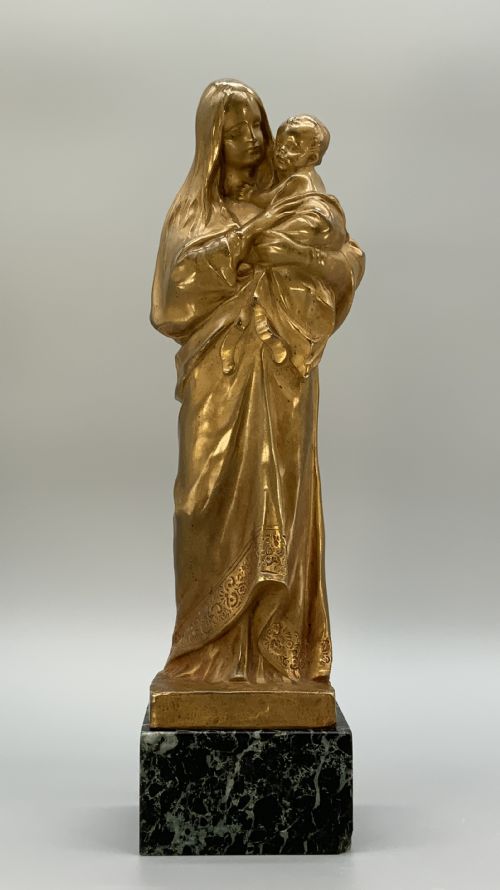
Sculptural interpretations take the form of bronze groups, spelter figures, and bisque pieces. These three-dimensional objects translate the theme into solid materials, capturing physical closeness in metal and ceramic.
Materials and Construction
Painters utilised oil on canvas, oil on wood panel, and watercolour on paper to render domestic scenes and portraits. Pigments were applied with varying brushwork, from the precise details of eighteenth-century portraiture to impressionist strokes of later periods.
Sculptors worked in bronze, silvered bronze, gilt bronze, spelter, and ceramic bisque, often employing casting and patination techniques. Bronze groups required intricate moulds, while wood panels served as stable supports for early painted icons.
Listings feature paper, canvas, wood, oil, glass, watercolour, and bronze across Victorian, Georgian, Art Deco, and Regency styles.
Assessing the Work
Execution and expression distinguish finer pieces from standard decorative works in this category. A master painter renders facial expressions, hand gestures, and fabric folds with naturalism and psychological depth.
In sculpture, the crispness of the casting and the quality of the patination dictate the refinement of the piece. Fine metalwork preserves subtle details in hair, clothing, and anatomical structure without smoothing away nuance.
Sir Allan Ramsay·Hans Müller·Adam Buck·Frederick Tatham·Michael Dahl·Joseph Highmore·Luca Madrassi·George Smith·Helena Maguire·Xavier Raphanel·Albert de Belleroche·Francis Alleyne
The Antique Mother Child Art Glossary
- Bisque
- Unglazed ceramic porcelain that has been fired once, prized for its matte finish and smooth surface texture.
- Spelter
- A zinc alloy used as a substitute for bronze in decorative figures, often given a bronze-coloured patina.
- Oklad
- A metal covering or revetment placed over a painted icon, leaving only the faces and hands visible.
- Engraving
- A printmaking technique where an image is incised into a metal plate, creating sharp and detailed lines on paper.
- Genre painting
- The pictorial representation of scenes from everyday life, depicting ordinary people in domestic or social settings.
Antique Mother Child Art: Frequently Asked Questions
What periods do these pieces represent?
The selections span several centuries, with particular concentration in the eighteenth, nineteenth, and early twentieth centuries. You find Georgian and Regency works alongside Victorian narrative scenes and Art Deco styling.
Dates range from seventeenth-century portraiture through to works created around nineteen thirty, reflecting shifting artistic tastes in depicting familial affection.
How were these artworks displayed?
Paintings and prints were traditionally framed and hung in domestic interiors, serving as focal points in parlours and drawing rooms. Watercolours and engravings offered a more intimate scale for private spaces.
Sculptures and bronze groups sat on mantelpieces, tabletops, or pedestals, functioning as decorative centerpieces within the home.
How do I care for these objects?
Paintings on canvas and paper require stable humidity and protection from direct sunlight to prevent fading and cracking. Watercolours and prints are especially sensitive to light exposure.
Metal sculptures need gentle dusting with a soft cloth, avoiding abrasive cleaners that might damage the original patina.
How do I distinguish between periods?
Stylistic markers and framing materials often indicate the era of creation. Eighteenth-century portraits display formal compositions and period costume, while Victorian pieces lean towards narrative sentiment.
Twentieth-century works show modernist lines or streamlined Art Deco forms, diverging from earlier academic traditions.