
Georgian Oil Painting Gold Frame
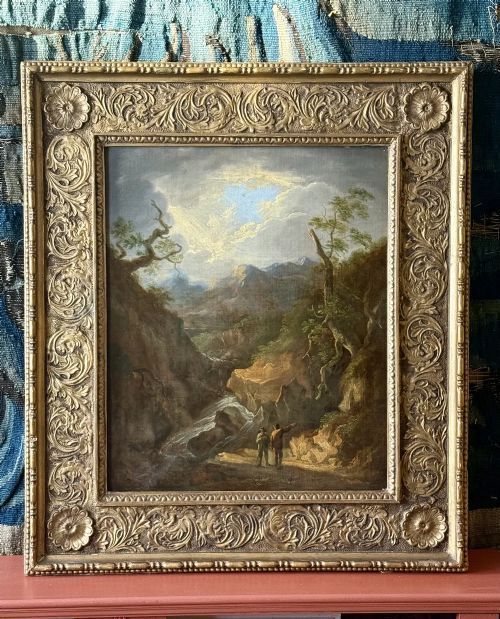
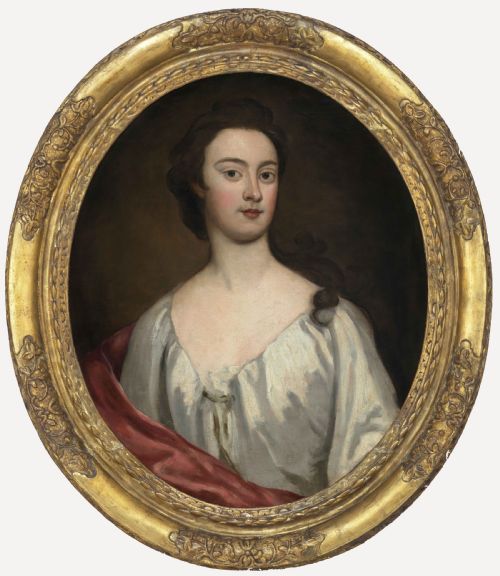
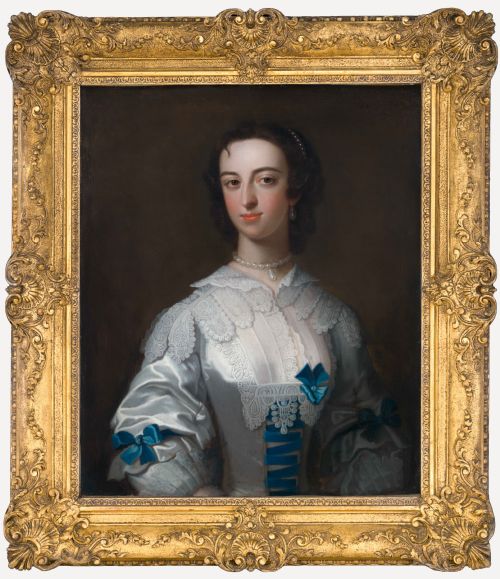
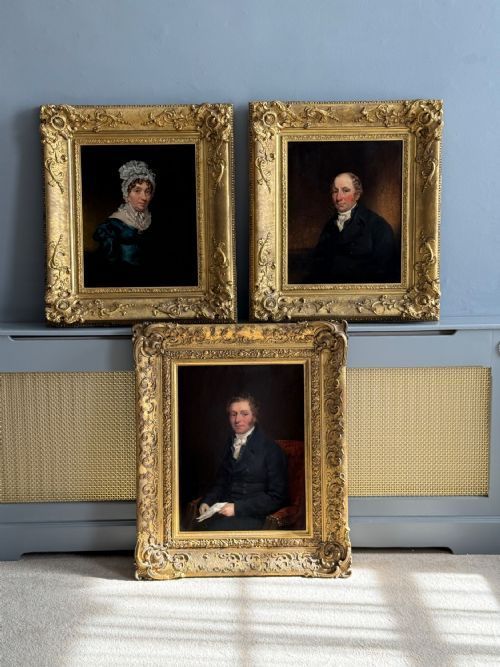
A georgian oil painting gold frame brings centuries of portraiture and classical landscape straight into a modern room with rich, warm metallic lustre.
Georgian Oil Painting Gold Frame
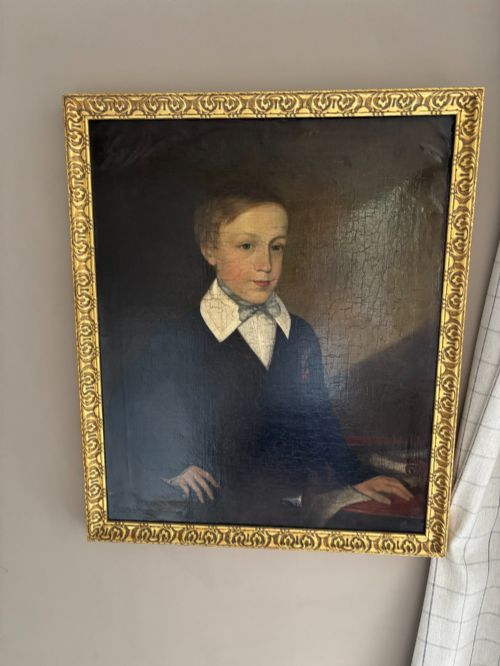
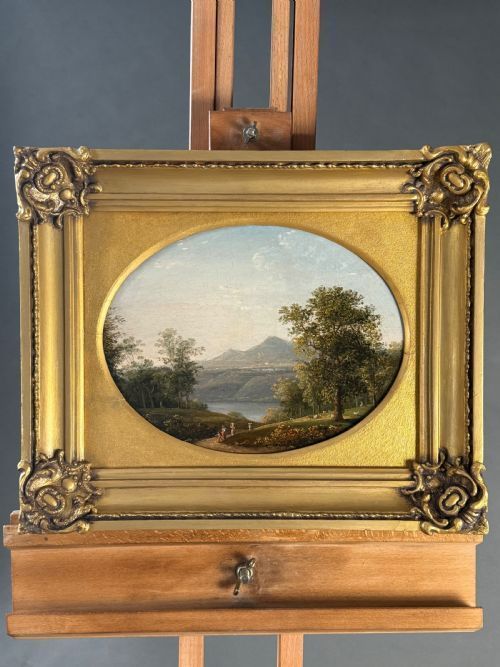
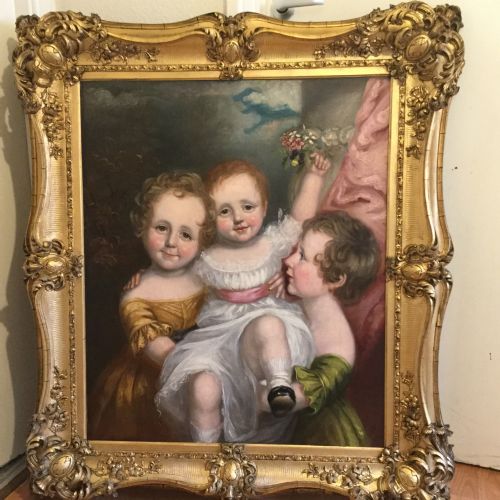
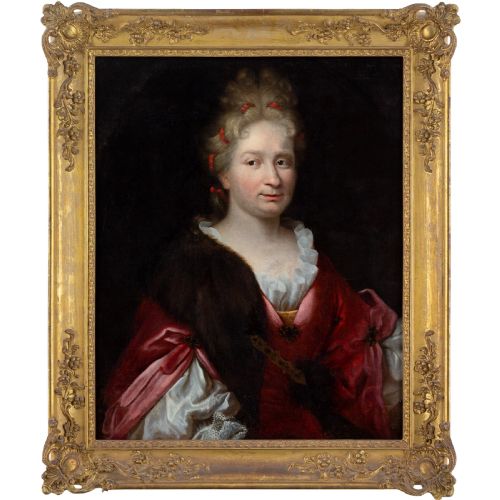
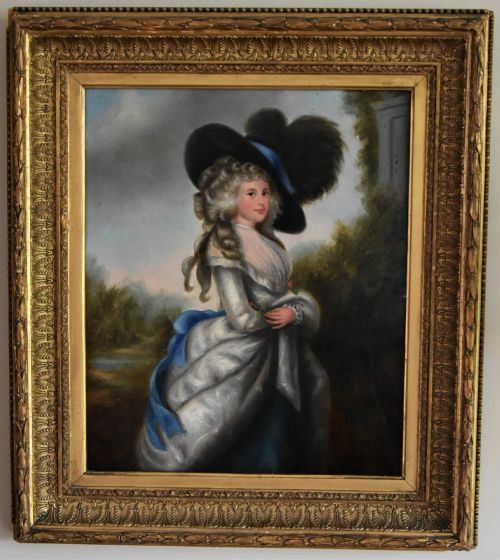
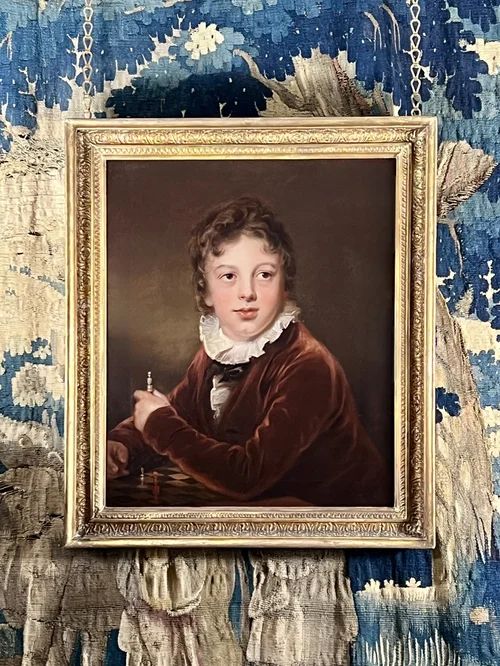
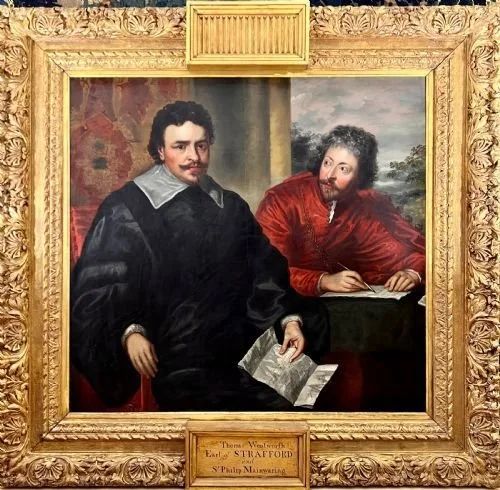
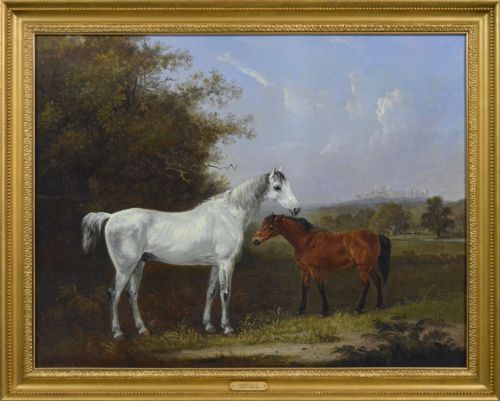
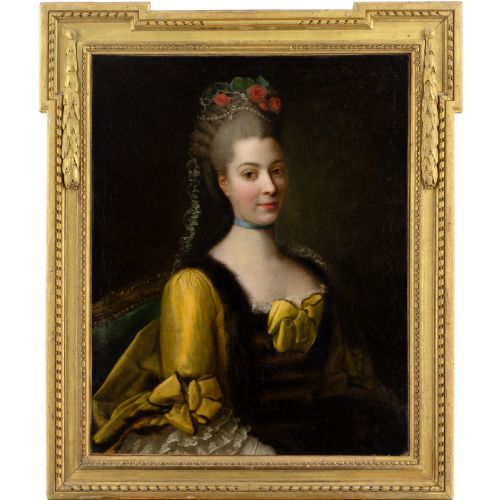
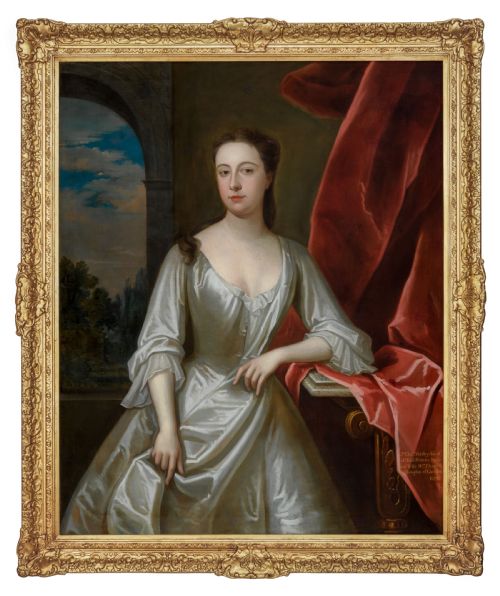
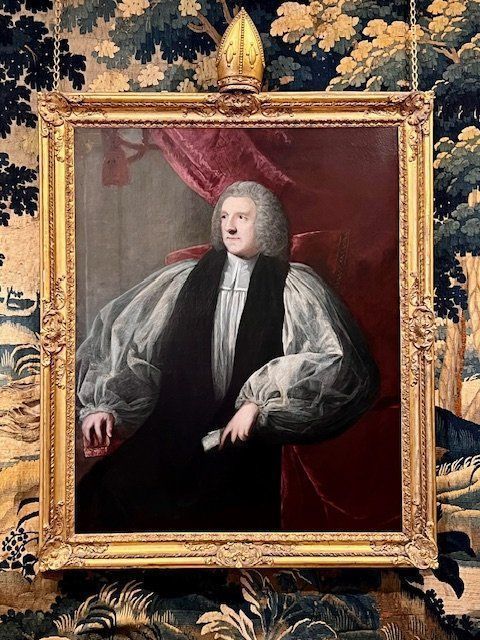
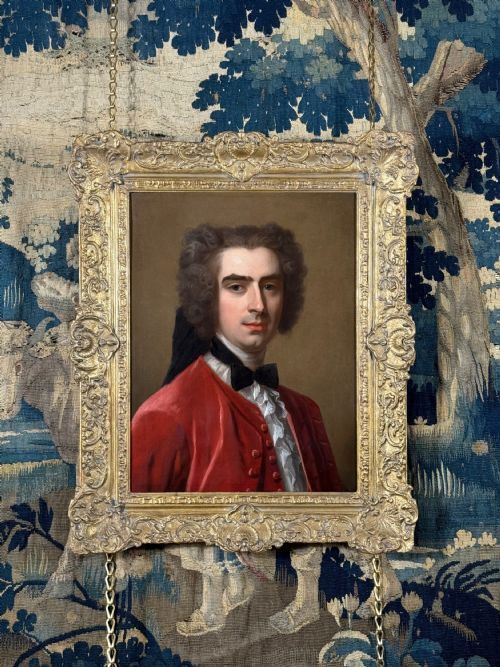
When searching for a georgian oil painting gold frame, collectors encounter period fine art spanning the eighteenth century, the Regency era, and nineteenth-century interpretations of earlier subjects. These works consist predominantly of oil portraits on canvas or panel, alongside occasional pastoral landscapes and classical scenes.
The most common form on this page is the oil portrait depicting sitters from nobility, clergy, or gentry, rendered by British and European artists working within Baroque, Rococo, or classical traditions.
The accompanying frames are intrinsic to the pieces, presenting moulded wooden profiles enriched with applied ornamentation that complements the painted canvas within.
Materials and Technique
The physical objects combine oil paint applied to stretched canvas, wood panel, or board, set within timber frames finished in gesso and gold leaf.
Framemakers built structural wooden carcasses, applied layers of plaster-based gesso for moulding intricate decorative details, and finally laid delicate sheets of gold leaf over the prepared surfaces.
Materials recorded across the selection include oil paint, canvas, giltwood, gesso, and gold leaf.
Distinctions in Quality
The upper tier of works demonstrates confident draughtsmanship, expressive handling of skin tones and fabrics by named artists or accomplished studio circles, paired with deep, hand-carved or deeply moulded giltwood frames.
Lesser examples display stiffer anatomy and repetitive brushwork from provincial or later studio copyists, housed in simpler frames with worn or replaced gilding.
Sir Joshua Reynolds·Jean Baptiste Van Loo·Joseph Clover RA·Jeremiah Davison·Lemuel Francis Abbott·William Joseph Shayer Senior·Benjamin Barker of Bath·John Opie RA·Jacob Philipp Hackert·Thomas Beach
The Georgian Oil Painting Gold Frame Glossary
- Giltwood
- Wood carved and covered with gold leaf or metal leaf for a decorative metallic finish. This traditional framing material patinates richly over centuries of exposure.
- Gesso
- A paint mixture consisting of a binder mixed with chalk, gypsum, or pigment used to prepare wood and canvas surfaces. Artisans carved and moulded this substance to create relief decoration on frames.
- Oil on Canvas
- Pigment mixed with drying oil applied to a woven fabric support. This technique allowed artists to achieve subtle tonal gradations and lasting depth.
- Regency
- The period in British history from 1811 to 1820, characterised by distinct artistic and architectural styles influenced by classical Greek and Roman forms. Paintings from this era often exhibit refined neoclassical restraint.
- Baroque
- An ornate artistic style prevalent from the early seventeenth to mid-eighteenth century, known for drama, tension, and grand scale. Works in this manner emphasise rich colour and strong chiaroscuro.
Georgian Oil Painting Gold Frame: Frequently Asked Questions
How do I hang a heavy framed oil painting securely?
These substantial works require robust picture hooks fixed directly into wall studs or masonry using appropriate wall anchors. Heavy giltwood frames place significant weight on the hanging wire and D-rings, so inspect these fixings regularly.
Position the centre of the canvas at average eye level to ensure the proportions of the frame sit comfortably within the room's architecture.
How do I tell an 18th-century frame from a later replacement?
Examine the construction corners, the composition of the gesso layer, and the type of wood visible on the reverse. Period frames often show hand-mitred joints, shrinkage cracks in the gesso, and older pine or oak substrates behind the gilding.
Later reproduction frames tend to feature uniform machine-made mouldings and synthetic bonding agents that lack the depth of historic patination.
What lighting is best for displaying oil paintings?
Display oil paintings away from direct sunlight to prevent the pigments from fading and the canvas from drying out excessively. Soft, indirect ambient light or dedicated picture lights with low-heat LED bulbs will reveal the texture of the brushwork without damaging the surface.
Keep pieces away from active fireplaces or heating vents where fluctuating temperatures cause the wood panel and canvas to expand and contract.