


Antique Monogrammed Jewellery
Antique monogrammed jewellery carries personal ciphers and carved initials in gold, silver, and steel across Georgian, Victorian, and Edwardian periods.
Antique Monogrammed Jewellery
Antique monogrammed jewellery encompasses personal items stamped, engraved, or formed with initials, ciphers, and cyphers. These pieces survive from the Georgian, Victorian, Edwardian, and Art Deco periods, capturing personal identity in precious metals.
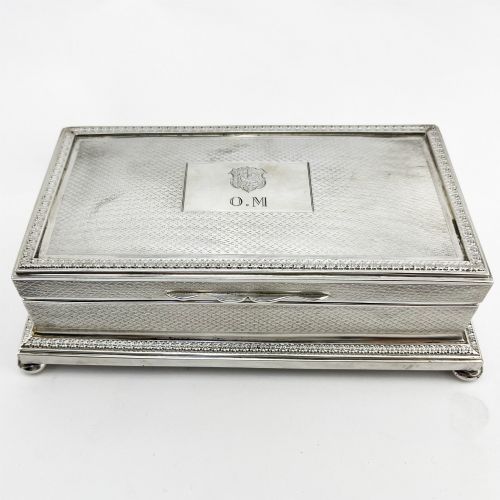
The selections available here lean towards pendants, lockets, signet rings, and wax seals rather than larger pieces. Buyers frequently encounter smaller wearable items alongside desk accessories and trinket boxes bearing distinct letterforms.
Origins span English and French workshops, utilising materials from 9ct and 15ct gold to sterling silver and cut steel. Each item reflects the aesthetic movements of its era, including Aesthetic Period designs and French Belle Epoque styles.
Materials and construction
Makers shaped these items using yellow gold, 18k rose gold, sterling silver, and steel, often embellishing designs with seed pearls or hair work. Metalworking techniques included hand engraving, chasing, and the setting of cut steel.
Objects like wax seals and signet rings required careful shaping of the metal matrix to ensure the engraved monogram produced a crisp impression. Pendants and lockets combined hinges, glass compartments, and applied gold initials.
Object forms span practical desk accessories and wax seals alongside wearable jewellery like signet rings and lockets.
Distinctions in quality
Quality rests upon the crispness of the engraved monogram and the structural integrity of the precious metal mount. Deeper, more intricate hand engraving on 15ct gold or 18k rose gold indicates superior craftsmanship compared to shallow machine marks.
The preservation of original elements, such as seed pearls or glass hair compartments, determines the integrity of pieces like memorial rings and lockets. Finer examples maintain unrubbed letterforms and secure settings across the piece.
The Antique Monogrammed Jewellery Glossary
- Monogram
- A motif made by overlapping or combining two or more letters to form a single symbol. These appear engraved on seals, lockets, and rings.
- Wax Seal
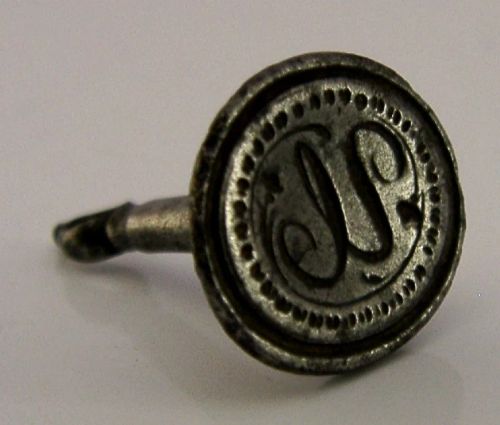
- A device with an engraved matrix used to impress a seal into molten wax. Examples in steel and silver frequently feature carved initials.
- Locket
- A small ornamental pendant that opens to reveal a space for a portrait or lock of hair. Edwardian and Victorian versions often featured initial ciphers on the exterior.
- Signet Ring
- A ring bearing a carved or raised monogram used historically to stamp documents. These were cast in yellow gold and other precious metals.
- Seed Pearl
- A very small natural pearl used in Victorian jewellery. They embellish initial sliders and memorial pieces.
Antique Monogrammed Jewellery: Frequently Asked Questions
What is antique monogrammed jewellery?
Antique monogrammed jewellery consists of personal adornments and accessories marked with carved, engraved, or applied initials. These items include rings, pendants, seals, and lockets created during the Georgian, Victorian, and Edwardian eras.
Items often served a practical or sentimental purpose, combining personal identification with the prevailing decorative styles of French and English makers.
How do I date these pieces?
Dating relies on material composition, hallmark evidence, and stylistic markers specific to periods like the Georgian era or French Belle Epoque. Steel and silver dominate earlier Georgian pieces, while 15ct and 9ct gold become common in Victorian and Edwardian work.
Construction methods, such as the hinge style on a locket or the bezel setting of a signet ring, further help establish the period of manufacture.
What materials were used?
Makers utilised yellow gold, 18k rose gold, 15ct gold, 9ct gold, sterling silver, and cut steel. Decorative additions included seed pearls and hair compartments for memorial purposes.
Precious metals were selected based on the status of the item and the period aesthetic, ranging from bright yellow gold to polished steel.
How were wax seals used?
Wax seals were pressed into heated sealing wax to authenticate letters and documents. The matrix at the base was engraved in reverse so the stamped impression read correctly.
Many examples double as fob pendants designed to hang from a watch chain, incorporating personal initials or monograms.
How should I care for them?
Care involves gentle cleaning suited to the specific metal and avoiding harsh chemical dips that damage seed pearls or historic gilding. Storing pieces separately prevents scratching between metal components and glass locket covers.
Checking hinges on lockets and the security of applied gold initials ensures these delicate personal items survive intact.