


Antique Monochrome Engraving
An antique monochrome engraving brings historic portraiture and classical design into domestic spaces through timeless works on paper.
Antique Monochrome Engraving
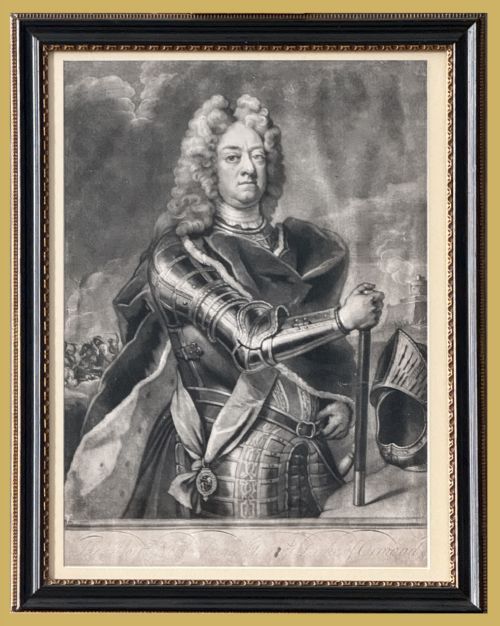
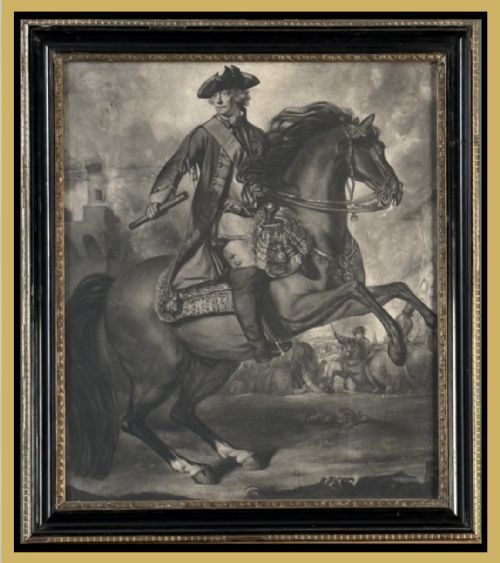
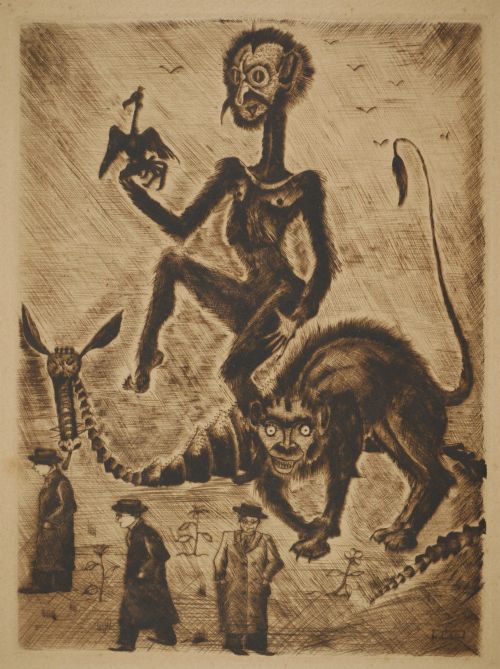
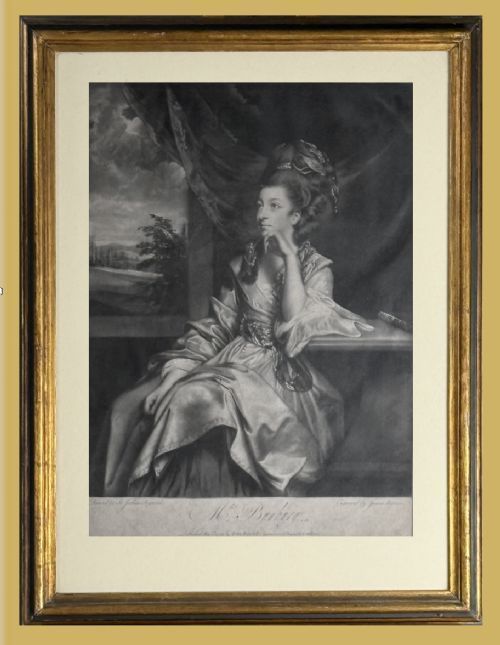
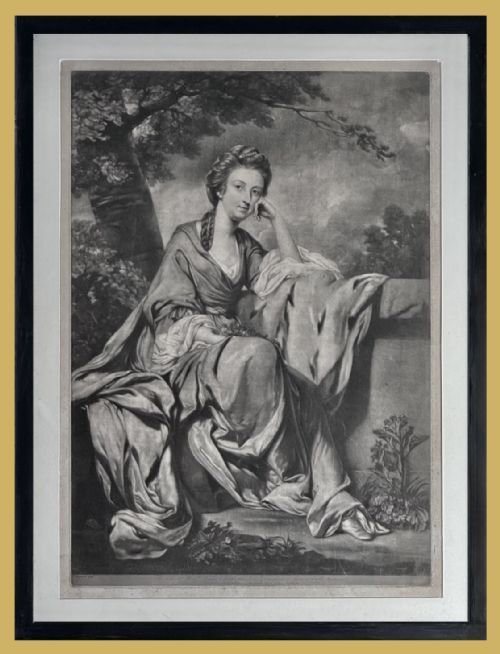
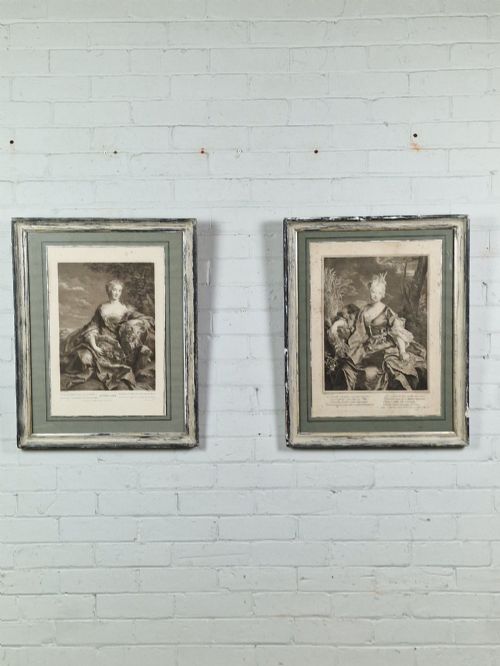
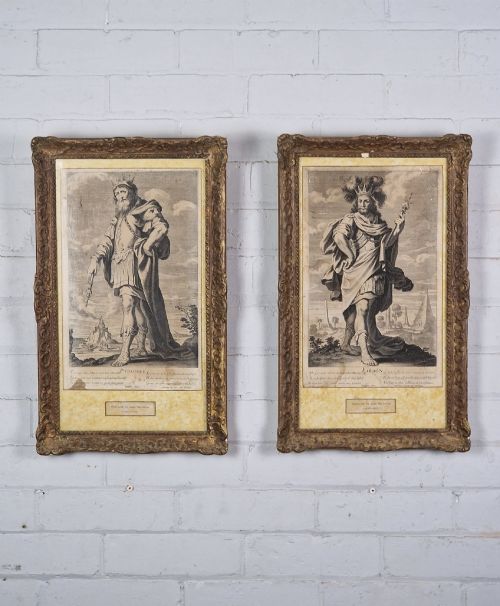
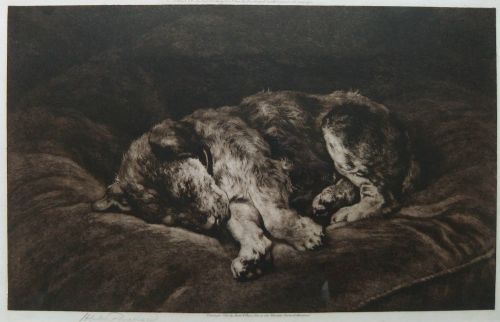
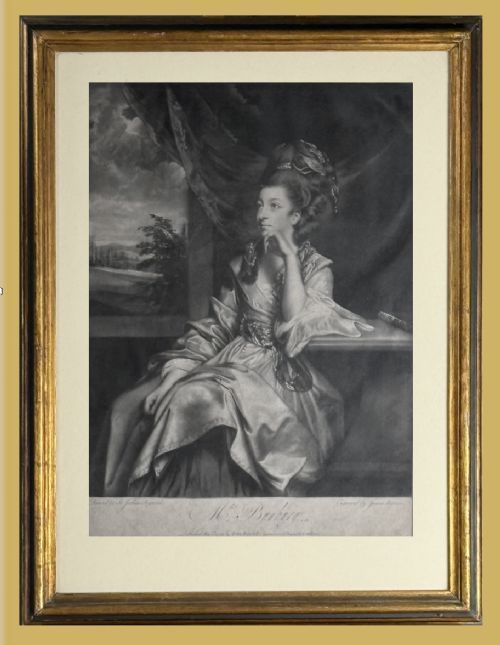
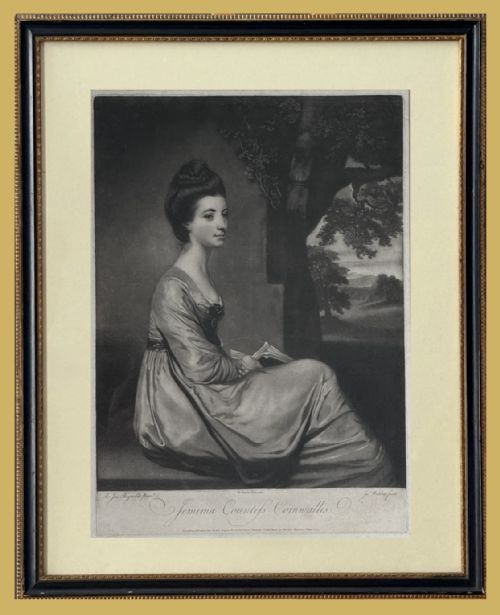
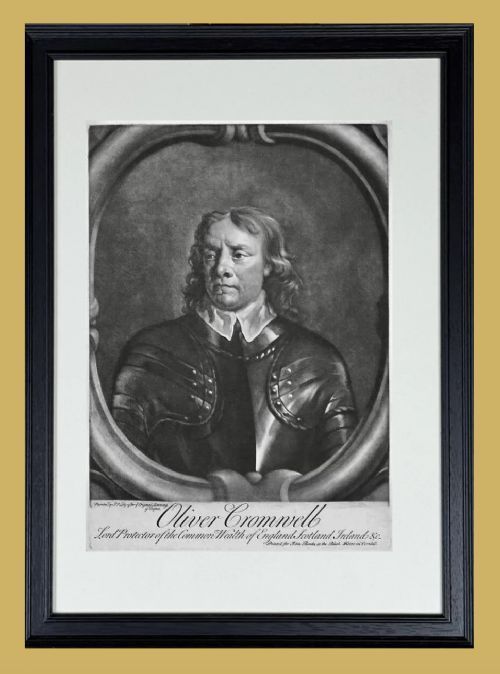
Collectors seeking an antique monochrome engraving typically encounter framed portraiture, anatomical plates, and classical subjects spanning several centuries. The selection on this page centres heavily on eighteenth-century mezzotints and etchings, alongside seventeenth-century prints and early twentieth-century drypoints.
These works frequently depict notable historical figures, royals, and aristocrats rendered after prominent painters such as Sir Joshua Reynolds and Sir Peter Lely. Alongside portraiture, buyers find architectural plates, maps from global voyages, and mythological scenes housed behind glass.
Framed prints and wall art dominate the physical formats available, preserved within wooden mouldings including oak and gilt wood frames. The visual weight of these pieces relies entirely upon ink variations on paper rather than polychrome pigments.
Materials and Techniques
The creation of these works relies fundamentally upon paper substrates receiving impressions from inked metal plates, utilising copper or steel matrices. Artisans applied ink meticulously into engraved lines, etched grooves, or roughened mezzotint grounds before passing the dampened paper through a rolling press.
Framing materials complete the physical object, incorporating traditional timbers such as oak alongside decorative gilt leaf and glass to protect the delicate paper surface. These framing elements range from period mouldings to later twentieth-century surrounds.
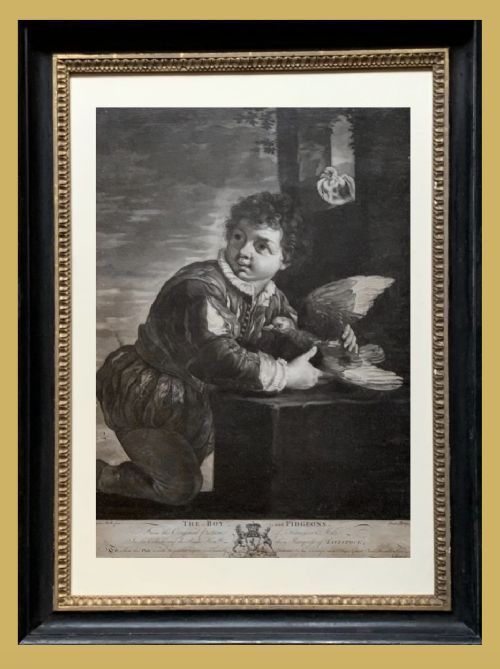
Pigeons share framing space with historical admirals and weeping angels across these centuries of ink.
Assessing Print Quality and Preservation
Quality in these works is dictated by the crispness of the plate impression and the richness of the ink tones across the paper surface. Early impressions taken before the metal plate experienced wear exhibit deep tonal gradations and sharp linear details.
The survival of the paper substrate and the fidelity of the margins heavily influence the standing of any given piece. Strong impressions accompanied by legible maker inscriptions and contemporary framing elevate the overall integrity of the work.
John Simon·Edward Fisher·John Boydell·James Watson·John Smith·John Faber Jr·Valentine Green·Herbert Dicksee
The Antique Monochrome Engraving Glossary
- Mezzotint
- A printmaking process where the copper plate is roughened uniformly to produce rich dark tones, and scraped to create highlights. This method allows for subtle gradations of light and shade.
- Etching
- A technique where lines are bitten into a metal plate with acid before being inked and printed onto paper. Artists draw freely through a protective ground to expose the metal.
- Drypoint
- A sharp needle is scratched directly into the metal plate to raise a ragged ridge of metal called burr. This burr holds extra ink during printing to create velvety, soft lines.
- Gilt Wood
- Timber frames coated with a thin layer of gold leaf or metallic powder. This finish adds a reflective border to frame monochrome works.
Antique Monochrome Engraving: Frequently Asked Questions
How should I hang antique engravings?
Protect these works from direct sunlight to prevent the paper from yellowing and the ink from fading over decades of display. Hang them on interior walls using secure picture hooks suited to the weight of the wooden frame.
Maintain stable room temperatures and avoid humid spaces such as kitchens or unheated areas. Consistent environments prevent the paper substrate and wooden frames from warping or developing foxing spots.
What is a mezzotint portrait?
A mezzotint is a tonal printmaking method that builds rich dark areas and smooth gradients without relying on traditional line work. Printmakers roughened the metal plate thoroughly and scraped away areas to generate light.
This technique proved popular for reproducing oil paintings by masters like Sir Joshua Reynolds. The resulting prints offered remarkable depth and shadow suited to aristocratic portraiture.
How do I identify the age of a print?
Examine the paper characteristics, plate marks, and any engraved text naming the publisher, artist, and printmaker at the lower margin. Seventeenth and eighteenth-century papers often display distinct watermarks and laid chain lines when held to the light.
Typography styles and biographical dates associated with the sitters also provide reliable clues for dating. Comparing the plate details against known historical records confirms the production era.
Are these prints original period pieces?
The listings comprise works printed during the stated historical periods, ranging from seventeenth-century impressions to early twentieth-century etchings. Each piece represents the graphic techniques and aesthetic standards of its respective era.
Original antique prints carry the physical evidence of period paper and plate wear unique to historical manufacturing methods. Catalogued dates reflect the operational years of the printmakers and publishers involved.