
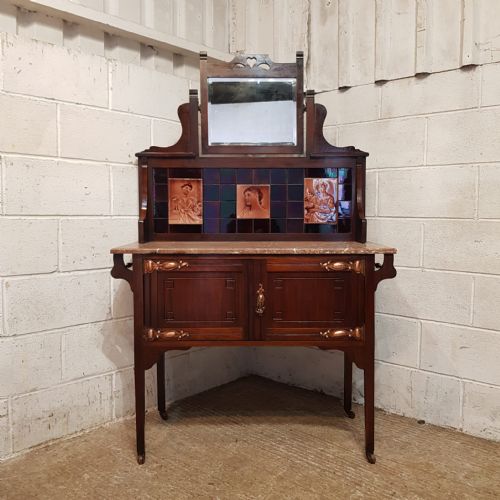
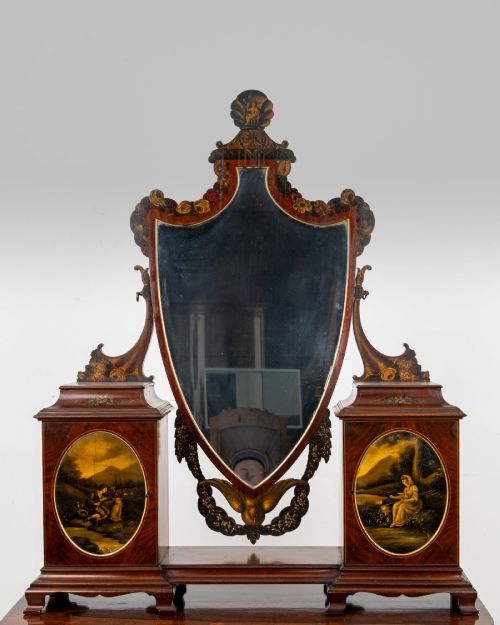


Antique Mirrored Top Cabinet
An antique mirrored top cabinet brings light and reflection into a room, combining practical storage with decorative glass surfaces.
Antique Mirrored Top Cabinet
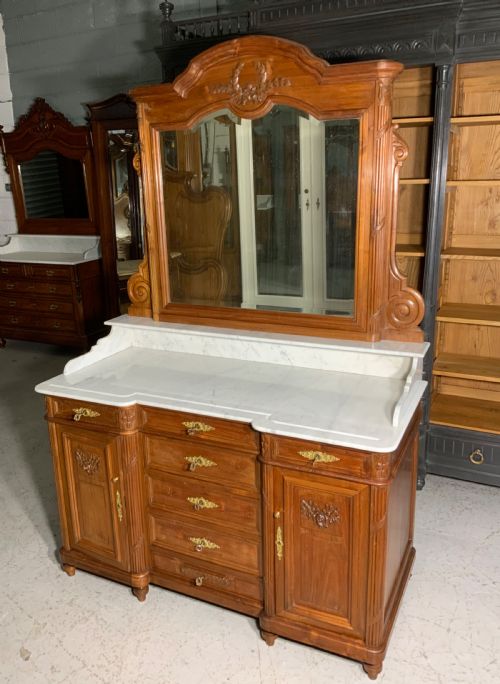
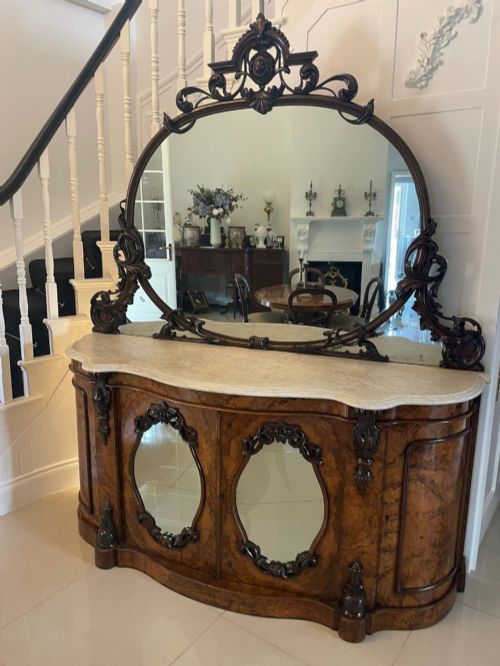
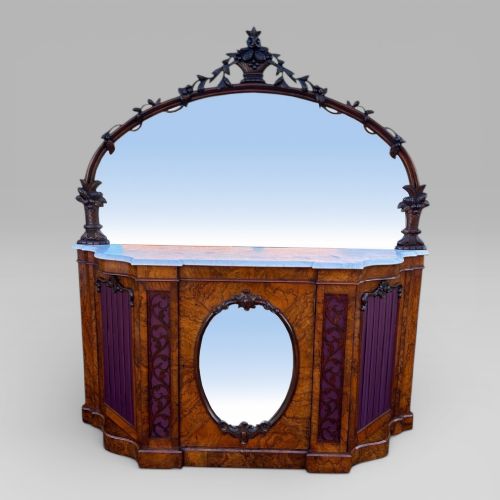
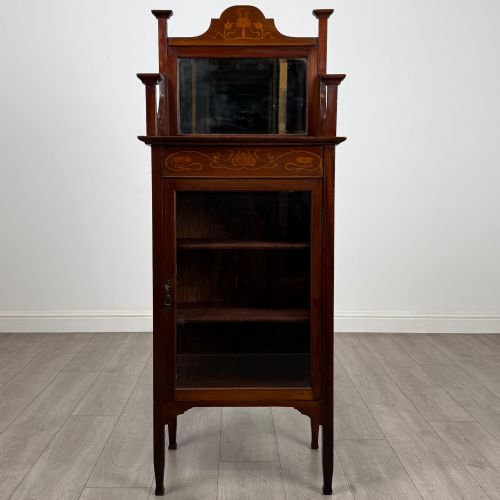
An antique mirrored top cabinet comprises various forms including sideboards, credenzas, chiffoniers, and display pieces from periods such as the Victorian, Edwardian, and Georgian eras. These pieces often feature glass, marble, or wood surfaces paired with reflective mirror backs or mirrored tops.
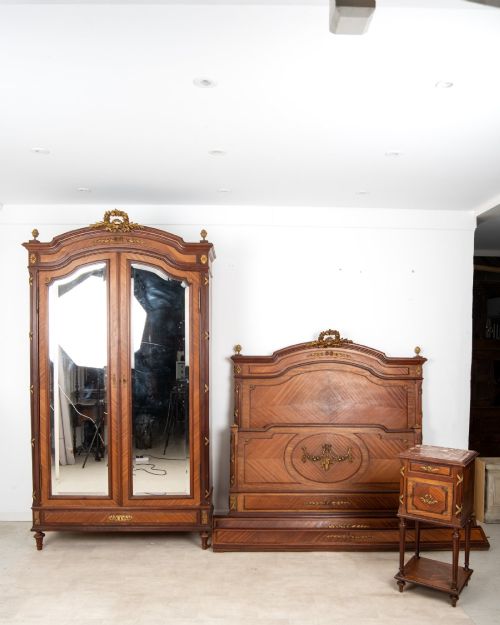
Buyers seeking this phrase encounter items spanning the 18th, 19th, and early 20th centuries, executed in woods like mahogany, walnut, rosewood, and kingwood. Many incorporate revival styles, including Louis XV and Louis XVI, alongside Art Nouveau and Queen Anne influences.
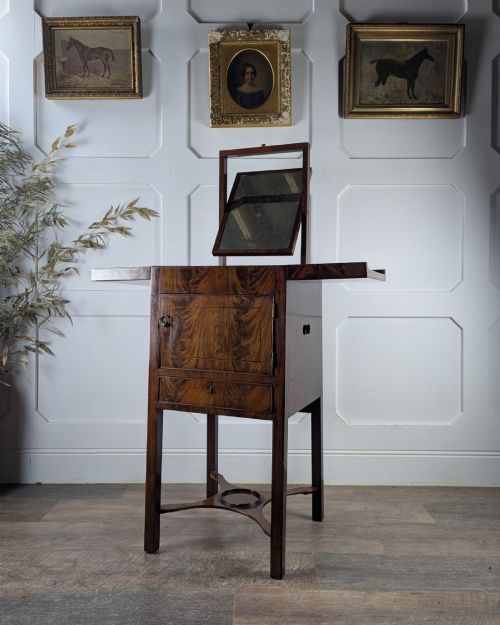
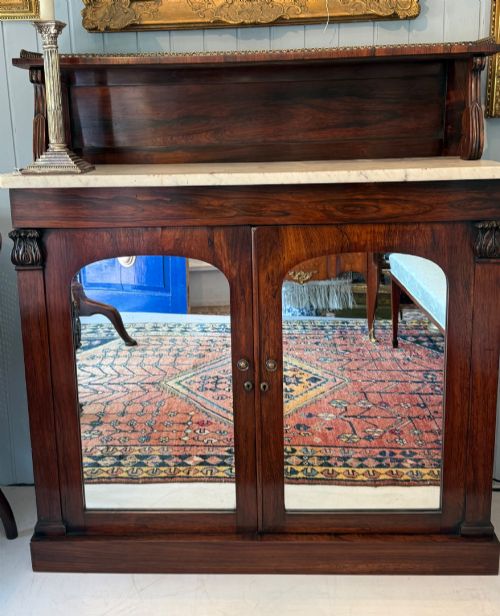
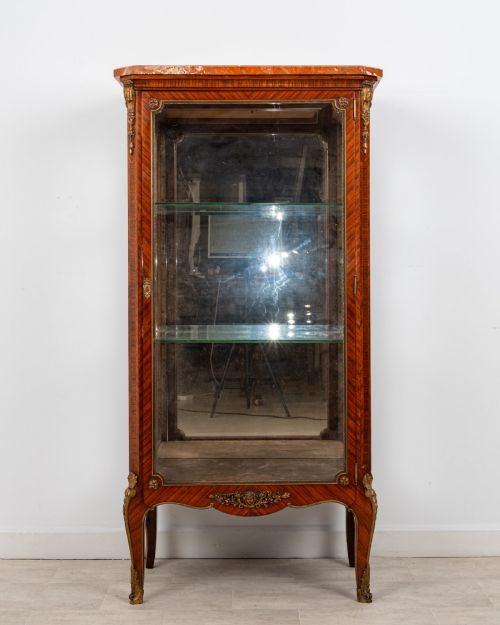
The primary forms found in these listings are credenzas and sideboards with mirrored backs, alongside smaller table top cabinets, washstands, and vitrines. Each variant uses the mirror element to amplify light and display decorative objects or fine porcelain.
Materials and construction
Cabinet makers constructed these pieces using dense hardwoods such as mahogany, walnut, burr walnut, rosewood, and kingwood, frequently applying intricate marquetry inlay or veneers. Ormolu mounts, brass details, and marble tops appear across various Victorian and French revival pieces.
Mirror glass was integrated into back panels, upper display sections, or set directly into table tops, supported by carved wooden frames or brass fittings. Joinery techniques varied from traditional solid wood construction to finely fitted veneered surfaces on carcases of oak and pine.
Music cabinets with brass details and folding washstands demonstrate the Victorians' dedication to compartmentalised daily life.
Distinctions in quality
Quality in these cabinets rests upon the selection of timber veneers, such as figured burr walnut or kingwood, and the precision of marquetry inlay. Superior pieces exhibit crisp hand-carving on wooden frames and high-grade ormolu or brass mounts.
The integration of the mirror component distinguishes finer examples, where bevelled glass and secure original backing demonstrate superior craftsmanship. The inclusion of original marble tops and intact porcelain mounts further elevates the standing of a piece.
François Linke·G. Durand
The Antique Mirrored Top Cabinet Glossary
- Credenza
- A low cabinet or sideboard, often featuring mirrored backs, glass doors, and decorative marquetry, popular during the Victorian period. They provide surface display space and enclosed shelving.
- Ormolu
- Gilded bronze mounts applied to furniture for decorative effect, frequently seen on French revival and kingwood display cabinets. The technique creates a bright metallic contrast against dark wood.
- Vitrine
- A glass-fronted display cabinet designed for showing porcelain, silver, or small collectibles. These pieces often incorporate mirrored interiors to enhance light distribution.
- Marquetry
- Decorative veneer work created by fitting small pieces of contrasting wood, shell, or ivory into patterns on a wooden surface. It appears on Edwardian and Victorian inlaid cabinets.
- Chiffonier
- A compact sideboard or cabinet equipped with shelving and frequently a mirrored back or superstructure. Originating earlier, these pieces remained popular through the 19th century.
Antique Mirrored Top Cabinet: Frequently Asked Questions
What periods do these cabinets come from?
The listings span several centuries, with particular representation from the Victorian and Edwardian eras alongside 19th century French styles. Earlier examples reach back to the Georgian and early 18th century periods.
woods used across these eras include mahogany, walnut, rosewood, and kingwood, often accompanied by marble tops and mirrored glass.
How were mirrored top cabinets used?
These cabinets served multiple functions in period interiors, acting as display surfaces for porcelain and silver while reflecting light around the room. Larger versions functioned as sideboards and credenzas in dining rooms and parlours.
Smaller table top versions and chiffoniers provided specialised storage for jewellery, music, or small decorative objects.
Are these pieces French or English?
The selection includes both English and French examples, with distinct regional stylistic traits. French pieces frequently display Louis XV and Louis XVI revival designs with kingwood and ormolu mounts.
English pieces tend to feature Victorian burr walnut, Edwardian mahogany inlay, and Georgian cabinet work.
What materials are most common?
Mahogany and walnut form the structural core of many pieces, often enhanced by burr walnut veneers, rosewood, and kingwood. Marble tops and brass or ormolu mounts frequently accompany the glass mirror components.
Secondary woods such as oak and pine appear in the internal construction of carcases and drawers.