
Antique Mirrored Furniture
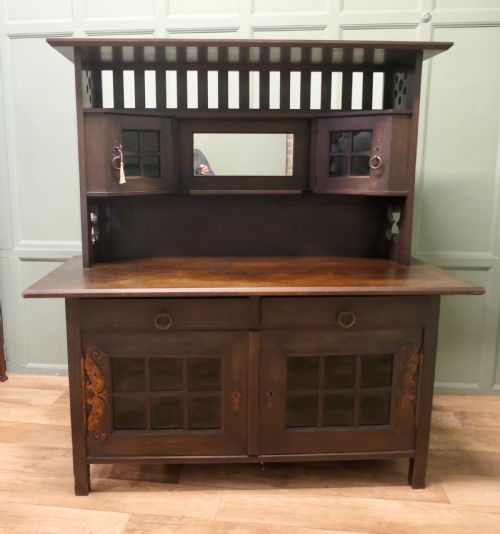
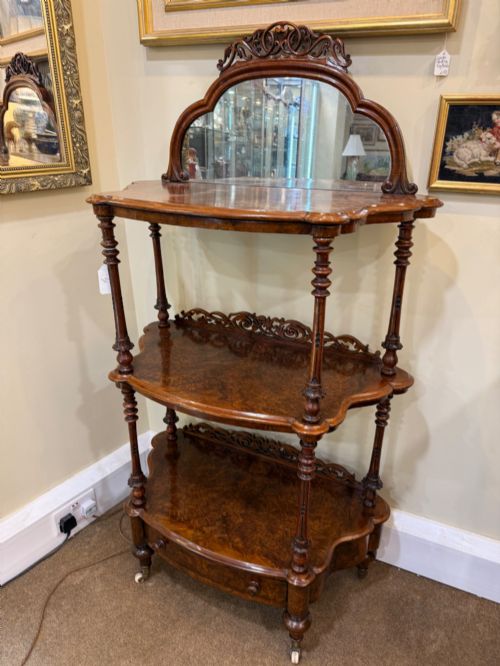
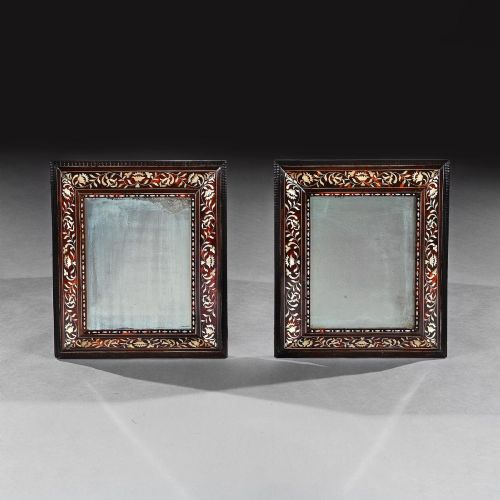
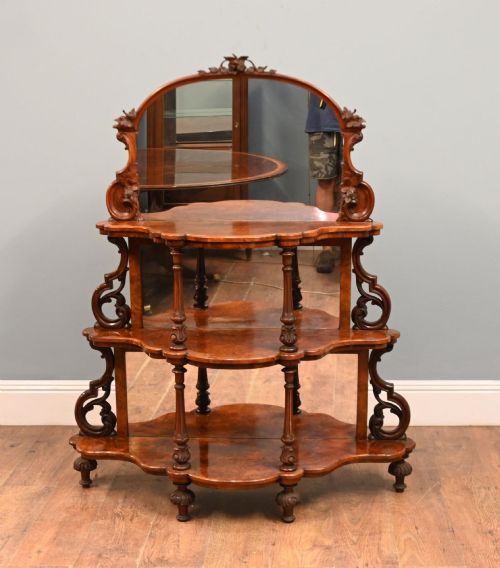
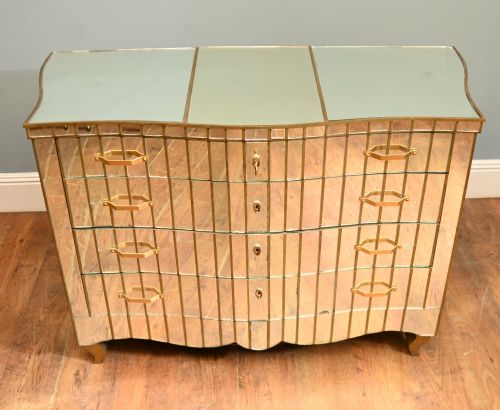
Antique mirrored furniture brings light and reflection into a room through glass integrated into mahogany, walnut and oak frames.
Antique Mirrored Furniture
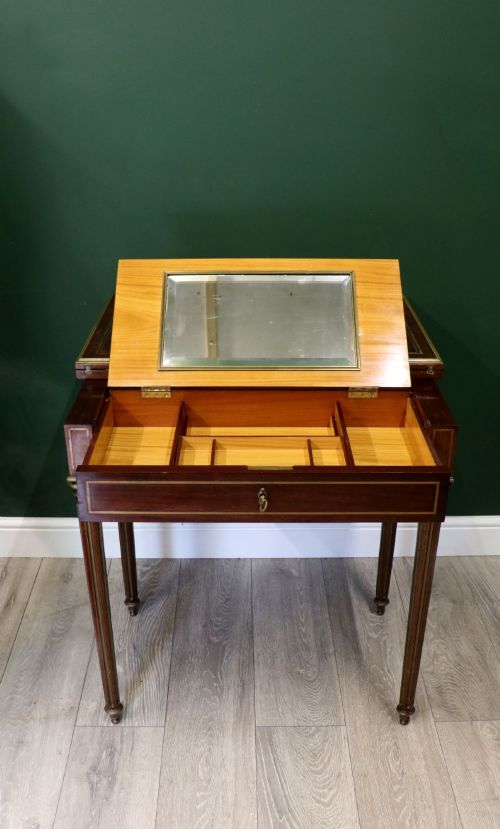
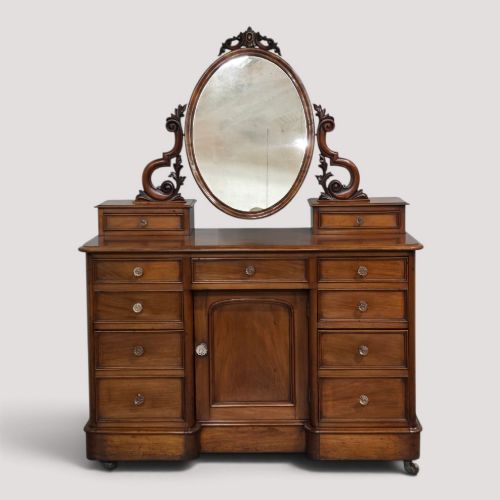
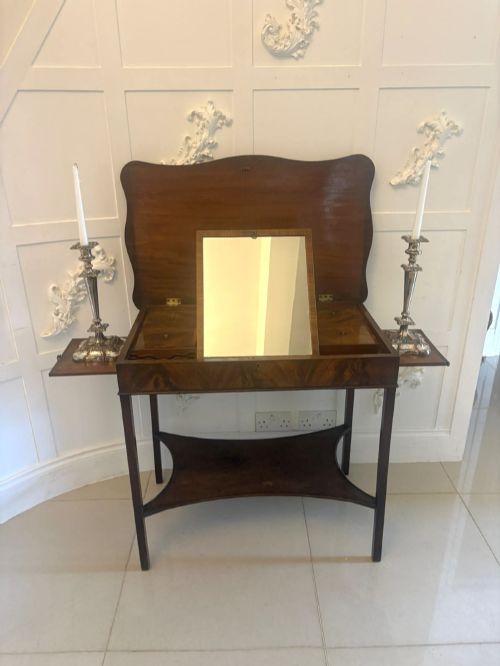
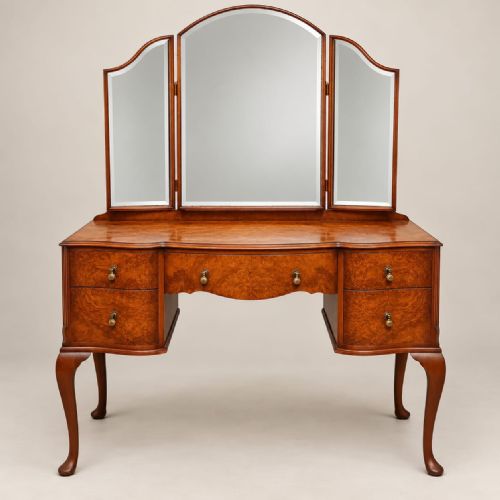
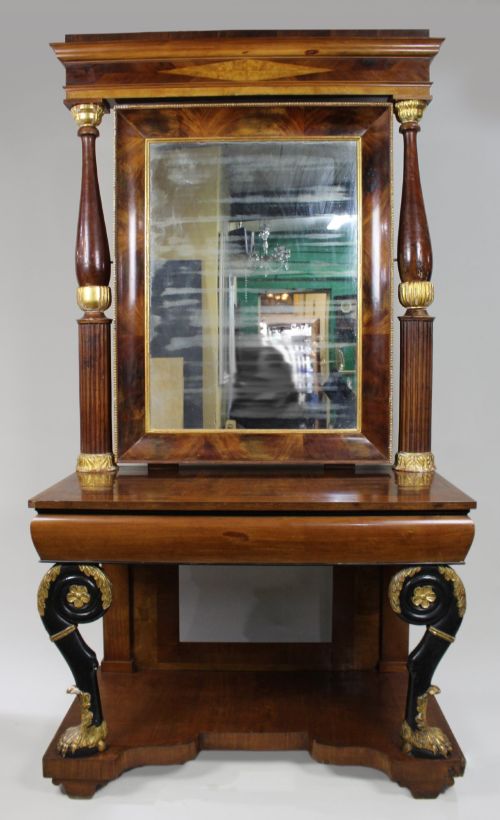
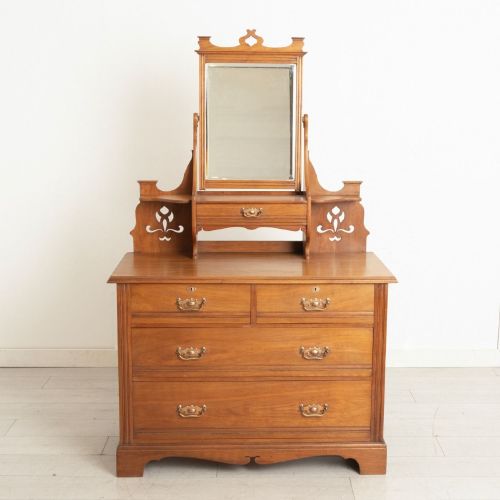
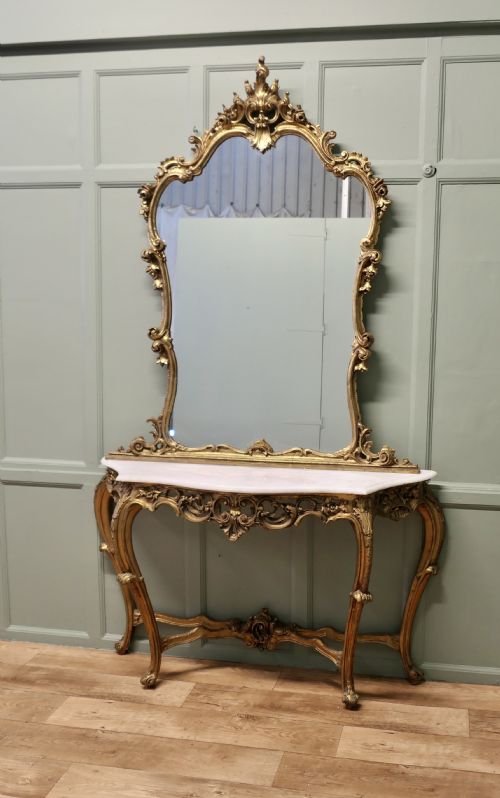
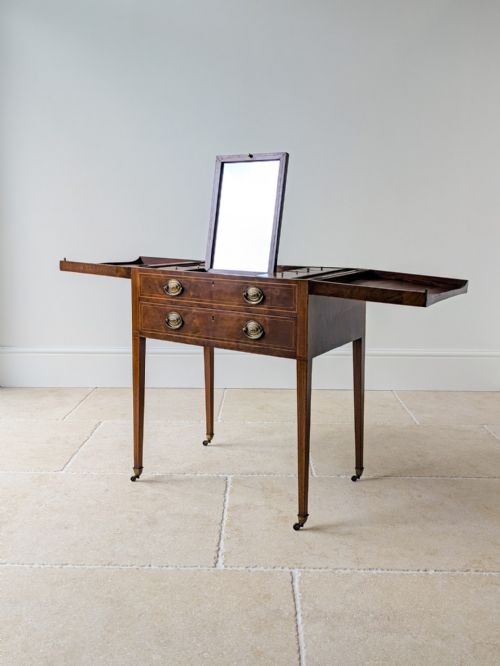
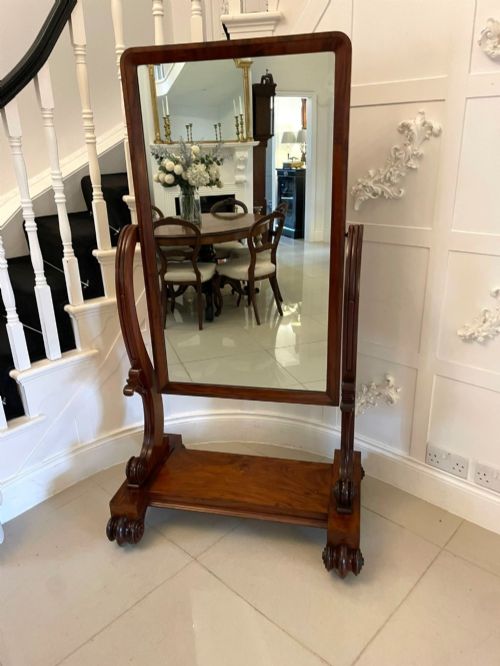
When you search for antique mirrored furniture, you encounter pieces that combine functional wooden construction with reflective glass surfaces. Dressing tables, console tables, sideboards and cheval mirrors dominate the forms available here.
The pieces span multiple centuries, stretching from Georgian designs through Victorian and Edwardian periods up to Art Deco creations. Oak, mahogany and walnut provide the structural support for the inset or backing mirrors.
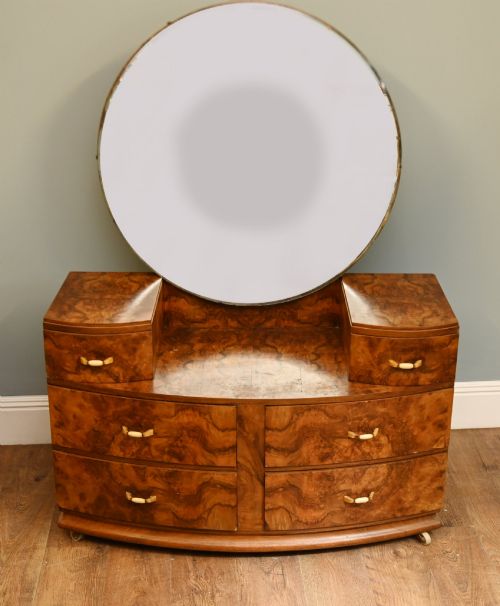
Victorian mirror-back sideboards and 1930s dressing tables appear frequently within the selection. These items served practical domestic purposes while visually expanding interior spaces through reflection.
Materials and construction
Cabinetmakers utilised dense hardwoods such as mahogany, walnut and oak to support heavy glass panels and mirrors. Inlays of rosewood, maple and brass often decorated the surfaces alongside carved wooden detailing.
Glass was cut and silvered to fit specific furniture outlines, from large cheval mirror plates to smaller console table tops and sideboard backs. Joinery techniques ensured frames remained stable under the weight of the reflective panels.
Some hall stands double as umbrella repositories and coat racks, greeting visitors with immediate self-reflection.
Judging quality in mirrored pieces
The clarity and original condition of the glass separate superior examples from standard items. Silvering degradation alters the reflection, whereas well-preserved glass maintains crispness across the entire surface.
Cabinetwork precision dictates the integrity of the piece, particularly where wooden frames meet heavy mirror glass. Fine timber selection, such as figured walnut or Cuban mahogany, denotes higher workshop standards.
Shoolbred and Co
The Antique Mirrored Furniture Glossary
- Cheval mirror
- A freestanding full-length mirror hung in a frame that allows it to tilt. These standing glasses are typically supported by four splayed legs.
- Console table
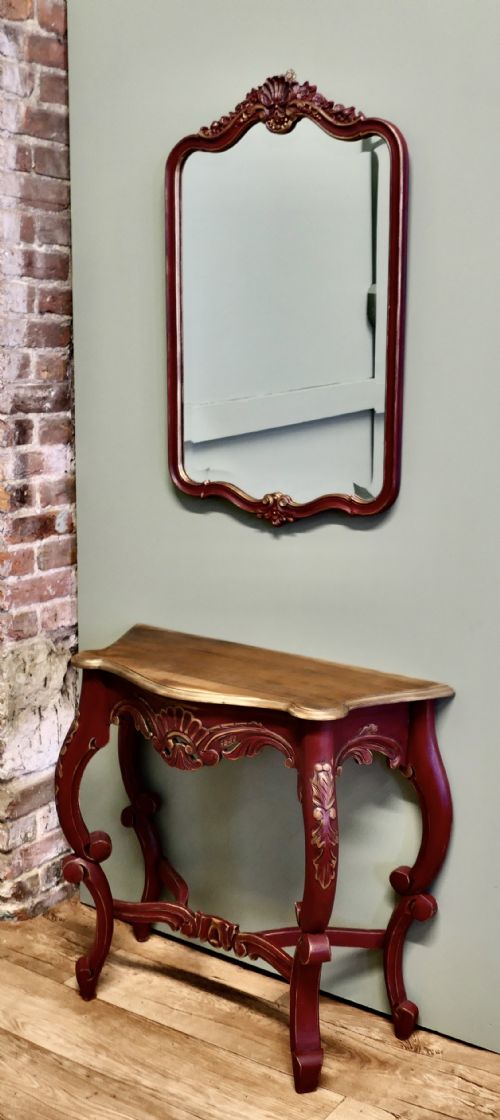
- A table designed to fit against a wall, frequently paired with a matching wall mirror above it. These tables often feature decorative legs and marble or wooden tops.
- Bureau bookcase
- A writing cabinet with a sloping fall-front desk combined with upper shelving or cupboard space. Walnut and mahogany examples often incorporate mirrored door panels.
- Hall stand
- A piece of hallway furniture combining coat hooks, umbrella stands and a central mirror. They organise entranceways while providing a reflective surface before leaving the house.
Antique Mirrored Furniture: Frequently Asked Questions
How do I clean antique mirrors?
Use a soft cloth with a mild, non-ammonia cleaning solution applied to the cloth rather than directly onto the glass. Avoid harsh chemical sprays that can seep behind the frame and damage the silvered backing.
Take care around the edges of antique glass where the original silvering is often fragile. Gentle maintenance preserves the reflective surface and the surrounding wooden frame.
Where should I place a cheval mirror?
Position the piece in a bedroom or dressing area where adequate floor space allows the tilting frame to function safely. Placing it near a natural light source helps bounce illumination around the room.
Ensure the floor beneath the feet is level to prevent strain on the pivoting joints. Heavy mahogany or walnut frames require stable placement to maintain balance.
How do I date a mirror-back sideboard?
Examine the timber species, drawer construction methods and carving styles to establish the period. Victorian and Edwardian pieces frequently employ mahogany or oak with substantial mirror attachments.
Check the reverse of the sideboard for construction marks and the condition of the wood screws. Hand-cut joints and original backboards offer reliable clues to the manufacturing era.
Can I use a console table in a hallway?
Console tables fit narrow spaces well because their shallow depth leaves walkways clear. Placing a matching mirror above the table creates a functional focal point for entranceways.
Ensure the wall fixings for any accompanying pier mirror are secure. The combined weight of the table and glass requires stable anchoring.