
Antique Mirrored Desk
An antique mirrored desk brings reflective depth and period craftsmanship into a room, offering a functional writing surface paired with historic glass.
Antique Mirrored Desk
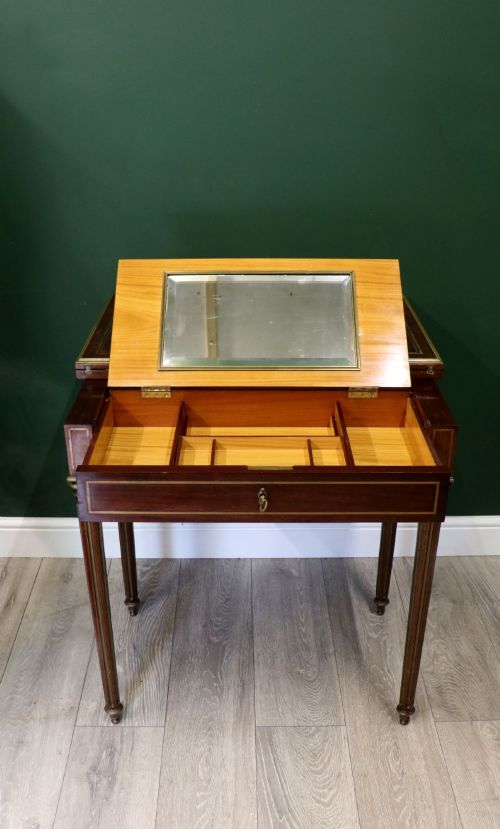
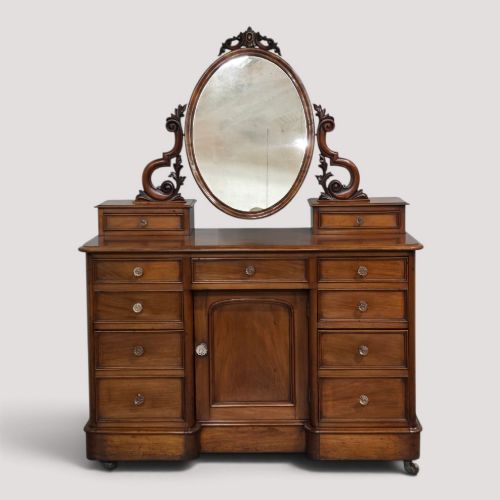
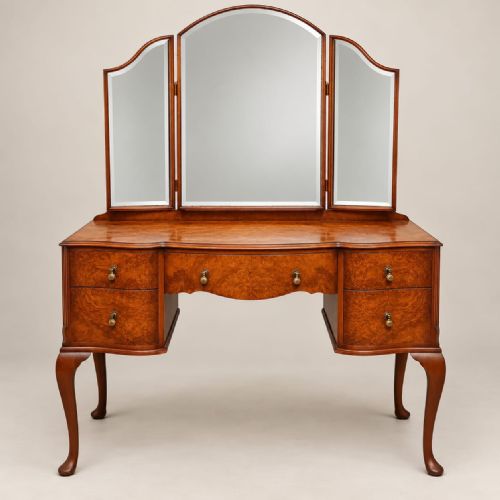
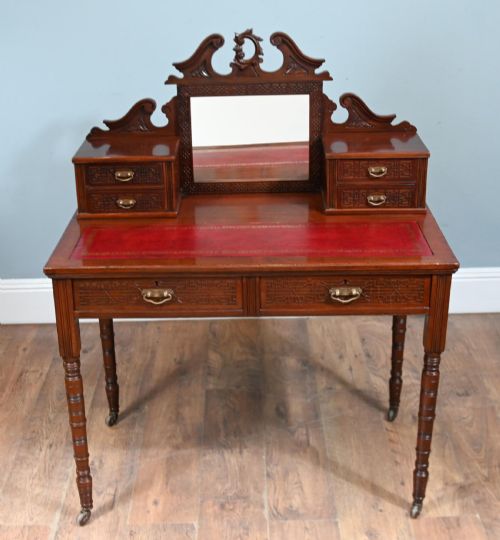
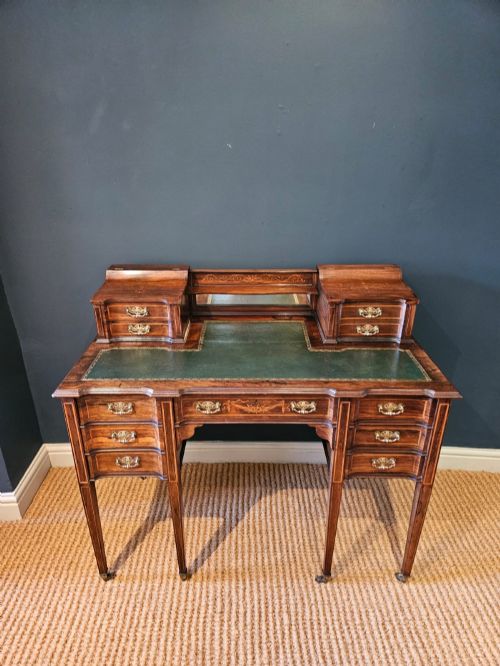
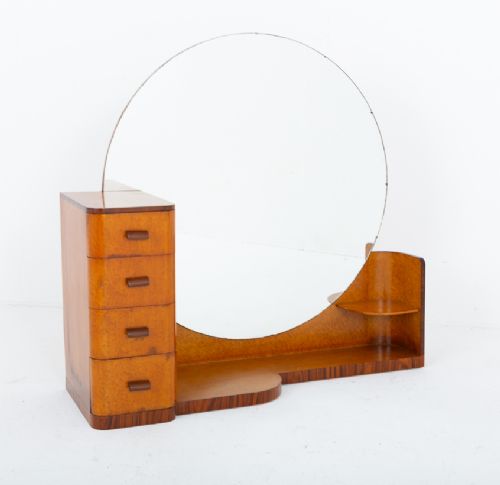
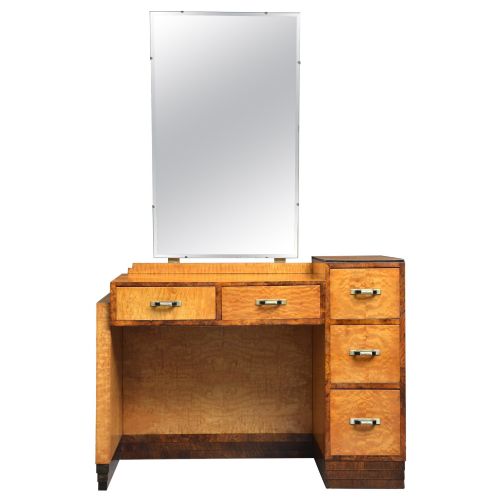
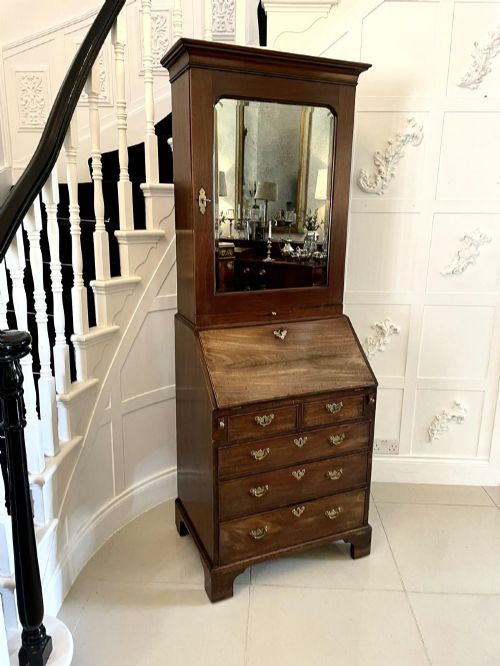
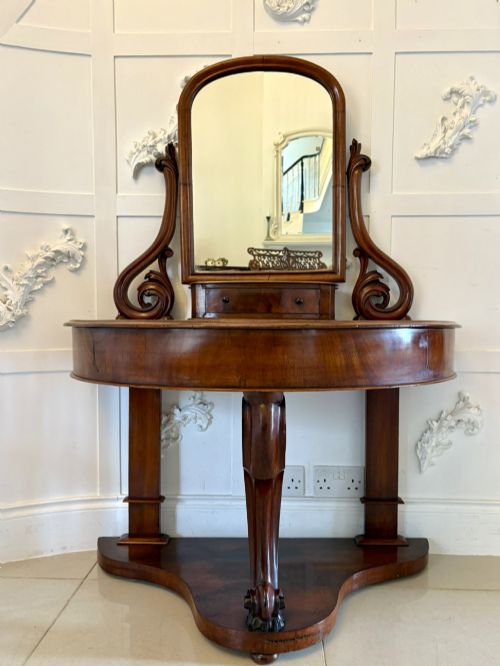
Buyers seeking an antique mirrored desk encounter a variety of forms rooted in historic writing furniture and dressing surfaces, spanning the 18th century through the Art Deco era. The listings reveal that while standalone desks appear, many pieces combine writing compartments or bureaus with integral mirrors, dressing tables, and vanity tables.
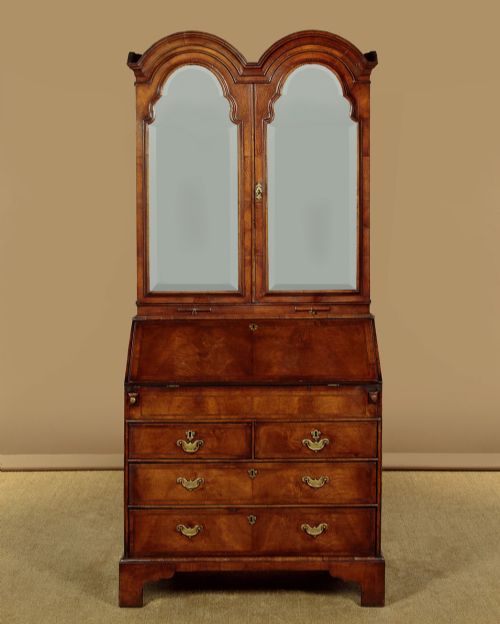
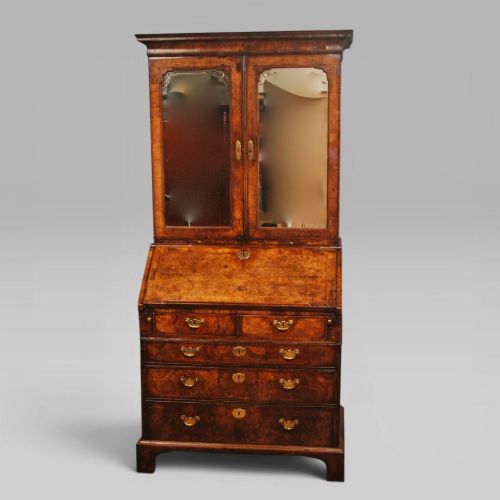
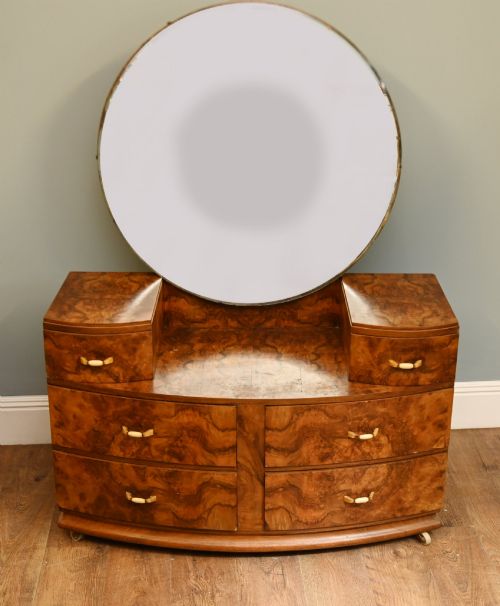
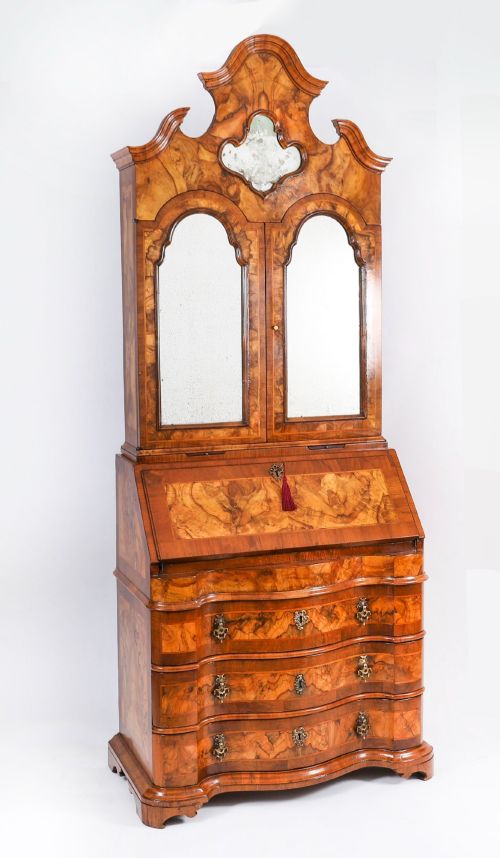
The pieces originate from diverse stylistic traditions, including Georgian, Victorian, Edwardian, and Art Deco periods, utilising timber frames paired with glass. Craftsmanship ranges from 18th-century burr walnut bureau bookcases to 1930s maple and walnut dressing tables fitted with mirrors.
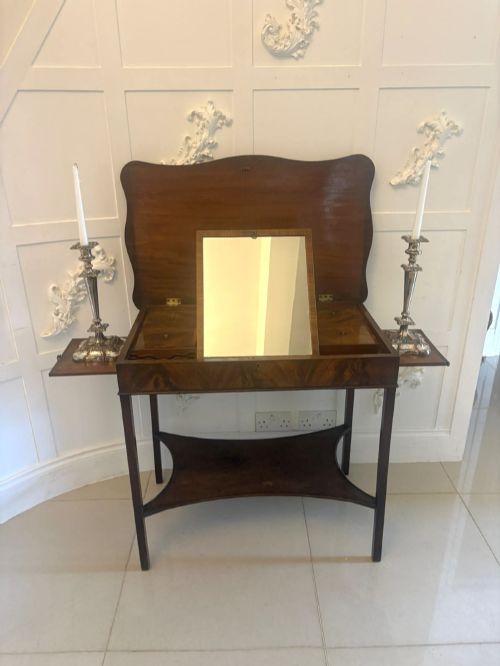
On this page, buyers are most likely to meet dressing tables, bureau bookcases, and vanity tables featuring integrated glass mirrors rather than strict pedestal writing desks. These pieces bridge the gap between functional writing furniture and reflective dressing ware.
Materials and construction
Cabinetmakers constructed these pieces primarily using solid and veneered hardwoods such as mahogany, walnut, burr walnut, oak, and satinwood, often enhanced with boxwood stringing or featherbanding. The integration of mirror glass required precise rebated frames to secure the silvered plates safely within the timber structure.
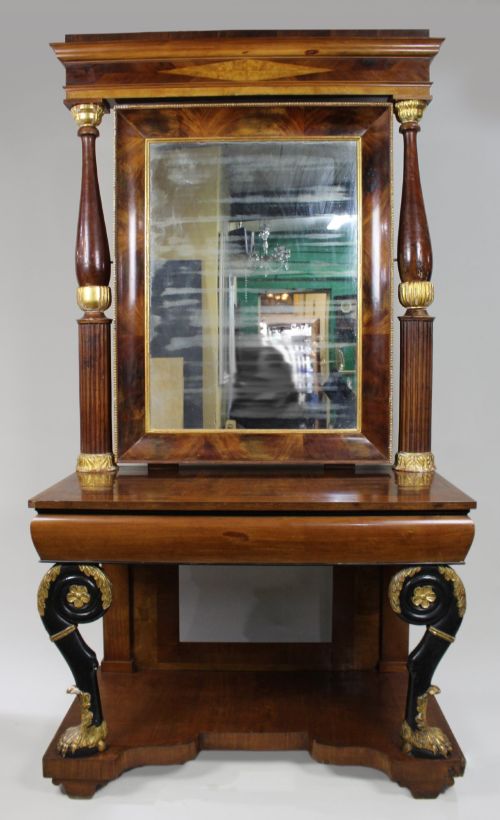
Surface ornamentation relied heavily on timber selection, showcasing figured grains, lacquering, or ormolu mounts, alongside carved mahogany or giltwood details. Joinery techniques varied from traditional dovetailed drawer construction to specialised framing for adjustable shield mirrors and triple mirror arrangements.
The listings on this site feature pieces from the 17th, 18th, 19th, and 20th centuries, utilising mahogany, walnut, burr walnut, oak, and satinwood.
Distinctions in standard
Quality rests upon the selection of timber veneers and the clarity of the mirror glass, where finely figured burr walnut or satinwood elevates a piece above plain secondary woods. The depth of hand-carved details, the crispness of brass or ormolu mounts, and the integrity of original drawer linings distinguish finer workshops from standard production.
Construction methods also dictate standard, seen in the seamless operation of adjustable mirror brackets, the precise fit of bureau compartments, and the survival of original glass plates. Pieces retaining undisturbed historic finishes and maker labels demonstrate greater integrity than heavily restored examples.
Heals·Louis Auguste Moreau·Maples of London and Paris
The Antique Mirrored Desk Glossary
- Burr walnut
- A prized timber harvested from the wart-like growths on walnut trees, yielding intricate, swirling grain patterns. Cabinetmakers utilised these veneers on prominent surfaces of high-status furniture.
- Bureau bookcase
- A piece combining a sloping writing flap that encloses small drawers and pigeonholes with a shelving cabinet above. This form spans the 17th, 18th, and Georgian periods.
- Featherbanding
- A decorative inlay technique where narrow strips of veneer are laid in a herringbone pattern around the borders of drawer fronts or table tops. It requires immense skill to execute tightly.
- Ormolu
- Gilded bronze ornamentation applied to furniture, frequently seen on French Empire pieces. The technique involves a mercury gilding process that creates a rich metallic lustre.
- Shield mirror
- A dressing glass shaped like a heraldic shield, typically mounted on pivoted pins between upright supports. This form is common on Edwardian dressing chests.
Antique Mirrored Desk: Frequently Asked Questions
What is an antique mirrored desk?
An antique mirrored desk or related vanity piece is a historic item of furniture that integrates a writing surface or compartment with a glass mirror. These items span various centuries and stylistic movements.
Buyers often find that pieces combining bureau compartments with mirrors or dressing tables serve multiple functions within a modern interior.
How do I date an antique dressing table?
Dating relies on identifying the prevailing style, timber choices, and construction methods characteristic of periods such as the Georgian era, the Victorian period, or the 1930s Art Deco movement. Secondary wood usage and hardware also offer chronological clues.
Examining the mirror plate itself, including its bevelling and silvering method, assists in confirming whether the glass is original to the timber frame.
How were these pieces used historically?
Historically, pieces combining writing surfaces and mirrors functioned in bedrooms and dressing rooms for correspondence, journaling, and personal grooming. Bureau bookcases provided secure storage for documents alongside display space for books.
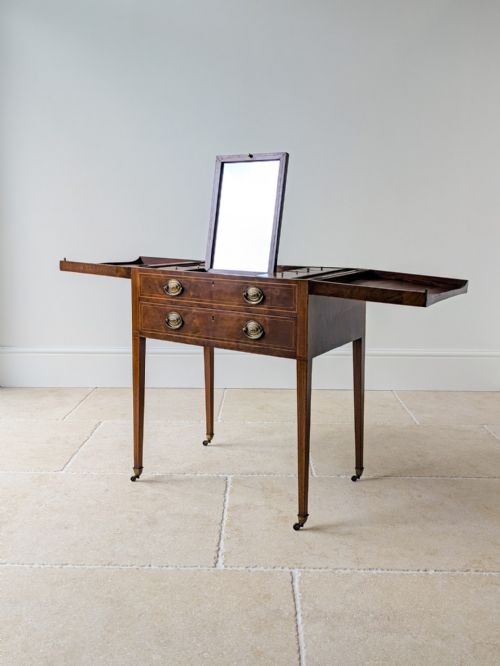
The inclusion of folding surfaces and adjustable mirrors allowed users to adapt the furniture for writing or grooming throughout the day.
How do I care for antique mirror glass?
Maintaining historic mirror glass requires avoiding harsh chemical cleaners that can damage the silvered backing or seep into the surrounding timber frame. A soft, dry microfibre cloth removes dust safely.
Protecting the piece from direct sunlight and excessive humidity prevents the wooden frame from warping and safeguards the delicate bond between the glass and its backing.