


Antique Mirror with Brackets
An antique mirror with brackets brings functional display space and reflective light together, offering a practical architectural ledge for small ornaments or daily essentials.
Antique Mirror with Brackets
An antique mirror with brackets combines a traditional looking glass with an integrated shelf, ledge or display console beneath the frame. These pieces serve dual purposes as both decorative wall hangings and practical surfaces for holding small items.
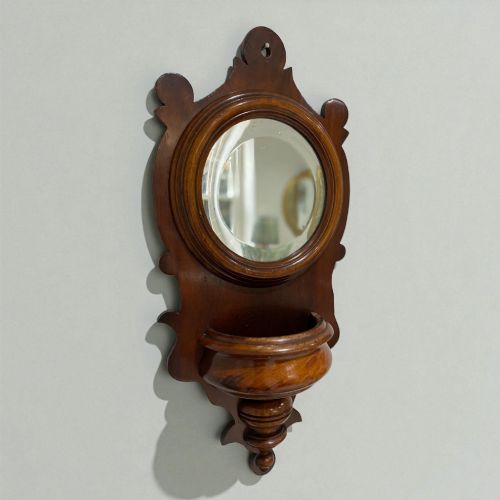
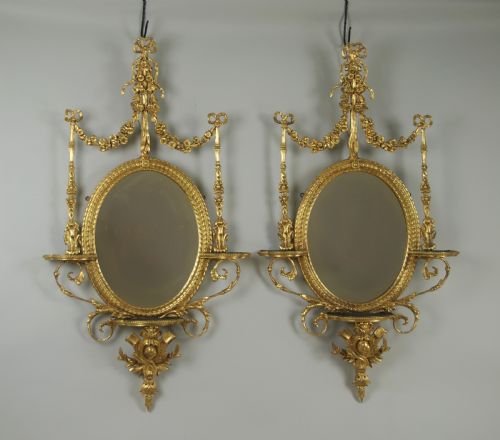
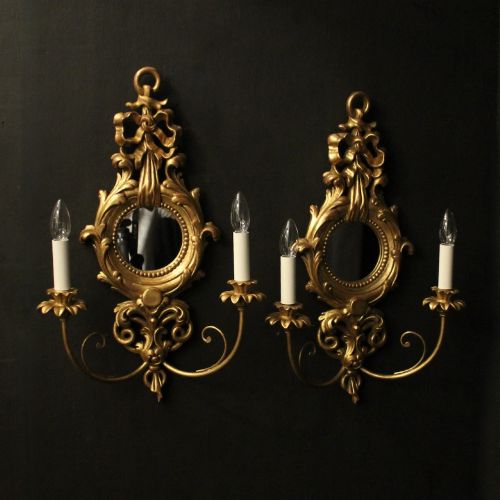
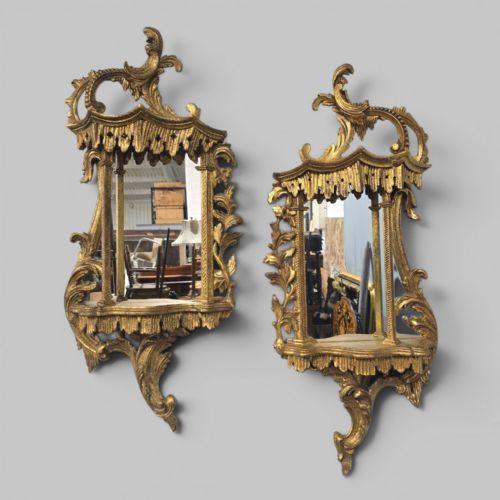
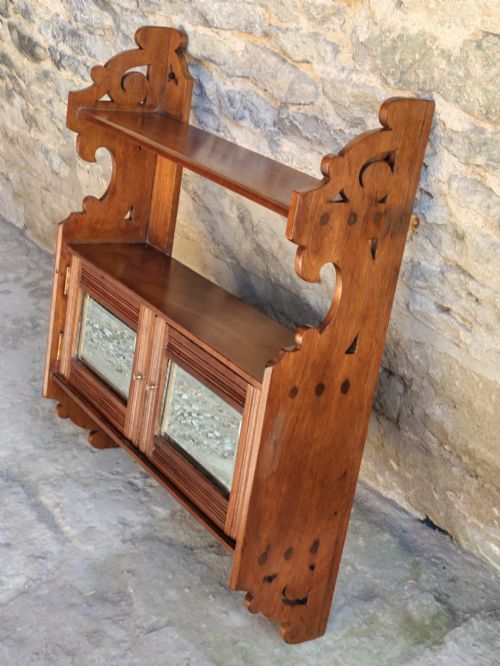
The selections available here range from grand Victorian overmantle mirrors to compact cloakroom designs and matched pairs. Buyers frequently encounter ornate giltwood constructions alongside simpler oak and pine pieces dating from the nineteenth century up to the nineteen-twenties.
Origin and form vary widely, encompassing French Chateau styles, Rococo Revival curves and clean Edwardian utility. Whether you need a large focal point for a principal room or a smaller shelf mirror for a hallway, the inventory spans diverse decorative traditions.
How they were made
Cabinetmakers and gilders constructed these frames using traditional timbers such as oak, pine, yew wood and gesso-coated softwoods. Giltwood finishes were applied over intricate moulding to achieve a lustrous metallic sheen on formal Victorian and French pieces.
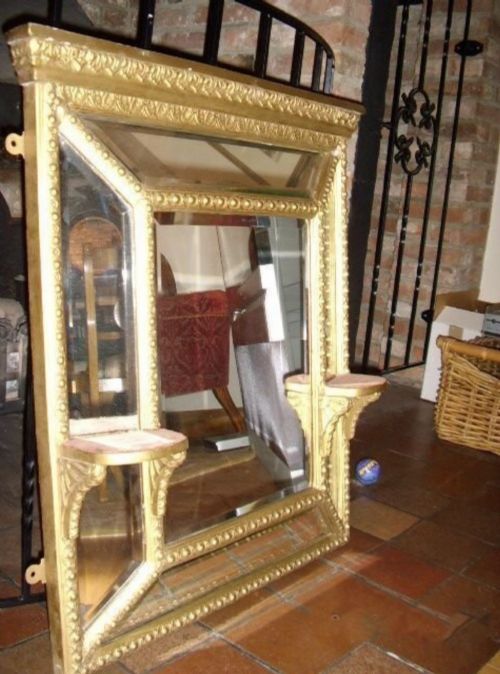
The reflective surfaces utilise traditional glass plates, occasionally featuring bevel cut edges or cushion framing to catch the light from multiple angles. Integrated brackets and display shelves were securely joined to the main frame to support the weight of placed objects.
Available forms range from grand overmantle mirrors to compact cloakroom shelves with mirrored backs.
What varies in quality
The distinction between standard examples and finer works lies in the depth of the carving and the intricacy of the giltwood or gesso ornamentation. Hand-carved detailing on Neoclassical or Rococo Revival frames displays a crispness that machine moulding cannot replicate.
Integrity of the original mirror glass and the structural firmness of the bracket fixings determine the overall standard of preservation. Superior pieces retain their original silvering characteristics and demonstrate robust joinery where the shelf meets the glass surround.
The Antique Mirror with Brackets Glossary
- Giltwood
- Timber that has been coated with gold leaf or a gold-coloured metallic preparation. This finish is characteristic of formal nineteenth-century decorative items.
- Gesso
- A plaster-like mixture applied to wood frames to create a smooth surface for gilding or deep relief moulding. It allows for elaborate scrollwork and ornamentation.
- Bevelled glass
- A mirror plate with edges cut and polished at an angle to create a framed border effect within the glass itself. This technique adds depth to the reflection.
- Pier glass
- A tall mirror designed specifically to hang on the wall space between two windows. These pieces often incorporate brackets or small console tables underneath.
- Overmantle mirror
- A large horizontal mirror designed to sit directly above a fireplace mantelpiece. They frequently feature integrated brackets or display ledges.
Antique Mirror with Brackets: Frequently Asked Questions
Where should I hang an overmantle mirror?
These large mirrors are traditionally positioned directly above a fireplace mantelpiece to anchor the room's proportions and reflect natural light from the windows.
Ensure the wall fixings are secure enough to support the substantial weight of the timber frame and glass plate.
How do I use the attached brackets?
The integrated brackets and shelves serve as functional ledges for displaying small ornaments, pocket watches or daily essentials.
Keep the items placed on these ledges lightweight to prevent strain on the historical joints connecting the shelf to the mirror frame.
Are these pieces suitable for bathrooms?
Certain compact designs, such as oak cloakroom mirrors, are suited for functional spaces like hallways or bathrooms.
Consider the original timber and finish when placing these antiques in humid environments, as excessive moisture can affect historical gesso and wood.