

Antique Mirror Panel
An antique mirror panel brings depth and reflected light to a room, appearing in forms from French trumeaus to overmantels.
Antique Mirror Panel
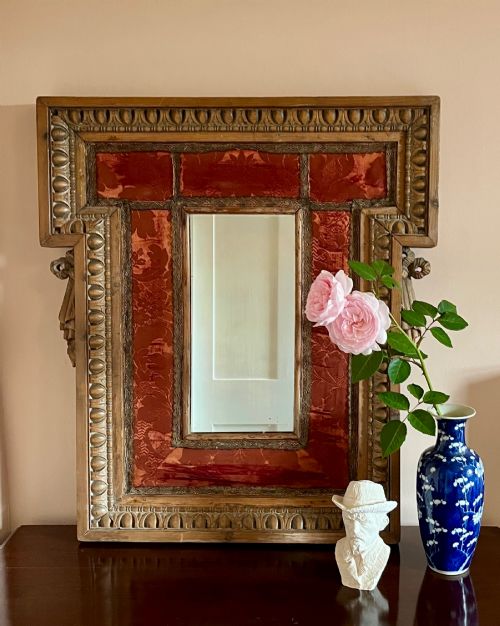
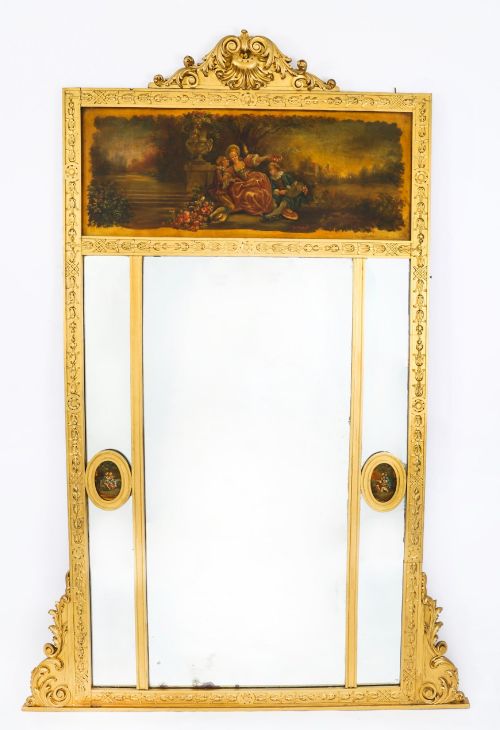
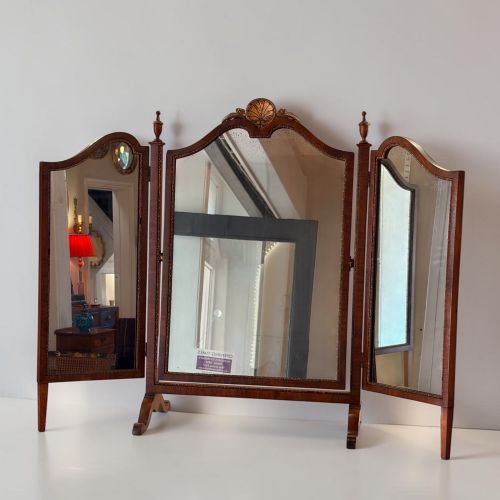
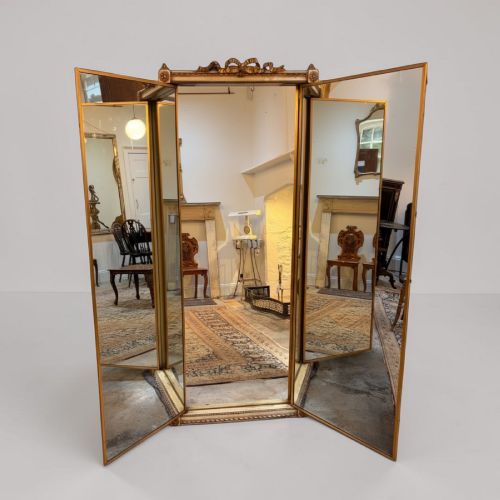
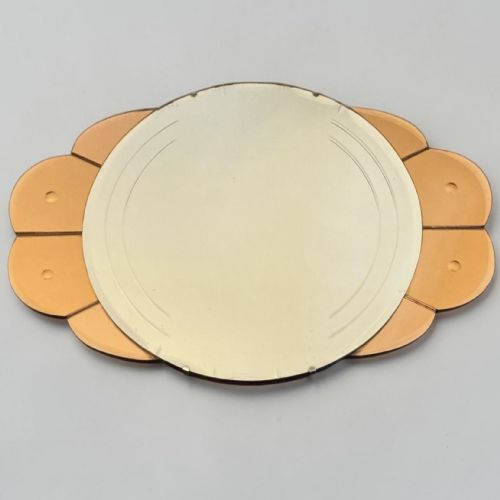
When you search for an antique mirror panel, you are looking at reflective glass incorporated into decorative architectural furniture or wall pieces. The pieces on this page span the 19th century into the early 20th century, encompassing French trumeaus, overmantels, pier glasses, and dressing mirrors.
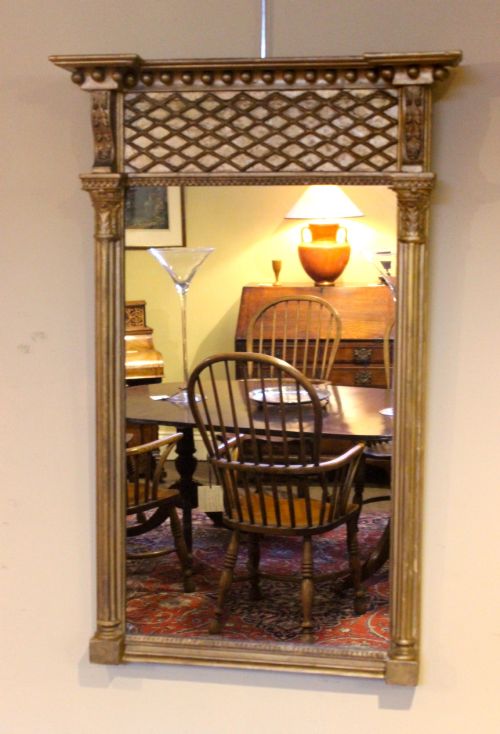
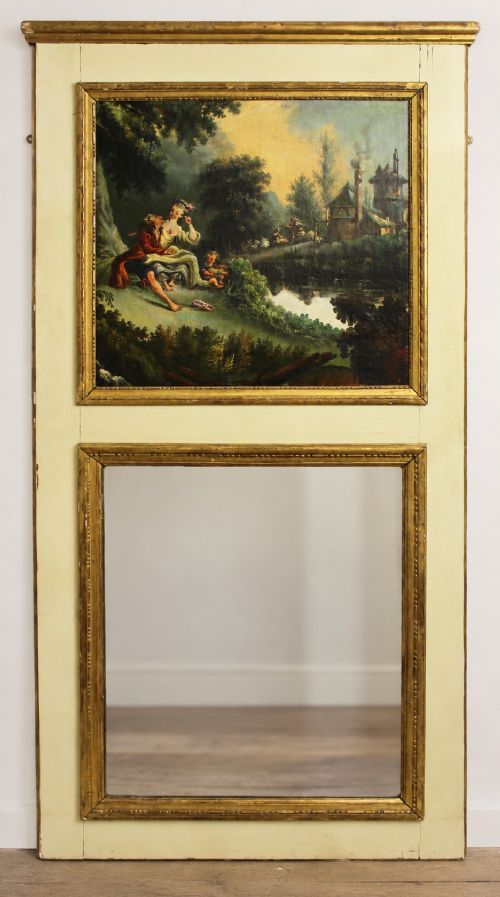
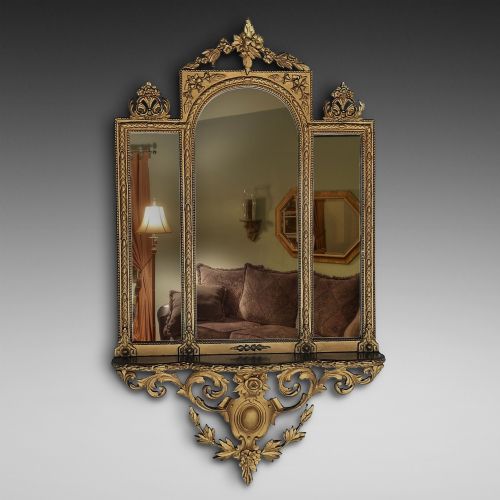
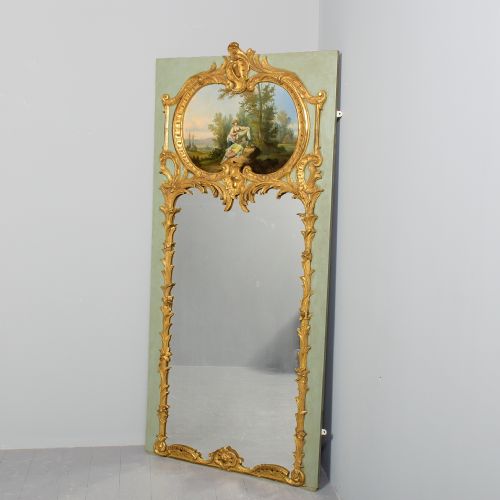
The most common version met here is the French trumeau mirror, frequently featuring an oil painting or decorative panel set above the glass. Overmantels and pier mirrors also appear regularly, often framed in giltwood, gesso, or carved oak from Victorian and Regency periods.
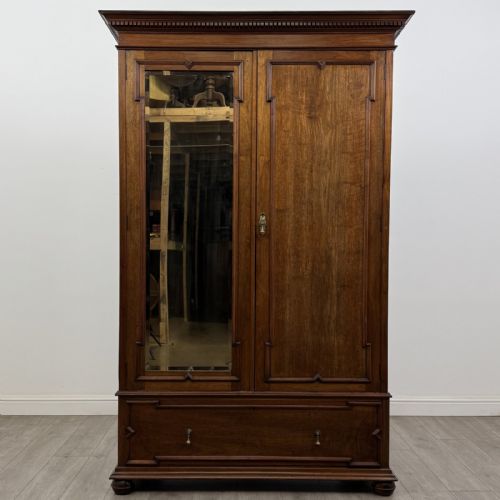
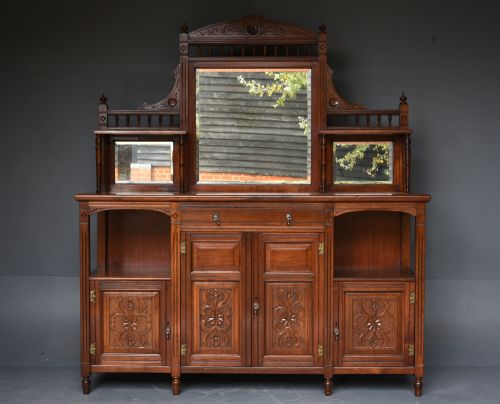
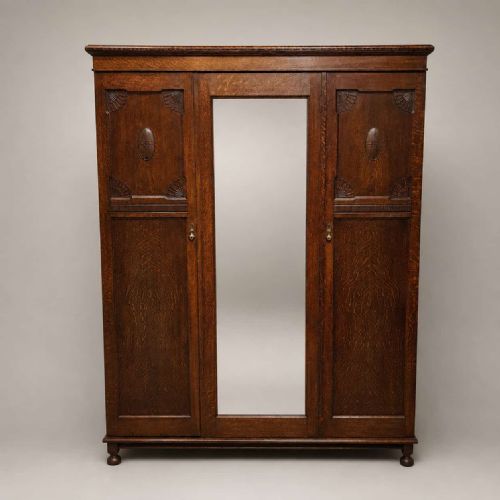
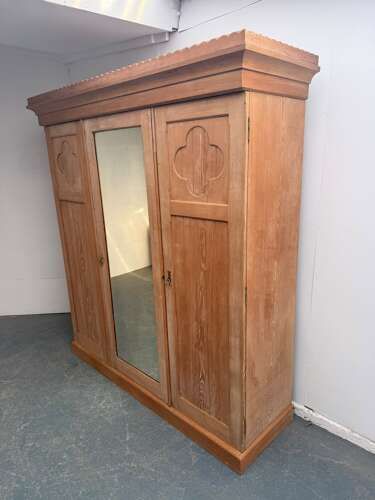
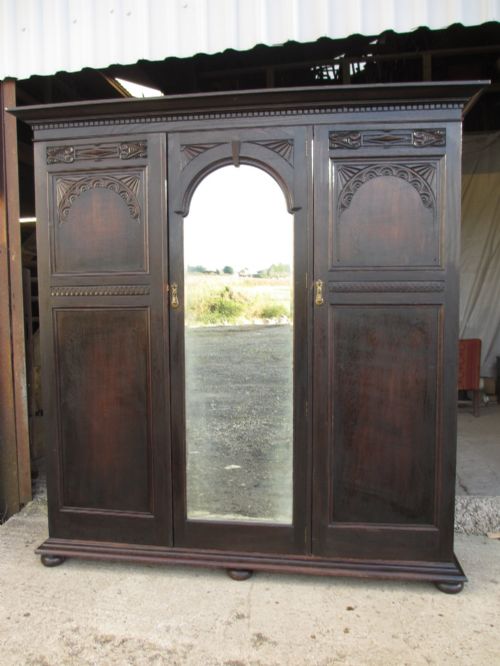
Beyond standalone wall mirrors, panel elements emerge integrated into larger furniture such as wardrobes, sideboards, and chiffoniers. These span styles from Neoclassical and French Empire to Edwardian and Arts and Crafts.
How they were made
Makers constructed frames using hardwoods like mahogany, walnut, oak, and rosewood, alongside softer pine and exotic woods like kingwood and pollard oak. Gilding was applied using gold leaf over gesso, while other surfaces received paint, wax, or carved detailing.
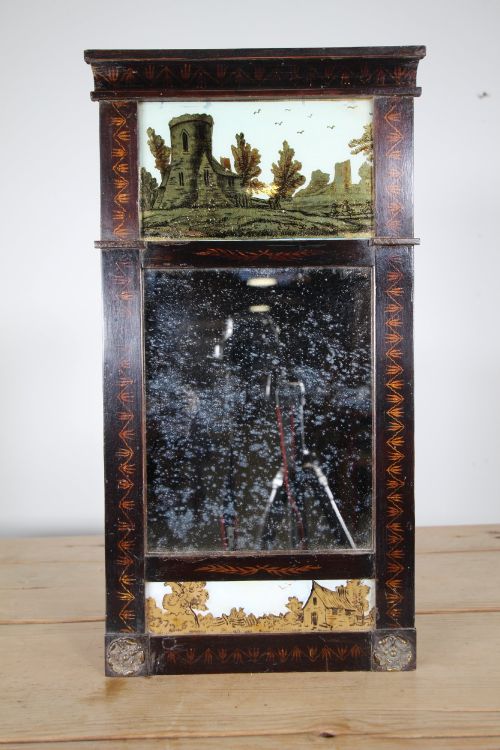
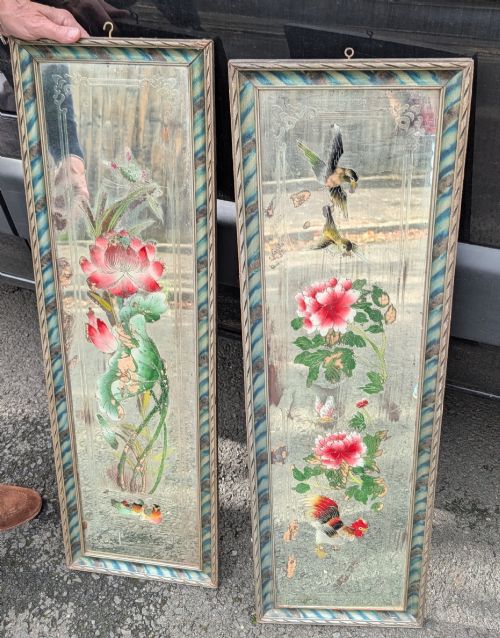
Mirror glass was set into frames alongside specialised decorative panels, including verre églomisé, pastoral oil paintings, and nacre-shell inlay. Construction techniques combined traditional joinery for frames and cabinetry with specialised reverse glass painting and carving.
Antique Mirror Panel Retail Price Guide 2026
Typical asking prices for mirror panel among the pieces listed under this phrase on Sellingantiques today, from the lower quarter to the upper quarter. They describe what is for sale here now, not the wider market.
Squirrels and Ho-Ho birds occasionally peer out from the giltwood crestings of grand 19th-century overmantel mirrors.
What varies in quality
The distinction at the top of the range lies in the execution of hand-carved details, such as gilded gesso mouldings, figural crestings, and specialised inset panels like verre églomisé. Finer examples display crisp carving and harmonious proportions that integrate the glass pane with its painted or carved companion section.
Materials and secondary elements also dictate quality, separating standard production pieces from exceptional works featuring intricate marquetry, elaborate nacre-shell inlay, or integrated original oil paintings. The preservation of original gilding and untouched glass plates further separates superior survivals from heavily restored items.
The Antique Mirror Panel Glossary
- Trumeau
- A decorative wall mirror featuring an oil painting, carved panel, or pastoral scene set directly above the glass plate. These French panels were designed to fit between windows or above mantelpieces.
- Verre églomisé
- A cold decoration technique where designs are painted and gilded on the reverse side of glass. It appears on pier glass panels from the Regency period.
- Pier glass
- A tall, narrow mirror designed specifically to hang on the wall space between two windows. They frequently incorporate lower panels or architectural columns.
- Overmantel mirror
- A wide mirror designed to be positioned directly above a fireplace mantel. These pieces often feature tripartite plates or elaborate cresting.
- Giltwood
- Wood, typically carved timber, coated with gold leaf or metallic powder over a prepared gesso ground. It defines many Regency and Victorian frames.
Antique Mirror Panel: Frequently Asked Questions
What is a trumeau mirror?
A trumeau is a traditional wall mirror that incorporates a painted panel or artwork above the reflective glass. They originated in France and were designed to match interior wall panelling.
These pieces combine functional reflection with decorative art, often featuring pastoral scenes or classical motifs in the upper section.
Where should I hang a pier mirror?
Pier mirrors are traditionally proportioned to hang on the narrow stretch of wall between two windows. This placement maximises natural light within a room.
In modern settings, they also function effectively in narrow hallways or entryways where wider frames would overwhelm the space.
How do I date an antique mirror?
Dating relies on examining the framing materials, joinery methods, and the characteristics of the glass plate itself. Styles such as Regency, Victorian, or Edwardian provide initial stylistic markers.
Backboards, screw types, and framing techniques further help confirm the period of manufacture.
What is verre eglomise?
Verre églomisé is a historic technique involving painting and gilding onto the reverse side of glass. It creates a rich, reflective finish with metallic depth.
This method appears frequently on panels within Regency pier mirrors and decorative wall pieces.