


Antique Minton China
Antique minton china comprises varied cabinet plates, figures, and tea wares reflecting Victorian, Georgian, and Regency tastes.
Antique Minton China
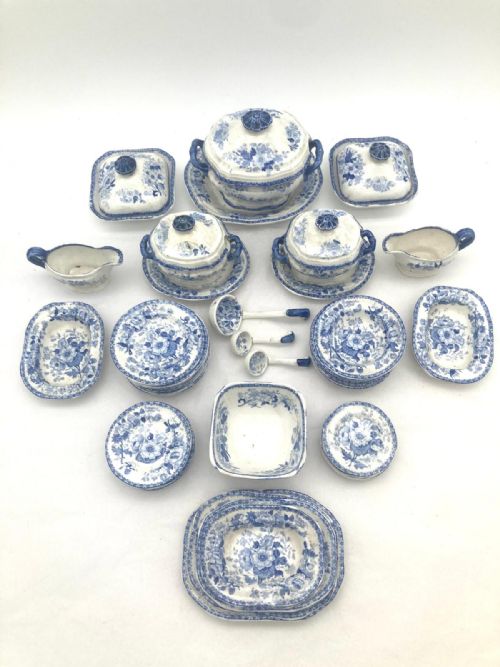
Antique minton china encompasses a diverse range of forms, from cabinet plates and decorative dishes to miniature dinnerware, teacups, and serving trays. Buyers also encounter porcelain figurines, go-to-bed candlesticks, and rectangular platters spanning Georgian, Regency, and Victorian periods.
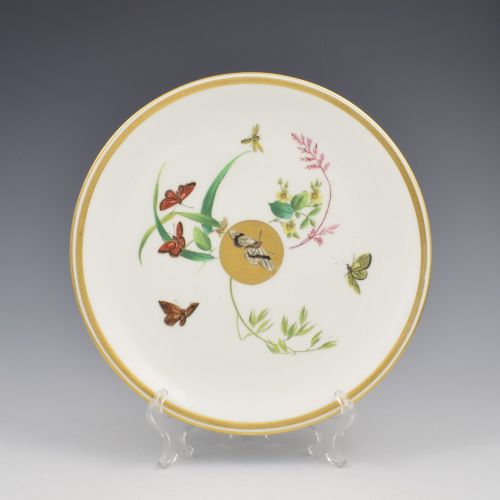
The selection ranges from early floral sheet patterns in blue and white transfer to elaborate Aesthetic Period Japanese style designs with gilt sun and butterflies. Pieces frequently incorporate revival styles such as Victorian Kakiemon, Chinoiserie, and Rococo.
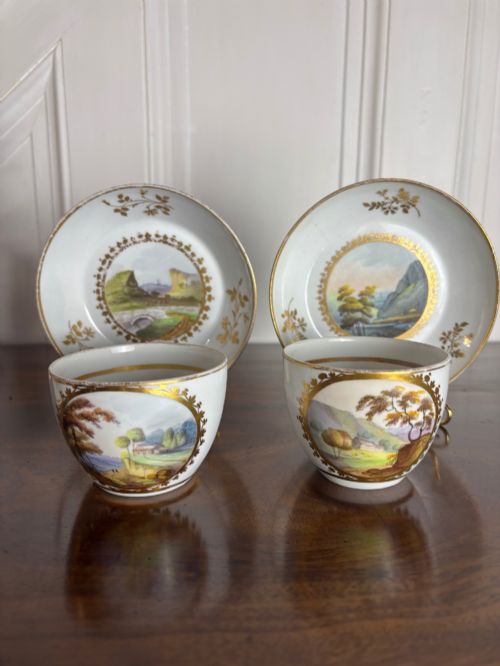
Functional and decorative items dominate the offering, including Newcastle shape basketweave plates, armorial plates, and hand-painted landscape dessert plates. Early examples feature specific pattern numbers alongside distinctive animal motifs like the Bengal Tiger.
How they were made
Makers utilised fine porcelain, bone china, and earthenware as the foundational bodies for these wares. Glaze applications provided smooth surfaces suited to intricate hand-painting and transfer printing.
Decoration relied heavily on gilt, gold leaf, and enamel work to highlight details such as floral sprays, landscapes, and armorial crests. Specialised techniques like pate sur pate and pearl jewelling added textural and dimensional depth to cabinet pieces.
Listings feature 19th century pieces spanning porcelain, earthenware, and bone china, incorporating periods from Georgian to Victorian.
What varies in quality
Quality rests upon the execution of surface decoration, distinguishing standard transfer-printed wares from meticulously hand-painted landscape scenes and intricate armorial commissions. The precision of gilding and the application of raised enamel or jewelling further separate standard production from high-status cabinet pieces.
The sophistication of the ceramic body and form also plays a role, with moulded basketweave textures and delicate figural modelling requiring advanced technical skill. Early marks and specific pattern numbers indicate the standing of the piece within the factory output.
Thomas Steel
The Antique Minton China Glossary
- Bone china
- A type of soft-paste porcelain containing animal bone ash, producing a strong, translucent body. This composition allowed makers to form thin, refined tea wares and decorative items.
- Pate sur pate
- A ceramic decorating technique where relief designs are built up using layers of liquid white porcelain slip. This method creates a cameo-like effect against a coloured ground.
- Kakiemon
- A style of Japanese enamelled porcelain characterised by asymmetrical floral, bird, and tiger motifs. Minton reinterpreted these vibrant palettes during the Victorian era.
- Armorial
- Bearing heraldic family crests or coats of arms painted or transferred onto ceramic surfaces. These bespoke commissions denoted elite ownership.
- Gilding
- The application of gold or gold leaf to ceramic surfaces for decorative emphasis. It appears frequently on rims, handles, and border patterns.
Antique Minton China: Frequently Asked Questions
How do I date antique minton china?
Dating relies on recorded pattern numbers, painted registry marks, and distinctive stylistic shifts across the Georgian, Regency, and Victorian eras. Aesthetic movements and specific revival styles also help narrow the production window.
Changes in body composition, from early earthenware to refined bone china and porcelain, provide additional clues for chronology.
What is pate sur pate decoration?
Pate sur pate involves building up successive layers of liquid porcelain slip onto a contrasting background. This creates a translucent relief sculpture that resembles a carved cameo.
Master artists used this slow technique to produce highly valued cabinet plates and decorative panels.
Were these pieces used daily or displayed?
Many items, such as tea sets, children's services, and dinner plates, served functional domestic purposes in period households. Over time, finer cabinet plates, figurines, and candlesticks shifted into purely decorative roles.
Heavily gilt or jewelled pieces were primarily intended for visual display in drawing rooms.
What are transfer printed patterns?
Transfer printing is a mechanical method where an engraved copper plate transfers a design onto paper, which is then applied to the ceramic body. This technique allowed factories to produce consistent blue and white patterns efficiently.
Common examples include floral sheet patterns and landscape scenes.