

Antique Miniature Picture
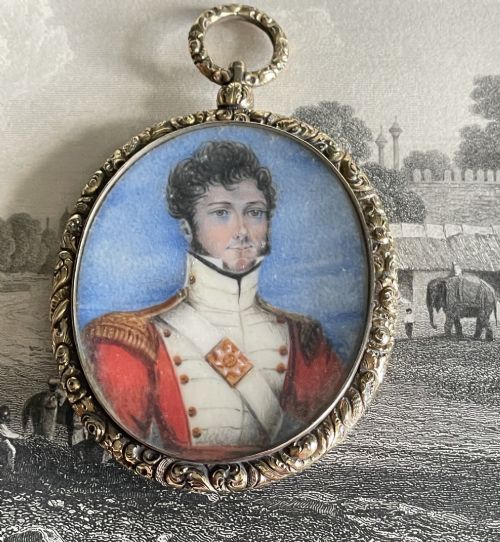
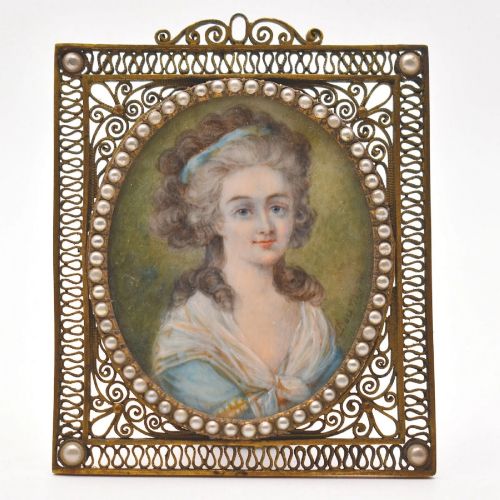
An antique miniature picture distils centuries of portraiture and detail into an intimate scale designed to be held in the hand or worn close.
Antique Miniature Picture
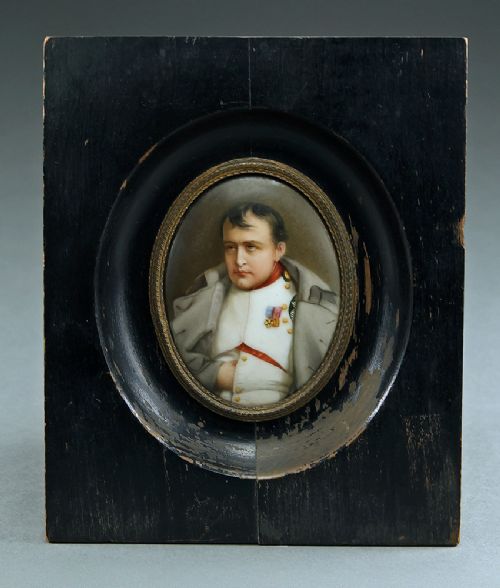
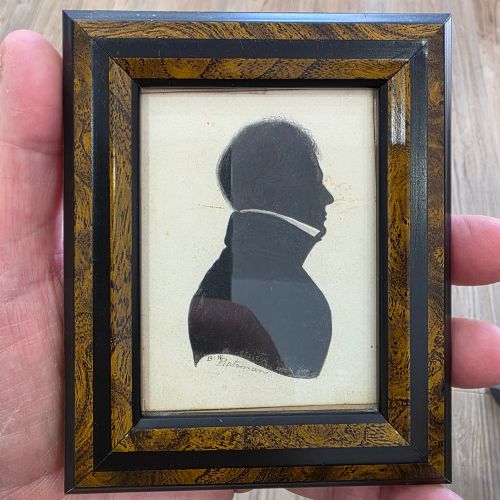
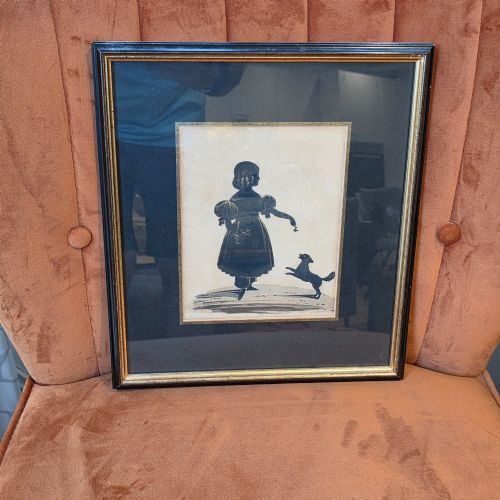
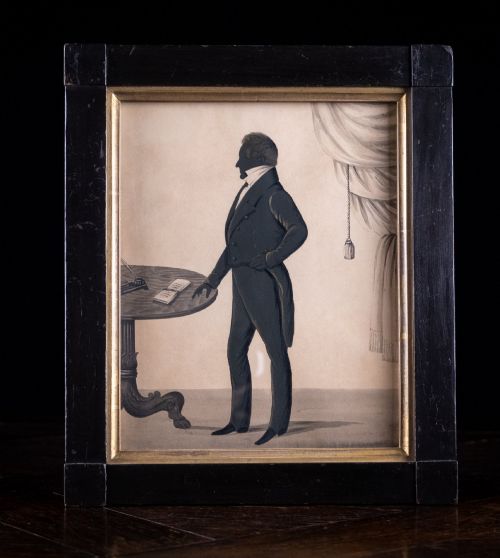
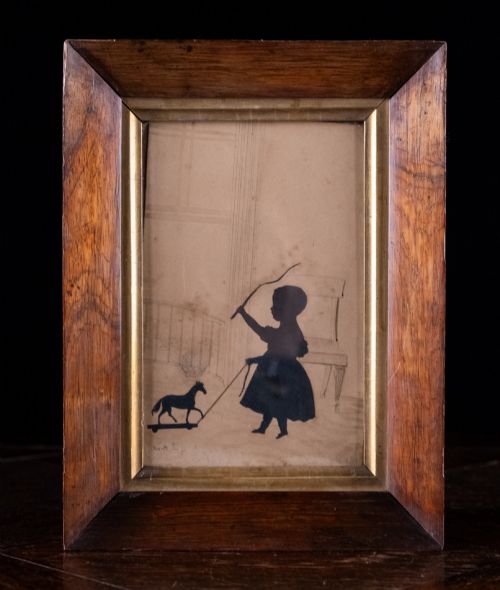
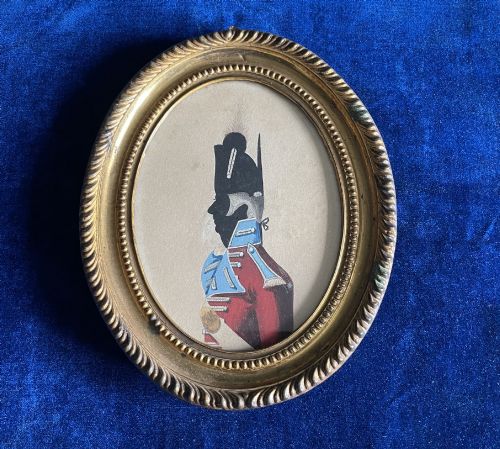
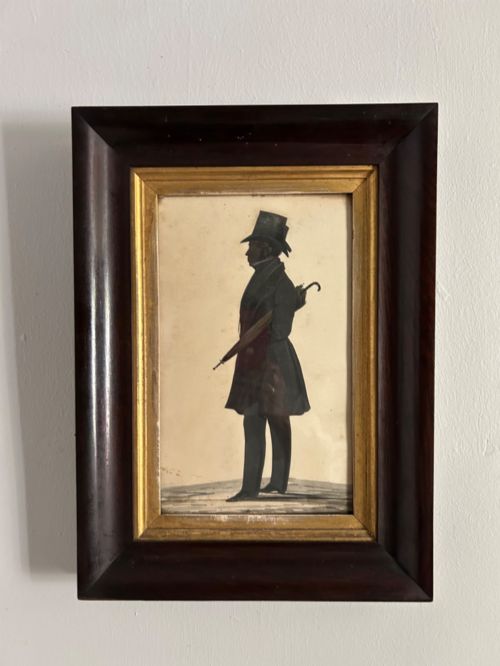
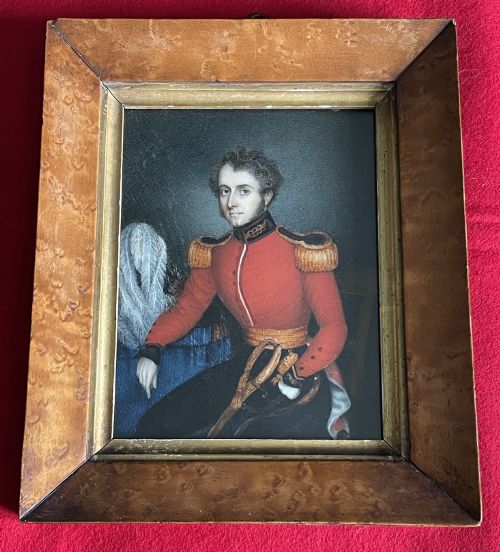
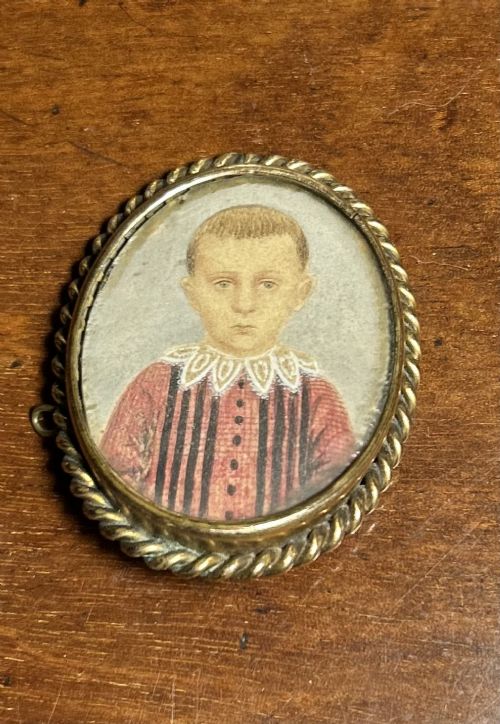
An antique miniature picture encompasses delicate watercolour paintings, profile silhouettes cut from paper, and hand-painted enamel plaques originating from the eighteenth and nineteenth centuries. These works frequently depict individual sitters from the Georgian, Regency, and Victorian eras with astonishing precision.
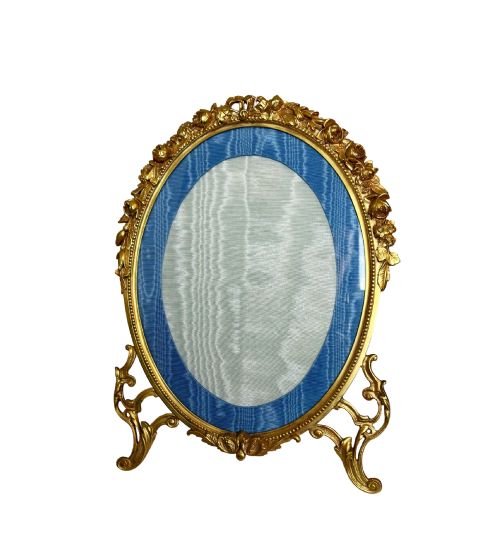
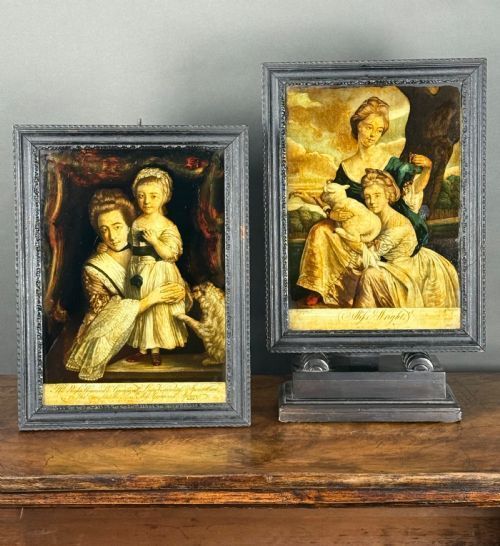
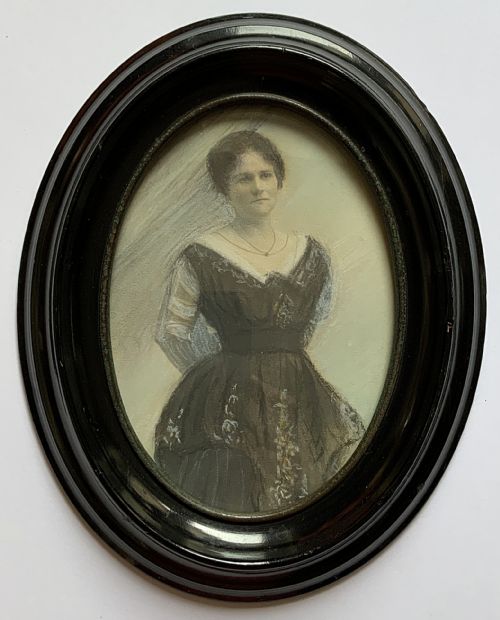
The assortment relies heavily on portrait miniatures and silhouette portraits framed in brass, gilt metal, or rosewood. Buyers will also encounter small framed prints, oil paintings, and decorative stands dating from the late eighteenth century through to the early twentieth century.
The physical scale demands intense concentration from the artist, resulting in works where every stroke of ink or wash of watercolour serves a distinct purpose. Such items offer direct visual contact with historical figures whose identities are often preserved in ink on the reverse.
Materials and methods
Makers utilised watercolour and ink upon paper, vellum, or ivory surfaces, frequently sealing the delicate pigments beneath protective convex glass. Frames fashioned from gilt bronze, brass, wood, and silver provided both structural support and decorative containment for these fragile compositions.
Silhouettes were produced by cutting black paper with precision scissors or by applying pigment directly to card, sometimes enhanced with gold leaf highlights. Enamel plaques required high-temperature firing of powdered glass onto metal substrates to achieve permanent, luminous colour.
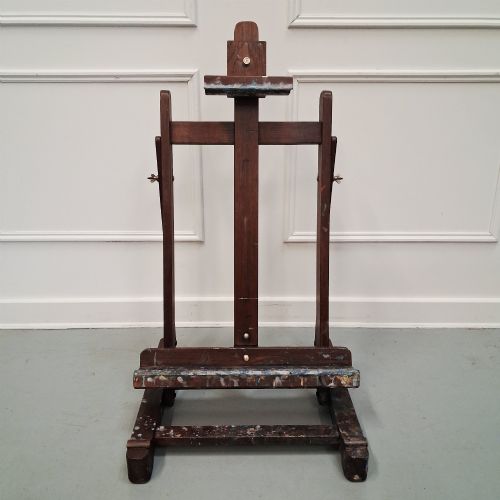
Mounting techniques involved securing the small artwork within hinged cases, brooches, or miniature frames fitted with easels. These assemblies often incorporated seed pearls, fine metals, and textiles to heighten the visual impact of the central image.
Antique Miniature Picture Retail Price Guide 2026
Typical asking prices for miniature picture among the pieces listed under this phrase on Sellingantiques today, from the lower quarter to the upper quarter. They describe what is for sale here now, not the wider market.
Materials recorded across the inventory include glass, brass, gilt wood, enamel, and rosewood applied to small-scale decorative objects.
Distinguishing quality
The integrity of the original housing plays a significant role, as authentic period frames and undamaged convex glass preserve the delicate interior surface. Alterations or modern replacements diminish the historical cohesion of the piece.
Signed works or those attributed to documented artists command closer attention due to verifiable provenance. The clarity of ink signatures and contemporary inscriptions on the backing paper offer reliable indicators of origin.
William James Hubard·Augustin Edouart·Frederick Buck·Charles Hayter·George Hargreaves·Henry Matthews
The Antique Miniature Picture Glossary
- Silhouette
- A profile portrait filled in with solid black pigment or cut from dark paper. This form gained immense popularity during the Georgian and Regency periods before the advent of photography.
- Gilt bronze
- An alloy treated to simulate gold through fire gilding or electroplating. This material appears frequently on nineteenth-century picture frames and small desk stands.
- Reverse glass painting
- An artwork executed on the rear side of a glass panel so that the final image is viewed through the transparent pane. This technique protects the pigments from atmospheric tarnishing.
- Enamel plaque
- A small metal plate fused with vitreous glass coatings fired at high temperatures. The resulting glossy surface resists fading and moisture.
- Vellum
- A fine parchment prepared from calfskin and utilised as a smooth drawing surface. It provides exceptional stability for detailed watercolour miniatures.
Antique Miniature Picture: Frequently Asked Questions
How were antique portrait miniatures displayed?
These small portraits were frequently worn as personal jewellery, such as brooches or lockets, keeping loved ones close to the wearer. Others stood on desks or hung in clusters on private chamber walls.
Their portable nature allowed owners to carry likenesses of family members during long journeys or military campaigns.
What materials cover the painted surface?
Most works feature protective convex glass held tightly within metal bezels to shield the fragile watercolour or gouache from dust and moisture. This curved glass creates a slight magnification effect.
Enamel pieces require no glass protection because the fired vitreous surface itself provides a durable seal against environmental damage.
How do I identify a silhouette portrait?
A silhouette presents a solid dark profile against a lighter background, typically depicting a head and shoulders. Artists achieved this by cutting black paper or painting directly onto card.
Many examples include delicate touches of gold leaf to highlight clothing details or hair accessories, particularly during the Regency period.
Are signatures common on these works?
Signatures appear infrequently on miniature paintings and silhouettes, though some artists signed their work on the backing paper or along the edge of the image. Attribution often relies on stylistic traits and contemporary handwritten notes.
Signed pieces by known practitioners command significant interest from collectors studying specific regional schools.