



Antique Military Sculpture
Antique military sculpture brings historical commanders and soldiers to life on your desk or mantelpiece, offering tangible links to past campaigns.
Antique Military Sculpture
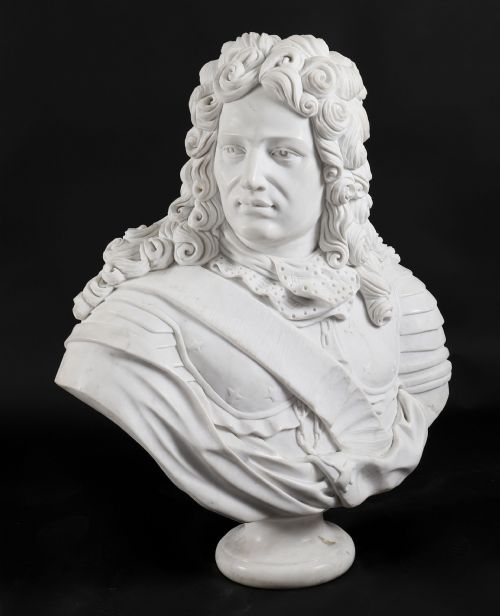
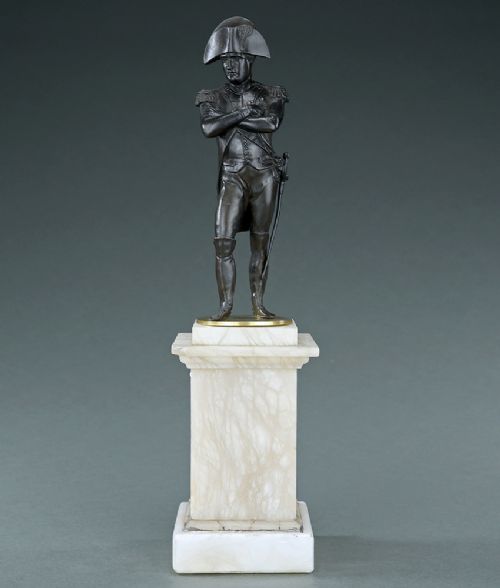
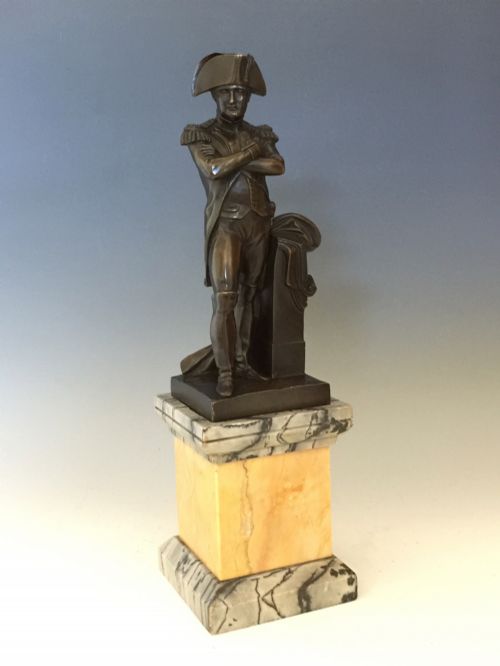
When you search for antique military sculpture, you encounter figures and groups cast in metal or carved from wood, commemorating famous leaders and historic regiments. These pieces span the nineteenth century and the early twentieth century, capturing personalities from Napoleon Bonaparte to classical generals like Hannibal and Saladin.
You are most likely to meet French bronze castings of military commanders on horseback, alongside desk ornaments and decorative figurines. The selection also includes cold-painted metal works, carved wooden soldier groups, and occasional porcelain figures depicting ancient conquests.
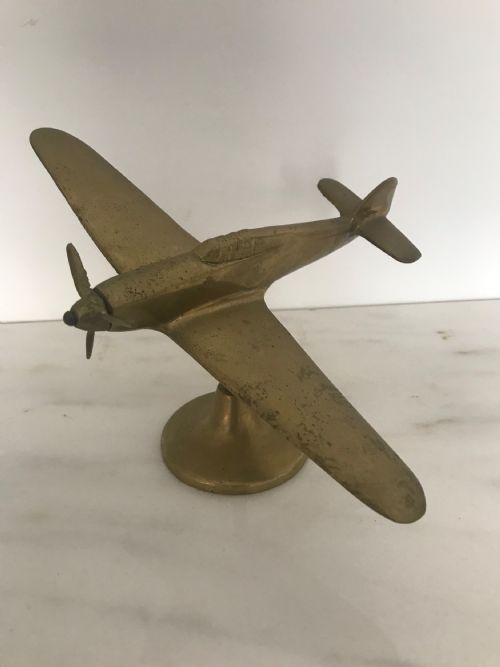
Origins vary from French foundries and Russian imperial workshops to Austrian studios and British makers. Forms range from monumental library bronzes and grand tour reductions to car mascots and novelty paperweights from the world wars.
Materials and construction methods
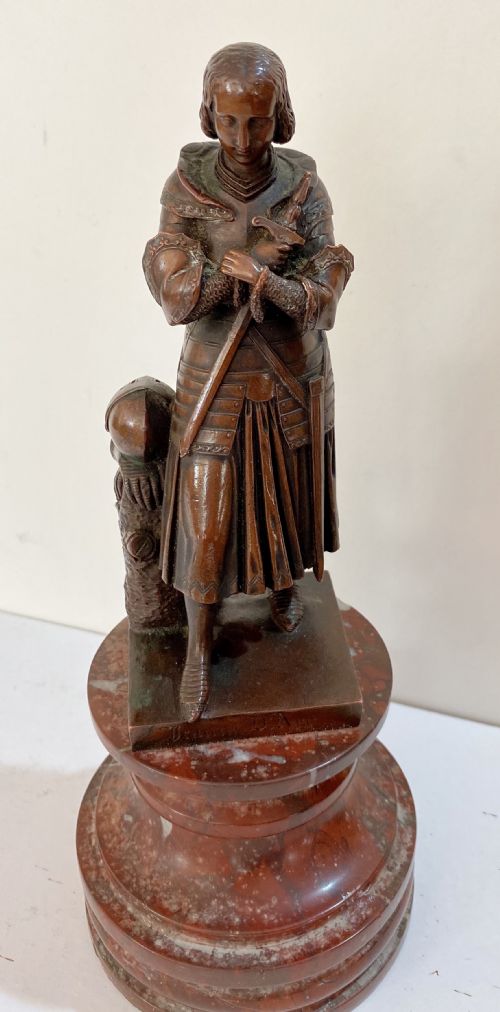
Foundries utilised bronze as the primary medium, often applying rich patination to accentuate uniform details, facial expressions and horse harnesses. Spelter appears as an alternative metal, while marble frequently provides a stable base for heavy equestrian bronzes.
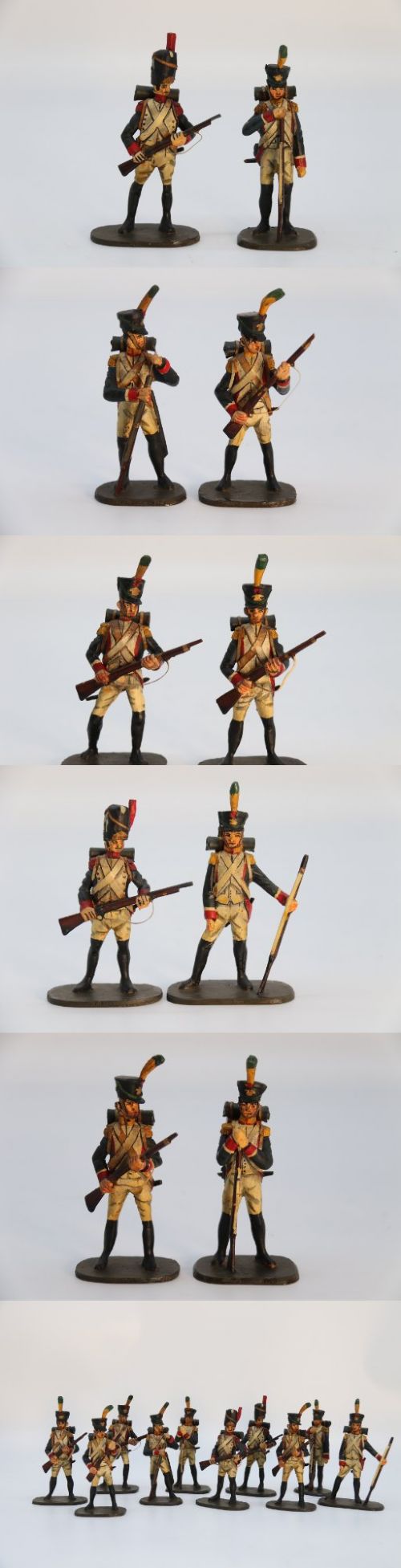
Woodcarvers produced groups of painted wooden soldier figures, whereas porcelain manufacturers modelled glazed figures such as elephants depicting historical campaigns. Selected small bronzes received cold-painted enamel finishes to render uniforms in colour.
Distinguishing quality in figures and casts
Base materials and finishing set the standard for value. Heavy, multi-part bronze casts mounted on fitted marble plinths stand apart from lighter hollow metal figures or plain wooden blocks.
Emile Guillemin·E.H. Dumaige·Fabergé·James Pradier·C. Anfrie
The Antique Military Sculpture Glossary
- Cold-painted bronze
- Metal figures painted with oil or enamel colours after casting, rather than fired in a kiln. This technique allows for intricate depiction of military uniforms.
- Grand Tour
- Souvenirs purchased by travellers in Europe during the nineteenth century, often including small bronze reductions of famous public monuments and military leaders.
- Spelter
- A zinc alloy utilised as an economical alternative to bronze during the nineteenth century. It is lighter and softer than bronze.
- Patina
- The surface sheen or colour developed on metal over time, or applied chemically by the founder. A good patina enhances the depth of the sculpture.
- Equestrian
- A sculpture depicting a figure on horseback. These pieces typically command attention due to their scale and complex balance.
Antique Military Sculpture: Frequently Asked Questions
How do I identify a cast bronze from a spelter figure?
Bronze pieces feel noticeably heavier and colder to the touch than spelter, displaying a resonant ring when tapped gently.
Underneath the base, spelter often reveals a greyish or silvery metal beneath any chips in the dark finish, whereas bronze shows warm golden-brown tones.
Where were these military figures displayed originally?
Nineteenth-century officers and gentlemen placed library bronzes and desk ornaments on study desks, mantelpieces or club tables to signal historical interests.
Larger equestrian groups stood in entrance halls, while smaller items like paperweights served practical functions in administrative offices.
How do I care for nineteenth-century bronze sculptures?
Dust the surface regularly with a soft, dry artist's brush to prevent grime accumulation in the recesses of uniforms and horse harnesses.
Avoid using liquid cleaners, polishes or abrasive cloths, which can strip away the original historical patina and damage the metal.
What is the difference between a desk ornament and a grand tour piece?
Desk ornaments were produced as functional items or commercial decor for domestic interiors, frequently depicting contemporary soldiers or rulers.
Grand tour pieces specifically replicated famous European public statues and monuments for travellers returning from overseas journeys.