


Antique Middle Eastern Brass
Antique Middle Eastern brass objects combine intricate engraved designs with enduring metallic forms, bringing historical craftsmanship into modern rooms.
Antique Middle Eastern Brass
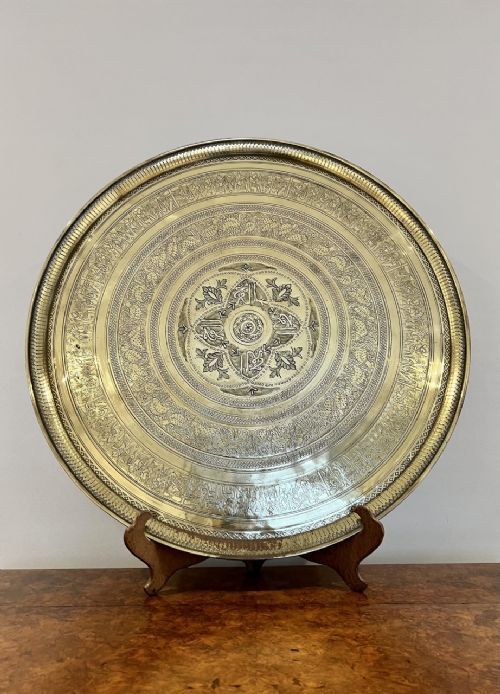
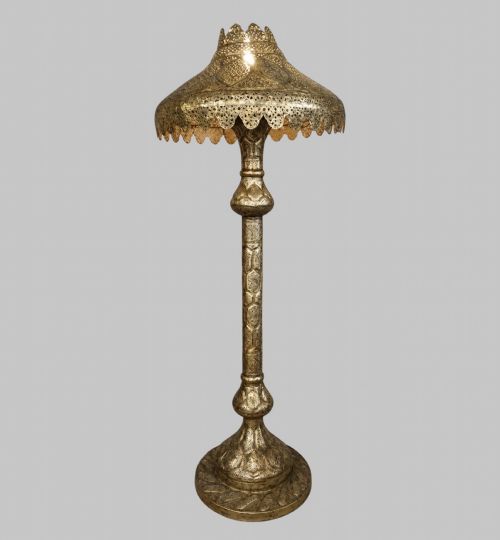
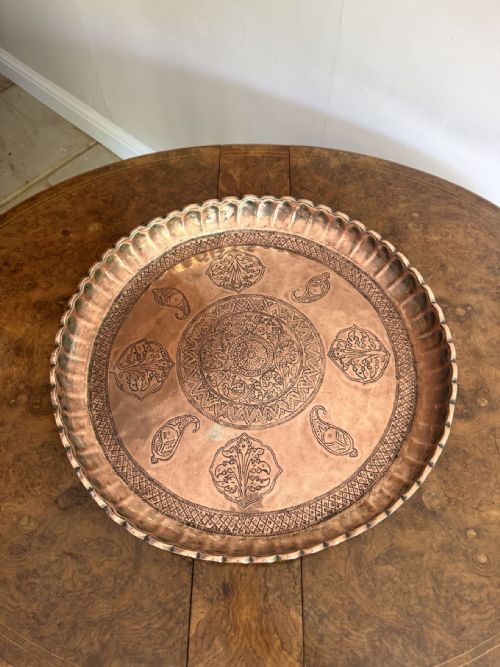
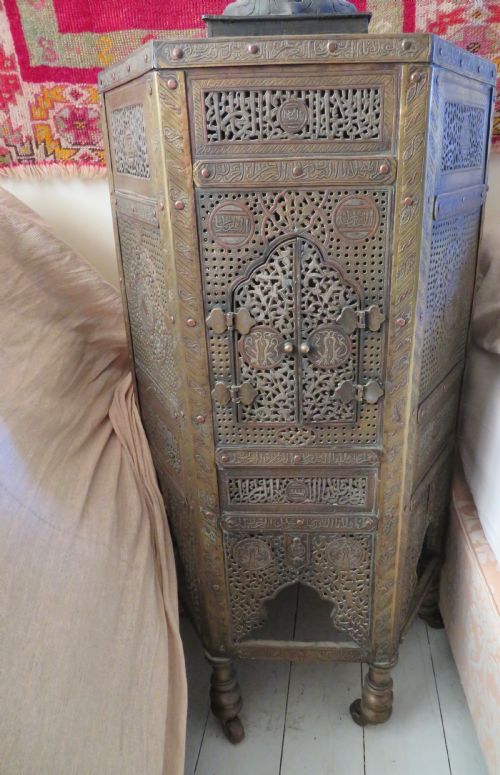
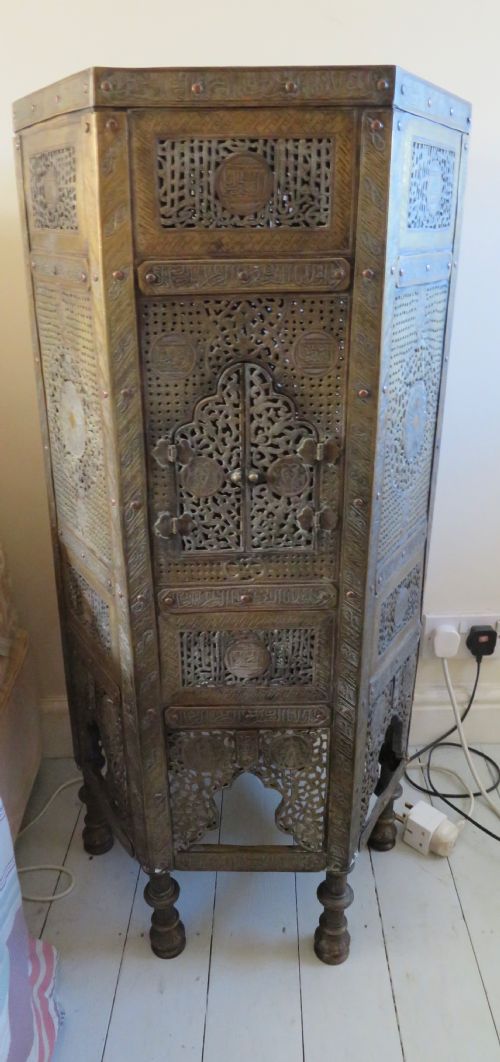
When you examine antique middle eastern brass on this page, you encounter domestic items, lighting, and furnishings spanning centuries of metalwork. The selection includes occasional tables, hanging lanterns, and decorative chargers originating from centres of production such as Persia, Egypt, and Syria.
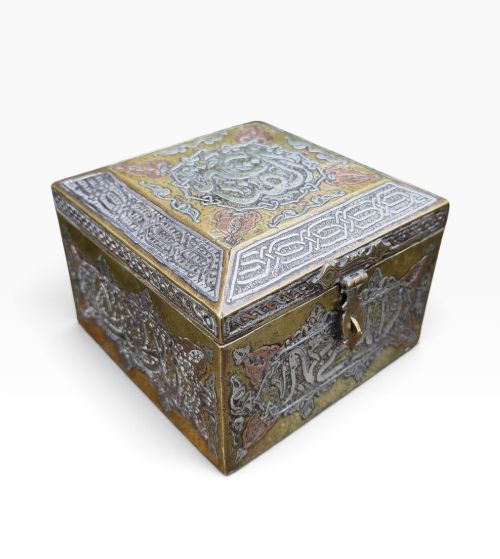
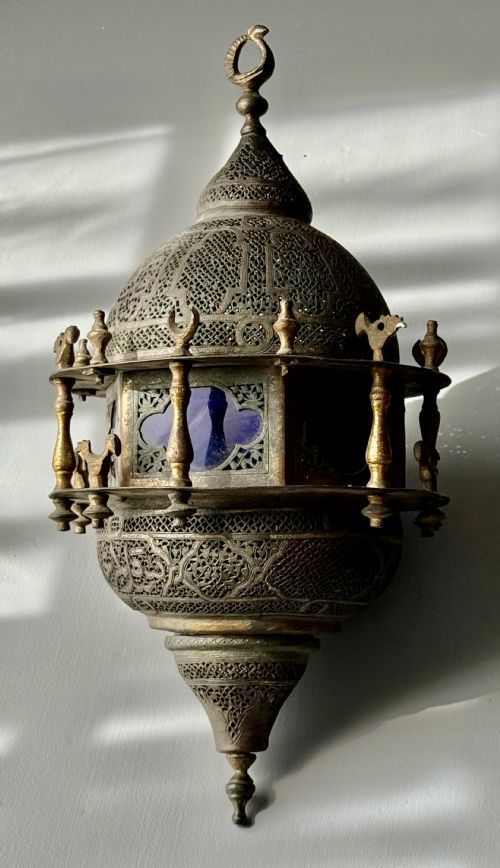
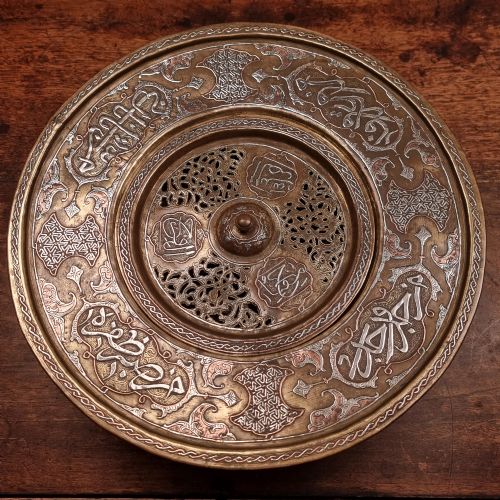
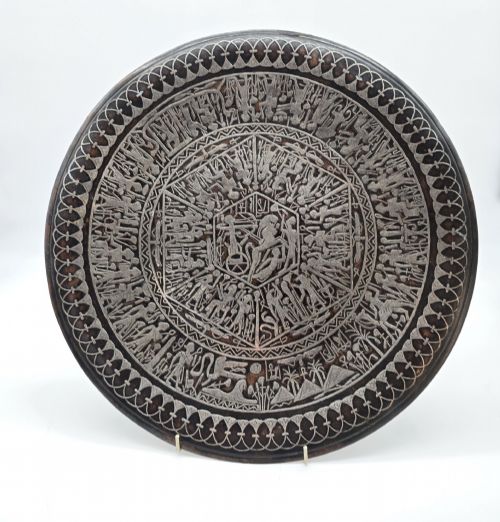
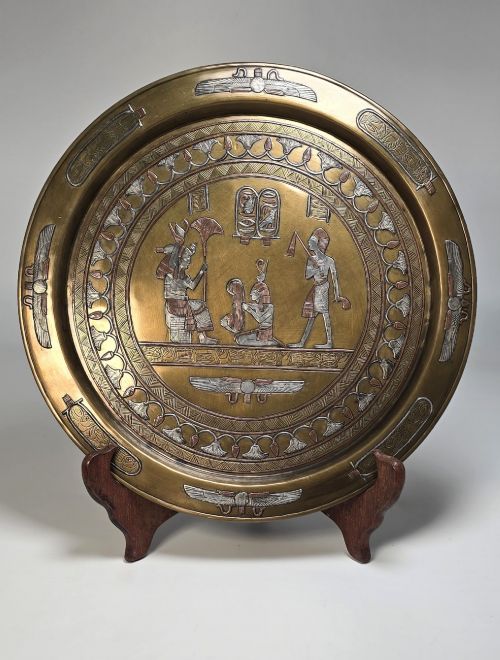
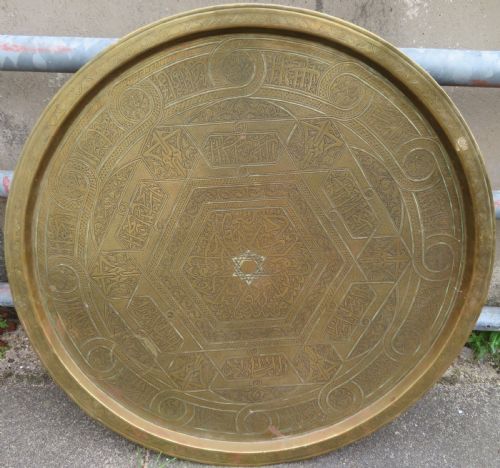
The version you meet most frequently is the nineteenth-century Cairo Ware charger or occasional table, alongside Mamluk revival vessels and Qajar Persian candlesticks. These functional forms range from pierced brass hanging lanterns to engraved copper coffee pots and heavy basins.
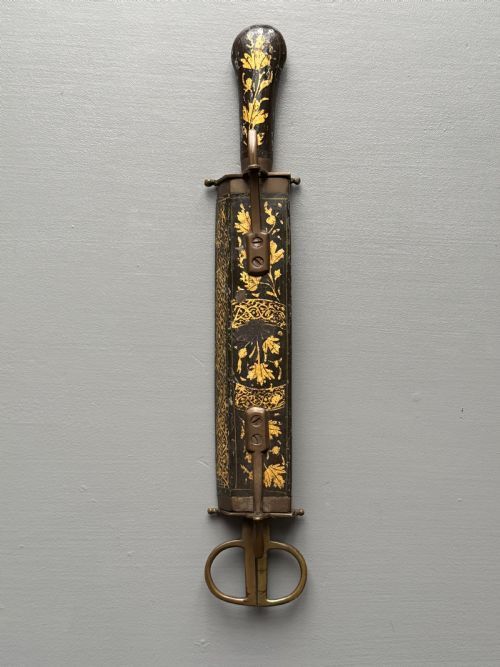
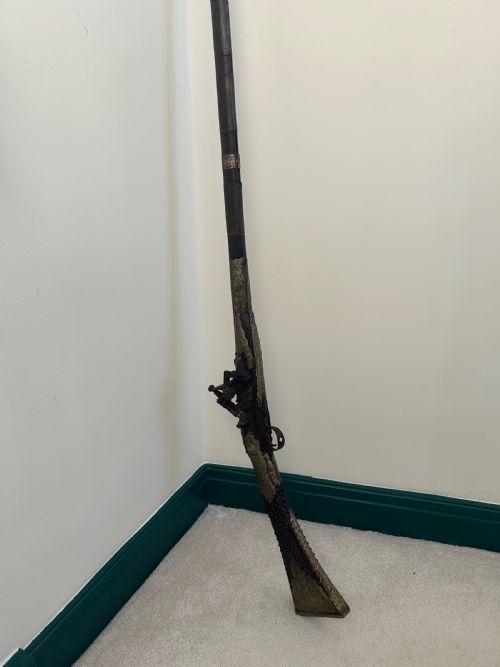
Beyond vessels and tables, the evidence includes ceremonial arms like flintlock muskets and jezail rifles inlaid with metal and pearl. Each object reflects regional decorative traditions, whether through geometric openwork or figurative engraving.
What varies in quality
Quality rests upon the depth and crispness of the hand engraving and the precision of the metal inlay work. Pieces displaying tight, deliberate incision and complex geometric or calligraphic compositions sit at the higher end of the range.
The choice of materials also dictates the grade of the piece, with mixed metal combinations and heavy-gauge bronze or patinated copper outperforming lighter, simpler stampings. Integrated structural elements, such as securely joined openwork panels on tables and lanterns, determine long-term durability.
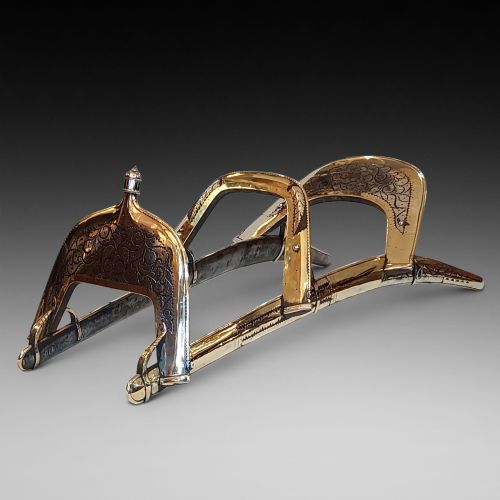
A late nineteenth-century ceremonial camel saddle waits among the metalwork, offering an unexpected transportive relic.
The Antique Middle Eastern Brass Glossary
- Cairo Ware
- Late nineteenth and early twentieth-century metalwork produced in Egypt, characterised by dense silver and copper inlay on brass.
- Kursi
- A low occasional table or Quran stand, frequently hexagonal with openwork panels.
- Mamluk Revival
- Nineteenth-century European and Middle Eastern decorative objects imitating the elaborate brasswork of the medieval Mamluk Sultanate.
- Charger
- A large decorative circular plate or tray intended for display rather than service.
- Jezail
- A traditional type of long-barrelled flintlock or percussion rifle associated with the Middle East and South Asia.
Antique Middle Eastern Brass: Frequently Asked Questions
How do I clean antique brass?
Dust gently with a soft dry cloth to preserve the dark patination accumulated over decades of age. Avoid harsh chemical polishes that strip away historical surface character.
Water and abrasive cleaners damage delicate copper and silver inlays found on Cairo Ware and Mamluk revival pieces. Stick to gentle maintenance to protect the metal.
What is Cairo Ware?
Cairo Ware describes nineteenth and early twentieth-century Egyptian metalwork created for export and the European Grand Tour market. These items feature distinctive silver and copper wire inlay.
You will find circular chargers, bowls, and occasional tables bearing this designation, often dated around eighteen eighty to nineteen hundred.
How old are these items?
The listings span from sixteenth-century Safavid and Mamluk pieces up to early twentieth-century Edwardian items. The majority date from the nineteenth century.
Stylistic revival periods, such as late nineteenth-century Mamluk work, reproduce medieval aesthetics while retaining their own distinct nineteenth-century manufacturing techniques.