



Antique Metalware Tea Kettle
These antique metalware tea kettle pieces are warm, heavy vessels forged to heat water, ranging from Georgian copper to Japanese sake kettles.

Antique Metalware Tea Kettle
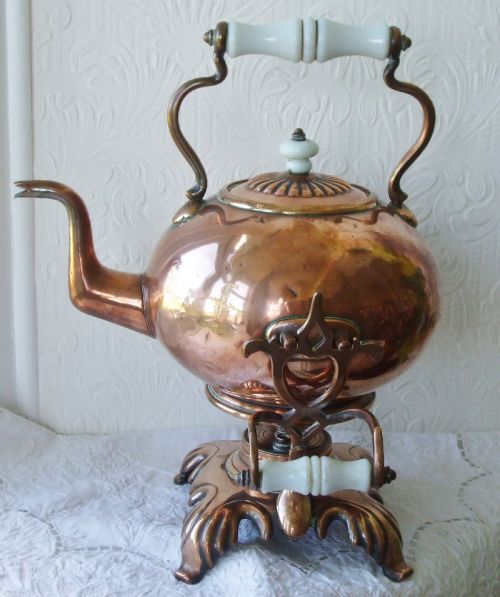
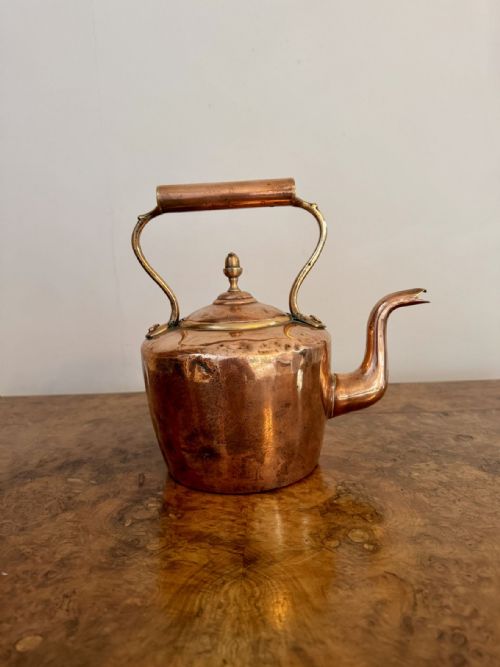
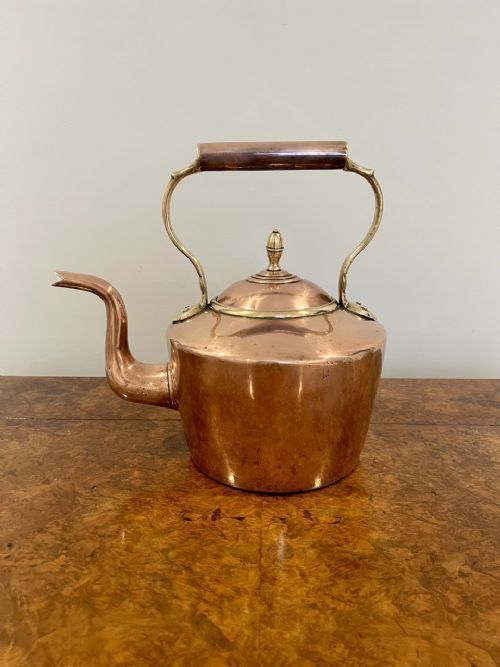
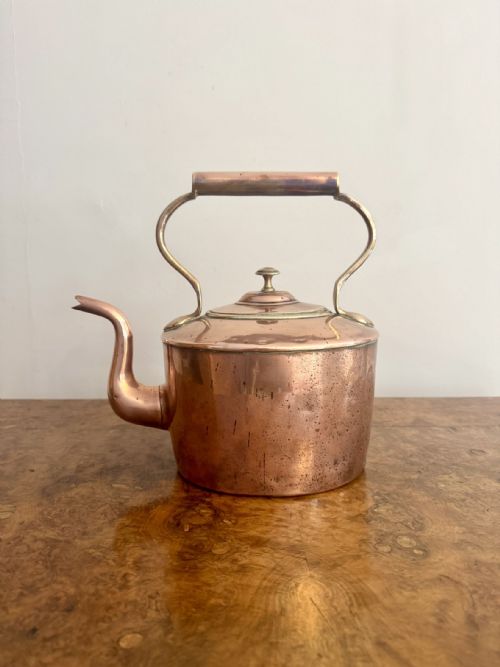
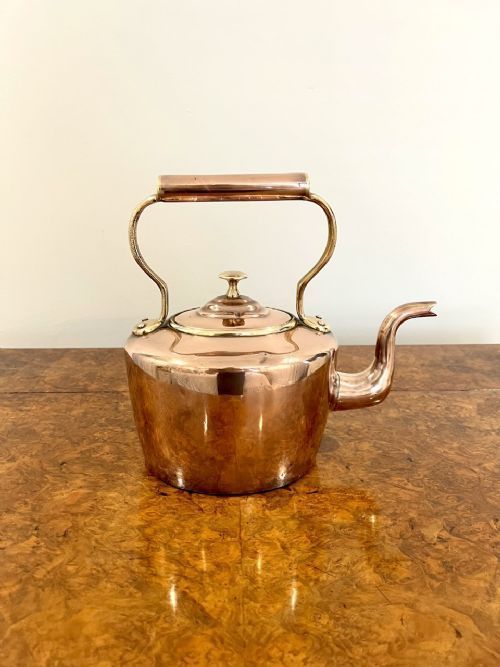
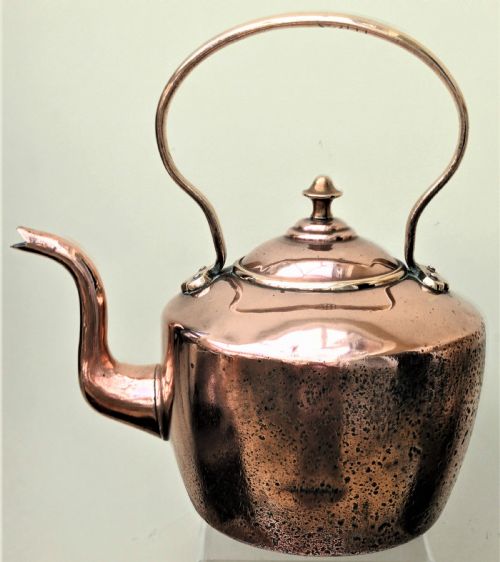
An antique metalware tea kettle is a utilitarian vessel built to boil water, commonly found in copper, brass, and bronze forms dating across the Georgian and Victorian periods. Buyers seeking an antique metalware tea kettle will frequently encounter sturdy George III copper designs alongside later Victorian spirit kettles and samovars.
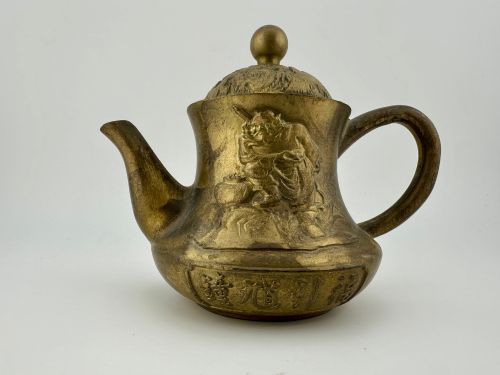
The selection spans domestic English kitchenware to international examples, including Chinese brass teapots and Japanese sake kettles with cloisonne lids from the Edo period. These vessels serve as functional fireplace companions or decorative display pieces, reflecting the domestic routines of past centuries through their enduring metal construction.
Materials and construction
Makers formed these kettles primarily from sheet copper and brass, frequently incorporating forged iron, bronze, and wooden handles to insulate against heat. Surface decoration varied from plain polished metal to intricate cloisonne enamel work, particularly on Japanese and Chinese export pieces.
Construction techniques relied on hand-hammered panels joined tightly together, paired with swing handles and cast spouts designed for daily hearth use. Stands and spirit burners accompanied larger Victorian and Georgian designs, requiring specialised metal assembly to support boiling water over heat.
Antique Metalware Tea Kettle Retail Price Guide 2026
Typical asking prices for metalware tea kettle among the pieces listed under this phrase on Sellingantiques today, from the lower quarter to the upper quarter. They describe what is for sale here now, not the wider market.
Several kettles still possess their original spirit burners, ready for an impromptu Victorian tea party that is roughly a century overdue.
Distinctions in quality
Quality rests in the weight of the metal plate, the crispness of the hand-beaten form, and the integrity of the riveted joints. Superior examples display balanced proportions, clean lines, and original handles or stands that integrate harmoniously with the body.
Domestic English copper vessels show distinction in the smoothness of the polished surface and the cleverness of small oval shapes. International pieces distinguish themselves through precise enamel work, decorative marks, and specialised lids that demonstrate advanced craft traditions.
The Antique Metalware Tea Kettle Glossary
- Spirit kettle
- A tea kettle mounted on a metal stand above a small burner fueled by spirit or alcohol. This setup kept water hot at the tea table.
- Samovar
- A large heated metal urn traditionally used to boil water for tea. Victorian examples often incorporated intricate spigots and sturdy handles.
- Cloisonne
- An ancient technique for decorating metal object surfaces with enamel compartments defined by thin metal strips. It appears on lids of specific Japanese kettles.
- Aesthetic Movement
- A late 19th-century design style emphasising visual and artistic qualities over narrative or practical function. Spirit kettles from this period reflect these refined decorative principles.
Antique Metalware Tea Kettle: Frequently Asked Questions
What is an antique spirit kettle?
An antique spirit kettle is a tea vessel elevated on a metal frame above a small burner. This design kept water boiling directly at the table during social gatherings.
These pieces usually date from the Victorian period and often feature matched stands, brass accents, and hinged handles for safe pouring.
How do I date a copper tea kettle?
Dating relies on observing construction methods, shape proportions, and surface materials. George III examples tend toward heavy copper plates with simple, robust lines.
Victorian pieces often introduce elaborate stands, brass fittings, and refined spouts, while earlier Dutch and Georgian forms show distinct hand-beaten joinery and swing handles.
Were these kettles used for daily tea?
Yes, these metalware vessels were primary kitchen and parlour tools for heating water over open hearths or coal fires. They were built for heavy domestic service.
Over decades of use, the thick copper and brass absorbed heat efficiently, making them essential daily implements before modern electric kettles existed.
Can I use an antique kettle on a modern stove?
Using antique kettles for heating water today requires caution regarding soldered joints, historic linings, and modern heat sources. Many collectors prefer them as decorative objects.
Displaying them on a shelf or sideboard preserves the original metal finish, wooden handles, and delicate internal components from thermal stress.