


Antique Metal Water Samovar
An antique metal water samovar brings an imposing presence and a slow, sociable hospitality to a room.
Antique Metal Water Samovar
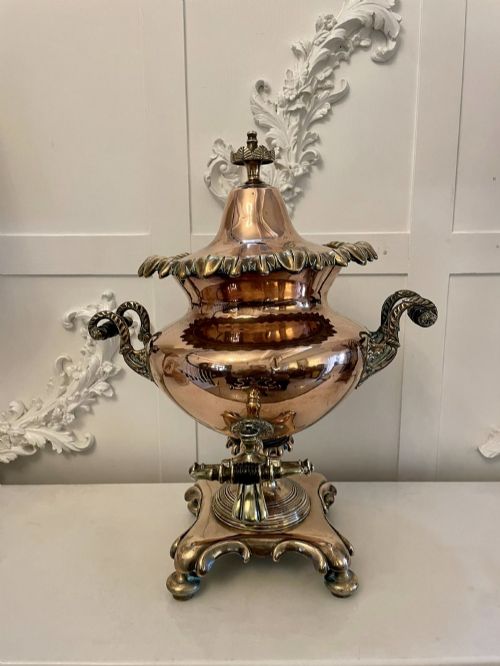
An antique metal water samovar is a large heated vessel traditionally used for boiling water, taking the form of tea urns, coffee urns, and decorative water dispensers. When you search this phrase, you encounter substantial metal containers designed to hold and dispense hot water for hospitality.
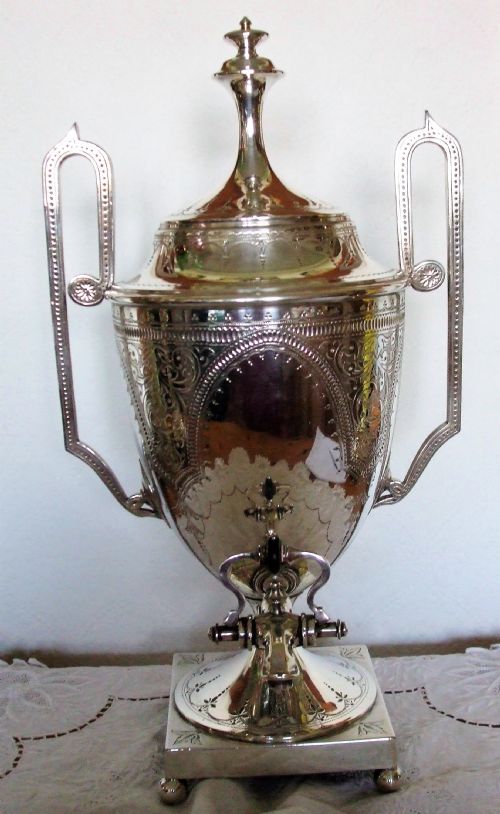
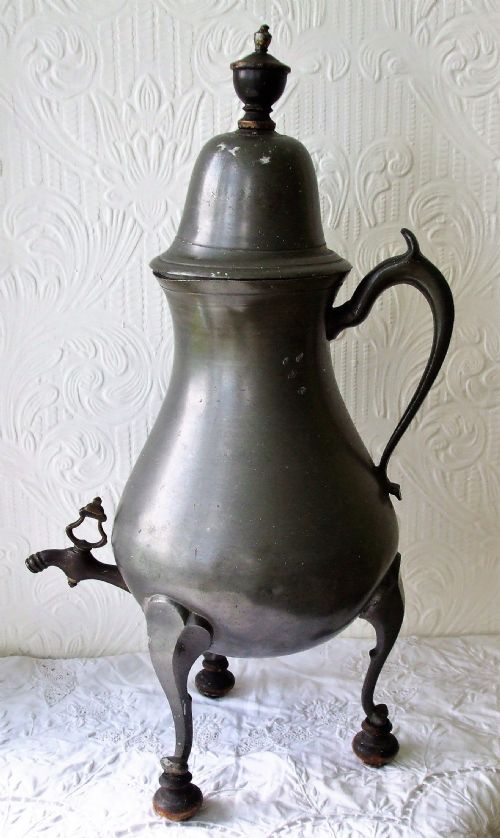
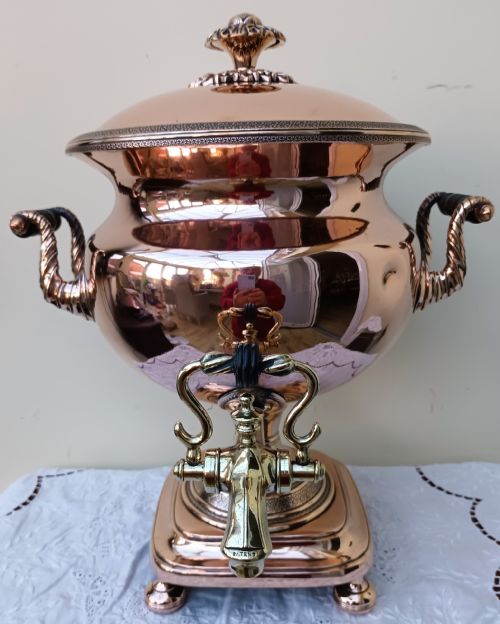
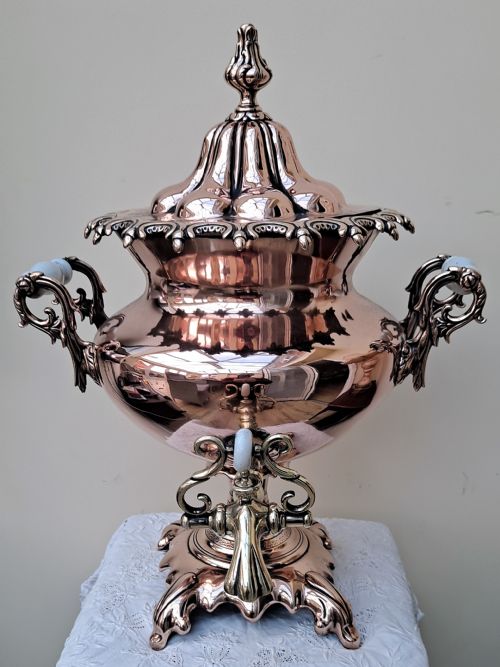
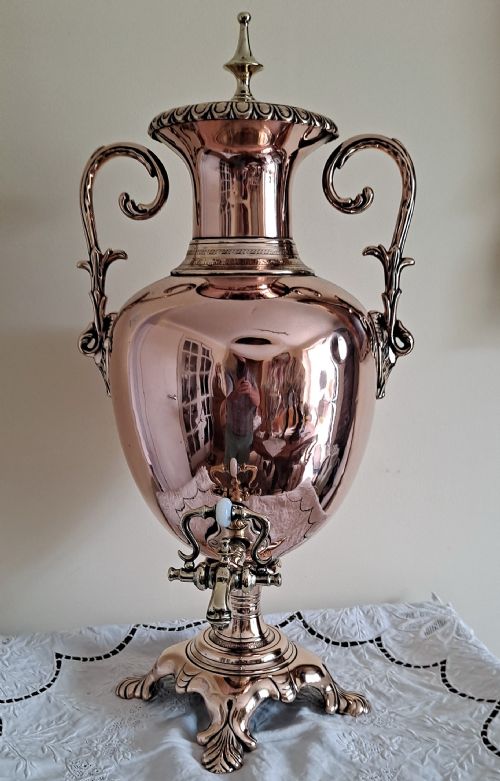
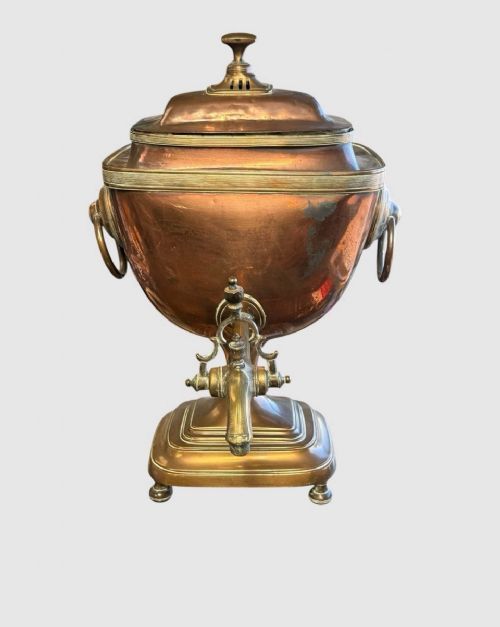
The versions most frequently met on this page date from the Georgian, Regency, and Victorian periods, often styled as tea urns or standard samovars. These pieces frequently combine copper with brass fittings or appear in silver plate and pewter.
Originating largely from English workshops, alongside Dutch and Japanese examples, these vessels reflect domestic entertaining traditions across the nineteenth and eighteenth centuries. Their forms range from classical urns to hanging vessels and japanned finishes.
Materials and Construction
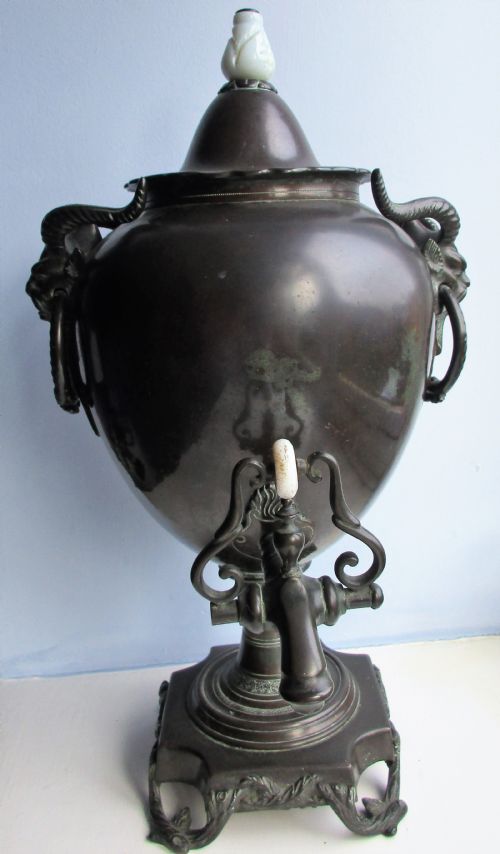
Makers constructed these vessels primarily from heavy sheet copper, beaten or spun into form, frequently accented with cast brass handles, spigots, and feet. Other examples employ pewter, bronze, or silver plate over a base metal, utilising durable joining techniques to withstand high heat.
Surface treatments vary from polished finishes to japanned decoration, such as Pontypool ware, and complex cloisonne enamel on specific imported pieces. Details like wood, bone, and ebonised wood often insulate the handles and spigot keys from boiling temperatures.
Dragons coil across a towering Japanese temple water dispenser, proving that even a kettle can harbour mythical beasts.
Assessing Quality and Execution
Quality rests upon the weight of the metal, the crispness of cast brass mounts, and the integrity of the original internal fittings and taps. Finer pieces display substantial gauge copper and balanced proportions rooted in Georgian Neoclassical or Regency design.
Superior examples retain their matching covers, internal heating tubes, and original spigots, whereas lesser or heavily altered pieces have lost these integral components. The refinement of surface chasing and the neatness of dovetail or soldered seams further separate standard utility items from masterwork vessels.
Walker & Hall·Benetfink & Co
The Antique Metal Water Samovar Glossary
- Samovar
- A heated metal vessel used to boil and heat water for tea, traditionally featuring an internal central tube for fuel or a heating element.
- Spigot
- A small tap or nozzle fitted near the base of the urn to control the flow of hot water.
- Japanned
- A type of European finish that imitated Asian lacquer work, often seen on tinware and metal vessels of the Georgian and Victorian eras.
- Bell Metal
- An alloy of copper and tin traditionally used for casting bells, recognised here in durable urn components and fittings.
- Spirit Kettle
- A small water kettle mounted on a stand with an integrated spirit burner, serving a similar sociable function to the larger samovar.
Antique Metal Water Samovar: Frequently Asked Questions
How do I use a samovar?
These historical vessels are generally purchased for display, interior styling, and collection rather than daily beverage preparation.
If you choose to use one, ensure all internal seals and historic metal linings are professionally inspected and cleaned before introducing water or heat.
What metal are they made from?
The listings on this page consist predominantly of copper, often paired with cast brass handles, spigots, and feet.
You will also encounter silver-plated examples, pewter coffee urns, bronzed copper, and occasional Japanese cloisonne enamel over metal bases.
How do I date a samovar?
Dating relies on stylistic markers such as Georgian classical proportions, Regency bronze finishes, or Victorian maker's marks.
Examining construction methods, handle insulation materials, and associated hallmarks helps narrow down whether a piece originates from the eighteenth or nineteenth century.
Are original fittings important?
Retaining the original spigots, handles, and internal components significantly preserves the integrity and character of the vessel.
Replacements are common in antique metalwork, so matching period fittings indicate a higher degree of preservation.