

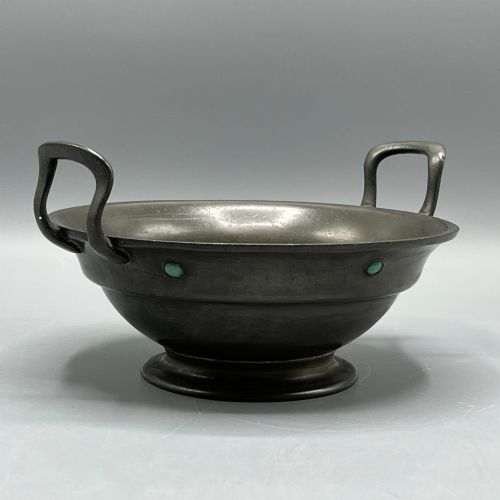


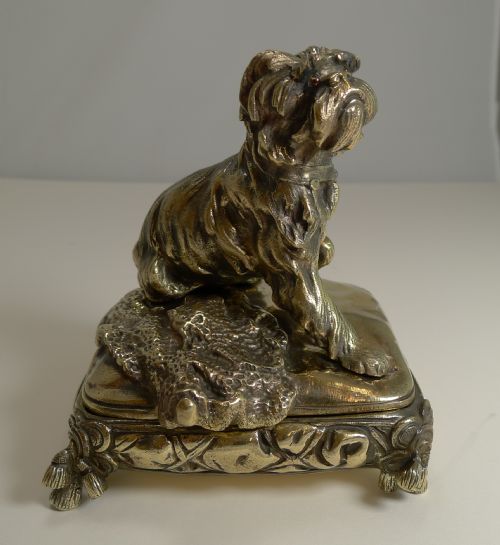


Antique Metal Trinket Dish
An antique metal trinket dish is a small decorative vessel for holding pins and small valuables, prized for its craftsmanship and material quality.
Antique Metal Trinket Dish
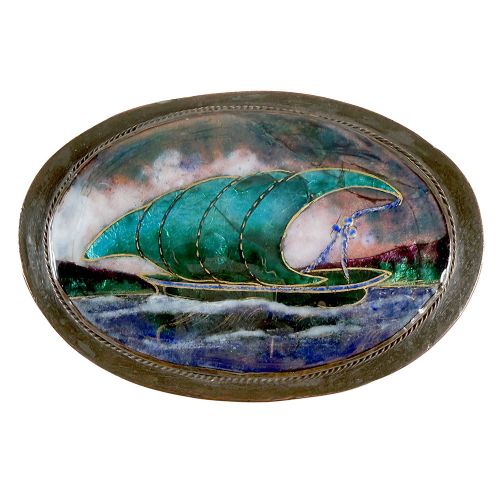
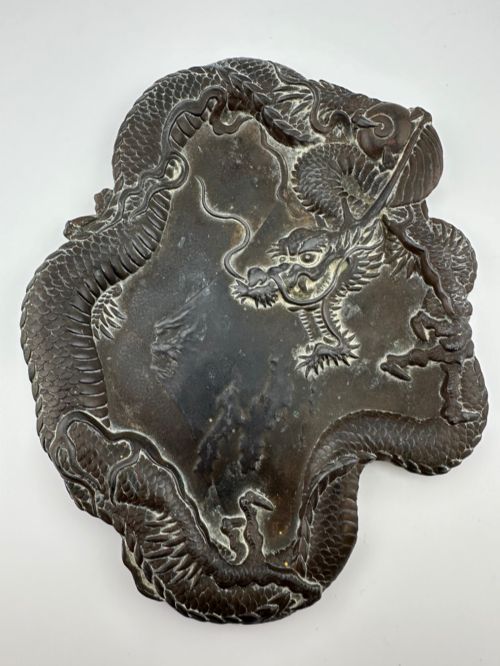
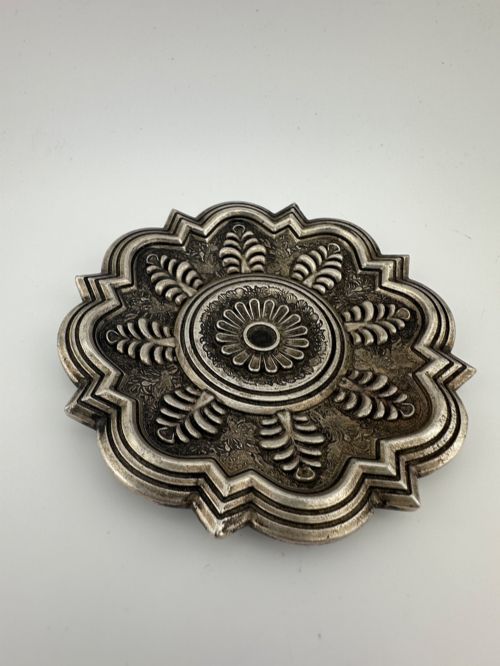
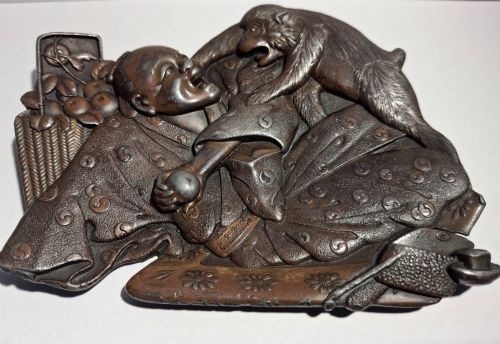
When you search for an antique metal trinket dish, you encounter a variety of small vessels, card trays, pin trays, and lidded boxes designed to sit on a dressing table or desk. These pieces span the Victorian era, the Art Nouveau and Art Deco periods, and encompass diverse regional origins including Chinese Export, Japanese Edo period, and European workshops.
The most common forms on this page include shallow dishes and figural card trays, alongside lidded bronze boxes and pewter bowls. They serve both a decorative and a practical function, originally intended for small personal items like rings, pins, and visiting cards.
Materials and construction
These pieces rely on a range of metals including pewter, bronze, brass, silver, white metal, and spelter, often paired with secondary materials such as onyx, glass, and enamel. Artisans utilised casting, cold painting, and cloisonne techniques to build surface texture and colour.
Workshops such as Liberty & Co and WMF shaped pewter and Britannia metal into organic Art Nouveau forms, whilst Japanese and Chinese makers applied intricate mixed metalwork and enamel to bronze and white metal bases.
Antique Metal Trinket Dish Retail Price Guide 2026
Typical asking prices for metal trinket dish among the pieces listed under this phrase on Sellingantiques today, from the lower quarter to the upper quarter. They describe what is for sale here now, not the wider market.
Assessing quality and execution
Quality in these vessels rests on the crispness of the casting and the finesse of any hand-finished details, such as cold-painted pigments or mixed metal inlays. Pieces with integrated stone plinths, cabochons, or complex figural motifs generally demand closer attention to the joinery and overall preservation of the metal surface.
The distinction between standard commercial output and superior studio work lies in the depth of relief, the weight of the metal, and the retention of original patination and colour.
Liberty & Co·WMF
The Antique Metal Trinket Dish Glossary
- Vide poche
- Literally meaning empty pocket in French, this is a small tray or dish placed in a hallway or on a desk to hold loose change, keys, or pocket items.
- Cold painted bronze
- A method where bronze figures are painted with natural oil paints and left unheated, meaning the finish can be delicate and prone to flaking if handled roughly.
- Spelter
- A zinc alloy frequently used as a cheaper substitute for bronze, particularly during the Art Deco period, and usually given a bronze-like or gilt coating.
- Cabochon
- A gemstone or piece of glass shaped and polished as a convex dome rather than faceted, often set into metalwork during the Arts and Crafts movement.
- Tazza
- A shallow ornamental bowl or cup mounted on a stem and foot, used historically for serving small items or simply for display.
Antique Metal Trinket Dish: Frequently Asked Questions
What is an antique metal trinket dish used for?
These small dishes were traditionally placed on dressing tables, hallways, or desks to hold items like pins, rings, keys, and calling cards.
Today, they serve a similar purpose while functioning as decorative tabletop accents that showcase historical metalwork.
How do I identify Art Nouveau metal dishes?
Art Nouveau pieces typically feature organic motifs, such as flowing plant tendrils, stylized flowers, or figural maidens with long hair.
Maker signatures and the use of pewter or Britannia metal are also common characteristics of this style on this page.
What is cold painted bronze?
Cold painted bronze refers to bronze sculptures or dishes decorated with non-fired oil paint rather than fired enamel.
This technique produces vibrant colours, though the paint requires gentle care to prevent wear over time.
Are these dishes made of solid bronze?
Not all pieces are solid bronze, as the selections include items cast in brass, pewter, white metal, and spelter.
Each metal offers a different weight, colour, and patination developed over decades of age.