


Antique Metal Tea Pot
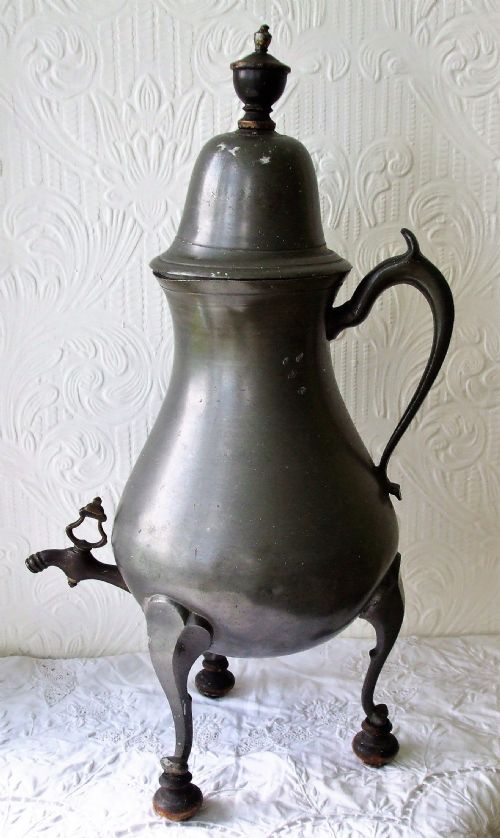
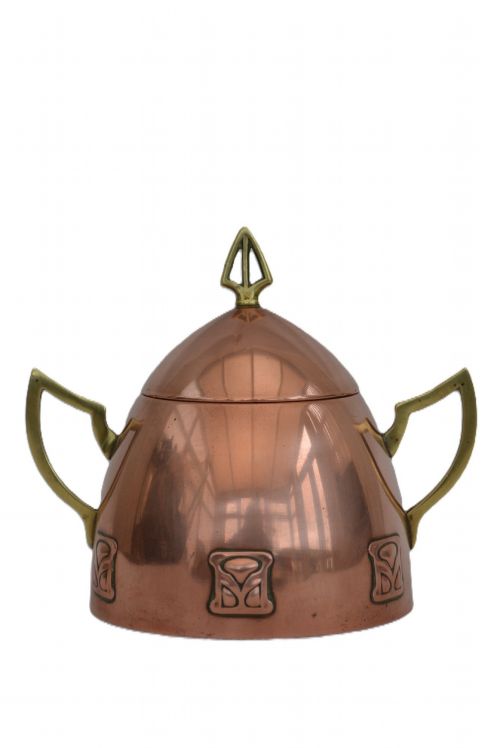
An antique metal tea pot brings heavy copper, gleaming brass or solid pewter straight from the hearth to the table.
Antique Metal Tea Pot
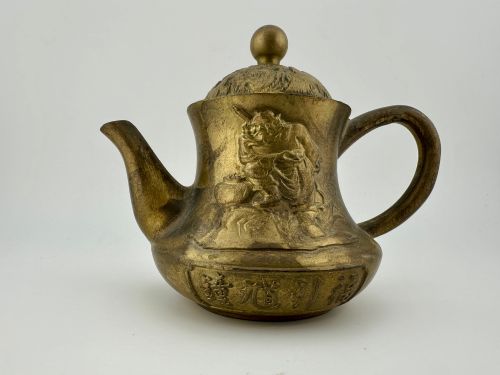
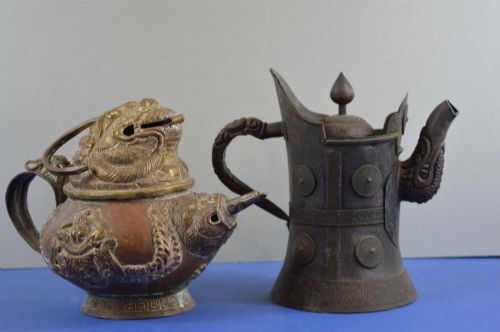
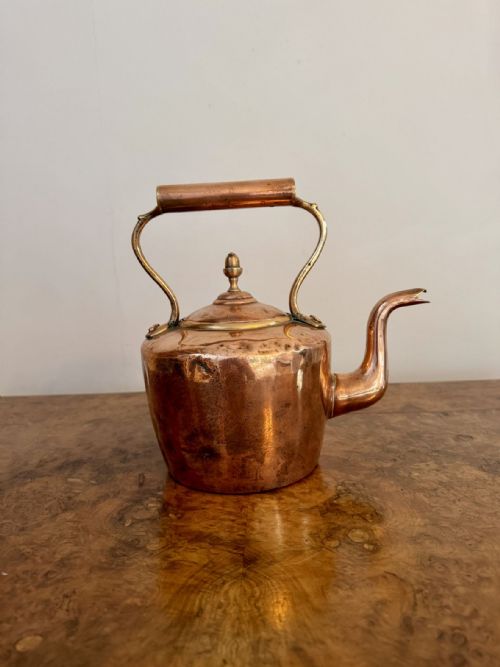
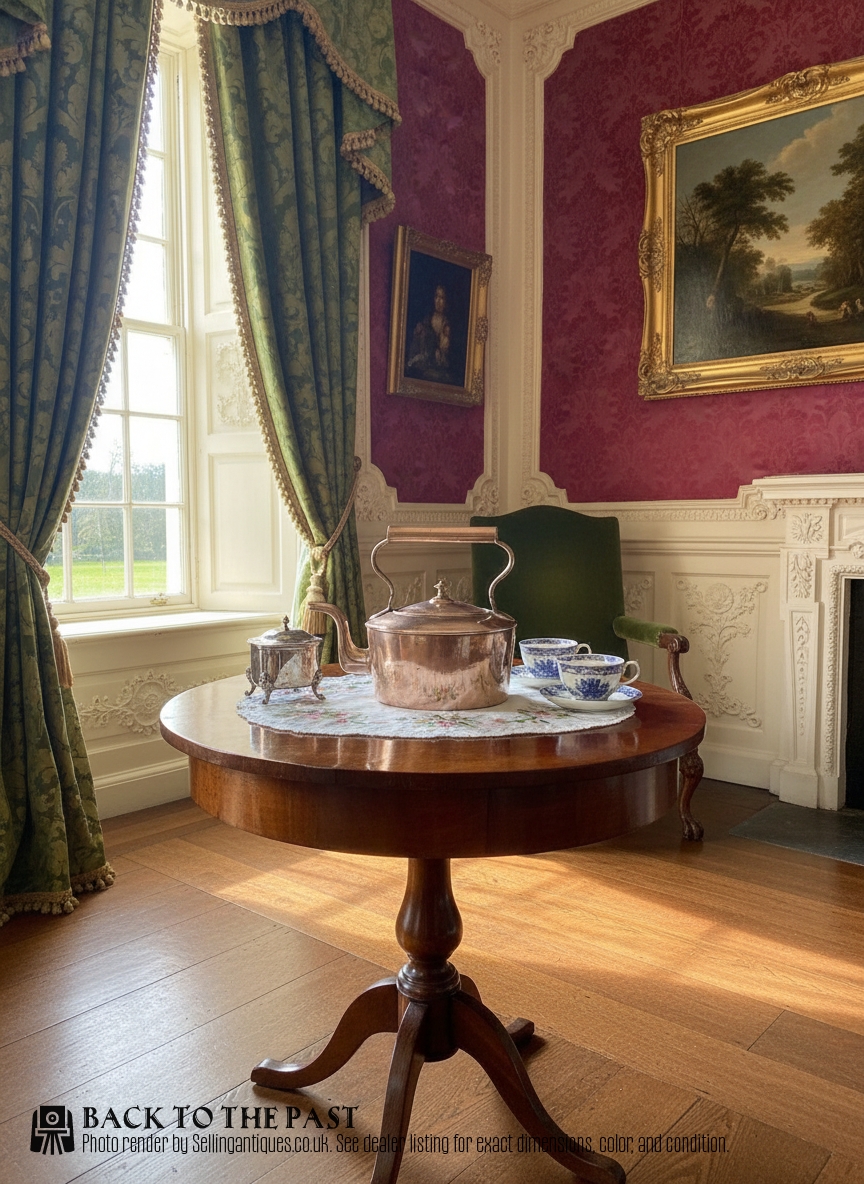
An antique metal tea pot encompasses vessels made for brewing and serving hot water or tea, ranging from simple hearth kettles to formal silver plated services. When searching for an antique metal tea pot, buyers most frequently encounter utilitarian copper and brass vessels alongside more decorative tea sets.
The selection draws on several distinct periods, with Georgian copper kettles and Victorian four piece services appearing most often. Forms vary from small round vessels and oval kettles to tall coffee urns and ceremonial ewers.

How they were made
Metalworking techniques combine sheet copper, brass, and pewter, often joined with brass fittings and wooden handles. Many vessels employ silver plating over a base metal, while others incorporate intricate cloisonné enamel work.
Makers shaped these metals by hand or utilised early industrial presses, adding hammered textures, cast spouts, and hinged lids built to withstand daily use on the hearth.
Antique Metal Tea Pot Retail Price Guide 2026
Typical asking prices for metal tea pot among the pieces listed under this phrase on Sellingantiques today, from the lower quarter to the upper quarter. They describe what is for sale here now, not the wider market.
Listings feature items spanning the eighteenth, nineteenth, and twentieth centuries, including Georgian, Victorian, and Edwardian periods.
What varies in quality
Quality rests on the weight of the metal, the crispness of any cast details, and the integrity of the joins around the spout and handle. Heavier gauge copper and substantial brass bases separate everyday utilitarian items from finer examples intended for formal display.
The skill of the maker shows in the balance of the vessel and the harmonious integration of wooden insulators on handles, ensuring both utility and visual proportion.
William Soutter And Sons·Walker And Hall·Boardman Glossop And Co
The Antique Metal Tea Pot Glossary
- George III
- A British period spanning the late eighteenth and early nineteenth centuries, notable for well proportioned copper kettles. Pieces from this era often feature clean lines and substantial heft.
- Old Sheffield Plate
- An early form of composite metal made by fusing a thin sheet of silver to a copper base. This technique creates a rich surface that wears down gradually over generations.
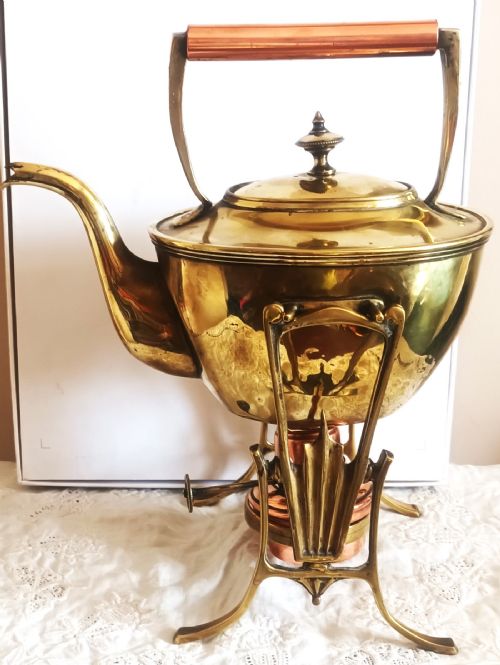
- Spirit Kettle
- A tea kettle mounted on a metal stand with an integrated burner underneath. These vessels kept water hot at the table during the Georgian and Victorian periods.
- Cloisonné
- A decorative metalwork technique where enamel paste is applied within compartments formed by thin metal strips. It appears frequently on lids and bodies of eastern vessels.
- Pewter
- A malleable alloy containing tin, historically used for domestic vessels like coffee urns. It develops a soft, dark grey patina with age.
Antique Metal Tea Pot: Frequently Asked Questions
How do I clean an old copper kettle?
Traditional copper vessels respond well to gentle cleaning pastes that lift oxidation without stripping the underlying metal. Many collectors prefer to leave a warm, aged patina rather than polishing the surface to a bright shine.
Harsh chemical abrasives can permanently damage thin plating or etch the softer metals beneath. Regular dusting and occasional mild washing protect the historic finish.
Can I still use these kettles on a modern stove?
Most antique metal kettles were designed for open hearths or early coal stoves rather than direct contact with modern induction or high heat burners. Using them for boiling water today requires caution to avoid melting historic solder joints.
Many buyers choose to display these vessels as decorative centerpieces rather than risking damage from daily kitchen use. If used, ensure the interior is clean and free from harmful residues.
What is the difference between a kettle and a teapot?
A kettle is built specifically for boiling water on a heat source, featuring a sturdy handle and a thick base designed to withstand high temperatures. They often appear alongside stands or burners in early dining rooms. <br> A teapot is used strictly for steeping and serving tea leaves with hot water added from a separate vessel. They tend to have more delicate construction and lack the heavy duty base of a boiling kettle.
How do I date a brass or copper tea pot?
Dating relies on examining the construction methods, such as hand-beaten seams versus machine rolled sheets, alongside handle attachments and maker marks. Georgian pieces often display simpler, heavier forms while Victorian examples introduce more varied ornamentation.
Comparing the style of the spout and the type of metal plating helps narrow down the manufacturing decade. Consulting known makers recorded on the base provides further chronological certainty.