



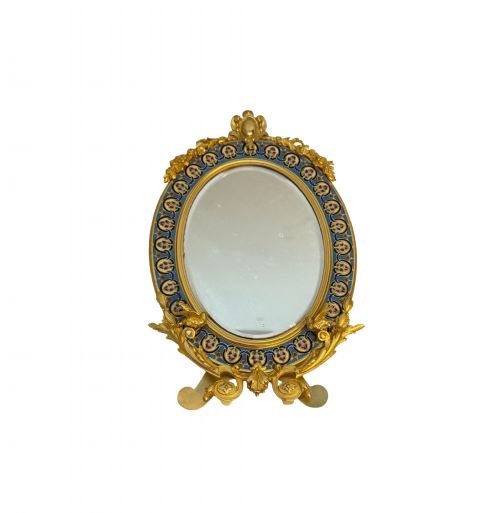
Antique Metal Mirror
An antique metal mirror brings reflective depth and tactile weight to a room, ranging from cast brass frames to beaten copper Arts and Crafts designs.
Antique Metal Mirror
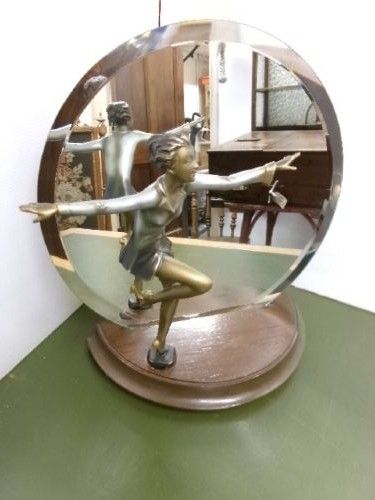
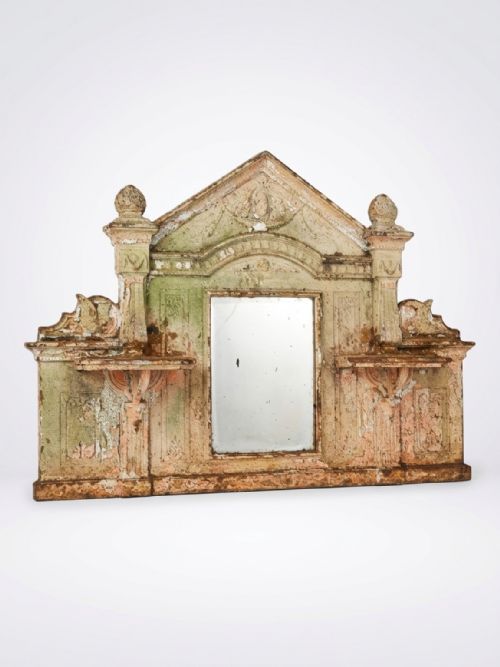
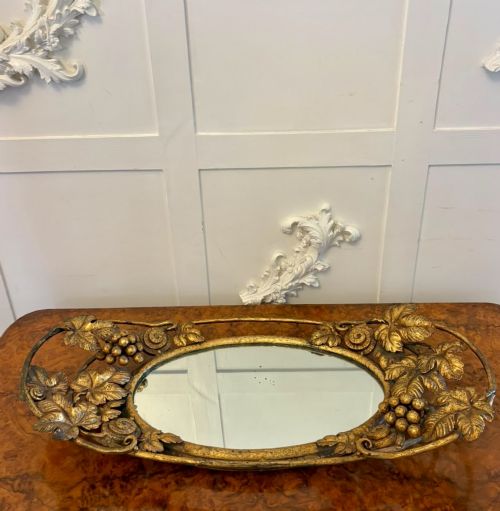
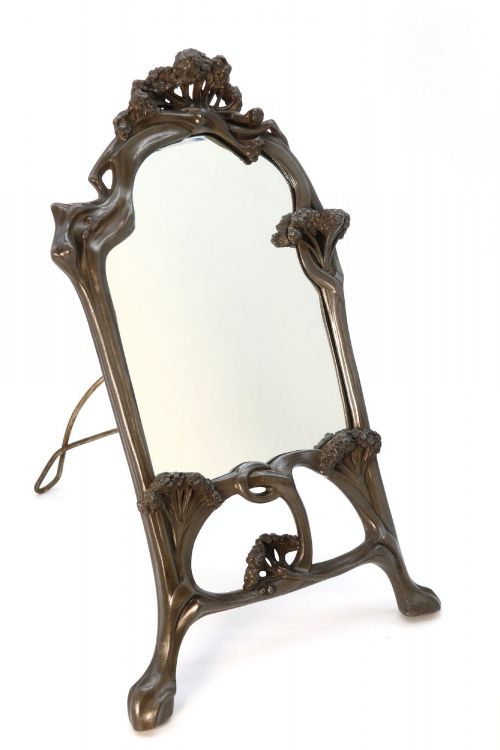
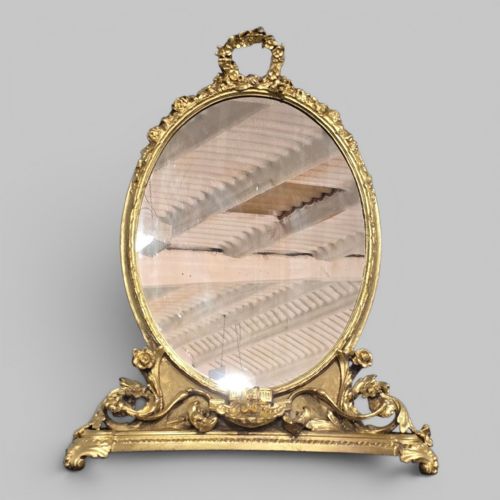
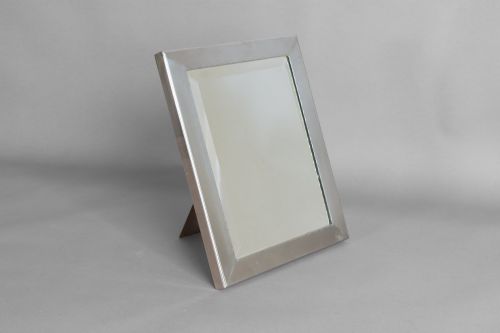
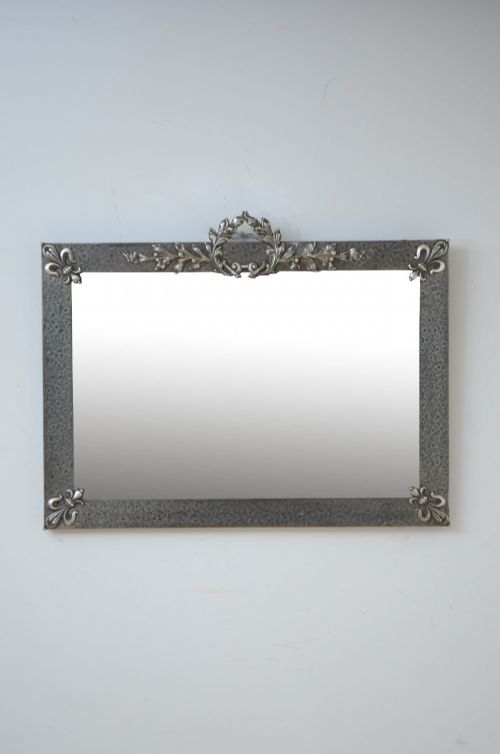
When you search for an antique metal mirror, you encounter a diverse array of domestic objects spanning the Victorian era through to the Art Deco period. These pieces encompass wall-mounted looking glasses, dressing table mirrors, and small vanity items fashioned from various metallic alloys.
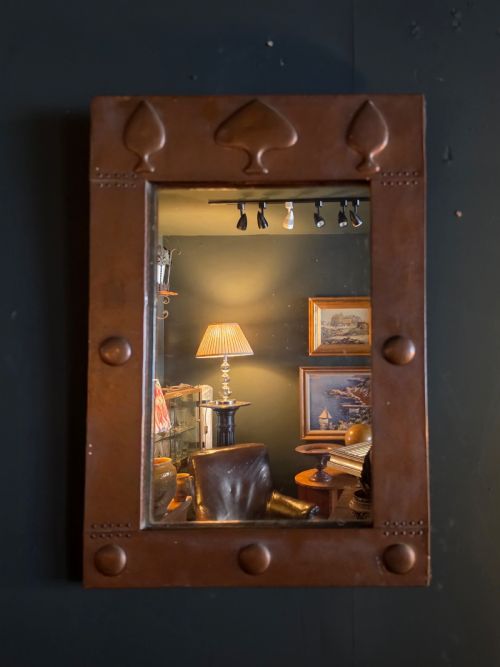
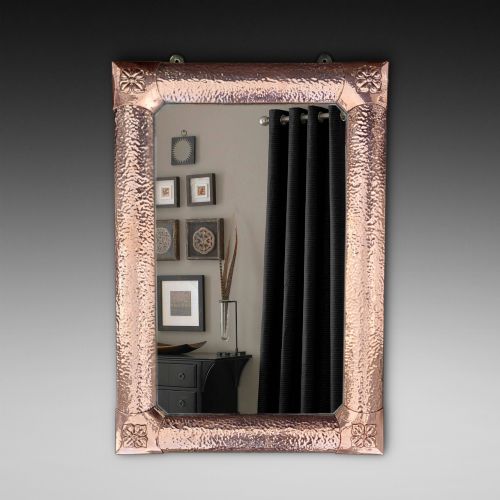
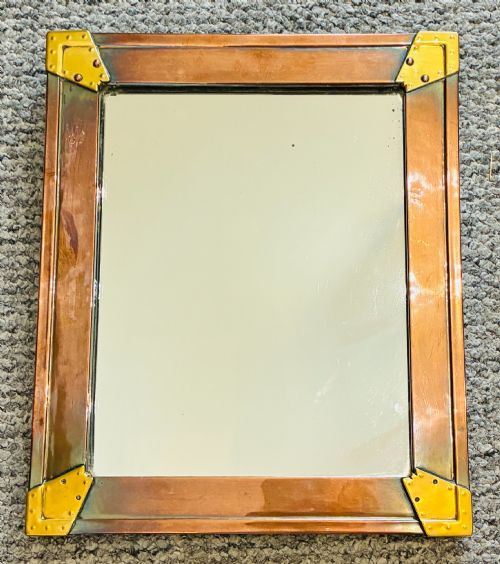
The domestic selection on this page relies heavily on the output of the Arts and Crafts movement alongside French works from the late nineteenth century. Wall mirrors with beaten copper or cast brass frames appear frequently, often paired with bevelled mirror glass.
Beyond standard wall hangings, the category extends to table top toilet mirrors, French champlevé picture frames, and small accessories like powder compacts. Each object demonstrates how functional items were elevated through metalwork techniques.
How they were made
The construction of an antique metal mirror typically involves casting, hammering, or stamping metals such as brass, copper, bronze, and gilt metal. Artisans utilised techniques like repoussé and chasing to impart relief ornamentation directly onto the metal frames.
Makers integrated glass panels, sometimes featuring bevelling, into robust metal armatures or wooden backs with gilt metal mounts. Details such as applied cabochons, champlevé enamel work, and patinated finishes completed the visual identity of the piece.
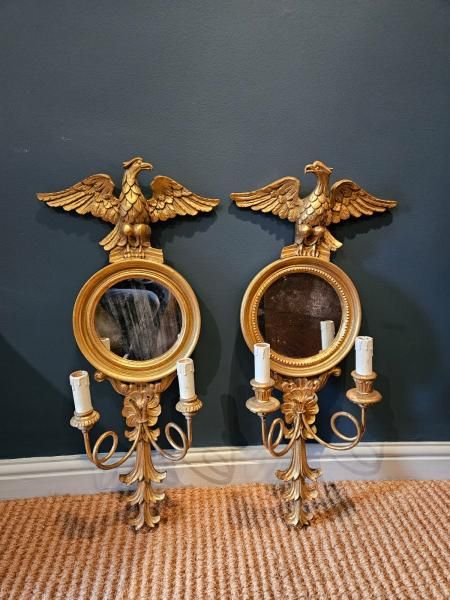
Object forms span wall mirrors, table mirrors, vanity cases, powder compacts, and decorative wall sconces.
What varies in quality
Quality in these pieces is dictated by the crispness of the casting and the depth of hand-worked surface detail, such as repoussé hammer marks. Finer examples display meticulous chasing on bronze or brass, whereas simpler items rely on plain stamped sheet metal.
The integrity of the original mercury or silvered mirror glass and the stability of the structural joints also distinguish standard items from superior works. Furthermore, the presence of designer signatures or workshop marks elevates the standing of a mirror.
Liberty and Company·Louis Auguste Moreau·Cartier·Coalbrookdale
The Antique Metal Mirror Glossary
- Repoussé
- A metalworking technique where the metal is hammered from the reverse side to form a raised design in relief. This method was widely utilised by Arts and Crafts metalworkers.
- Champlevé
- An enamelling technique where troughs or cells are carved into the surface of a metal object and filled with vitreous enamel before firing. It frequently appears on French decorative frames and mirrors.
- Girandole
- A branched wall fixture featuring a mirror, designed to hold candles and reflect the light into the interior space. These are typically cast in gilt bronze or brass.
- Ormolu
- Gilt bronze produced by applying a finely ground high-carat gold-mercury amalgam to a bronze object, which is then heated to drive off the mercury. This technique creates a rich golden surface finish on 19th-century pieces.
Antique Metal Mirror: Frequently Asked Questions
How do I date a brass wall mirror?
Dating relies on examining the manufacturing marks, fastening methods, and stylistic cues such as Victorian crests or Arts and Crafts motifs. Cast brass elements and hand-beaten copper usually point towards the late nineteenth or early twentieth century.
Changes in screw types, glass silvering techniques, and backboards also provide reliable clues for establishing the correct period of production.
Were these mirrors used in bedrooms?
Many of these pieces were specifically created as dressing table or toilet mirrors for bedrooms, allowing individuals to use them for grooming and dressing. Table top versions and vanity mirrors were standard bedroom fixtures.
Other formats, such as wall sconces and large hall mirrors, served functional and decorative purposes in reception rooms and hallways.
How do I clean a metal mirror frame?
Cleaning requires a gentle approach to preserve the original patina and any gilt or silver-plated finishes. Dusting with a soft, dry cloth is usually sufficient for regular maintenance.
Avoid abrasive polishes that can strip away historic patination or damage delicate hand-beaten copper and cast brass details.