
Antique Metal Log Bin
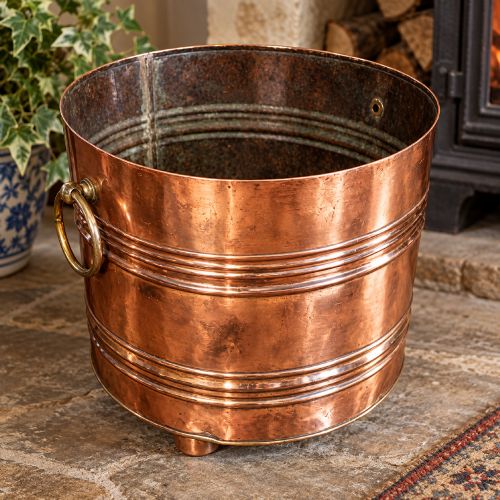
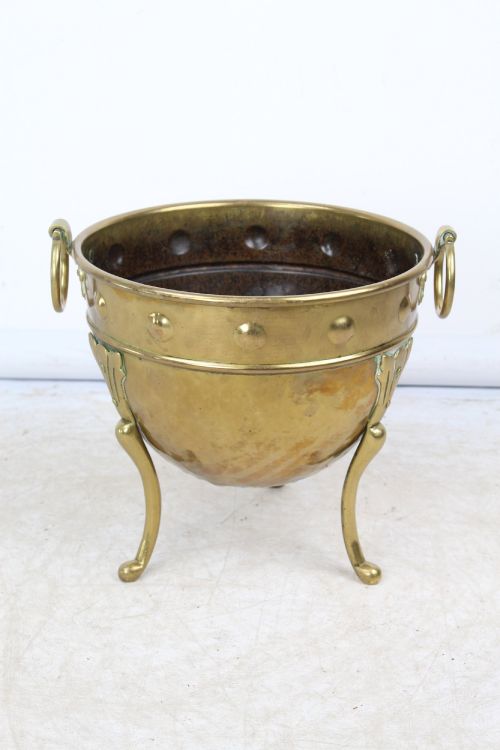
These antique metal log bins bring heavy brass, copper and iron warmth directly to a hearth, holding fuel while grounding a fireplace with genuine period weight.
Antique Metal Log Bin
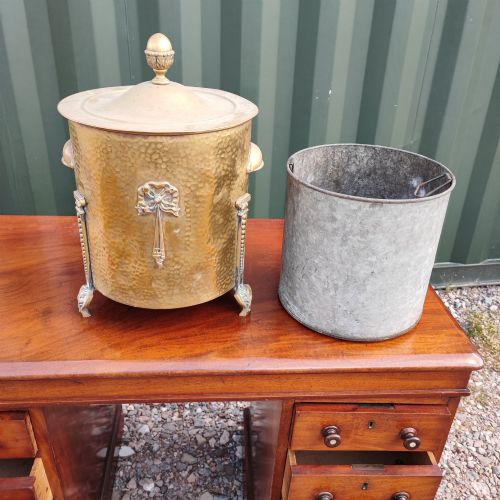
When searching for an antique metal log bin, buyers encounter heavy vessels originally built to store coal, wood and kindling by the hearth. The forms span from Georgian and Victorian periods through Edwardian workshops, often crossing paths with utilitarian wash tubs, grain measures and jardinieres.
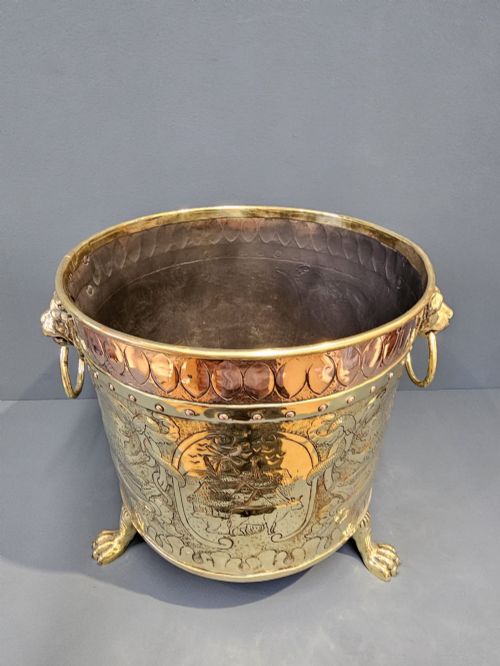
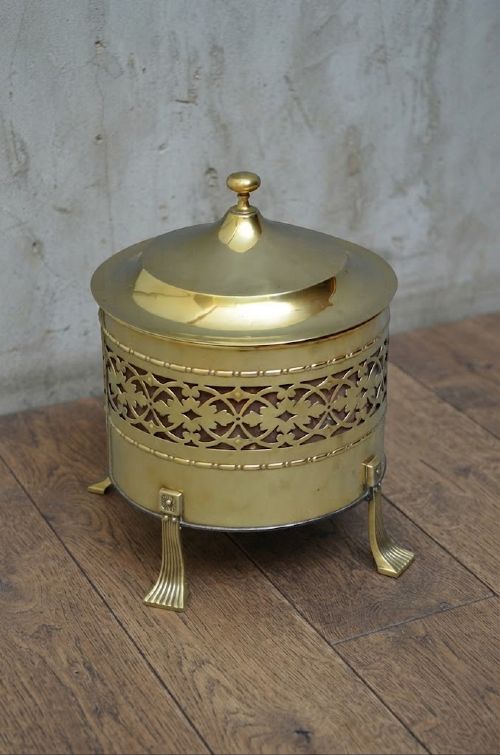
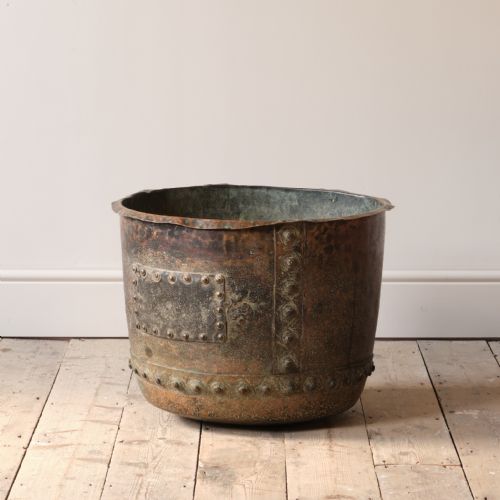
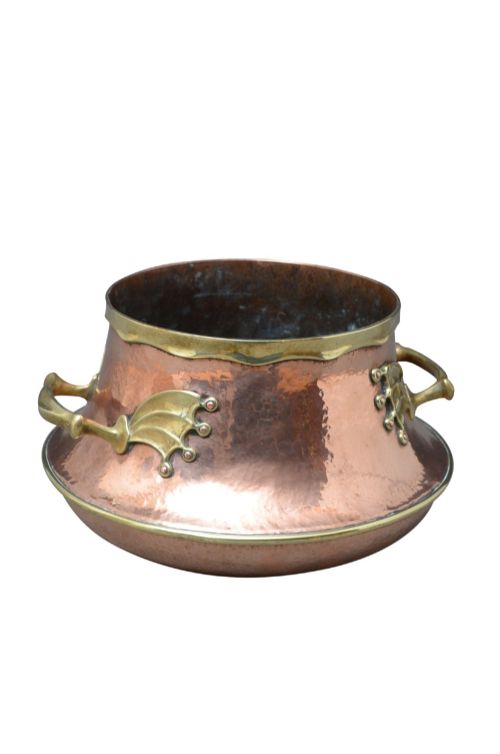
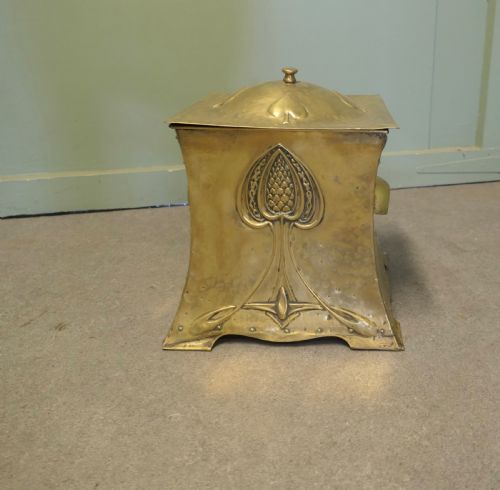
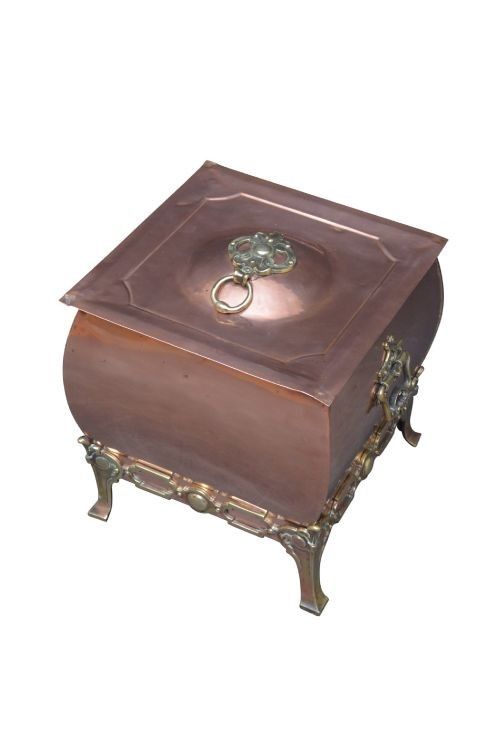
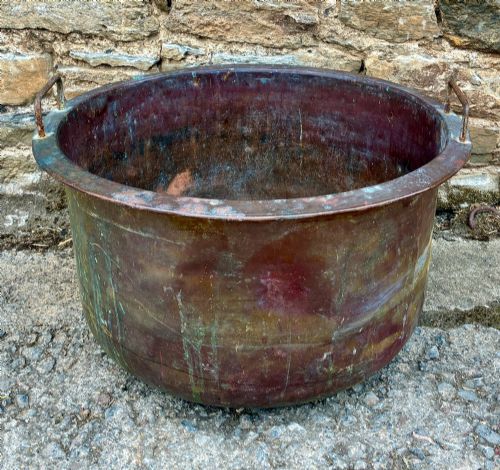
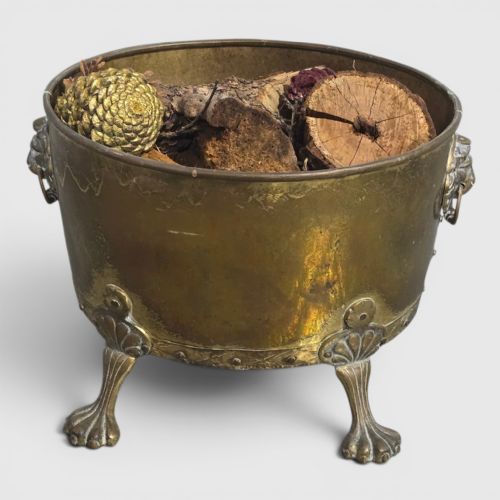
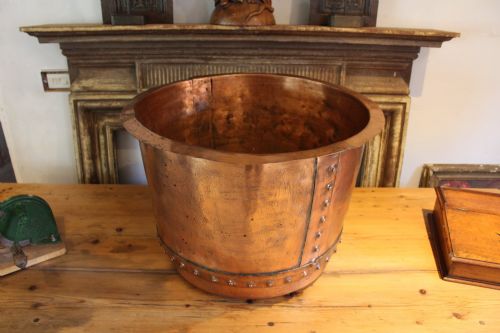
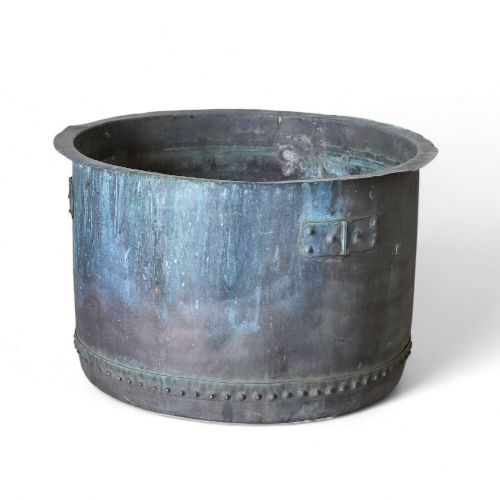
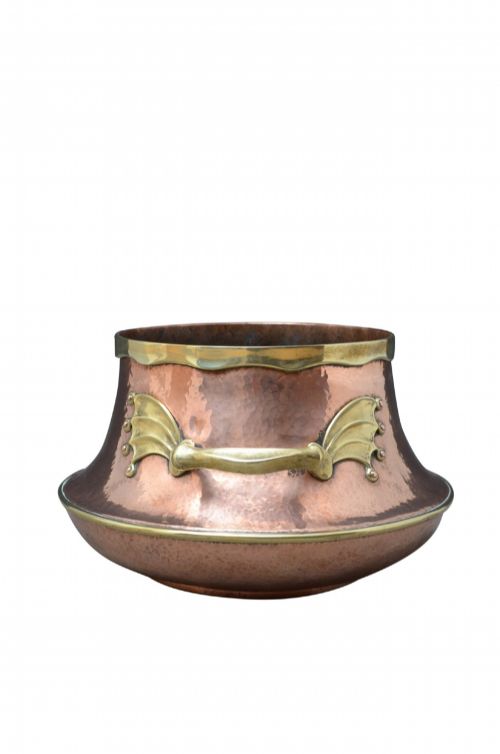
The most common examples on this page are Victorian and Arts and Crafts copper or brass pots, buckets and scuttles. Many measure large in scale, occasionally featuring riveted seams, iron frames, handles or decorative embossing.
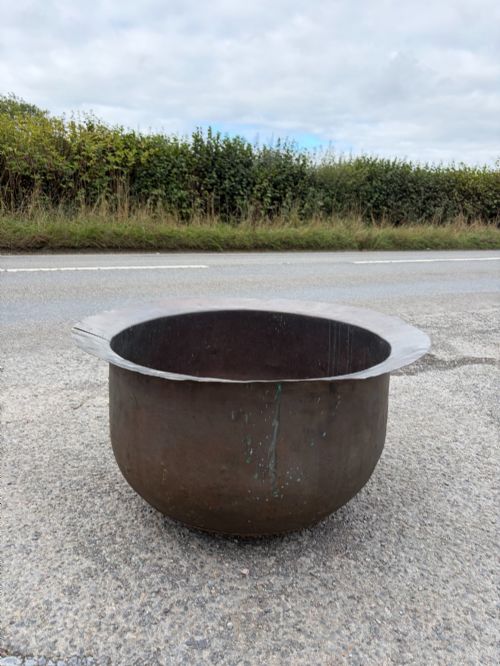
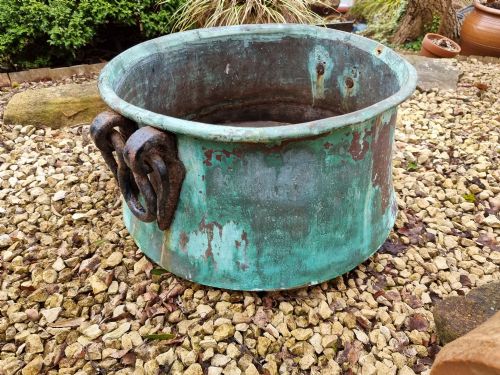
Beyond holding fuel, these sturdy vessels double as plant pots or planters. Their robust metal construction allows them to sit comfortably beside a fireplace or transition into decorative storage pieces across different rooms.
How they were made
Makers shaped these vessels primarily from sheet copper and brass, frequently joining the heavy metal walls with visible hand-riveting. Wrought iron and galvanised metal also appear on frames, handles and structural supports.
Surface finishing involved hand-hammering, embossing and fretwork designs, particularly during the Arts and Crafts and Art Nouveau periods. Many surfaces developed natural patinas, verdigris finishes and weathered textures over decades of fireside use.
The documented periods span from Georgian and Victorian times through Edwardian and 1930s utilitarian designs.
What varies in quality
The distinction between ordinary and exceptional pieces lies in the weight of the metal and the integrity of the construction. Heavy-gauge copper with crisp hand-riveting or deliberate Arts and Crafts embossing holds its structural shape better than thin, machine-pressed alternatives.
Originality of components also dictates standing. Bins retaining authentic wrought iron handles, matching lids and uncompromised frames command greater attention than examples with replaced hardware or excessive modern repairs.
Henry Loveridge·Richard Arkwright Masson Mills·Petrus Ramus
The Antique Metal Log Bin Glossary
- Patina
- The surface sheen and oxidation developed over years of exposure and polishing. It gives older metals a depth that modern manufacturing cannot replicate.
- Verdigris
- The green crust or patina formed on copper and brass through atmospheric oxidation. This surface layer indicates considerable age and chemical interaction with the elements.
- Jardiniere
- An ornamental pot or stand for flowers and plants. Many large metal vessels originally built for coal found a second life in this decorative role.
- Embossing
- Raising a design from the surface by hammering or pressing from the reverse side. Victorian brass bins frequently utilised this technique for floral or geometric decoration.
- Fretwork
- Ornamental design perforated or cut out of a metal sheet. Edwardian buckets often incorporated this openwork technique around the upper rim.
Antique Metal Log Bin: Frequently Asked Questions
How do I clean an antique copper bin?
Wash the metal gently with warm soapy water and a soft cloth to remove surface soot and dust. Avoid harsh chemical polishes if you wish to preserve the historical patina.
Dry the vessel thoroughly immediately afterwards to prevent water spotting or fresh corrosion on exposed iron and copper surfaces.
Can these bins hold logs safely?
These metal vessels were constructed specifically to hold coal, kindling and firewood beside active fireplaces. Their solid copper and iron bodies easily withstand the weight and rough texture of logs.
Ensure the interior is completely dry before loading wood to prevent lingering moisture from marking the bottom of the bin.
How do I date a brass log bin?
Examine the construction methods, such as how the side seams are joined and whether the handles are hand-riveted or machine-cast. Victorian and Edwardian pieces often display distinct decorative styles like Arts and Crafts embossing or fretwork.
Look for maker stamps or registration marks stamped near the base or rim, which can point directly to specific production eras.
Are these items waterproof for plants?
Many of these metal pots and coal buckets were adapted into planters or jardinieres over time. Solid riveted copper naturally holds water well, though older seams should be checked for slow leaks.
Consider placing a plastic saucer inside the base to protect delicate antique interior surfaces from prolonged damp soil contact.