
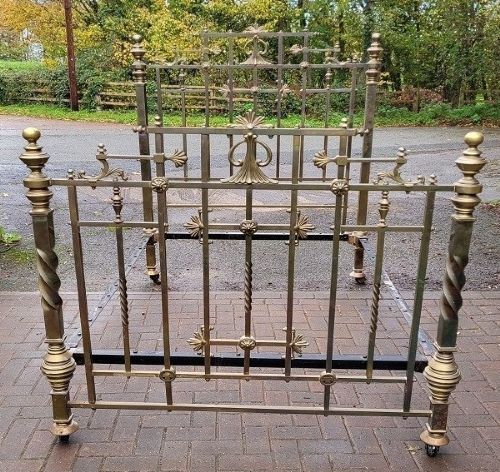
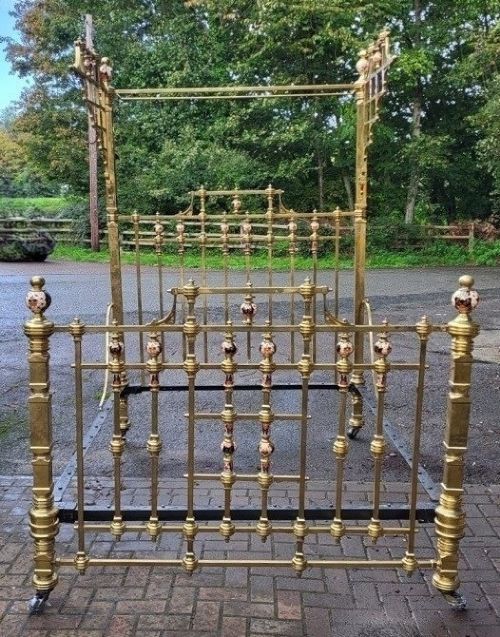
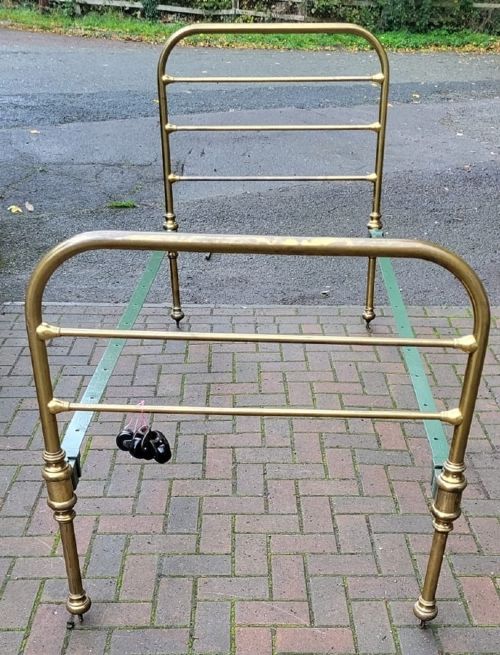
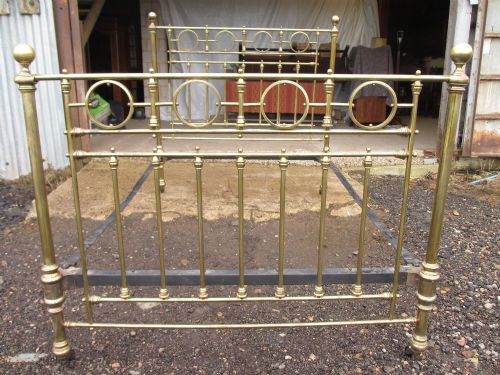

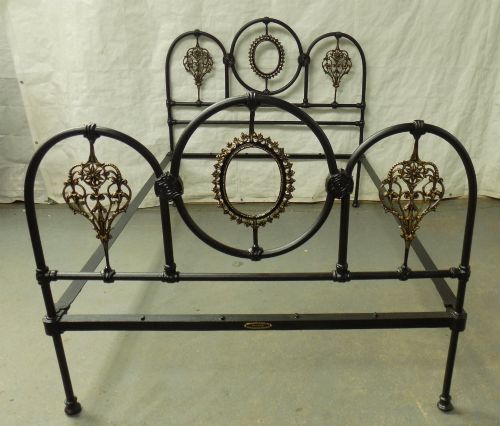
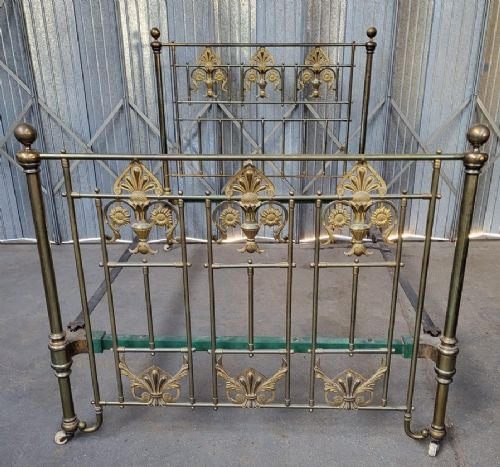
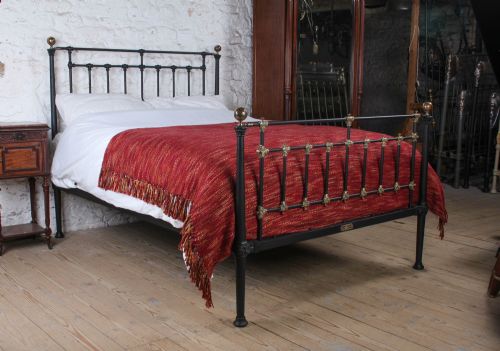
Antique Metal Headboard Footboard
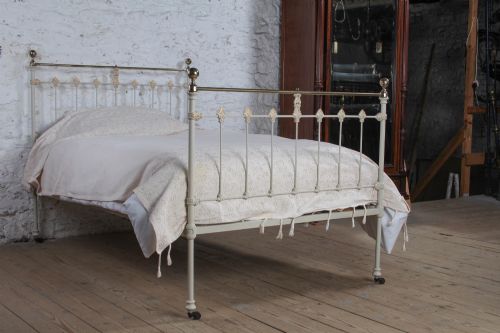
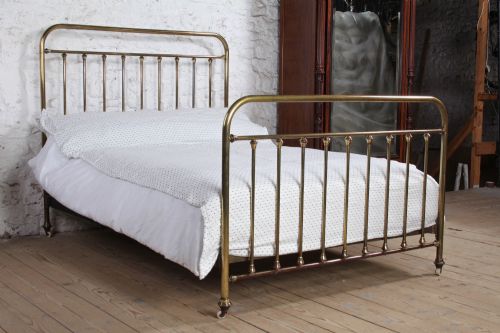
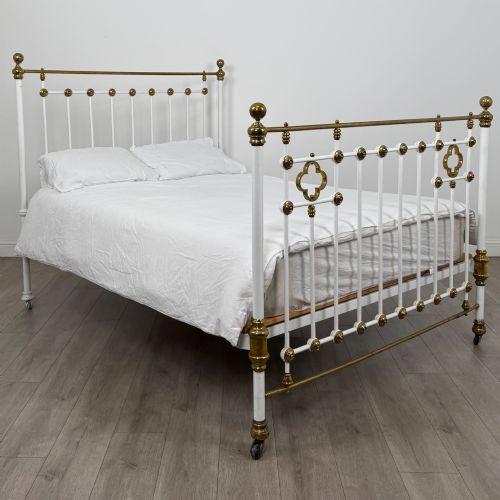
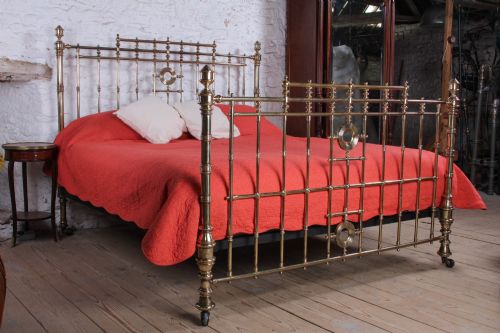
These antique metal headboard footboard sets bring substantial Victorian presence and robust construction into contemporary bedrooms.
Antique Metal Headboard Footboard
When you search for an antique metal headboard footboard, you encounter complete bedsteads spanning the Victorian era through the early twentieth century. These pieces combine structural frames with prominent metal ends designed to anchor a bedroom scheme.
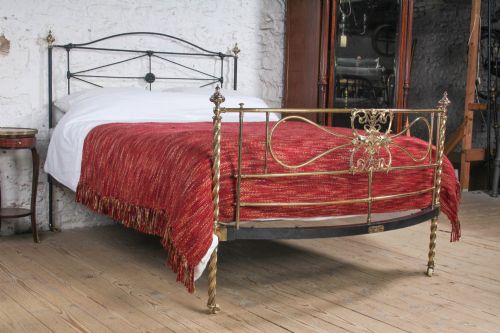
The selections on this page concentrate heavily on double, king, and super king sizes originating from Victorian workshops and later French provincial styles. You will find examples ranging from ornate Gothic Revival designs to simple straight rail frames.
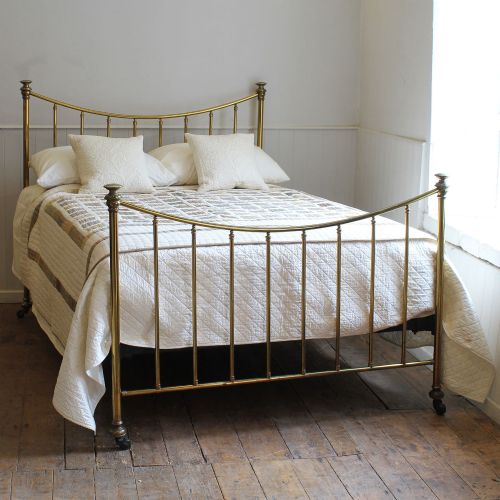
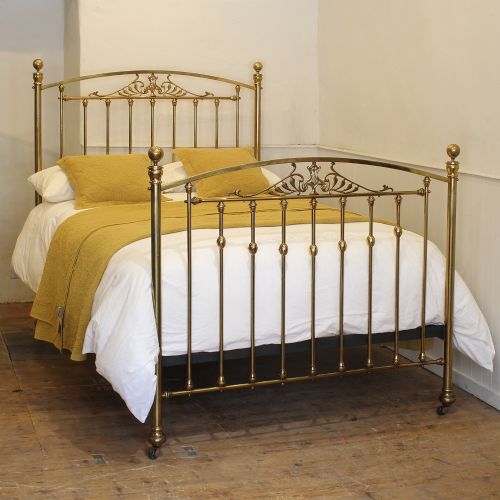
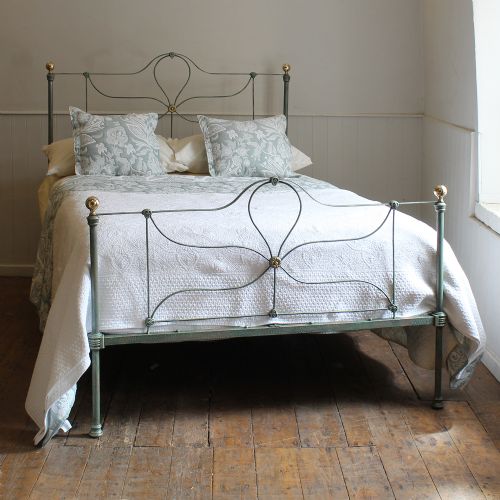
Many of these bedsteads incorporate iron slot-in frames set on castors to ensure structural integrity while retaining their decorative brass and painted iron components. The forms vary from traditional panelled ends to open hospital styles and low-profile no-end configurations.
Materials and Construction
Victorian and Edwardian makers constructed these bedsteads primarily using a combination of brass and cast iron, often reinforced with forged iron or steel components. Brass tubing and cast brass mounts provided the decorative polish, while heavy iron frames supplied the necessary load-bearing strength.
Makers applied surface finishes including protective paint schemes and specialised treatments such as tole ware to achieve colourful or uniform appearances. Ceramic elements occasionally appeared as decorative accents alongside tapered posts and square tubing.
Several beds include ceramic details and tole ware finishes, proving that Victorian bedroom furniture enjoyed a touch of playful colour.
Assessing Quality and Craftsmanship
Quality in these bedsteads is determined by the weight of the metalwork, the crispness of cast brass detailing, and the integrity of the original joints. Superior examples feature substantial gauge brass and robust iron that resist flexing.
Maker attribution elevates certain pieces, with recognised firms like Winfield, Maple & Co, and James Shoolbread demonstrating superior execution in their casting and finishing. Original components, including slot-in frames and castors, preserve the structural authenticity of the piece.
Winfield·Maple & Co·James Shoolbread & Co
The Antique Metal Headboard Footboard Glossary
- Bedstead
- A framework of a bed upon which the mattress is supported. It includes the headboard, footboard, and side rails.
- Half Tester
- A bed canopy that extends only partway out from the headboard. This style creates a focal point without enclosing the entire bed.
- Gothic Revival
- A nineteenth-century design style drawing inspiration from medieval architecture. Pieces feature pointed arches, trefoils, and heavy vertical lines.
- Aesthetic Movement
- A late nineteenth-century design movement emphasising visual beauty over narrative subject matter. Furniture from this period exhibits refined proportions and stylized natural motifs.
- Tole Ware
- Metal articles coated with tin or iron and then painted and varnished. This technique produces a durable coloured surface finish.
Antique Metal Headboard Footboard: Frequently Asked Questions
Will modern mattresses fit these antique bedsteads?
Most of these bedsteads require standard UK or continental mattress sizes depending on their recorded dimensions, though older frames may occasionally require custom support slats.
Checking the internal width and length dimensions listed for each bedstead ensures compatibility with your existing mattress.
How do I assemble an iron and brass bed?
These pieces typically use a slot-in rail system where the side irons wedge directly into the corner brackets of the headboard and footboard. Gravity and the weight of the mattress lock the tapered joints securely into place without requiring complex hardware.
Having two people assemble the frame makes it easier to keep the heavy side rails square while seating them into the cast iron sockets.
How do I clean antique brass and iron?
Dust the metal surfaces regularly with a dry cloth and avoid harsh chemical polishes that can strip original lacquers or patina. Gentle cleaning preserves the historic finish built up over generations.
Painted iron sections simply require wiping with a soft, damp cloth to remove surface debris without harming the pigment.