

Antique Metal Garden Pot
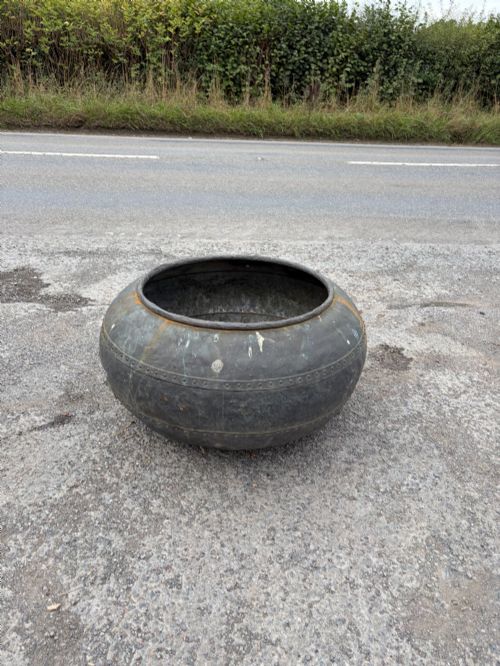
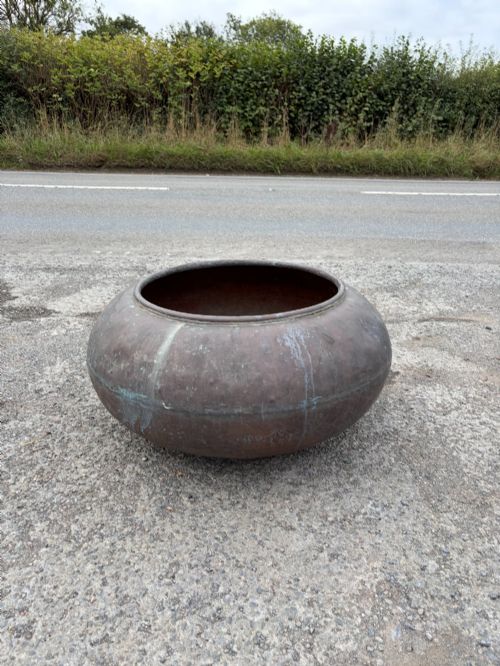
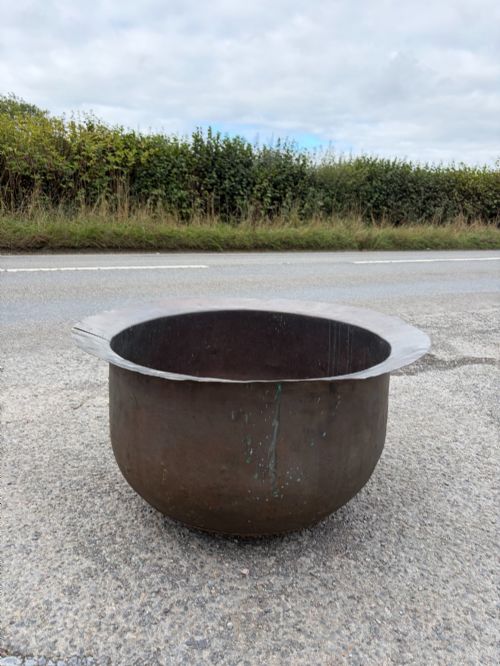
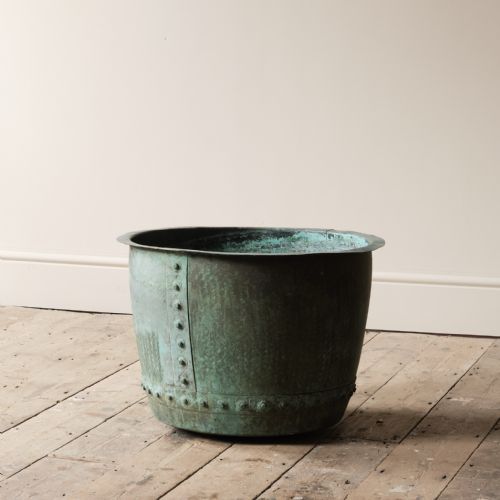
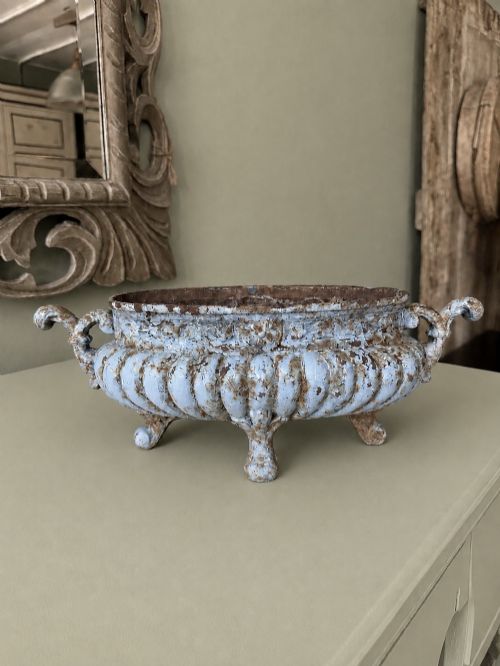
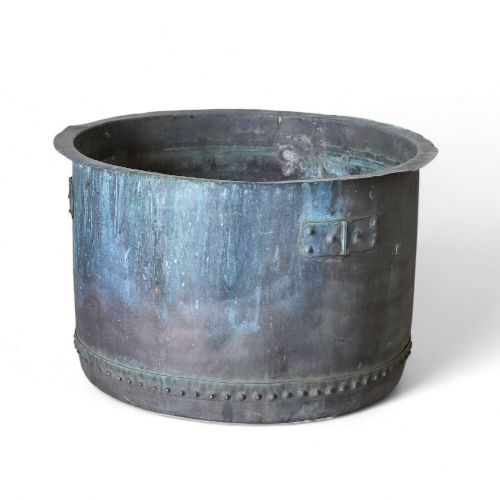
An antique metal garden pot brings immediate weight and industrial character to a terrace, and you will find everything from heavy cast iron urns to large riveted copper vessels here.
Antique Metal Garden Pot
An antique metal garden pot serves both practical planting duties and decorative focal points across courtyards and lawns. When you search for this phrase, you encounter substantial vessels forged from durable metals designed to weather the elements gracefully.
Beyond traditional urns, the category encompasses galvanised metal storage bins adapted for shrubbery, brass watering cans, and zinc planters. Each object carries the utilitarian history of nineteenth century potting sheds and Victorian gardens.
How They Were Made
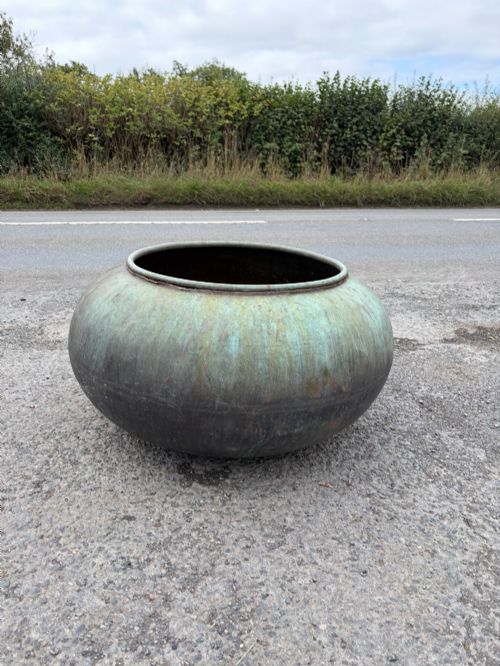
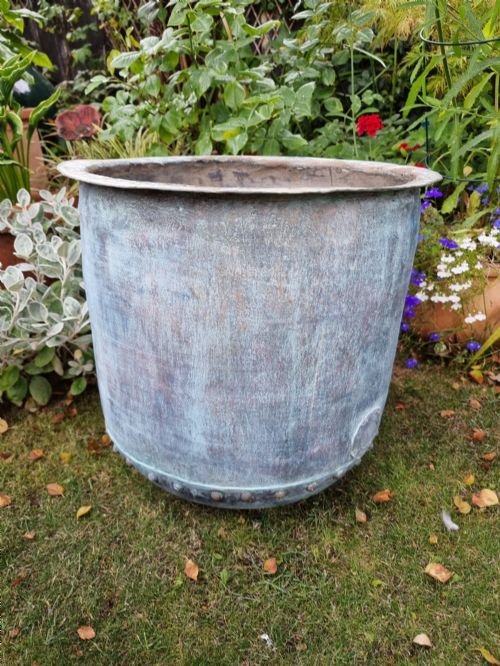
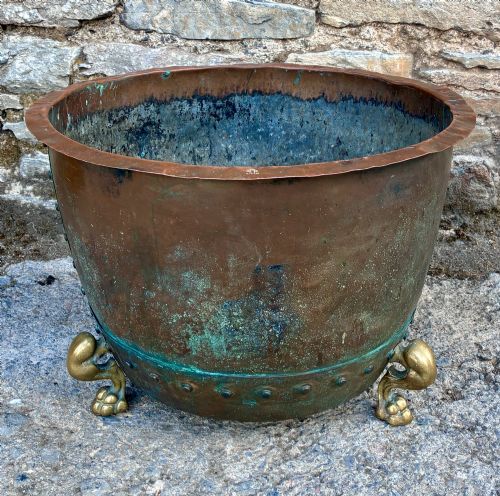
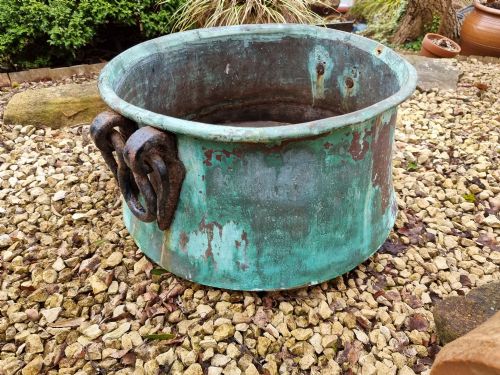
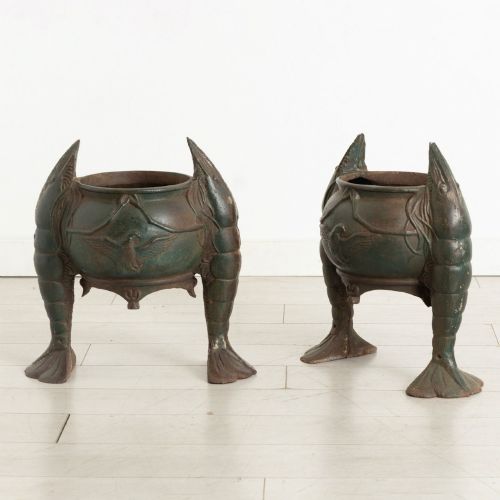
Surface finishes developed through decades of exposure, leaving behind verdigris on copper, original distressed paint on iron, and natural patinas on galvanised zinc. These combined materials ensured structural resilience against frost and damp soil while ageing with distinctive character.
Listings feature nineteen-century cast iron, copper, brass, and galvanised metal utilised across garden urns, log bins, and watering cans.
What Varies In Quality
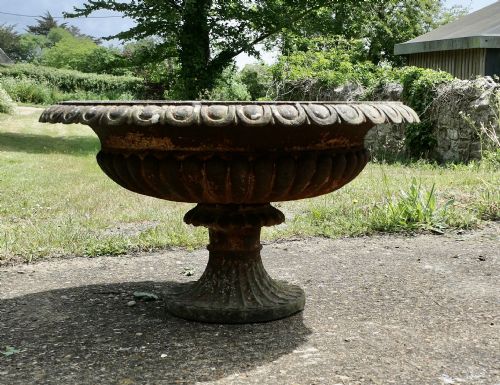
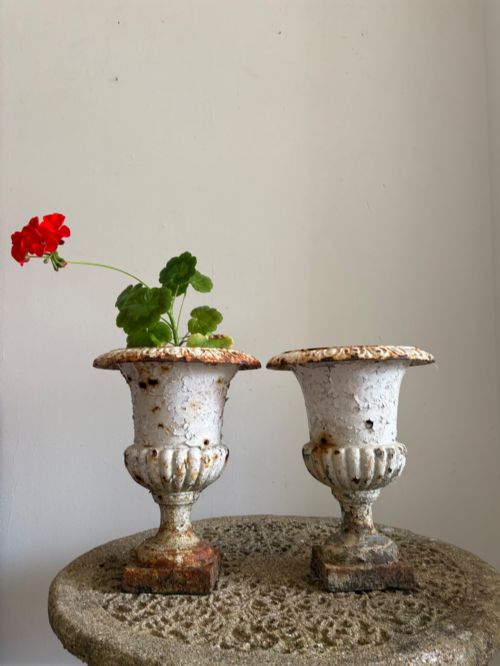
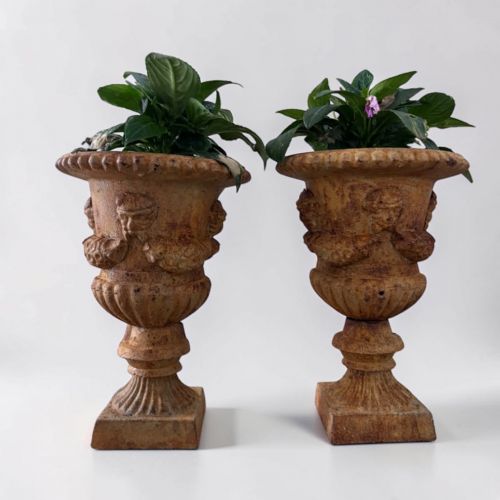
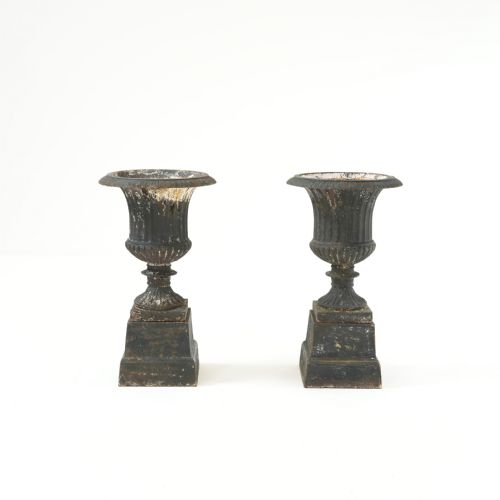
The distinction between ordinary utility items and superior examples lies in the crispness of the cast iron mouldings and the proportion of the vessel. Matched pairs with deep fluting and intact original plinths command greater visual presence than single, heavily weathered utility pots.
Surface integrity and original construction methods also define the tier of a piece. Hand-riveted copper vessels with balanced natural verdigris and strong structural seams represent superior craftsmanship compared to later, simpler stamped metal alternatives.
Andrew Handyside
The Antique Metal Garden Pot Glossary
- Campana Urn
- A bell-shaped garden vessel with an everted rim, commonly cast in iron during the nineteenth century. These classical shapes often sat upon matching pedestals or plinths.
- Verdigris
- A green patina that forms naturally on copper and brass through prolonged exposure to weather and moisture. Collectors prize this organic surface layer for its visual depth.
- Jardiniere
- An ornamental pot or stand designed to hold growing plants or flowers, frequently rendered in cast iron or ceramic. They served both indoor conservatories and outdoor garden displays.
- Galvanised Metal
- Iron or steel coated with a protective layer of zinc to prevent rusting, developed extensively for durable agricultural and horticultural containers.
- Patina
- The surface alteration and mellowing acquired by metal through age, use, and exposure to the elements. This cumulative finish provides evidence of authenticity.
Antique Metal Garden Pot: Frequently Asked Questions
Can antique metal pots stay outside in winter?
Most cast iron and heavy metal vessels tolerate cold weather well, provided they have adequate drainage holes to prevent trapped water from freezing and expanding inside the walls.
Elevating pots slightly on feet or bricks also prevents moisture absorption from damp ground during the colder months.
How do I clean an antique copper planter?
Washing the surface gently with warm water and mild soap removes surface dirt without disturbing the valuable historical patina. Avoid harsh chemical polishes that strip away the aged verdigris finish.
Preserving the natural surface preserves both the aesthetic character and the historical integrity of the piece.
Are cast iron urns too heavy for a balcony?
Nineteenth-century cast iron garden urns possess substantial weight, particularly when filled with damp soil and plants. You must verify structural load limits before placing large pairs on elevated terraces or wooden balconies.
Using lightweight inner liners can reduce the overall soil mass while keeping the authentic exterior display intact.
How do I identify a Victorian iron urn?
Victorian examples typically feature thick-walled sand casting with hand-finished details, classical campana or fluted profiles, and heavy iron composition. Look for maker marks, casting seams, and deep patination consistent with nineteenth-century manufacturing methods.
Comparative weight and the absence of modern welds further distinguish period pieces from twentieth-century reproductions.