
Antique Metal Garden Bench
An antique metal garden bench anchors an outdoor space with historic character, offering durable seating shaped by 19th-century and Edwardian craftsmanship.
Antique Metal Garden Bench
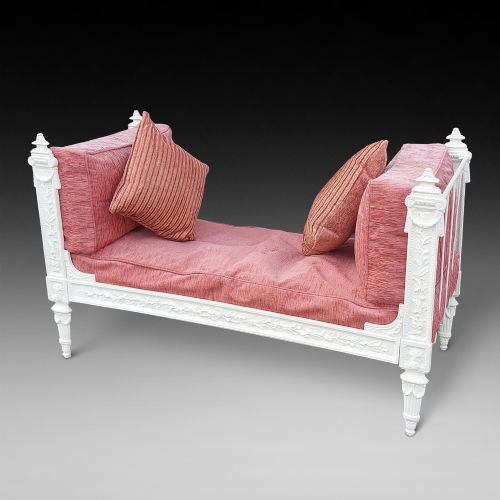
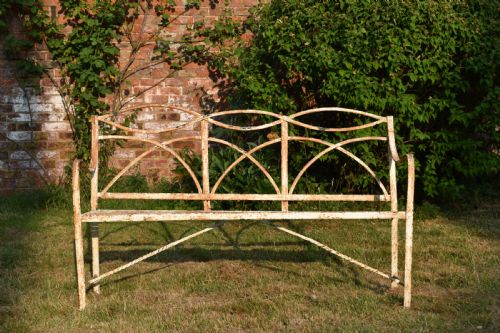
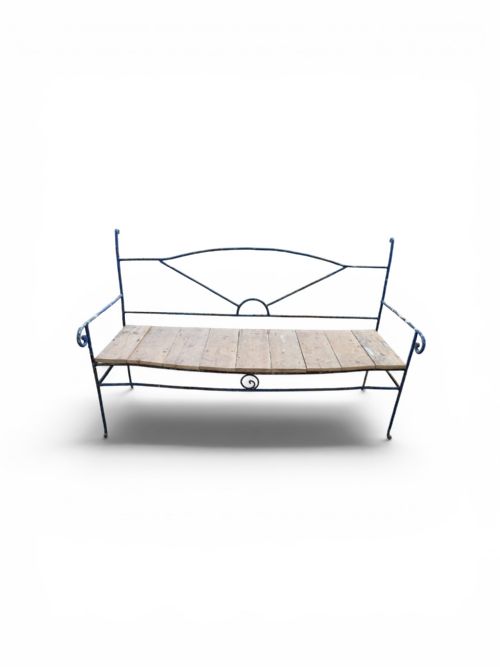
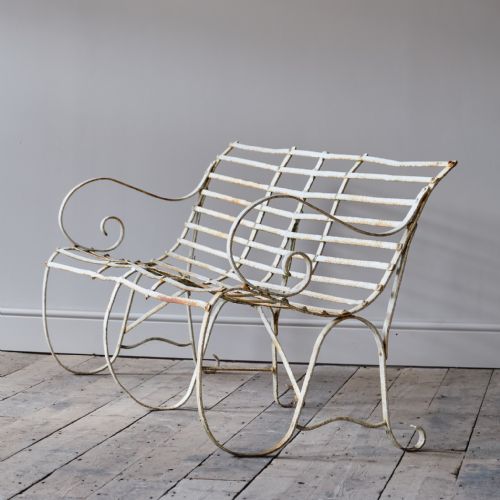
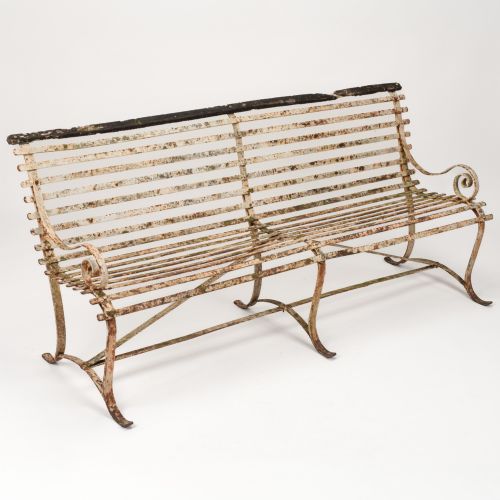
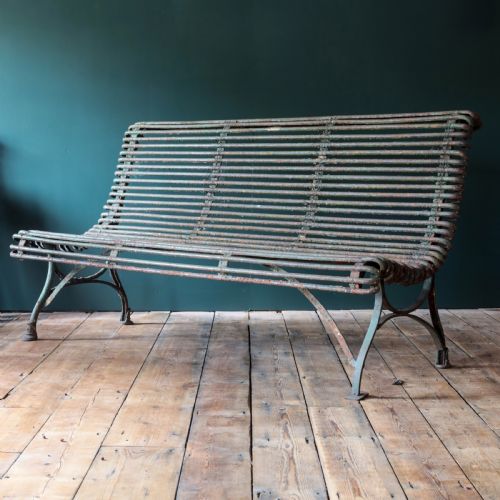
When searching for an antique metal garden bench, buyers encounter a variety of robust outdoor forms originating predominantly from the Victorian, Regency, and Edwardian eras. The listings here showcase everything from simple two-seater frames to elaborate daybeds and garden sets, with heavy cast iron and wrought iron variants appearing most frequently.
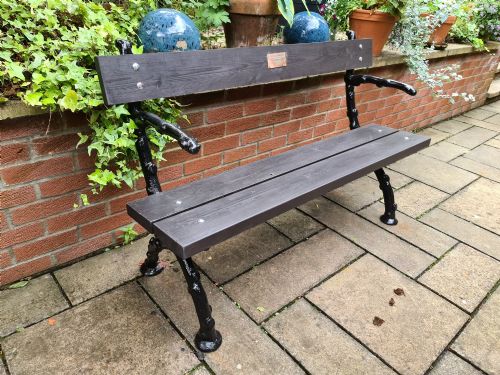
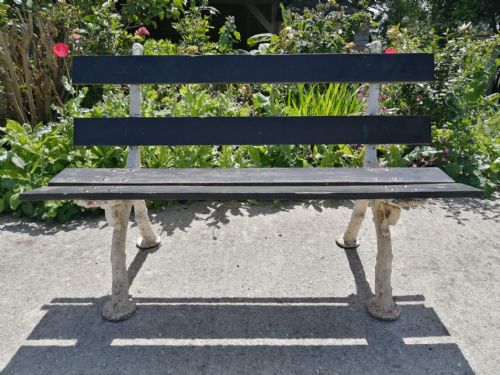
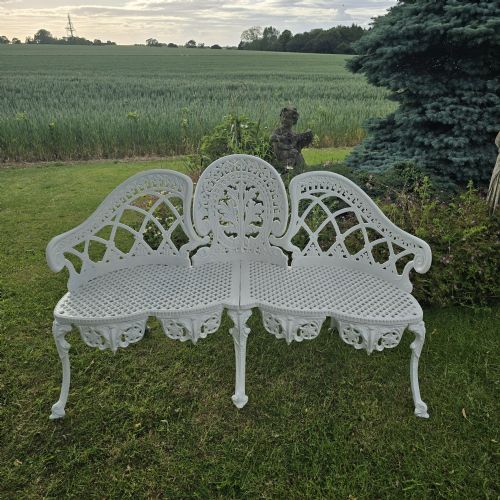
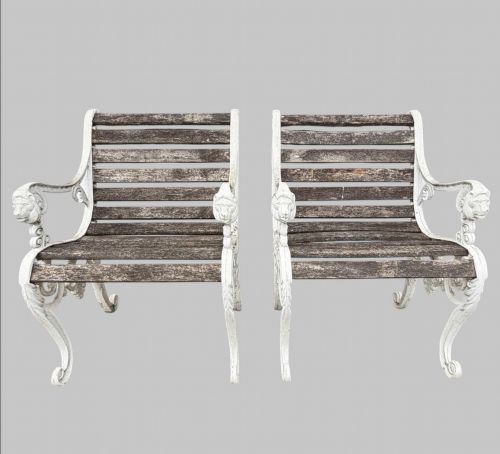
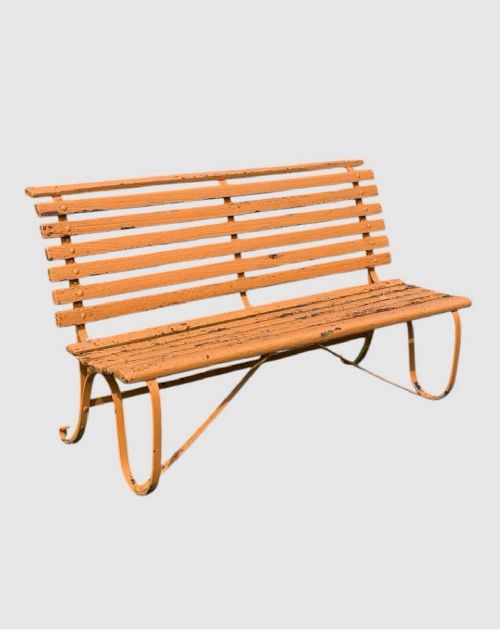
Many examples incorporate traditional architectural details such as strapwork, lion masks, or French Gothic influences, while others utilise combined materials like timber slats alongside metal supports. These functional outdoor seats reflect the changing tastes of park and patio design across the nineteenth and early twentieth centuries, retaining their structural presence outdoors.
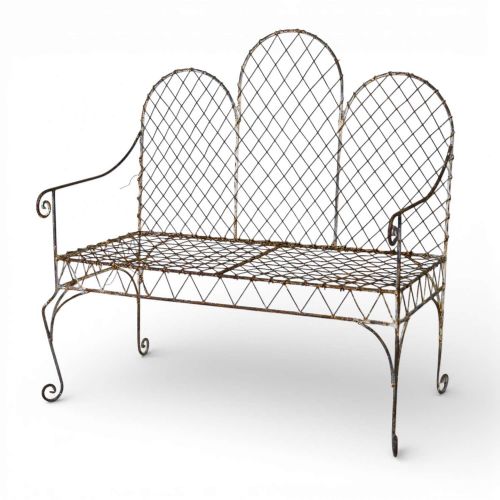
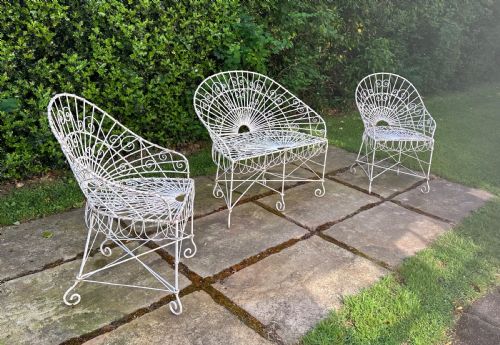
The selection ranges from straightforward park benches to ornate French daybeds, wirework arbours, and coordinated armchairs. Buyers often find pieces bearing historical design cues like the Coalbrookdale pattern, providing a tangible link to period manufacturing methods.
Materials and Construction Techniques
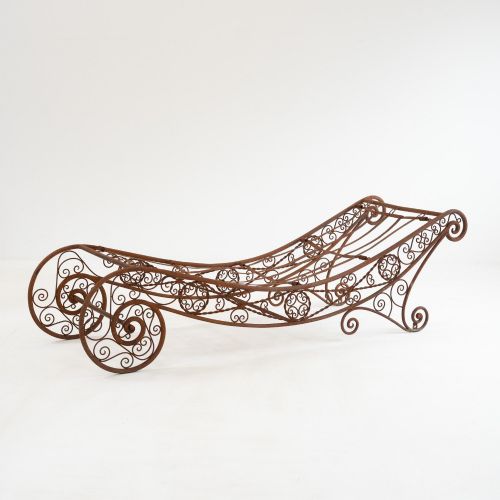
Makers relied heavily on cast iron and wrought iron to achieve the structural rigidity required for outdoor use, often pouring molten iron into intricate mouldings or hand-forging metal bars into scroll and strapwork patterns. These metallic elements were frequently paired with timber seats, fabric cushions, or protective layers of paint to withstand the elements.
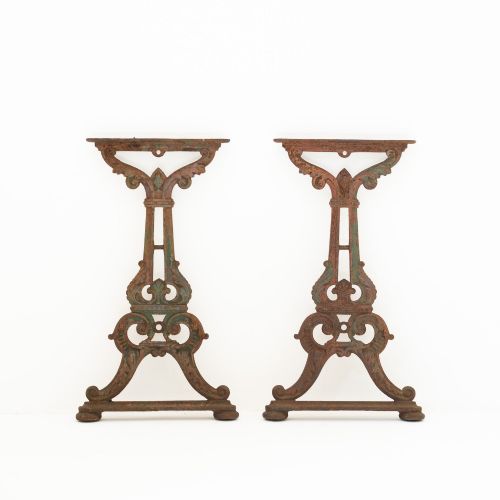
Foundries utilised specialised techniques to cast complex decorative motifs, visible in details like faux bois textures mimicking wood or moulded lion masks on armchairs. Surviving pieces frequently display successive layers of original paint accumulated over decades of exposure.
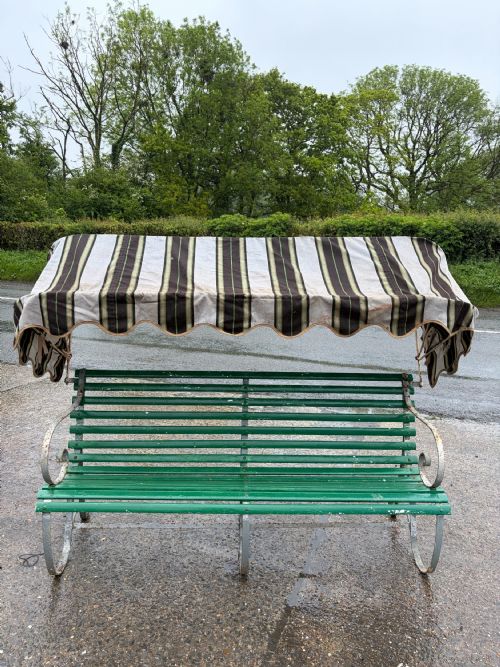
Some benches come with hidden canopy attachments, proving that Victorians took their garden sun protection very seriously indeed.
Indicators of Quality and Craftsmanship
Quality in these pieces is dictated by the crispness of the casting and the refinement of the forged metalwork, where finer pieces exhibit sharply defined motifs rather than softened, repetitive details. The integrity of the original joints and the weight of the iron framework heavily influence the structural longevity of the seat.
Examples that retain their authentic, weathered surface layers of early paint demonstrate a superior historical pedigree compared to modern over-restorations. The complexity of the design - such as intricate strapwork or multi-part cast frames - separates standard utility seating from high-end conservatory and garden showpieces.
Coalbrookdale
The Antique Metal Garden Bench Glossary
- Cast iron
- Iron poured into a mould to create rigid, highly detailed decorative forms. This technique allowed Victorian foundries to mass-produce elaborate garden furniture with complex floral and animal motifs.
- Wrought iron
- Iron heated and hammered by hand into durable shapes. It provides superior tensile strength compared to cast iron, resulting in flexible scrollwork and strapwork benches.
- Strapwork
- A decorative pattern resembling intersecting flat leather or metal bands. It appears frequently on Regency and Victorian garden benches to create open, geometric backrests.
- Faux bois
- An artistic imitation of wood grain rendered in hard materials like cast iron. This technique was popular in Victorian garden seats to blend industrial metalwork with natural woodland aesthetics.
- Wirework
- Metal strands bent and welded into airy, lattice-like garden structures and seating. It defines lighter Edwardian and turn-of-the-century arbours and plant stands.
Antique Metal Garden Bench: Frequently Asked Questions
How do I care for an antique metal bench?
Keep the metal clean and dry during harsh winter months, and apply protective wax or compatible outdoor coatings only when necessary to preserve existing paint layers.
Avoid abrasive cleaning methods that strip historical patination, ensuring the original surface remains intact for years of outdoor placement.
Can these benches stay outdoors all year?
Most cast and wrought iron pieces tolerate outdoor conditions well due to their heavy metal construction, though freezing water trapped in joints can cause damage.
Covering the seating during winter or moving pieces into a conservatory protects delicate timber components and painted finishes from extreme weather.
How do I identify a Victorian metal bench?
Look for heavy cast iron frames featuring characteristic decorative motifs such as ferns, grapevines, or faux bois textures that were popular during the nineteenth century.
Construction methods using threaded bolts rather than modern welding often point toward earlier Victorian or Regency manufacturing origins.
What is the difference between cast and wrought iron?
Cast iron is poured into moulds, yielding rigid, thick, and highly ornate sections that can be brittle under sudden heavy impacts.
Wrought iron is hammered and bent into shape, resulting in tougher, more resilient frames with slender lines and visible tool marks.