

Antique Metal Finials
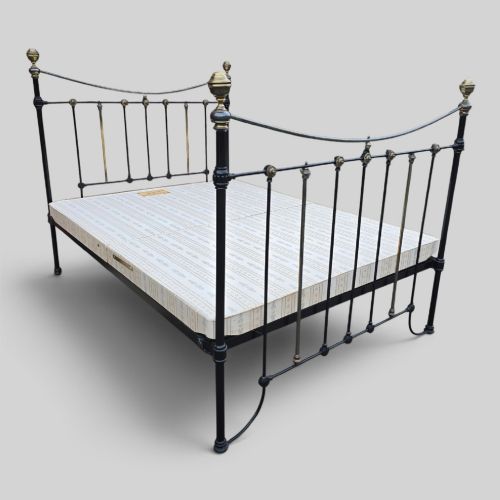
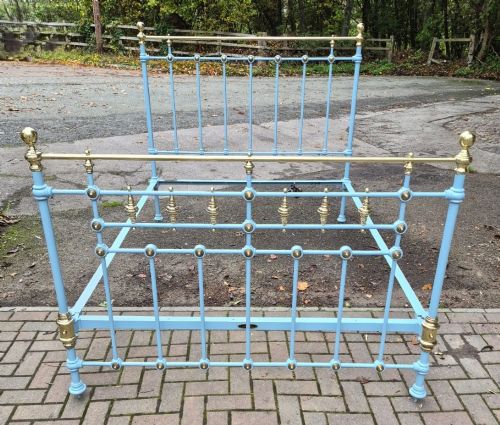
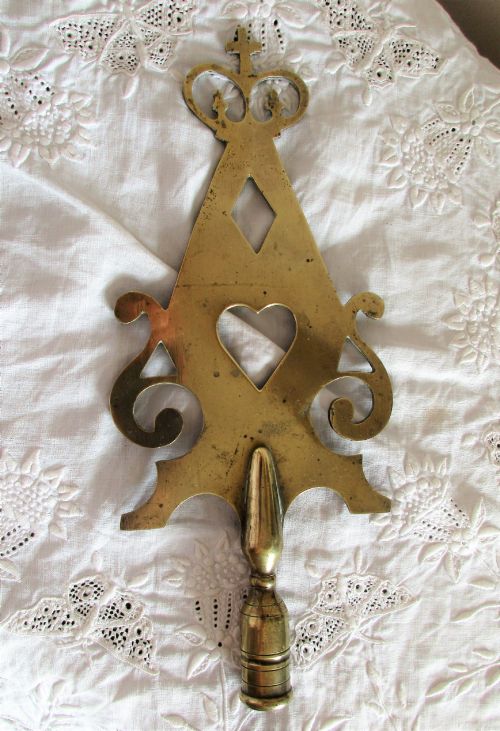
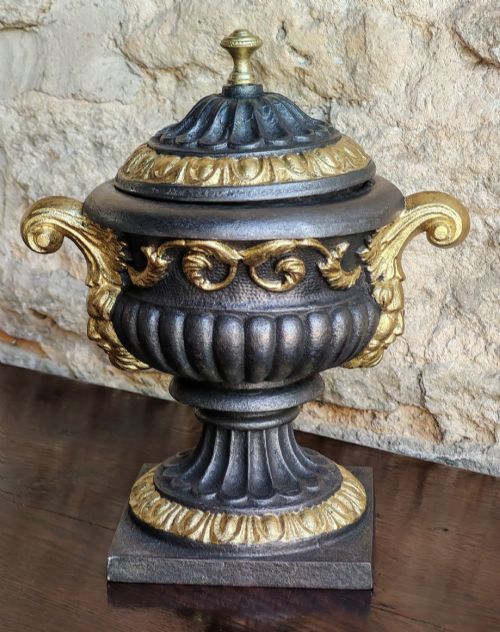
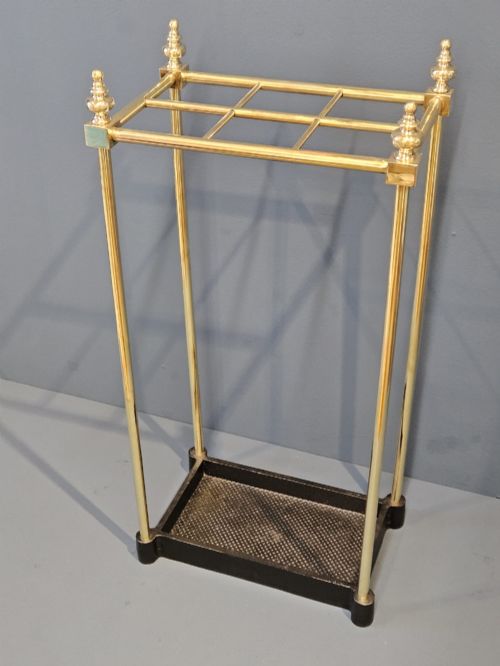
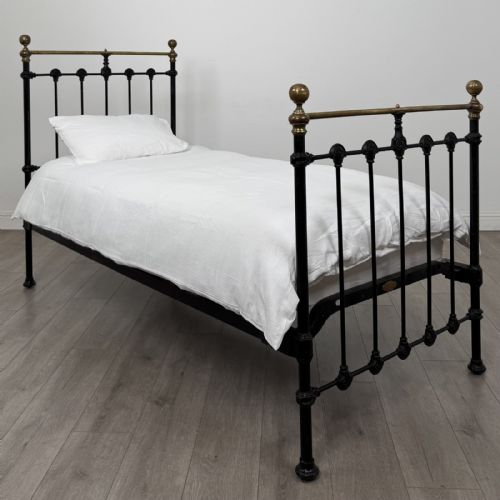
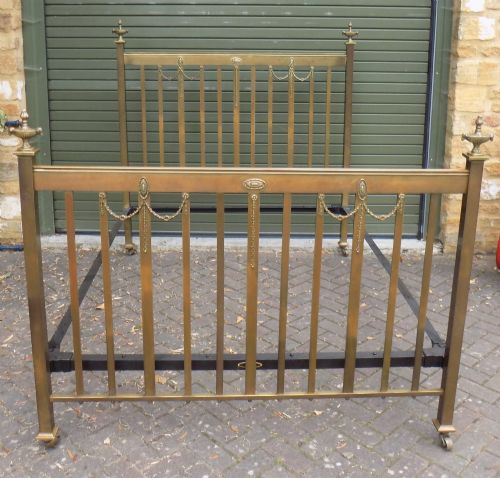
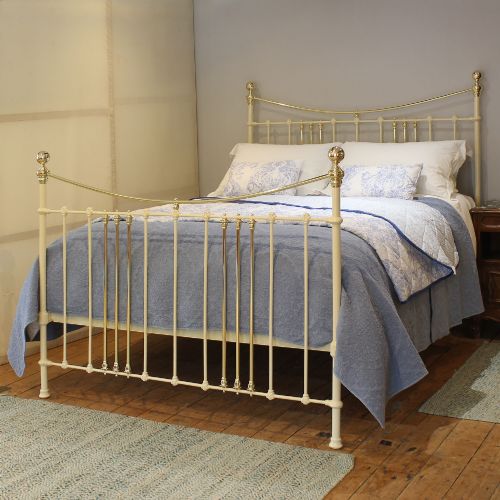
Antique metal finials top censers, urns, and beds, offering a defining structural accent that completes the silhouette of the piece.
Antique Metal Finials
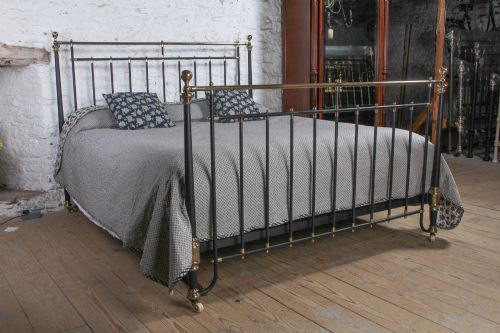
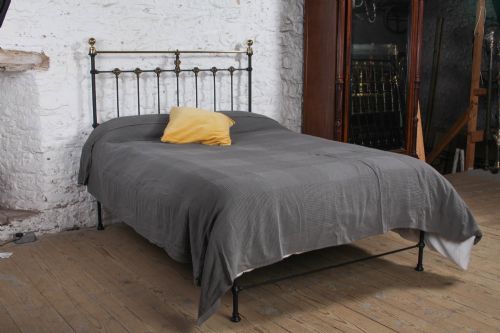
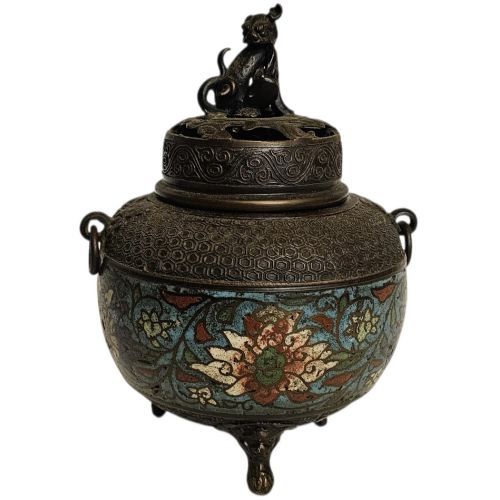
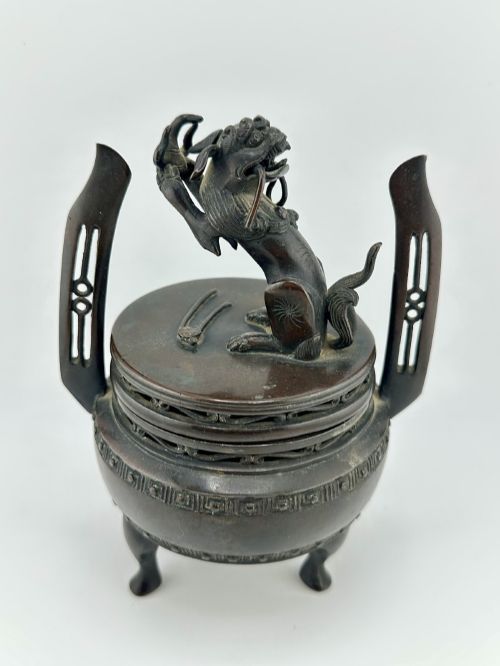
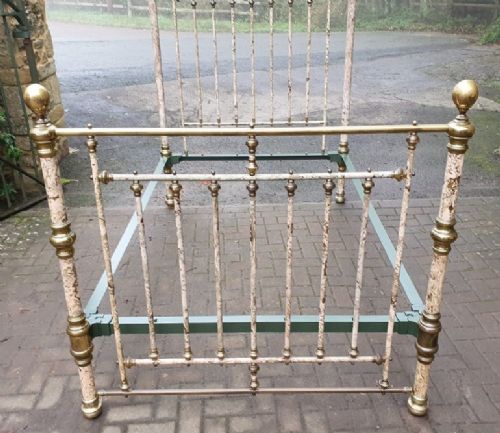
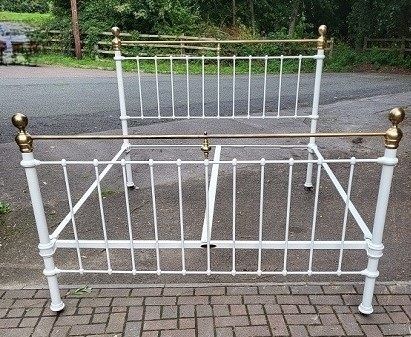
When you search for antique metal finials, you encounter decorative terminal elements salvaged from larger objects or integrated into hardware, incense burners, and bed frames. These components anchor the visual corners of iron and brass bedsteads or crown the lids of bronze censers and lidded urns.
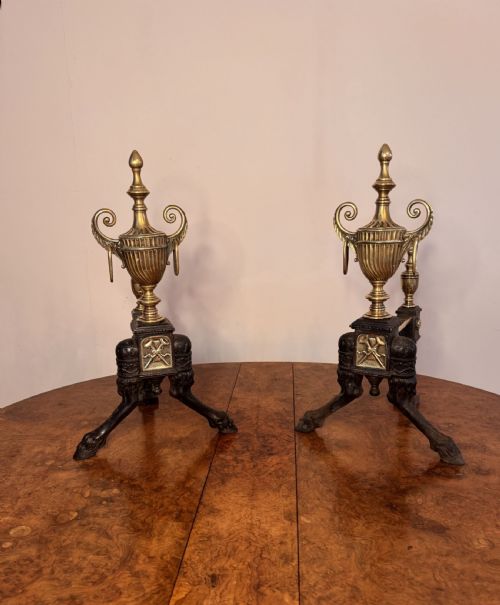
The versions most likely to meet you on this page originate from the nineteenth and eighteenth centuries, taking the form of cast elements on Victorian iron beds or intricate bronze castings on Asian vessels. They appear as standalone architectural fragments like staircase tops or as the crowning details on firedogs and ewers.
Materials and Construction
Makers utilised brass, cast iron, wrought iron, bronze, copper, and polished steel, shaping them through casting, forging, and turning. Bronze and brass components often involved complex lost-wax casting methods to achieve detailed animal or geometric motifs.
Iron elements relied on sand casting or smithing techniques to create sturdy architectural forms for beds and hearth equipment. Surface finishes ranged from fire-gilding and verdigris treatments to polished bright steel and painted coatings.
Antique Metal Finials Retail Price Guide 2026
Typical asking prices for metal finials among the pieces listed under this phrase on Sellingantiques today, from the lower quarter to the upper quarter. They describe what is for sale here now, not the wider market.
Look closely for tiny bronze goats and qilin creatures standing guard on the lids of antique incense burners.
Assessing Craftsmanship
Quality rests in the crispness of the casting detail and the integrity of the original surface finish, distinguishing mass-produced components from hand-chased works. Superior examples display clean removal of casting seams and thoughtful proportion relative to the object they surmount.
The weight of the metal and the complexity of the design separate utilitarian hardware from decorative focal points. Patina accumulated through age reveals whether a surface has retained its original character or undergone aggressive modern intervention.
William Soutter And Sons·R W Winfield
The Antique Metal Finials Glossary
- Finial
- A decorative terminal ornament fixed to the apex of a roof, piece of furniture, or metal object. It draws the eye upward and finishes the design.
- Censer
- A vessel used for burning incense, frequently fitted with a pierced cover and a distinct crowning finial. These items appear in various Asian and Islamic metalwork traditions.
- Firedog
- A metal support used in pairs to hold logs in a fireplace, often ornamented with decorative finials at the front. Also known as an andiron.
- Ewer
- A large pitcher with a spouted mouth and a handle, typically designed for pouring water. Examples often feature crescent moon or figural finials on their lids.
- Verdigris
- A green patina formed naturally on copper, brass, or bronze surfaces through atmospheric oxidation. This layer serves as an indicator of age.
Antique Metal Finials: Frequently Asked Questions
What objects carry metal finials?
These decorative terminals appear most frequently on nineteenth-century iron and brass bed frames, bronze incense burners, lidded urns, and hearth hardware such as firedogs.
They also surmount smaller decorative items like jewellery caskets and copper kettles, acting as both a functional handle and a design conclusion.
How are finials secured to pieces?
Many finials screw directly into threaded posts on bed frames or lids using integrated metal pegs. Others attach via secure pins or sockets fitted into the body of the object.
Checking the mounting method helps determine whether a finial belongs originally to the piece it accompanies.
How do I care for antique metal?
Preserve the metal by dusting gently with a dry cloth and avoiding harsh chemical polishes that strip historical patina. Stable indoor humidity prevents active corrosion on iron and steel surfaces.
Bronze and brass require minimal intervention beyond occasional cleaning to maintain their aged appearance.
Can finials be dated by style?
Design motifs often reflect distinct periods, such as Neoclassical urn shapes, Victorian botanical forms, or Chinese archaistic bronze styling. Examining the casting technique alongside stylistic cues aids in placing the item within a specific century.
Matching the wear patterns on the finial to the attached object confirms historical consistency.