

Antique Metal Desk Lamp
An antique metal desk lamp brings both solid weight and a distinct period silhouette to a workspace.
Antique Metal Desk Lamp
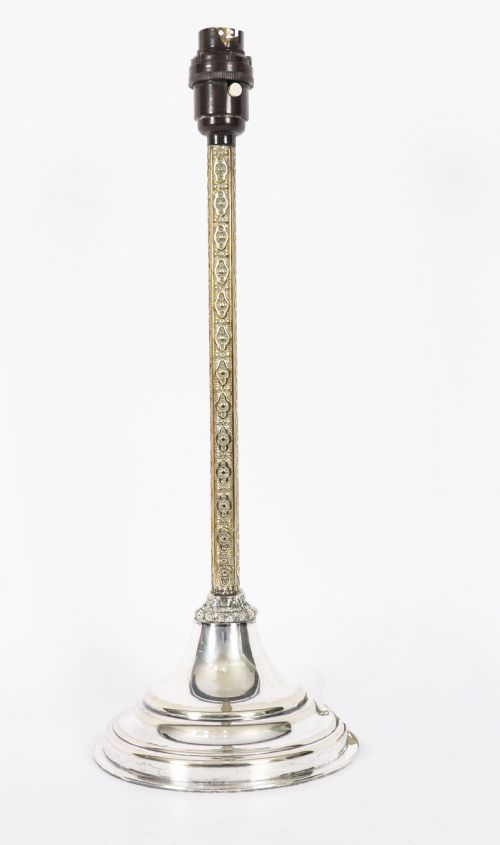
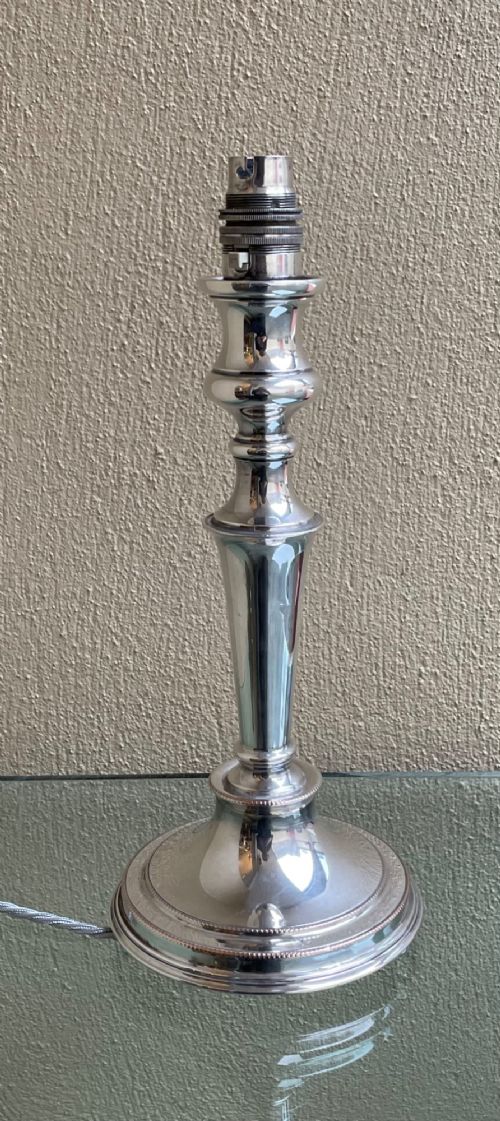
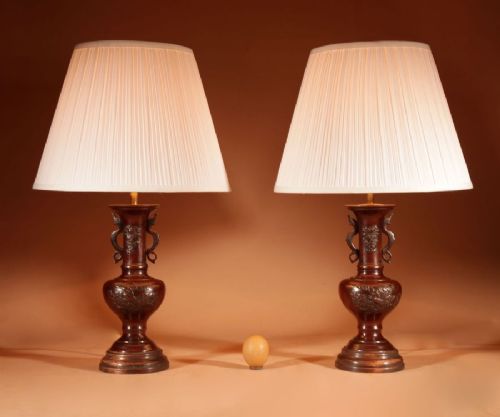
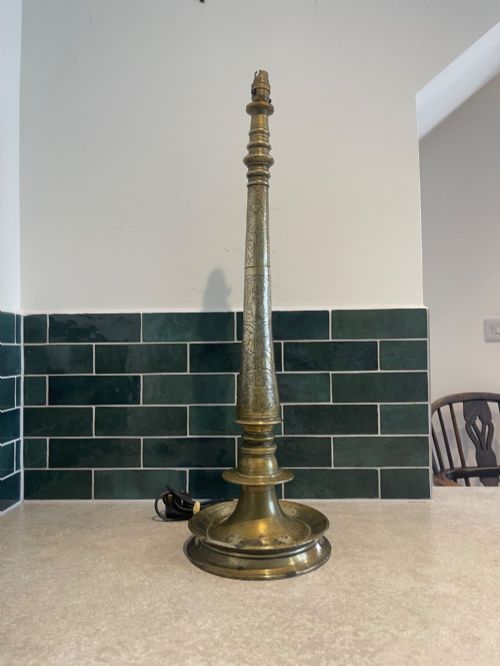
An antique metal desk lamp is a functional light source cast, spun or beaten from materials such as brass, bronze, copper and silver plate. These pieces serve as practical task lighting while carrying the design language of the nineteenth and early twentieth centuries.
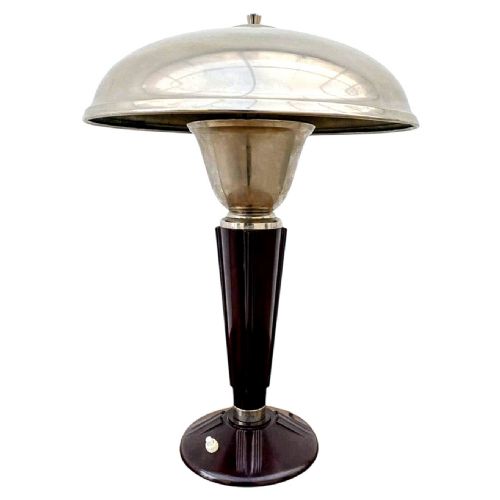
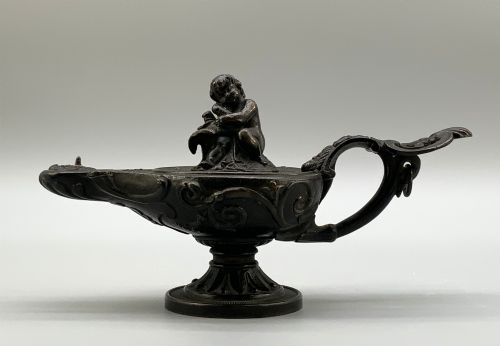
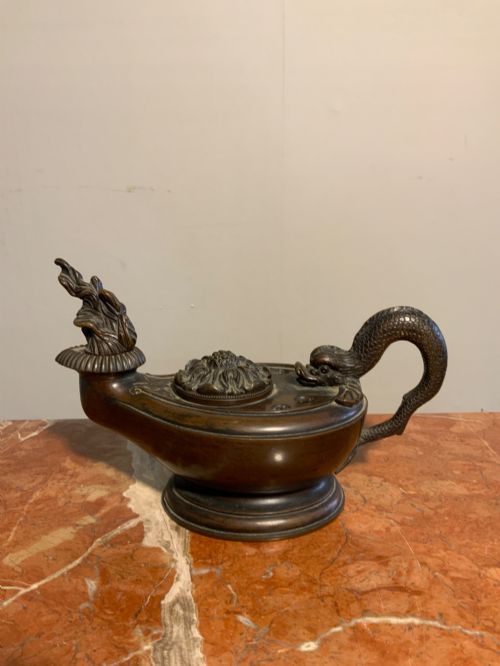
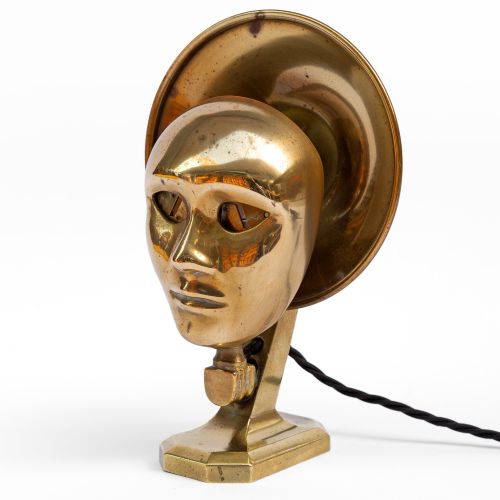
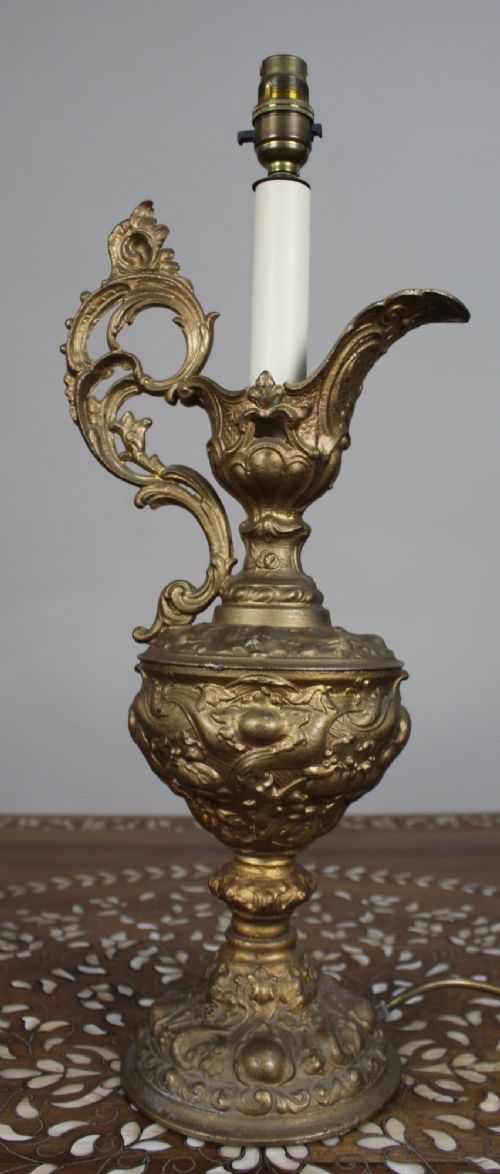
The versions most commonly met on this page span from Victorian and Edwardian iterations to Art Deco designs of the nineteen-thirties. Forms range from heavy adjustable reading lamps to decorative figural standards adapted from earlier oil lamps and ewers.
How they were made
The construction relies heavily on cast bronze and spun or sheet brass, frequently combined with marble bases, to provide the necessary stability for an articulated arm or heavy shade. Metal components receive various finishes including silver plating, gilding, patination and toleware paint.
Makers utilised traditional foundry methods, soldering, and mechanical fixings to assemble complex reading lamps and novelty figures. Wiring is frequently updated to meet modern standards while retaining the original metal housings and fittings.
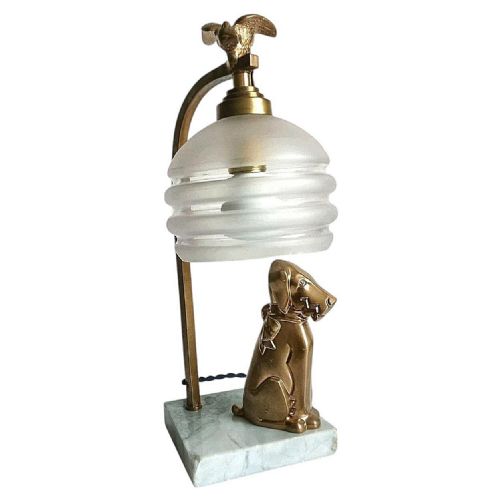
A French novelty dog and parrot wait patiently among the desk lights, keeping watch beside the inkwells.
What varies in quality
Quality rests in the crispness of the metal casting, the weight and gauge of the brass or bronze, and the integrity of the original surface finish. Heavier bases and finer chased detail distinguish workshop pieces from mass-produced utility items.
The sophistication of the articulation mechanism and the retention of original components, such as burners, switches and shades, separate standard adaptations from superior surviving examples.
Mappin and Webb·Eileen Grey·L and F Moreau·W A S Benson·Veritas Lamp Works
The Antique Metal Desk Lamp Glossary
- Ormolu
- Gilded bronze, where a layer of gold amalgam is applied to a bronze base. This finish yields a warm, durable lustre characteristic of French decorative arts.
- Toleware
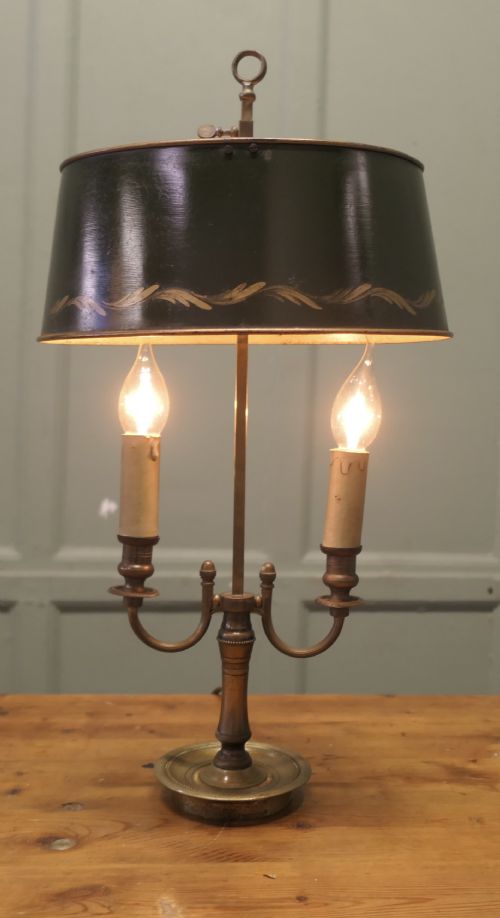
- Lacquered or painted metalware, frequently executed in deep green or black with gilt accents. It provides a durable, semi-matte surface common on bouillotte lamps.
- Spelter
- A zinc alloy used as a less costly alternative to bronze for figural castings. It is often given a bronze-look patination.
- Bouillotte lamp
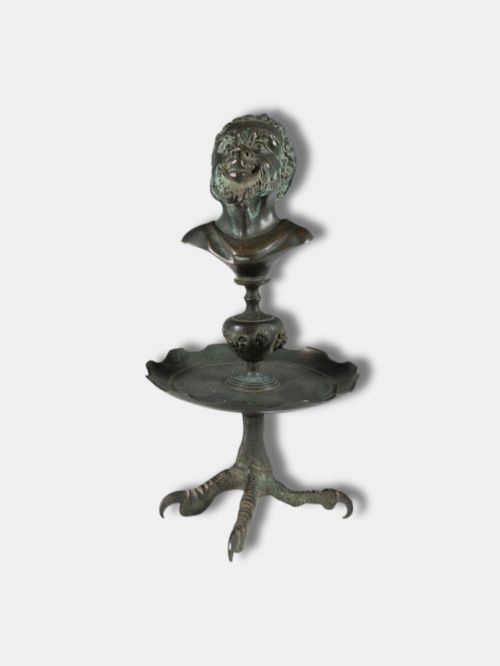
- A traditional table light featuring a central shaft, a saucer base to catch wax, and an adjustable shade. They were originally designed for card games.
- Patination
- The surface alteration acquired by metal through age, handling and oxidation. Collectors value this natural darkening and mellowing.
Antique Metal Desk Lamp: Frequently Asked Questions
Are these lamps safe to use today?
Many surviving pieces arrive with older wiring that requires professional rewiring to comply with current safety standards. A qualified electrician can replace vintage cords and lamp holders while preserving the external antique metalwork.
Retaining the original switchgear and structural mounts maintains the historical integrity of the piece whilst ensuring safe daily operation on a desk.
How do I date a metal lamp?
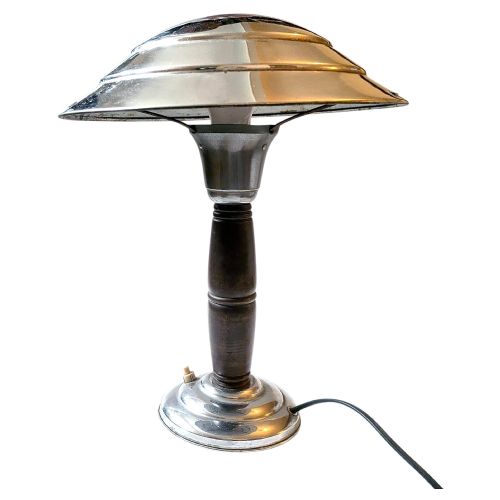
Dating relies on stylistic clues, manufacturing techniques, and the materials deployed in the base and shade. Art Deco pieces show geometric lines and Bakelite elements, whereas Victorian examples favour heavier cast bronze and classical ornament.
Makers' marks, registry numbers, and the construction methods used for fixings and switches provide further chronological anchors.
Can I adjust the height and angle?
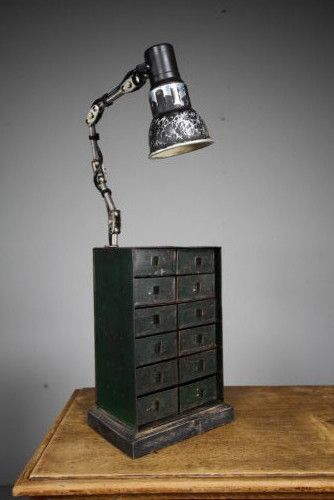
Certain models incorporate mechanical joints, counterweights, or sliding stems designed for directional task lighting. Travelling reading lamps and specialised desk lights often feature adjustable arms.
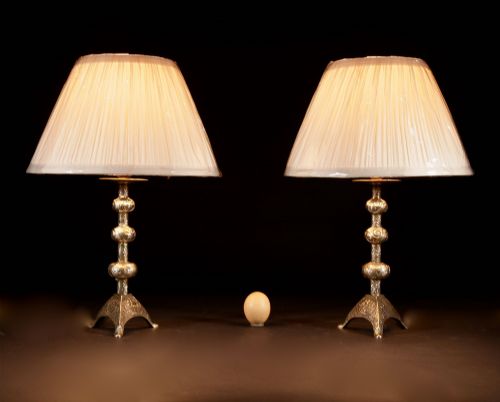
Fixed-stem standards and urn-form lamps remain static, serving as ambient table lights rather than adjustable workspace illumination.
How should I clean antique brass?
Dusting with a dry, soft cloth is sufficient for routine maintenance of patinated metal surfaces. Aggressive metal polishes strip away the aged patination that collectors prize.
If cleaning is necessary to remove grime, use a mild, non-ionic soap solution and dry the metal thoroughly to prevent oxidation.