




Antique Metal Chest
An antique metal chest offers robust security and rugged character, bringing centuries of utilitarian craftsmanship directly into a modern home.
Antique Metal Chest
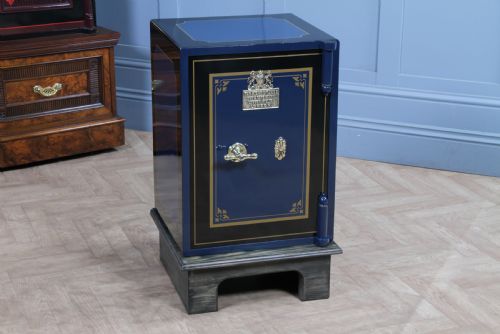
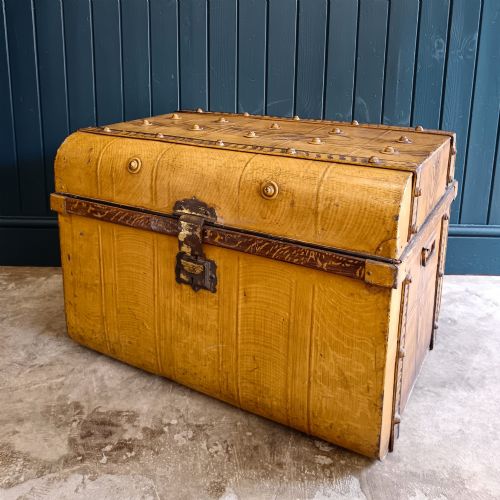
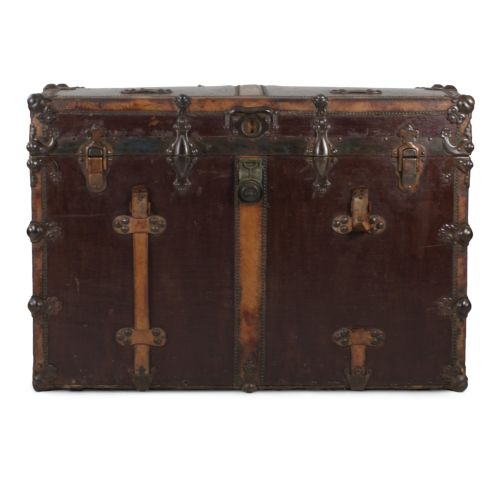
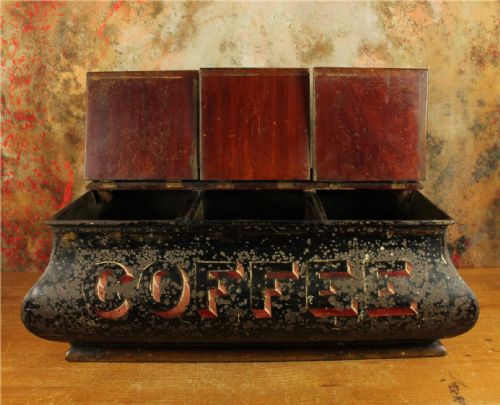
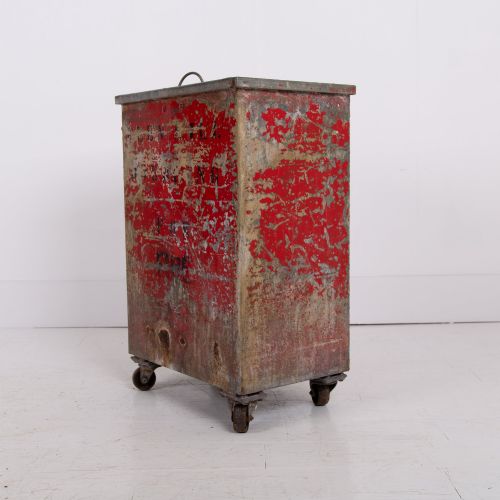
An antique metal chest encompasses a wide variety of heavy-duty storage containers, ranging from travel trunks and strongboxes to deed boxes and blanket chests. Pieces originating from the seventeenth and eighteenth centuries often appear as iron-bound coffers or complex locking strongboxes, while nineteenth-century examples frequently take the form of travel trunks, steamer luggage, and silver chests.
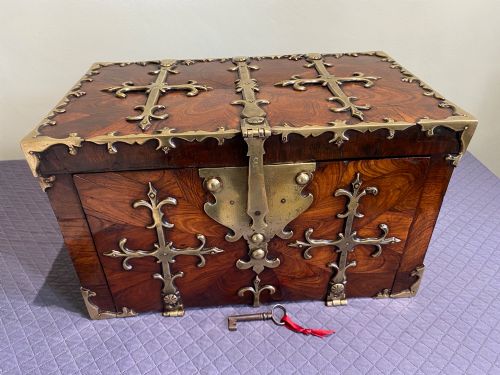
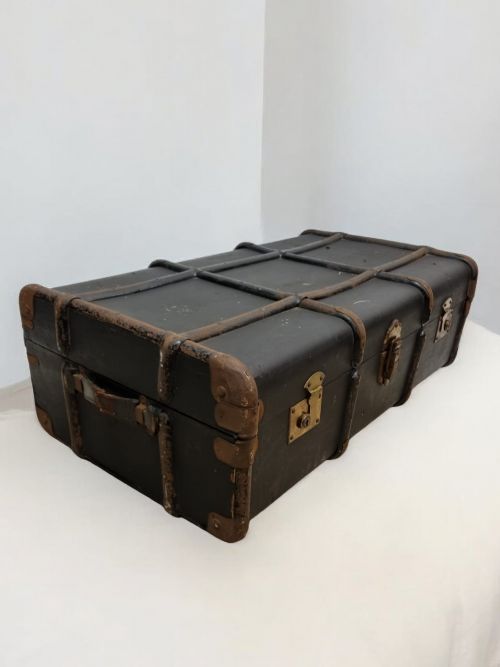
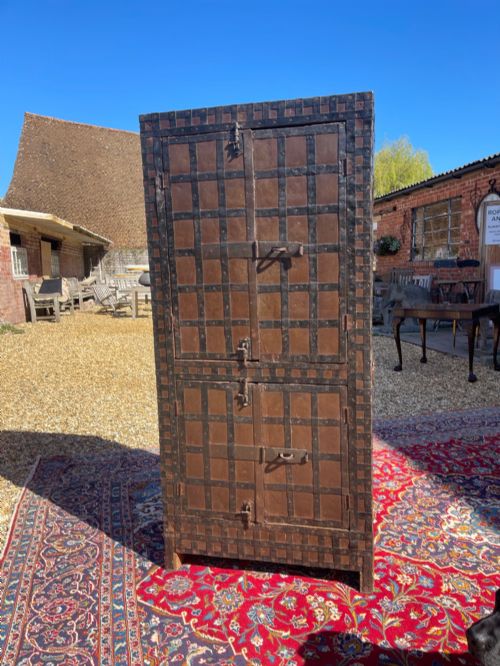
Victorian and Edwardian iterations dominate the selection, utilising wooden carcasses heavily reinforced with iron or steel bands, brass corners, and original hardware. Regional variations span from English oak and pine merchant trunks to Indian dowry chests, Japanese tansu, and Continental steel caskets.
Buyers will encounter utilitarian travel gear alongside decorative caskets and fitted cabin wardrobes designed for maritime and railway journeys. These utilitarian objects bridge the gap between industrial necessity and domestic storage.
Materials and Construction
The construction relies heavily on combinations of dense timbers such as oak, pine, mahogany, and kingwood paired with ferrous metals like iron, steel, and wrought iron. Structural integrity is achieved through hand-beaten metal banding, corner brackets, and heavy rivets securing wooden panels or metal plate bodies.
Surface treatments range from plain waxed wood and black-japanned finishes to leather bindings, faux-wood painted metal, and toleware decoration. Interiors frequently feature original paper linings, compartmentalised wooden trays, or textile-lined spaces tailored for silver and travel documents.
Locksmithing forms a central part of the manufacturing process, employing complex internal mechanisms with brass lever locks, multi-bolt systems, and engraved faceplates.
Several travel chests preserve stubborn travel labels and original red interiors from journeys across the nineteenth century.
Markers of Distinction
Quality manifests in the integrity of the original hardware, hinges, and locking mechanisms, where signed maker plates and stamped brasswork indicate higher workshop standards. The grade of timber used for the internal carcass and the complexity of the iron banding or strapwork distinguish standard utilitarian transport from bespoke commissioned pieces.
State of preservation defines the desirability of surviving items, particularly regarding the retention of original interior linings, trays, and painted or scrumbled surfaces. Retaining working keys and functional locking mechanisms elevates the standing of these functional objects.
Samuel Pratt·Richard Arkwright Masson Mills·Seaward·Gillows·Allen of London·Seabrook of St.Pauls·S Theeman·Milners of Liverpool·Mappin & Webb
The Antique Metal Chest Glossary
- Coffre forte
- A French term for a strongbox or safe, typically constructed with heavy iron straps and intricate locking mechanisms concealed within the lid.
- Toleware
- Enamelled or lacquered metalware, often painted with decorative scenes or finished to resemble tortoiseshell and lacquer.
- Cellarette
- A lockable container designed for holding bottles of wine or spirits, frequently lined with metal or divided into internal compartments.
- Strongbox
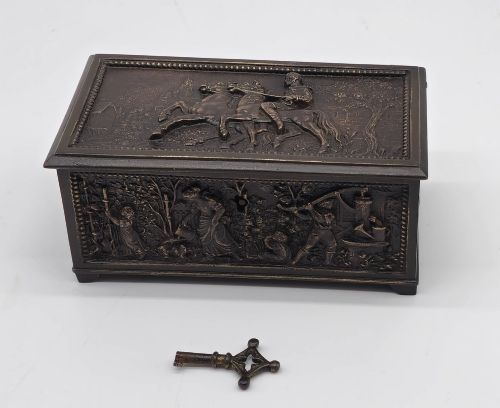
- A secure metal or metal-bound box intended for safeguarding valuables, currency, and important deeds.
- Nuremberg casket
- A portable iron strongbox of German manufacture, typically featuring elaborate internal locking mechanisms operated through a single plate in the lid.
Antique Metal Chest: Frequently Asked Questions
How were antique metal chests used?
These containers served primarily for secure transport and storage of valuables, clothing, and documents during travel by sea, rail, or coach. Strongboxes protected currency and deeds in merchant offices and noble households.
Domestic versions held silver tableware, blankets, or personal items, keeping contents safe from dampness, fire, and theft.
How do I live with an antique metal chest?
An antique metal chest functions effectively as a coffee table, a blanket box at the foot of a bed, or hallway storage for bulky items. Their robust construction allows them to support weight and endure daily use in active living spaces.
Placing felt pads beneath heavy iron feet protects wooden flooring, while occasional waxing preserves the exterior metal and leather bindings.
How can I tell the period of a metal chest?
Dating relies on examining construction techniques, fasteners, and locking mechanisms alongside timber types and overall form. Earlier pieces from the seventeenth and eighteenth centuries feature hand-forged ironwork and simpler dovetailed or pegged joints.
Victorian and later examples introduce machine-rolled steel, brass maker's plates, patented locks, and industrial rivets associated with nineteenth-century manufacturing.
What is the difference between a trunk and a strongbox?
A trunk is designed predominantly for travel and luggage storage, featuring wooden carcasses covered in leather, canvas, or painted metal with carrying handles. They prioritize lightweight mobility and weather resistance for journeys.
A strongbox is built explicitly for security, constructed from heavy cast iron or reinforced steel with intricate locking bolts designed to resist forced entry.