


Antique Metal Birds
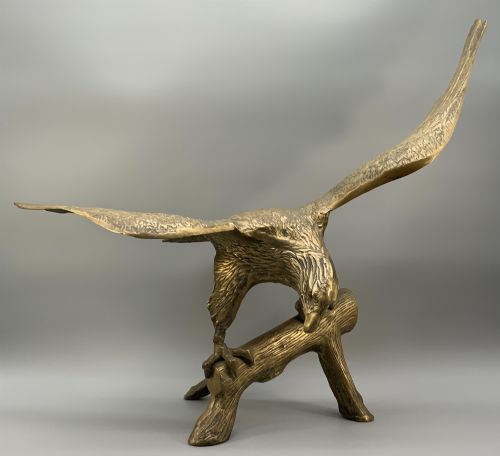
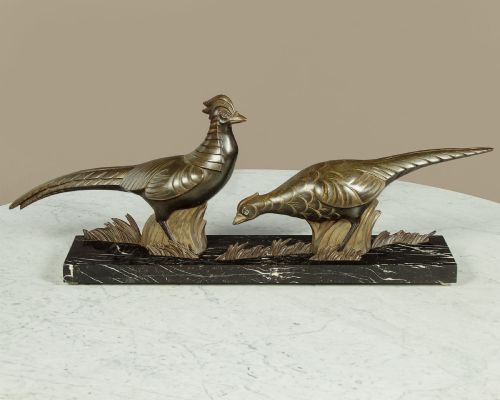
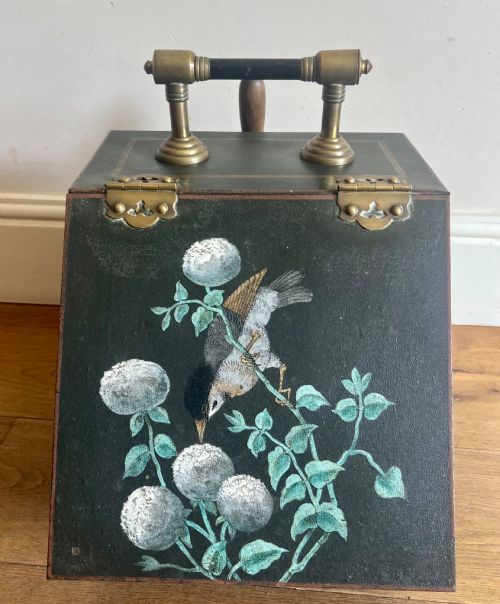
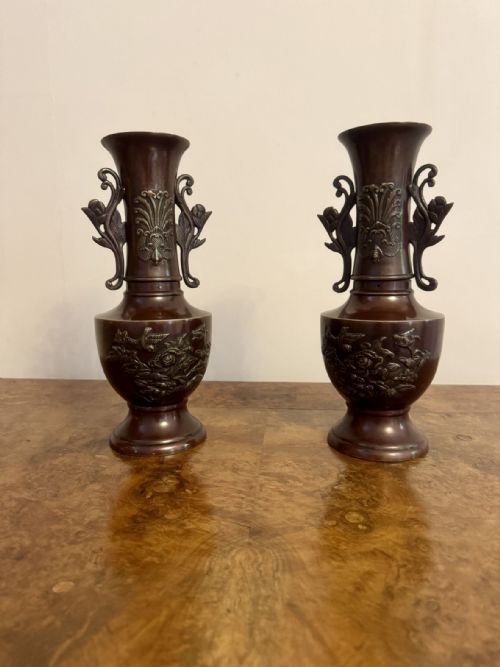
These antique metal birds span Japanese Meiji bronzes, European art deco sculptures and brass cages.
Antique Metal Birds
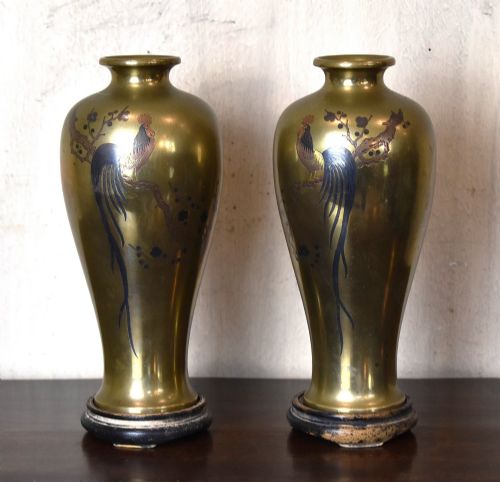
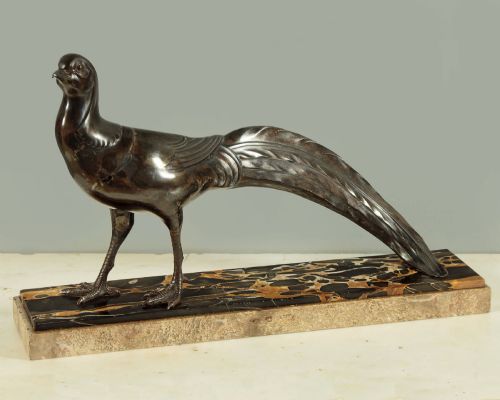
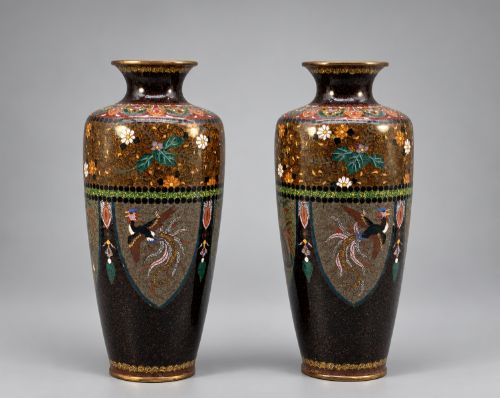
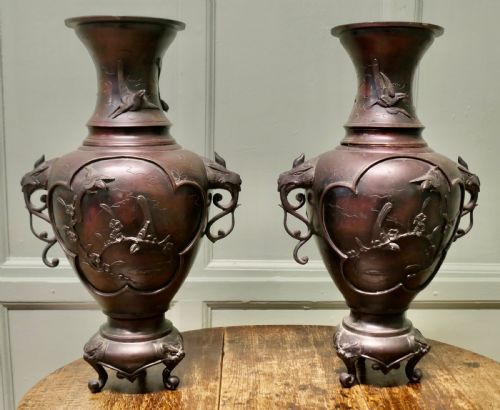
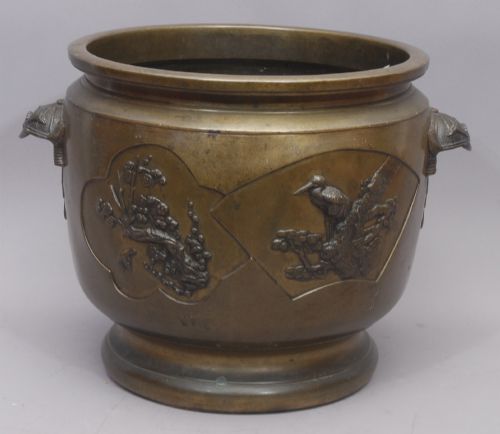
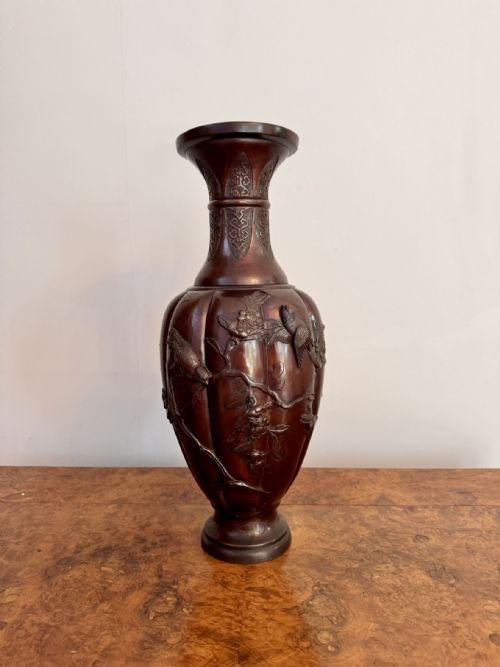
When you search for antique metal birds, you encounter a diverse range of decorative objects, sculptures, vessels, and household items produced across the nineteenth and twentieth centuries. The selection on this page relies heavily on Japanese Meiji period bronzes and cloisonné enamels depicting phoenixes, doves, egrets, and owls, alongside European art deco figures and utilitarian items.
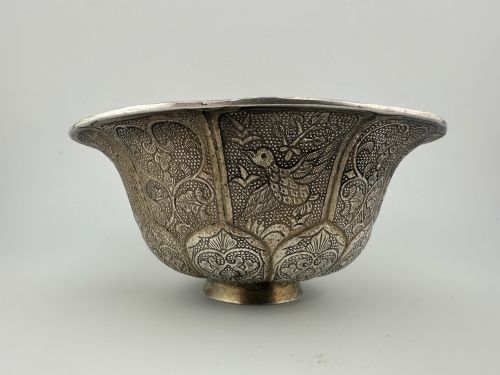
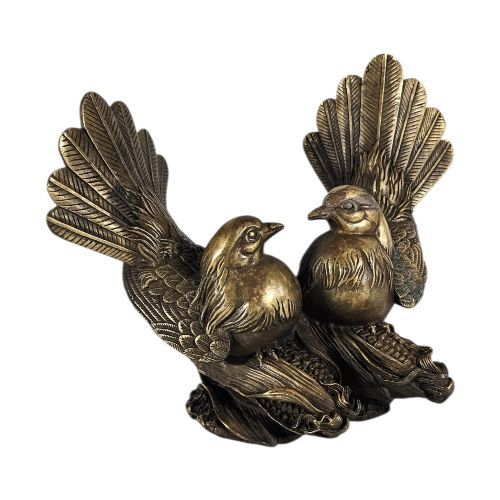
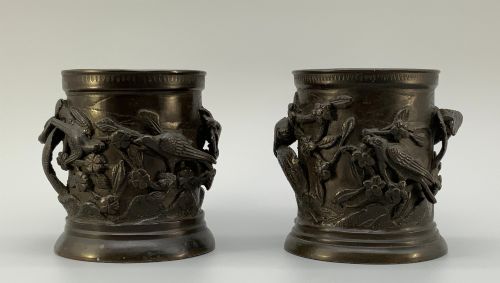
Vessels such as vases, jardinieres, bowls, and chargers form a significant portion of the offerings, often decorated with cast or enameled avian motifs. Sculptural pairs of birds, garden okimono geese, and architectural elements like door pulls or birdcages round out the forms available from this period.
How they were made
Bronze, brass, and copper dominate the construction of these pieces, frequently shaped through traditional casting techniques or hand-beaten metalwork. Japanese Meiji pieces often employ mixed metals and intricate cloisonné enamel work, where fine wire partitions hold coloured vitreous pastes to form detailed feathers and foliage.
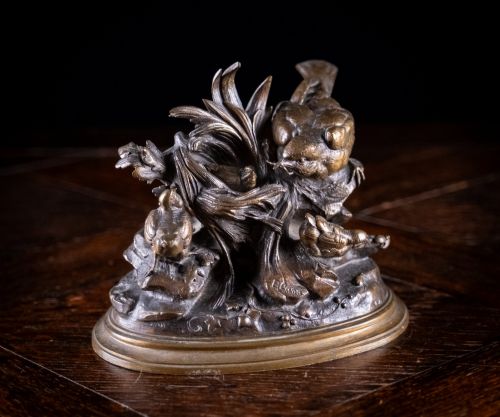
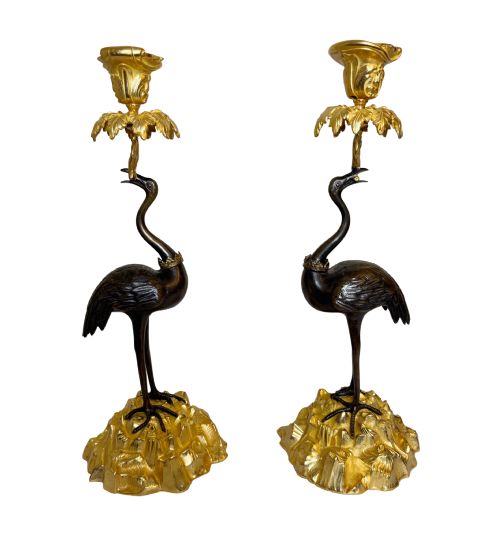
French and English workshops utilise gilt bronze, spelter, and cast iron for sculptural bookends, candlesticks, and garden statuary. Surface finishes range from natural patination and applied patinas to rich fire gilding and painted enamel details.
Antique Metal Birds Retail Price Guide 2026
Typical asking prices for metal birds among the pieces listed under this phrase on Sellingantiques today, from the lower quarter to the upper quarter. They describe what is for sale here now, not the wider market.
The listings feature diverse materials including bronze, brass, copper, enamel, glass, wrought iron, and cast iron across various historical periods.
What varies in quality
The degree of fineness in the chisel work and surface detailing dictates the standing of a bronze or brass sculpture. Pieces displaying crisp feather definition, balanced proportions, and careful patination sit at the upper end of the range.
In cloisonné and enamel works, the precision of the wirework cells and the depth of the enamel without pitting distinguish superior examples. Studio provenance and the complexity of mixed metal applications further separate standard production items from exceptional decorative objects.
Maison Baguès·Karl Griesbaum
The Antique Metal Birds Glossary
- Meiji Period
- The era in Japanese history spanning from 1868 to 1912, known for intense artistic production and the export of high-grade bronze and cloisonné works.
- Cloisonné
- An ancient technique for decorating metal object surfaces, using vitreous enamel baked within wire compartments welded to a base.
- Okimono
- Japanese decorative objects designed for display on shelves or in alcoves, often depicting realistic figures of animals and birds.
- Spelter
- An alloy of zinc and lead, frequently used in the nineteenth and early twentieth centuries as a cheaper alternative to bronze for sculptural figures.
- Jardinere
- A large ornamental pot or stand designed to hold plants or flowers, frequently cast in bronze with relief bird motifs.
Antique Metal Birds: Frequently Asked Questions
How do I identify Meiji bronze birds?
Meiji period bronze birds typically exhibit meticulous attention to anatomical detail, often showing feathers rendered through fine chisel work rather than simple casting. Many feature distinct patinas ranging from deep chocolate brown to polished highlights.
These bronzes frequently bear signature plaques or maker marks underneath, though unsigned pieces of high craftsmanship remain common from the late nineteenth century.
Where should I place metal bird sculptures?
Sculptural bird figures and vessels work well displayed on mantelpieces, bookshelves, or dedicated display cabinets where their patination catches the light. Larger garden okimono geese and cast iron statues suit outdoor courtyards or conservatory spaces.
Ensure that delicate cloisonné enamels avoid prolonged direct sunlight to protect the integrity of the coloured pastes.
What is the difference between bronze and spelter?
Bronze is a durable alloy of copper and tin that takes a rich, stable patina and holds fine chisel details securely over centuries. Spelter uses softer zinc and lead components, making it lighter and more prone to surface wear.
Items cast in spelter generally rely on applied bronze-coloured paints rather than a natural metal patina.
How do I care for antique metal birdcages?
Antique brass and wire birdcages require gentle dusting with a soft brush to prevent accumulation in the intricate joints. Avoid using harsh chemical polishes that strip away historical patination and surface integrity.
Keep these items in dry indoor environments to prevent oxidation and corrosion of the underlying wire and frame.