
Antique Metal Bench
An antique metal bench brings enduring structure and patinated charm to a terrace, conservatory or lawn.
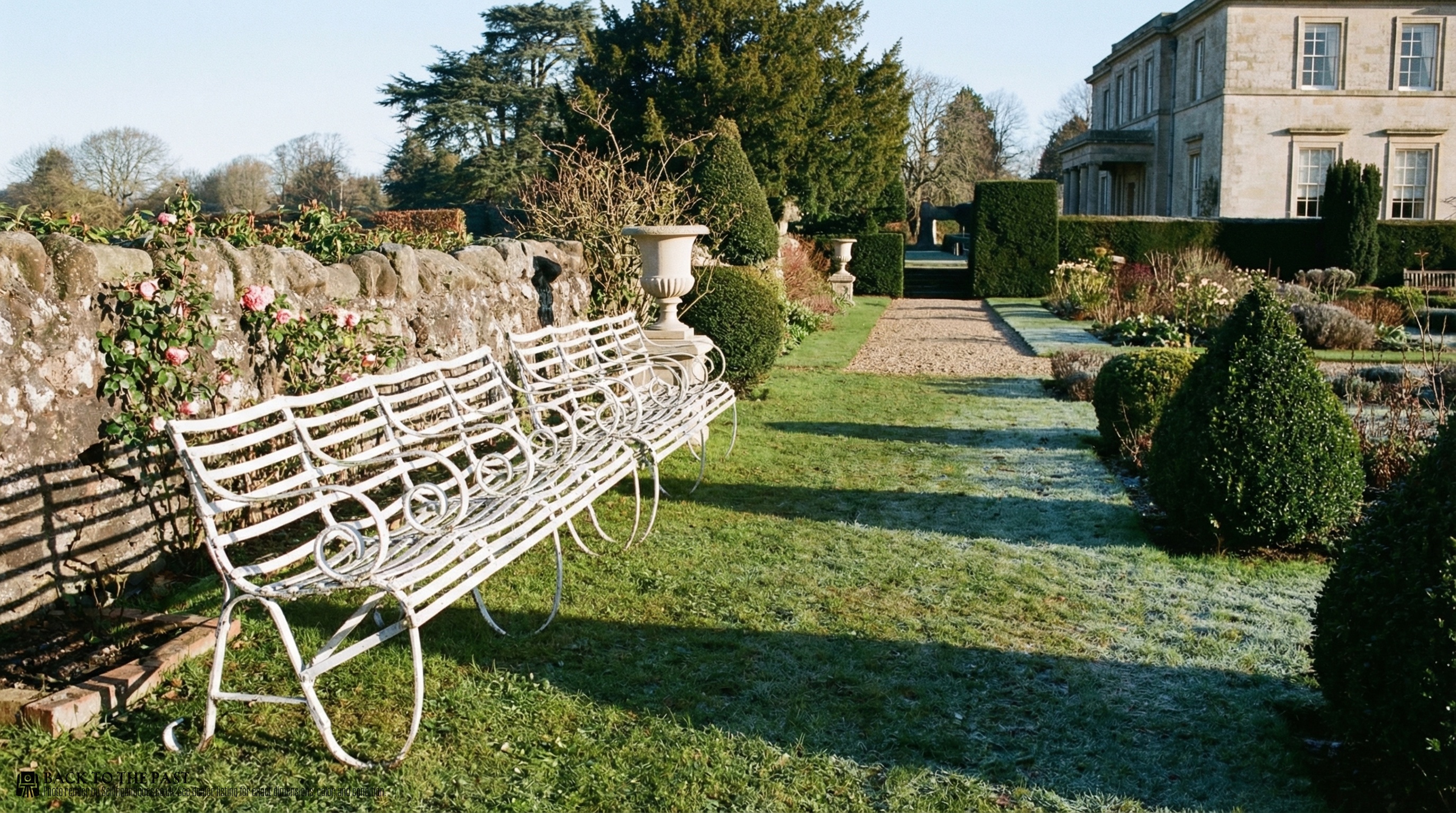
Antique Metal Bench
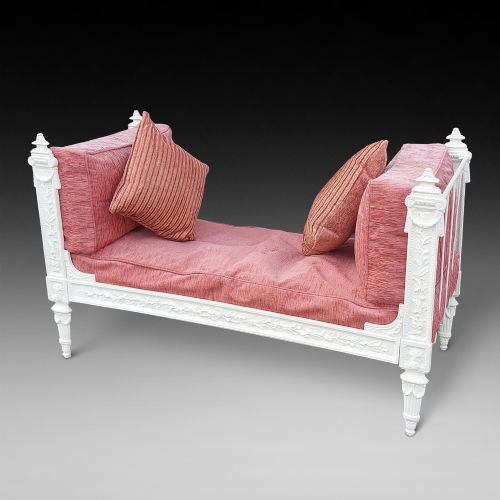
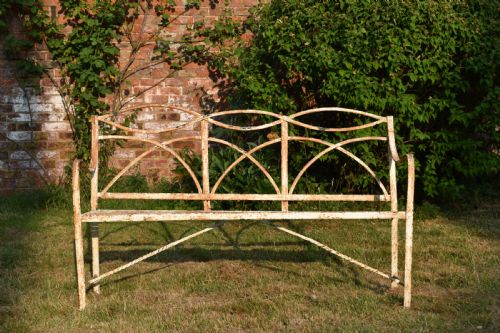
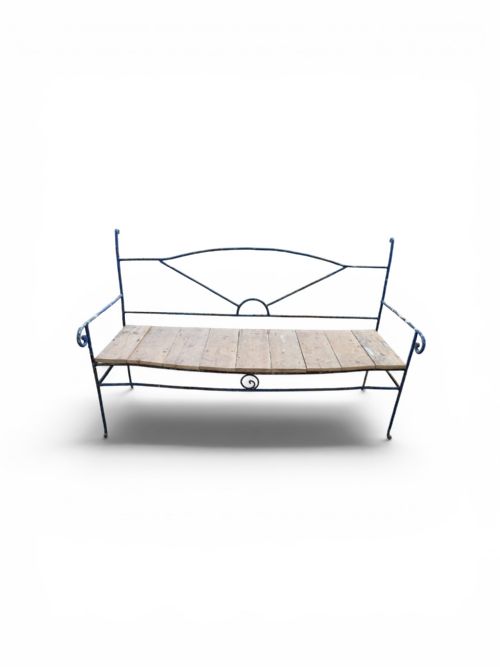
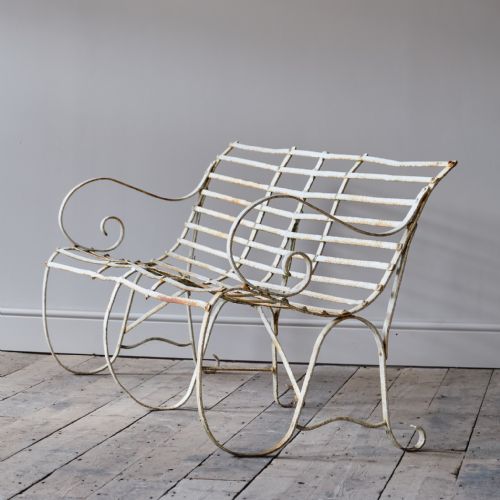
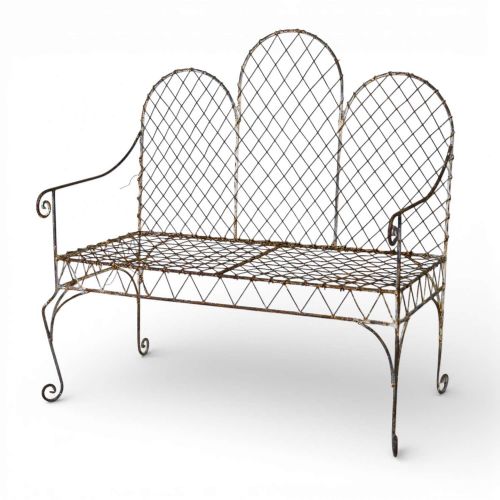
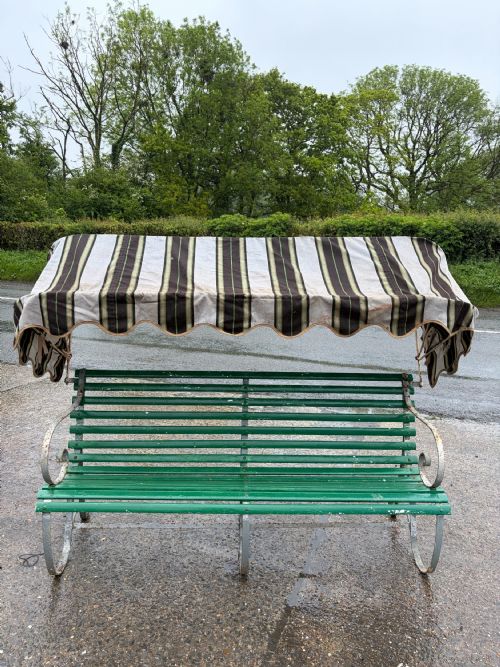
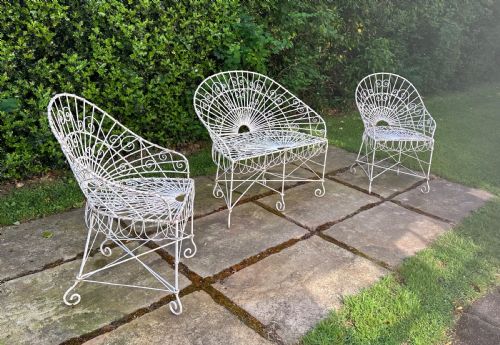
An antique metal bench spans robust garden seating, intimate two-seater garden settees and occasional daybeds designed for sheltered verandas and parlours. When searching for an antique metal bench, buyers encounter pieces ranging from formal Regency strapwork to ornate Victorian cast iron designs.
How they were made
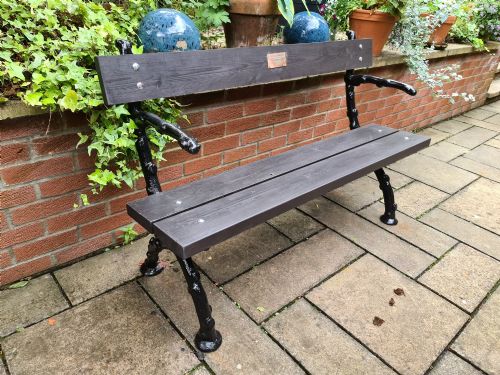
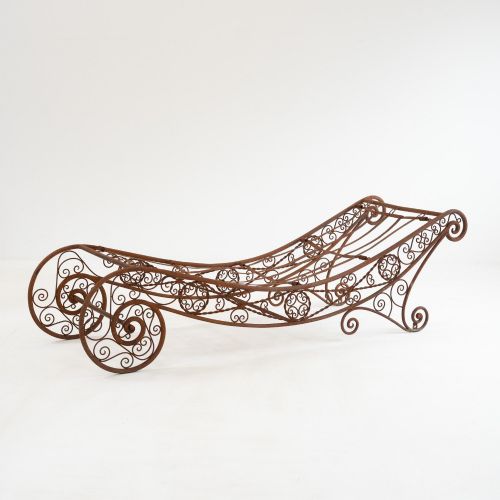
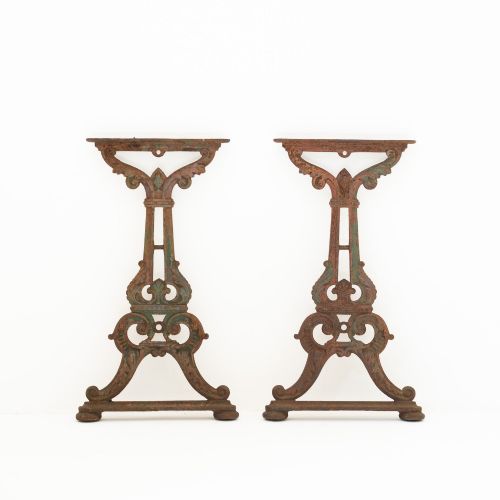
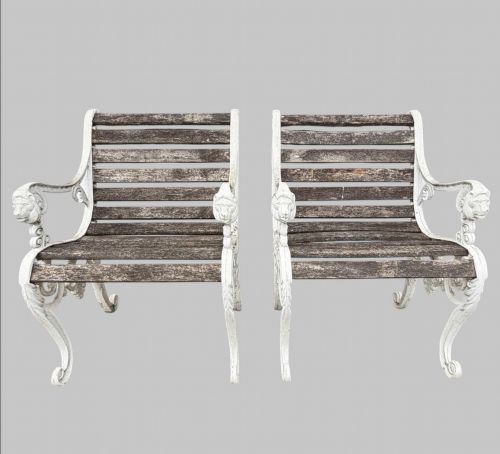
Makers utilised cast iron, wrought iron, and steel to forge rigid frameworks, often employing intricate strapwork or decorative casting techniques. Surfaces frequently received protective coats of paint or developed natural patinas over decades of exposure.
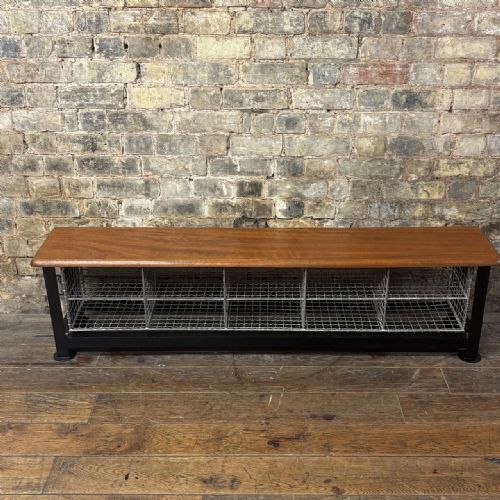
Many examples incorporate secondary materials such as wood for seating slats or leather for the padded tops of interior club fenders. Brass details and fabric elements occasionally appear on indoor seating variations to add contrast and comfort.
Antique Metal Bench Retail Price Guide 2026
Typical asking prices for metal bench among the pieces listed under this phrase on Sellingantiques today, from the lower quarter to the upper quarter. They describe what is for sale here now, not the wider market.
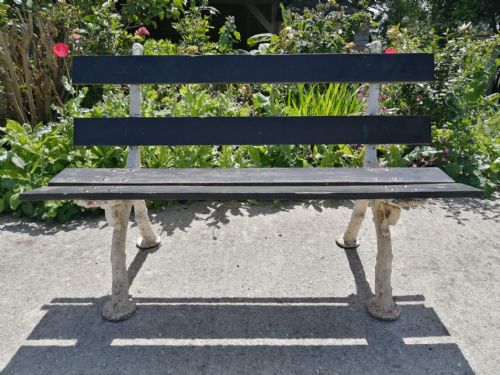
Some Victorian iron benches were cast to look convincingly like gnarled tree branches, fooling unwary sitters into expecting timber.
What varies in quality
The refinement of the casting and the crispness of decorative motifs separate standard garden seats from exceptional examples. Finer pieces display sharply detailed patterns, such as faux bois textures or lion masks, executed with precision.
Structural integrity and the retention of original surface treatments dictate the standing of an individual piece. Retained layers of early paint and undamaged metalwork elevate the desirability of a bench significantly.
Coalbrookdale
The Antique Metal Bench Glossary
- Cast iron
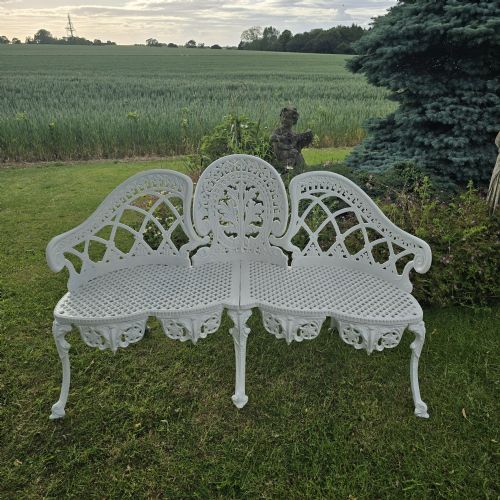
- Molten iron poured into a mould to create rigid, highly decorative components. This technique enabled the production of ornate scrollwork and figurative elements on nineteenth-century garden seats.
- Wrought iron
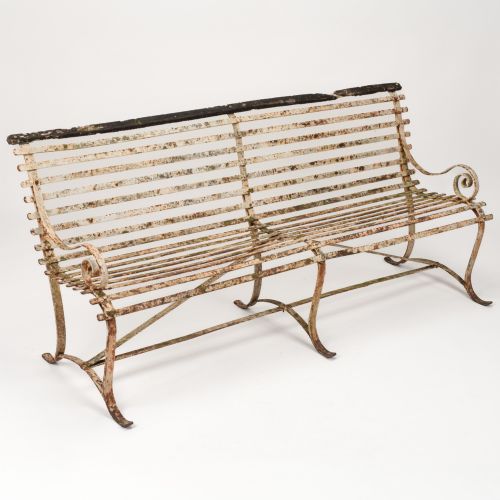
- Iron beaten and bent by hand into shape while hot, resulting in strong and resilient structural members. It is frequently seen in linear strapwork designs on park and garden benches.
- Strapwork
- Flat strips of metal interwoven or arranged in geometric patterns. This decorative style provides both structural support and visual lightness to metal bench frames.
- Club fender
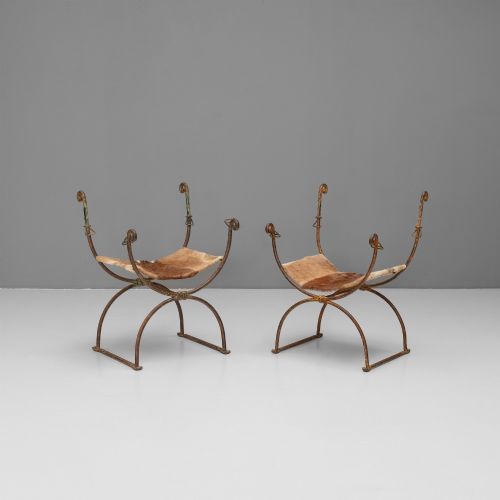
- A low, padded hearth seat framed in metal, typically steel or brass with leather upholstery. These fixtures traditionally stood in libraries and country house smoking rooms.
- Faux bois
- A decorative technique mimicking the texture and appearance of natural wood grain. In metalwork, this finish was cast directly into the iron to create convincing rustic seating.
Antique Metal Bench: Frequently Asked Questions
Can an antique metal bench stay outside year-round?
Most cast and wrought iron garden seats handle outdoor elements well, provided their protective paint layers remain intact and well-maintained over time.
However, pieces featuring wooden slats or leather components benefit from winter storage in a dry shed or conservatory to prevent unnecessary weathering.
How do I identify a Regency metal bench?
Regency pieces typically feature restrained neoclassical lines, strict symmetry and linear wrought iron strapwork rather than the heavy ornamentation seen later in the nineteenth century.
They often have a lighter visual profile and lean towards architectural simplicity.
What is the difference between a garden bench and a club fender?
Garden benches are constructed from weather-resistant metals like cast iron or steel for use outdoors on lawns, patios and in orangeries.
Club fenders are interior hearth furnishings built with padded leather tops designed specifically for indoor seating around a fireplace.
How should I clean a painted metal bench?
Wash the surface gently with mild soapy water and a soft brush to remove accumulated dirt without damaging the historical layers of paint.
Avoid abrasive scouring pads or harsh chemical strippers that could strip away desirable aged patinas.