


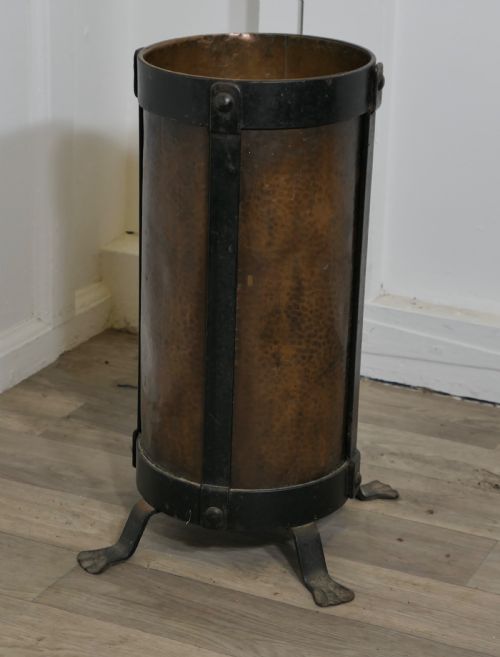


Antique Metal Barrel
An antique metal barrel brings robust industrial character to domestic spaces, offering durable storage with centuries of utilitarian history.
Antique Metal Barrel
The term antique metal barrel encompasses a diverse range of cylindrical vessels and objects shaped around the barrel form, spanning the eighteenth to the twentieth centuries. Buyers seeking this phrase encounter utilitarian water containers, coal buckets, and storage tins alongside unexpected iterations like biscuit barrels and signal cannons.
Domestic and maritime contexts dominate the selection, with Victorian brass and copper water barrels appearing alongside iron-bound oak examples and silver-plated glass biscuit boxes. These pieces reflect periods from the Georgian era through to the Edwardian period, often displaying distinct English, French, and Scandinavian country origins.
How they were made
Construction relies upon combining durable metals such as brass, copper, iron, and bronze with timber elements like oak, often secured by metal banding and rivets. Artisans utilised forming, casting, and smithing techniques appropriate to the scale of the object, whether shaping sheet copper for a water vessel or casting bronze for a signal cannon.
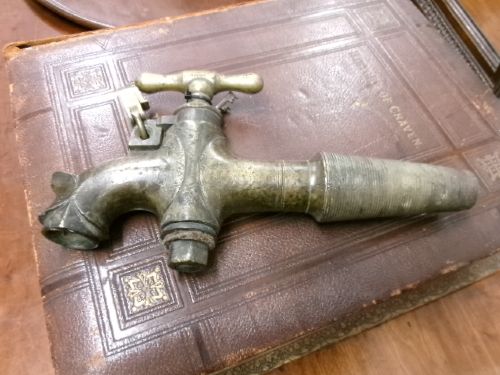
Decorative and functional mounts frequently incorporate silver plate or applied brass hardware to reinforce structural joins and enhance appearance. Glass components in table vessels are mouth-blown and paired with metal mountings to complete the cylindrical silhouette.
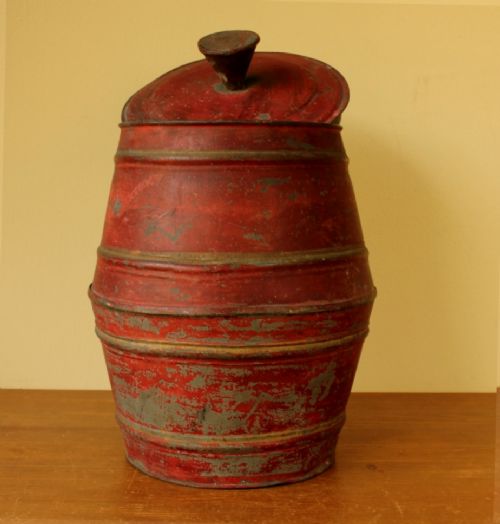
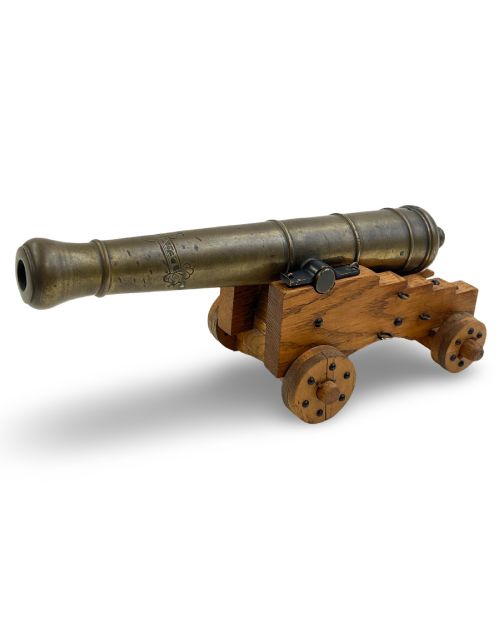
Among the sturdy water vessels and coal buckets, unexpected barrel shapes emerge in the form of tobacco jars, hat-shaped biscuit boxes, and miniature bronze cannons.
What varies in quality
Quality rests in the integrity of the metalwork and the weight of the materials employed, distinguishing heavy cast components from lighter pressed alternatives. Superior examples display crisp chasing, secure riveting, and harmonious proportions between the metal bands and the underlying wooden or glass bodies.
The preservation of original surface finishes, whether patinated copper, polished brass, or untouched iron, determines the visual merit of each piece. Maker attribution, such as signed silver-plated mounts, elevates specific items above standard utilitarian production.
John Grinsell & Sons·RUBIO
The Antique Metal Barrel Glossary
- Biscuit Barrel
- A covered ceramic, glass, or metal container designed for storing dry biscuits on the dining table. They frequently feature decorative silver-plated mounts and swing handles.
- Stick Stand
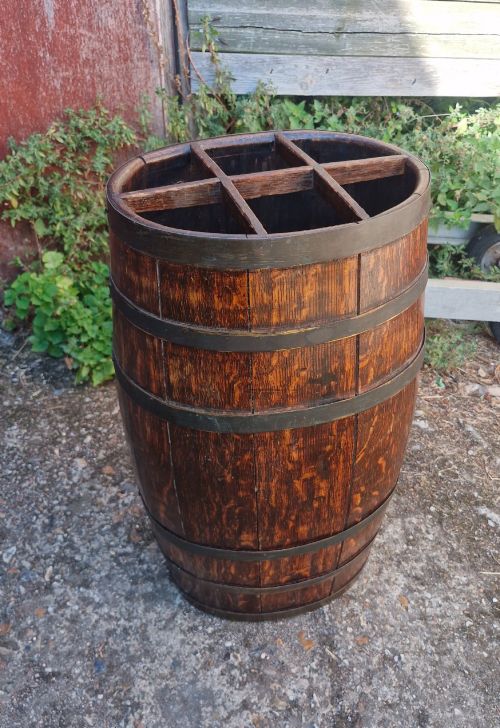
- A vertical holder intended for walking sticks and umbrellas, often constructed from coopered oak with iron or brass bands. These items occupy hallways and boot rooms.
- Signal Cannon
- A small ordnance piece used historically for firing blank charges to signal times, ships, or celebrations. Examples are cast in bronze with metal barrels.
- Silver Plate
- A thin layer of silver fused to a base metal core such as copper or Britannia metal. This technique provided the appearance of solid silver for domestic tableware.
- Coopered
- Constructed from wooden staves bound together with hoops of metal or wood, traditionally utilised for holding liquids.
Antique Metal Barrel: Frequently Asked Questions
What were metal barrels used for?
Metal barrels served varied practical purposes ranging from storing household water supplies and coal to housing dry foodstuffs like biscuits and tobacco.
Larger scaled examples functioned as industrial storage or maritime equipment, while smaller decorative versions remained inside domestic reception rooms.
How do I clean an antique copper barrel?
Maintenance depends entirely on the desired preservation of the historical surface, as active cleaning removes the aged patina accumulated over centuries.
Many collectors prefer dusting with a dry cloth to retain oxidised tones, while others apply gentle metal cleaners strictly to unlacquered brass and copper fittings.
Are these barrels waterproof?
Utilitarian vessels like water barrels were originally engineered to hold liquids safely, but historical timber shrinkage and metal seam separation can occur over time.
Decorative tabletop containers and novelty biscuit boxes are intended for dry storage rather than holding water today.
How do I date a metal barrel?
Dating relies on observing manufacturing methods, material combinations, and stylistic clues inherent to specific periods like the Victorian or Edwardian eras.
Applied mounts, maker stamps, and fastener types such as hand-cut rivets provide further chronological markers.