


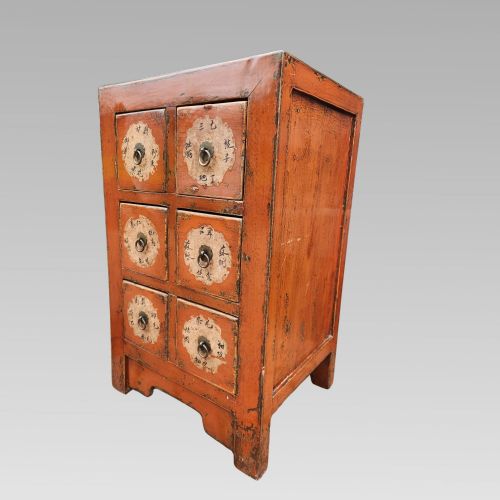


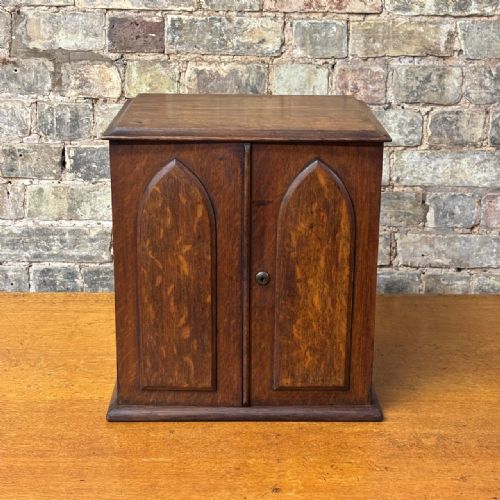
Antique Medicine Cupboard
An antique medicine cupboard is a compact wall-hung or tabletop chest used for remedies, and buyers want one for its hidden compartments and period charm.
Antique Medicine Cupboard
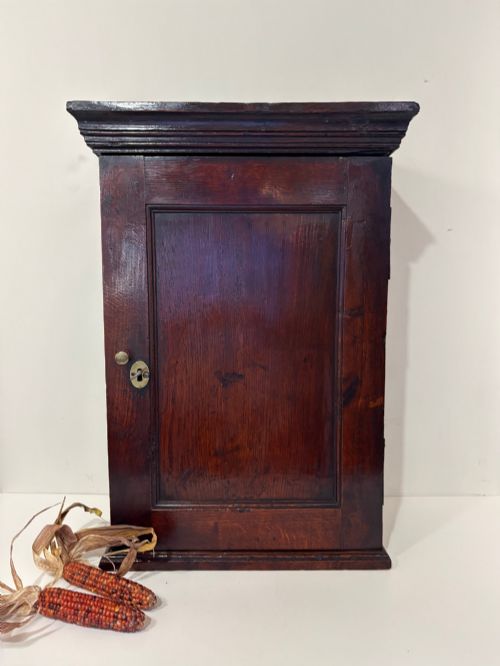
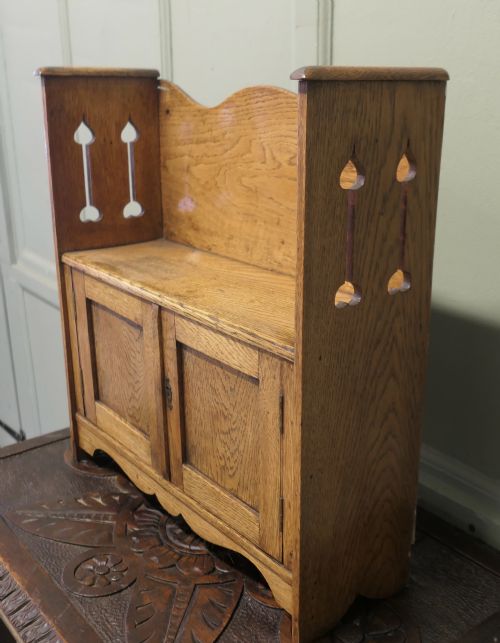
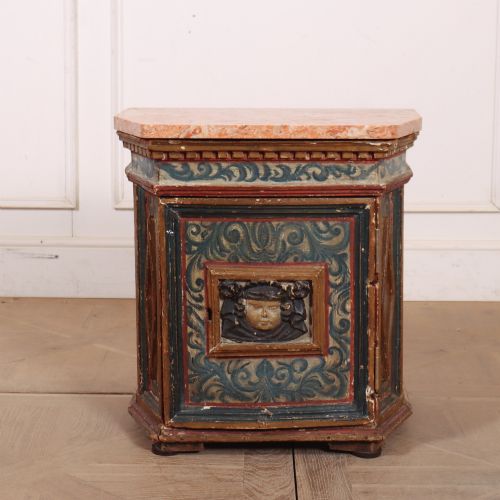
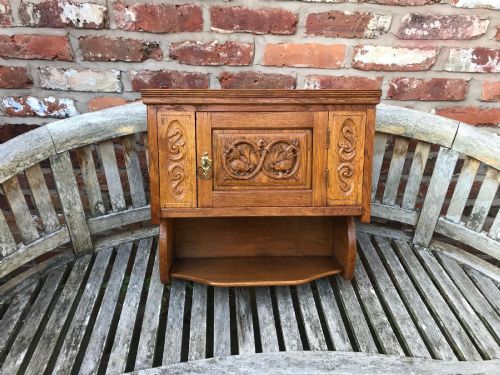
When you search for an antique medicine cupboard, you encounter a range of functional storage forms from domestic wall cabinets to apothecary chests with numerous small drawers. The pieces on this page span several centuries and regions, showing the diverse ways households stored remedies, herbs, and valuables.
You are most likely to meet wall-mounted oak or mahogany cupboards from the Victorian and Georgian periods, alongside pine pieces from Scandinavian sources. These items often feature single doors, internal shelving, or banks of small drawers designed to keep specialised contents organised and secure.
Materials and construction methods
Cabinet makers utilised dense hardwoods such as oak, walnut, and mahogany for British and European pieces, often employing panelled doors and brass hardware for hinges and locks. Regional pieces utilise softer timbers like pine and elm, sometimes finished with original paint surfaces or decorative carving.
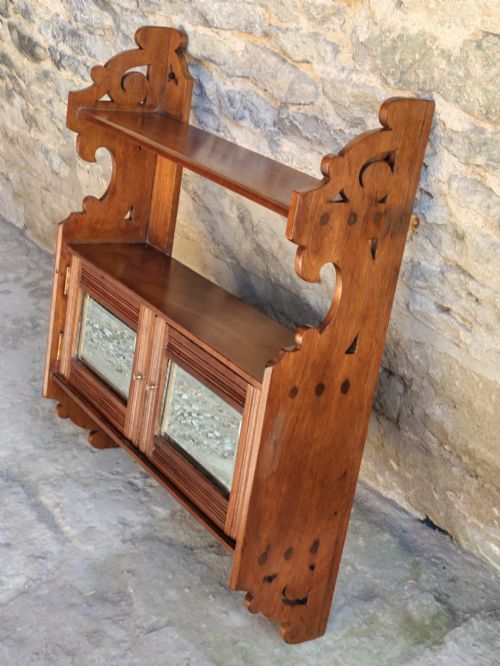
Drawer construction frequently relies on traditional dovetail joints, particularly in apothecary chests and multi-drawer cabinets designed to withstand heavy daily use. Glazed doors incorporate individual glass panes held by wooden glazing bars, while hanging pieces utilise sturdy internal brackets or wall-mounting plates.
The inventory records pieces from the early eighteenth century through the Edwardian era, incorporating styles from Georgian proportions to Arts and Crafts simplicity.
Factors that distinguish better examples
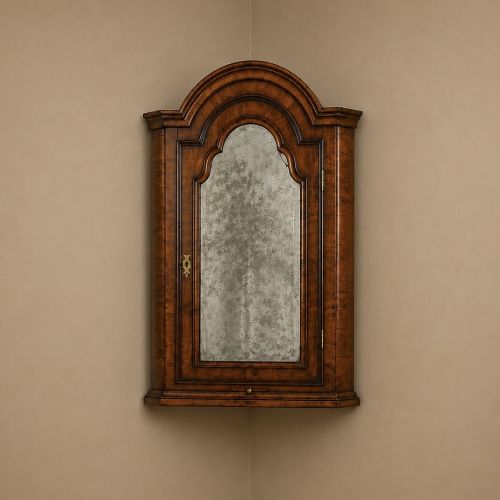
The standard of a piece rests heavily on the integrity of its timber selection, the crispness of any carved detailing, and the retention of original surface finishes. Cabinets retaining their original brass hardware, working locks with keys, and unblemished glass display superior preservation.
Proportion and interior arrangement also dictate distinction, with bespoke drawer configurations and secondary interior compartments commanding greater interest than plain utility boxes. The presence of authentic period signage or original painted decoration elevates an ordinary storage unit into a notable decorative object.
The Antique Medicine Cupboard Glossary
- Apothecary cabinet
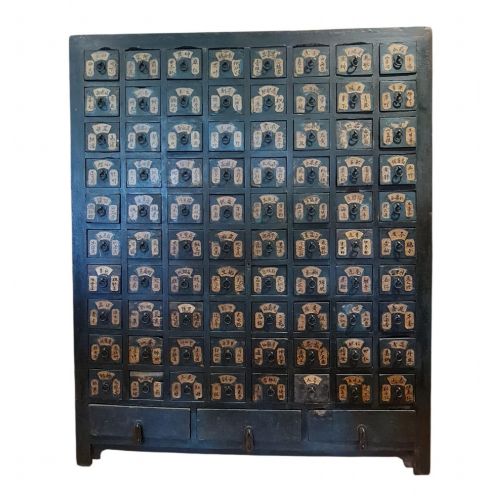
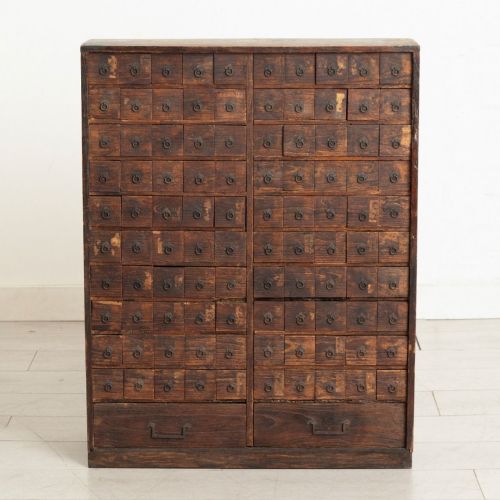
- A multi-drawer chest historically used by practitioners to store medicinal herbs, powders, and ingredients. These pieces typically feature dozens of small, labelled drawers.
- Hanging corner cupboard
- A triangular storage unit designed to fit neatly into a room intersection, maximising floor space. They frequently feature panelled or glazed doors to showcase contents.
- Spice cupboard
- A small, shallow wall-mounted timber cabinet with a single panelled door enclosing internal drawers or shelves. Originally intended for culinary ingredients, they share forms with early medicine storage.
- Brass hardware
- Metal fittings including hinges, escutcheons, and drop handles made from a copper and zinc alloy. Original hardware indicates a piece retains its authentic period components.
- Table cabinet
- A compact, portable storage box designed to sit on a desk, counter, or table surface rather than mount to a wall. They often contain miniature drawers and locking doors.
Antique Medicine Cupboard: Frequently Asked Questions
How were medicine cupboards used?
These cabinets housed domestic remedies, tinctures, and bandages in secure locations away from children and household damp. Many featured lockable doors to safeguard potentially harmful substances and valuable ingredients.
In larger country estates and apothecaries, multi-drawer chests held dried herbs, roots, and mineral powders. Wall-mounted versions kept essential supplies within arm's reach in hallways or private chambers.
Where should I hang a wall cabinet?
Wall cabinets require secure placement on solid masonry walls or directly into wooden wall studs using appropriate heavy-duty fixings. Their weight, especially when filled with glass bottles or hardwood construction, demands stable support.
Bathrooms, kitchens, and hallways serve as popular modern locations, provided the timber is protected from excessive moisture and direct, harsh sunlight. Ensure the door swing has adequate clearance from nearby fixtures.
How do I date an antique cabinet?
Dating relies on examining construction techniques, timber species, hardware styles, and tool marks visible on secondary woods. Hand-cut dovetails, wrought iron nails, and early brass hinges typically point towards eighteenth or early nineteenth-century manufacture.
Stylistic cues such as Georgian moulding profiles, Victorian walnut veneers, or Arts and Crafts ironwork help narrow the period of origin. Comparing the backboards and interior shelving to known regional pieces confirms the timeline.
Are keys usually included with locks?
Many surviving cabinets retain their original working keys, though centuries of use mean replacement keys are frequently fitted by subsequent owners. The presence of a functioning lock and key adds notable charm to smaller storage chests.
If a cabinet lacks a key, specialist locksmiths can often cut a period-appropriate replacement to fit the existing mechanism. The condition of the brass escutcheon plate often indicates whether the lock remains undisturbed.