

Antique Medical Antiques
These antique medical antiques encompass centuries of clinical instruments, pharmacy vessels and anatomical illustrations collected for their tangible history of healing.
Antique Medical Antiques
When searching for antique medical antiques, a buyer encounters a diverse group of objects spanning domestic apothecary storage and clinical instrumentation. The material ranges from household medicine chests to professional surgical equipment used across past centuries.
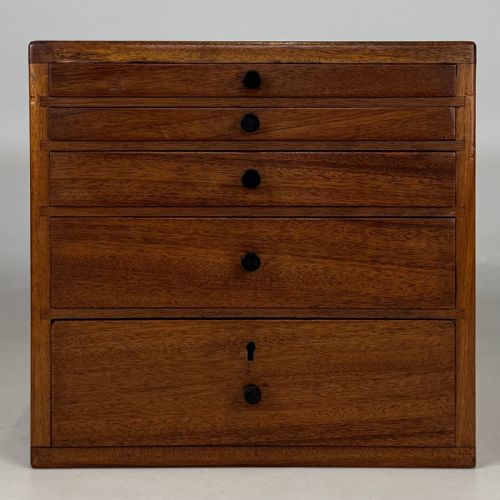
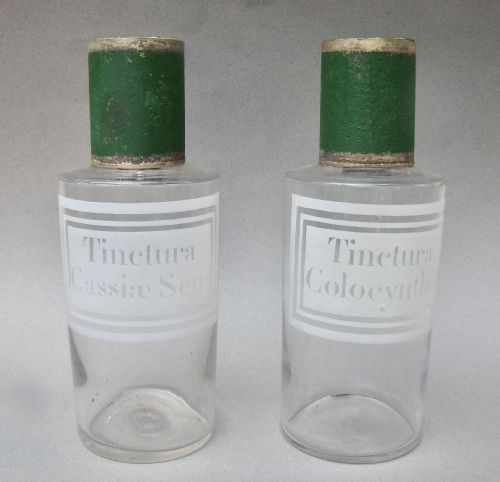
The items most frequently met on this page include glass pharmacy bottles, fitted mahogany apothecary boxes and specialised ceramic wet drug jars. These containers often retain internal glass vials, scales and pill-rounding tools from their operational days.
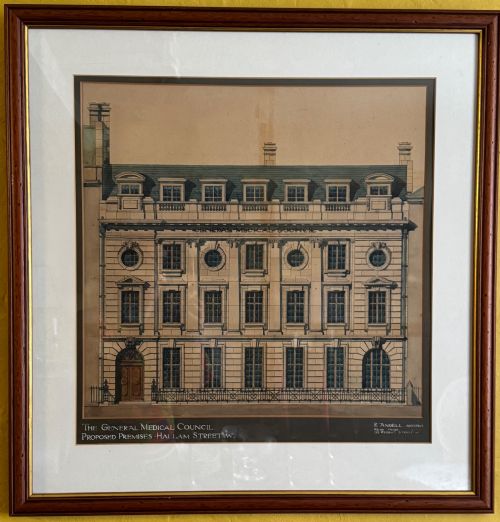
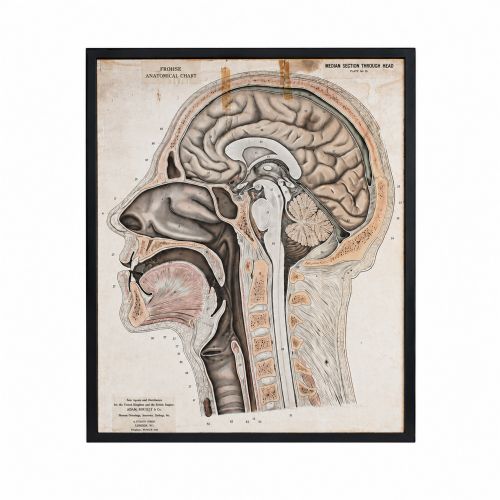
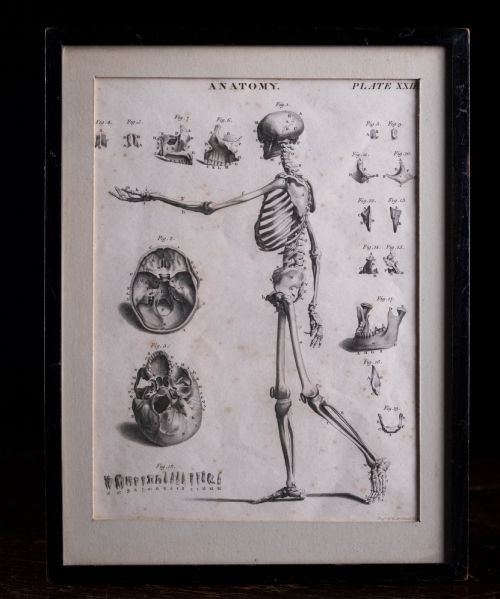
Beyond storage, the selection extends to framed anatomical engravings, dental instruments, and silver-cased blood-letting fleams. Each object represents a specific branch of historical practice, from Georgian dentistry to Victorian pharmacy.
How they were made
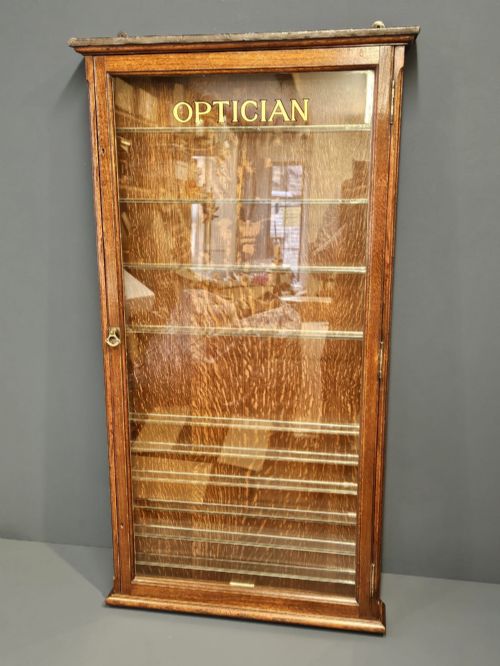
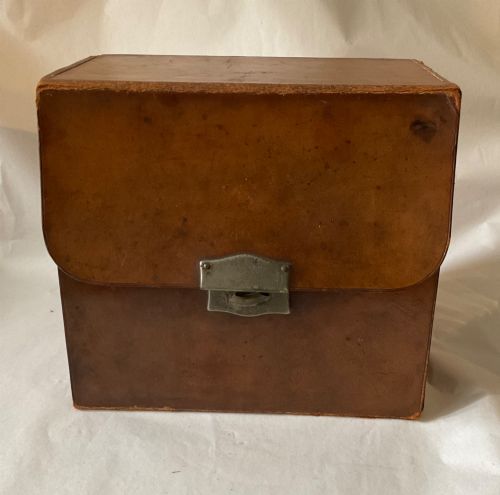
Cabinet makers constructed travel chests and pharmacy banks of drawers using dense hardwoods like mahogany and oak, fitting them with brass hinges and secure locks. Interiors required precise compartment layouts to secure fragile glass bottles during transport.
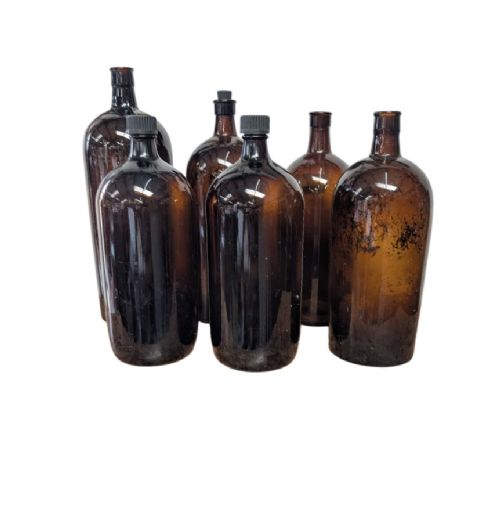
Glass containers and carboys utilised free-blowing and mold-blowing techniques, resulting in natural bubbles and pontil marks on the base. Potters shaped drug jars from tin-glazed earthenware and majolica, applying hand-painted labels and heraldic motifs.
Metal instruments combined forged steel with sterling silver and boxwood, creating durable tools for surgical and dental procedures. Paper items relied on copperplate engraving and hand-colouring for anatomical charts and framed prints.
Antique Medical Antiques Retail Price Guide 2026
Typical asking prices for medical antiques among the pieces listed under this phrase on Sellingantiques today, from the lower quarter to the upper quarter. They describe what is for sale here now, not the wider market.
Listings feature items spanning the 18th, 19th and early 20th centuries, utilising glass, mahogany, brass, paper and sterling silver.
What varies in quality
The standard of a piece rests heavily on the completeness of its original contents and fitted components. Surviving sets retaining their full complement of labeled bottles, stoppers and measuring instruments command greater interest than depleted examples.
Material selection and execution distinguish fine workshop production from utilitarian output. Hand-etched glass carboys, finely figured mahogany veneers, and hallmarked silver travelling kits demonstrate superior craftsmanship compared to standard commercial stock.
John Millikin·Taylor and Perry
The Antique Medical Antiques Glossary
- Albarello
- A cylindrical earthenware jar used by apothecaries to store dry drugs and ointments. These vessels often feature distinctive waisted bodies for ease of handling.
- Carboy
- A large glass vessel displayed in pharmacy windows to indicate the trade. They were typically filled with coloured liquids to attract patients.
- Fleam
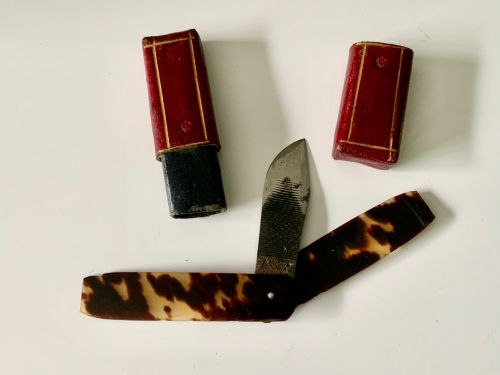
- A small surgical instrument used for blood-letting by opening a vein. They were frequently housed in silver or tortoiseshell cases.
- Pap boat
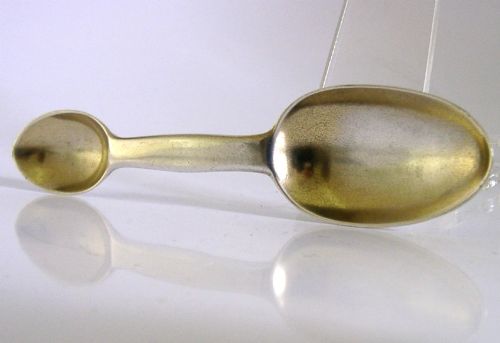
- A small boat-shaped dish used for feeding pap or liquid nourishment to invalids and infants. They appeared in silver and ceramic formats during the Georgian era.
- Pill rounder
- A wooden or brass board used to roll and cut pharmaceutical mixtures into uniform doses. Pharmacists operated these handheld devices manually in the dispensary.
Antique Medical Antiques: Frequently Asked Questions
What are antique medical antiques used for today?
These items serve primarily as decorative display pieces and historical study objects for collectors of scientific and medical history.
Cabinets and jars find placement in home interiors as storage or focal points, while framed engravings are hung on walls.
How do I identify a Georgian apothecary box?
Georgian apothecary boxes feature solid mahogany construction with flush brass carrying handles and secret drawers concealed behind panels.
Inside, they contain fitted pigeonholes and original glass bottles with ground glass stoppers for liquid medicines.
Are apothecary jars made of glass or ceramic?
Apothecaries used both glass and ceramic vessels depending on the contents and the era of manufacture. Glass carboys and bottles held liquids, while majolica and delftware jars stored dry drugs and wet preparations.
Ceramic examples often feature painted labels to identify specific herbal remedies.
How should I clean antique medical instruments?
Antique instruments require minimal intervention to preserve their historic surface finish and any original patina. Dusting with a dry cloth is sufficient for wood and metal, avoiding harsh chemical polishes.
Glass items may be washed gently in lukewarm water without abrasive materials.