







Antique Mechanical Music
Antique mechanical music brings together complex clockwork engineering and acoustic design to fill a room with the literal sound of the past.

Antique Mechanical Music
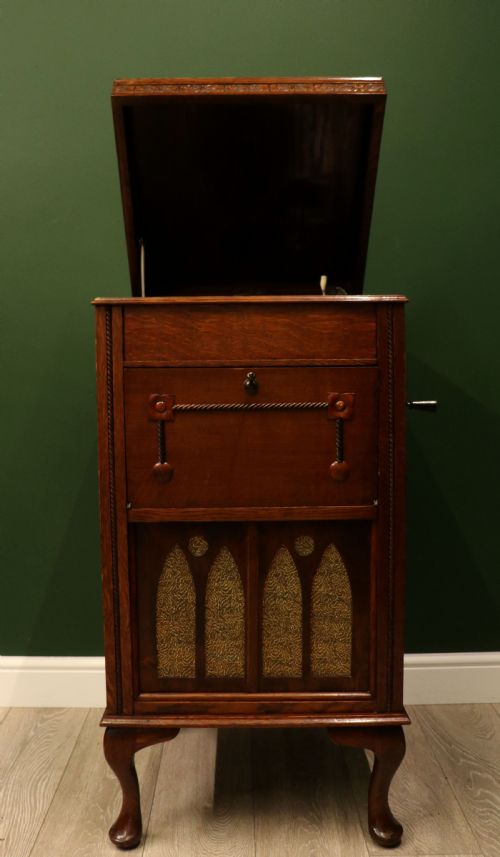
When you search for antique mechanical music, you encounter a wide variety of sound-producing instruments dating from the nineteenth and early twentieth centuries. These pieces range from Swiss cylinder musical boxes and disc-playing automata to gramophones, phonographs, and metronomes.
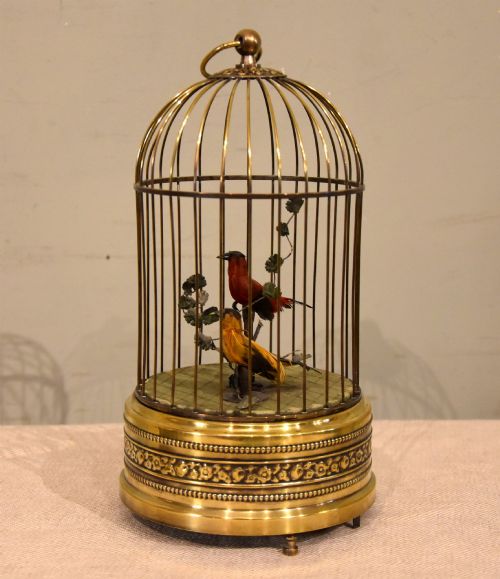
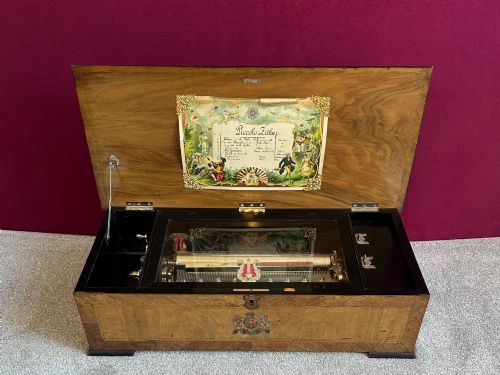
The most common versions met on this page are Victorian music boxes housed in timber cases, alongside specialised items like singing bird boxes and table-top gramophones. These objects reflect both domestic entertainment and technological innovation across the Victorian and Edwardian eras.
How they were made
The construction of these pieces relies heavily on precise metalwork and cabinetmaking, combining brass combs, steel pins, and iron machinery with fitted wooden cases. Walnut, rosewood, mahogany, and ebonised wood provide the structural and acoustic housing for the internal gearwork.
Makers utilised marquetry inlay and glass panels to decorate the exterior while protecting the delicate mechanisms within. Sound reproduction depended entirely on hand-tuned metal pins striking precisely measured teeth on a musical comb.
Antique Mechanical Music Retail Price Guide 2026
Typical asking prices for mechanical music among the pieces listed under this phrase on Sellingantiques today, from the lower quarter to the upper quarter. They describe what is for sale here now, not the wider market.
Listings feature walnut, rosewood, and mahogany alongside ebonised wood finishes across Victorian and Edwardian periods.
What varies in quality
The standard of antique mechanical music is defined by the complexity of the internal movement and the acoustic richness of the sound produced. Pieces featuring multiple airs, visible bells, or automated singing birds represent a higher tier of workshop execution.
Cabinet quality also dictates the level of craftsmanship, with fine marquetry inlay and dense hardwoods like rosewood or walnut elevating the piece beyond standard utility. The precision of the cylinder pinning and the integrity of the brass comb govern the musical longevity of the instrument.
U Phone of Leeds·Karl Griesbaum·Langdorff And Fils·Lochmanns·B A Bremond·Nicole Freres
The Antique Mechanical Music Glossary
- Cylinder
- A brass barrel set with tiny steel pins that pluck the teeth of a musical comb to produce a tune. Cylinder music boxes typically play a fixed sequence of melodies known as airs.
- Air
- An individual musical tune or track programmed onto a cylinder or disc. Boxes are often described by the total number of airs they can perform.
- Comb
- The tuned metal plate with individual teeth that vibrate when struck by pins or discs. The length and thickness of each tooth determine its specific musical pitch.
- Disc
- A flat metal sheet perforated with holes or tabs used in later machines to play music. Unlike pinned cylinders, interchangeable discs allow for a larger repertoire of songs.
- Automaton
- A mechanical figure or mechanism designed to mimic living movement, such as a singing bird in a cage. These devices use complex cam systems to synchronise physical motion with sound.
Antique Mechanical Music: Frequently Asked Questions
How do cylinder music boxes work?
A wound spring turns a brass cylinder covered in small steel pins. These pins pluck individual teeth on a tuned comb to play specific notes.
Gear trains and governors control the speed of rotation to maintain a steady tempo throughout each musical air.
What is the difference between cylinder and disc boxes?
Cylinder boxes play a fixed set of tunes pinned permanently onto a metal barrel. They offer intricate arrangements but a limited repertoire.
Disc boxes use flat, interchangeable metal sheets that allow the owner to swap records and play a wider variety of music.
How do you care for mechanical music pieces?
Keep these items in stable room conditions away from direct sunlight and damp environments. Sudden temperature changes can affect the wood and delicate internal adhesives.
Wind the mechanisms gently and avoid forcing any levers if a governor locks or a tune comes to a natural halt.
What are airs on a music box?
Airs refer to the distinct musical tunes or tracks programmed onto the cylinder of a box. Older instruments often list the specific number of airs on a paper tune sheet inside the lid.
More complex movements cycle through a dozen or more distinct melodies before repeating the sequence.