
Antique Mechanical Horology
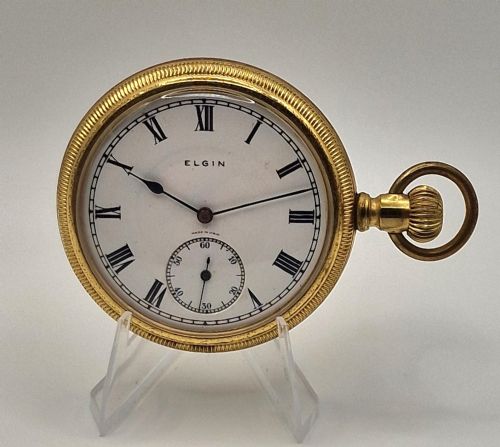
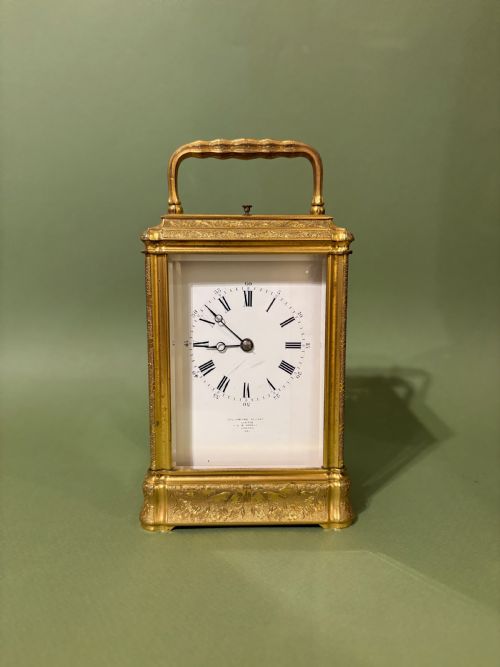
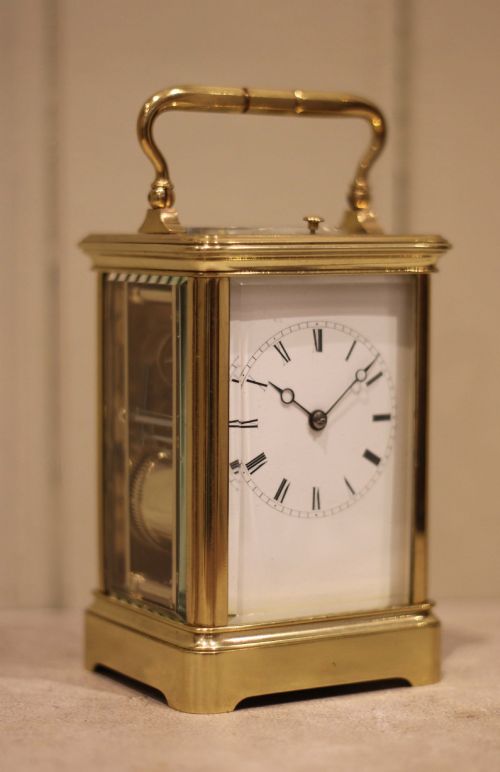
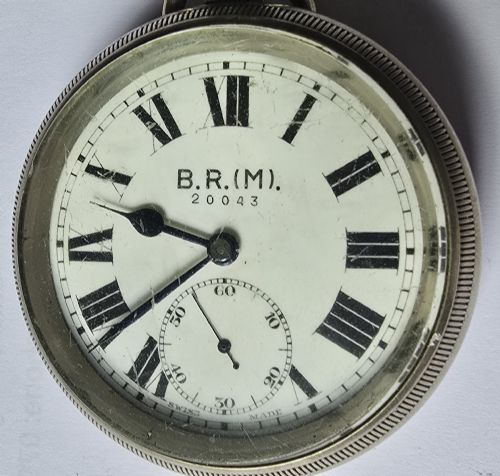
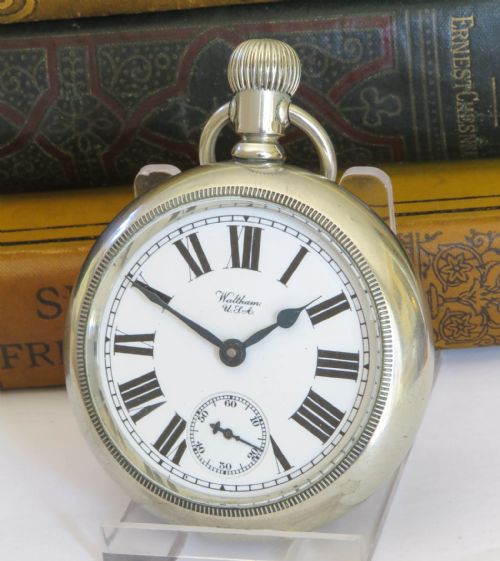
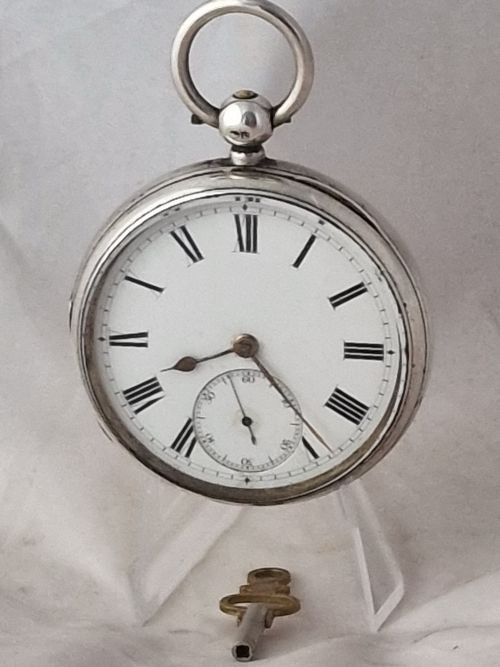
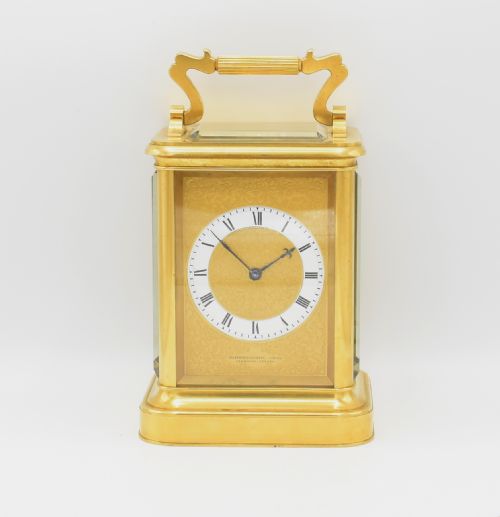
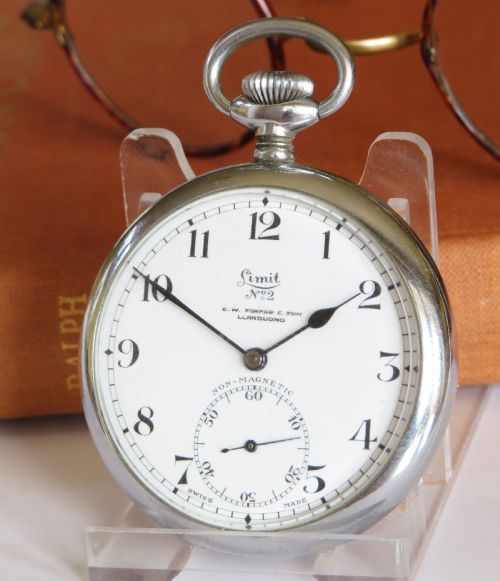
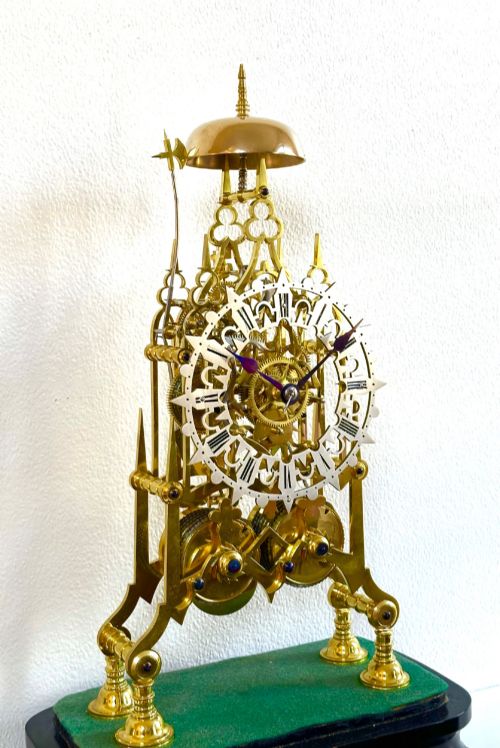
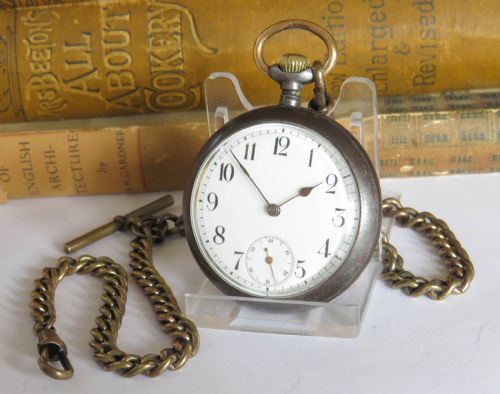
Antique mechanical horology comprises pocket watches, carriage clocks and skeleton clocks driven by brass gear trains and steel springs.
Antique Mechanical Horology
When buyers search for antique mechanical horology, they look for portable and domestic timepieces driven by gears, springs and escapements rather than electronic components.
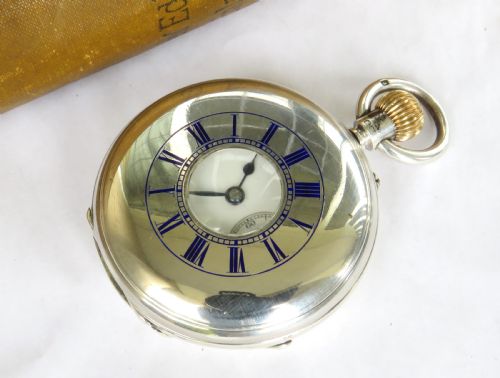
The pieces on this page span pocket watches, mantel clocks, carriage clocks and wall clocks originating from Victorian, Edwardian, Art Deco and mid-century periods.
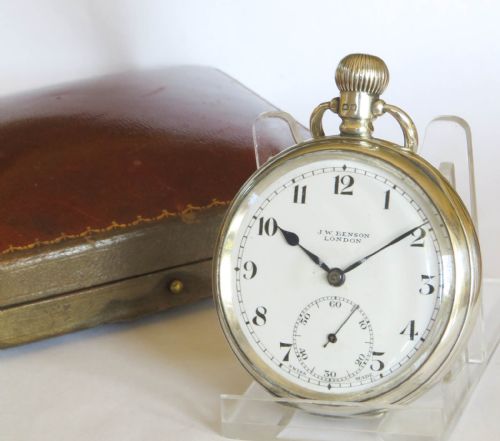
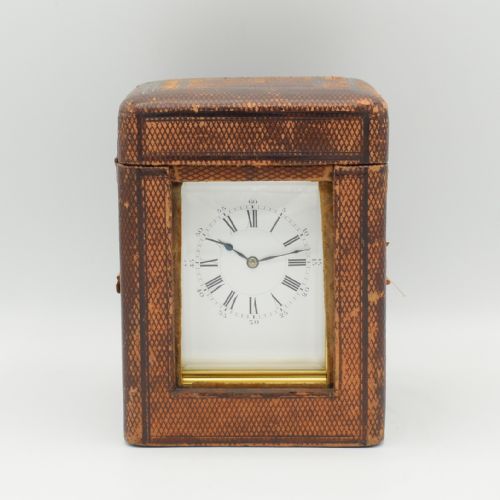
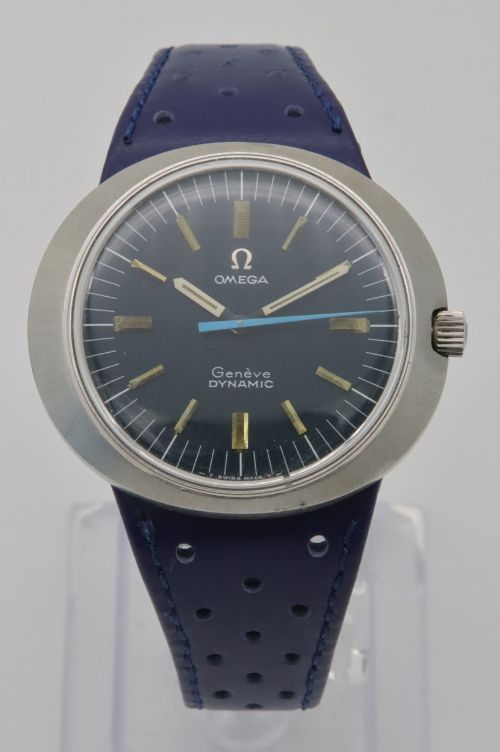
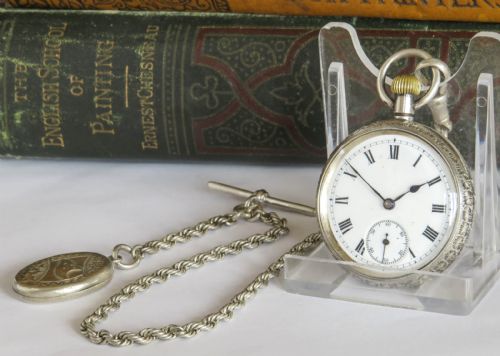
Pocket watches and brass-cased carriage clocks appear most frequently, alongside skeleton clocks and wristwatches representing English, French and Swiss makers.
Materials and construction
Cases are forged from brass, silver, gun metal, gold, steel and glass, often housing intricate internal brass gear trains and steel pinions.
Dials feature enamel surfaces with painted Roman or Arabic numerals, while outer cases utilise mahogany, leather travel boxes and burr walnut veneers.
Early travellers relied on heavy brass carriage clocks ticking quietly inside custom leather cases to keep appointments on muddy stagecoaches.
Distinctions in quality
Quality separates mass-produced railway timepieces from precision chronographs and quarter-striking carriage clocks produced by notable makers.
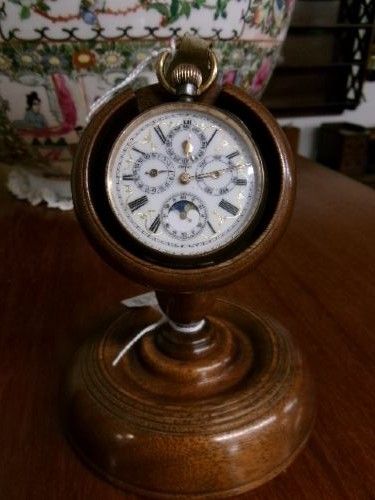
The refinement of the escapement, the complexity of complications such as calendar moonfaces, and the hand-finishing of internal brass plates define the upper tier.
Henri Jacot·J W Benson·Lange & Sohne·Mappin & Webb·Waltham
The Antique Mechanical Horology Glossary
- Fusee
- A conical pulley used in older clocks and watches to maintain even force on the gear train as the mainspring unwinds.
- Escapement
- The mechanical linkage that controls the release of gear train energy to regulate the motion of the watch hands.
- Half hunter
- A pocket watch case featuring a glass panel or central hole in the front cover to allow reading the time without opening the case.
- Skeleton clock
- A clock designed with open metalwork plates to expose the entire gear train and movement to view.
- Carriage clock
- A small, spring-driven clock originally designed for travel, typically housed in a brass frame with glass panels.
Antique Mechanical Horology: Frequently Asked Questions
How do I wind an antique mechanical pocket watch?
Use the designated key or crown to turn the mainspring mechanism gently until resistance is felt, avoiding over-winding to protect the internal tension spring.
Keep track of the winding schedule to maintain consistent timekeeping throughout its operational power reserve.
What is the difference between a fusee and a non-fusee movement?
A fusee movement incorporates a conical pulley system to equalise the declining power of the mainspring, whereas standard movements connect the mainspring barrel directly to the gear train.
Fusee mechanisms represent older English watch and clockmaking traditions focused on improving chronometric accuracy.
How should I store a carriage clock?
Place the clock on a stable, level surface away from direct sunlight, extreme temperature fluctuations and moisture that could tarnish the brass case.
When transporting, secure the escapement lever if equipped or utilise a fitted leather travel case to protect the glass panels.
Can I wear an antique pocket watch daily?
Daily wear is possible provided the watch receives regular mechanical servicing and is secured safely within a waistcoat pocket using an albert chain.
Avoid exposure to magnetic fields and heavy impacts, as vintage mechanical movements lack modern shock protection.