





Antique Mechanical Chimes
Antique mechanical chimes bring the living pulse of past centuries into a room through clockwork melody, striking mechanisms and acoustic resonance.
Antique Mechanical Chimes
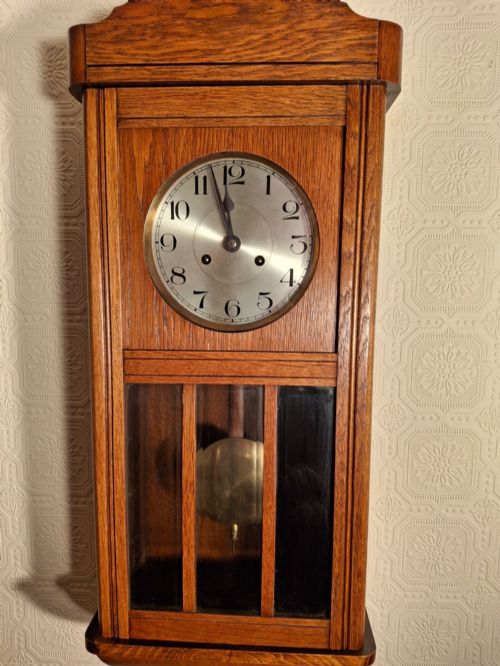
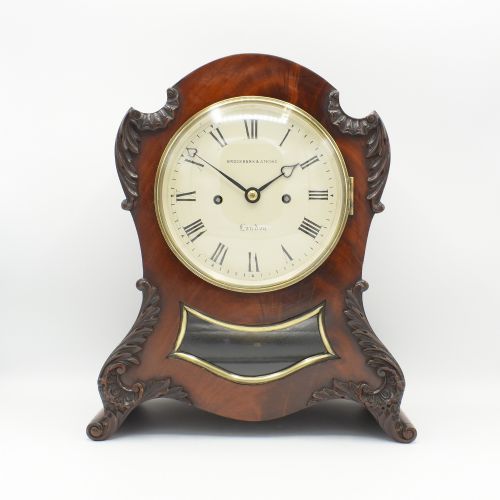
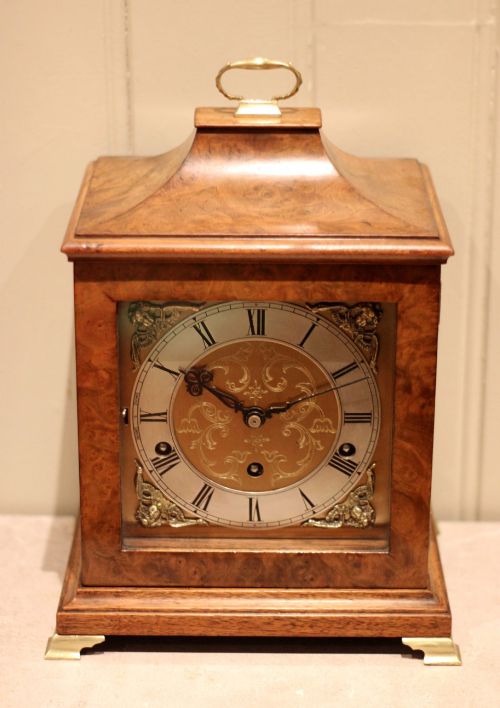
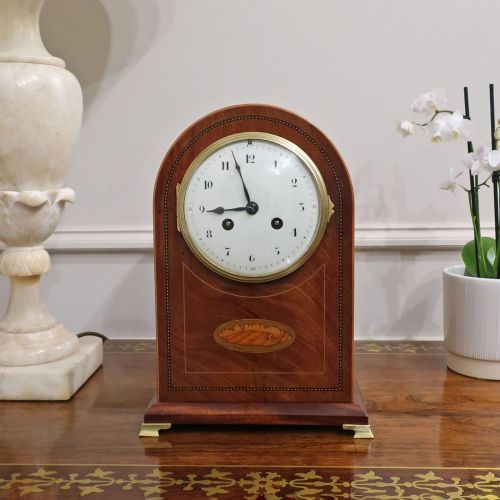
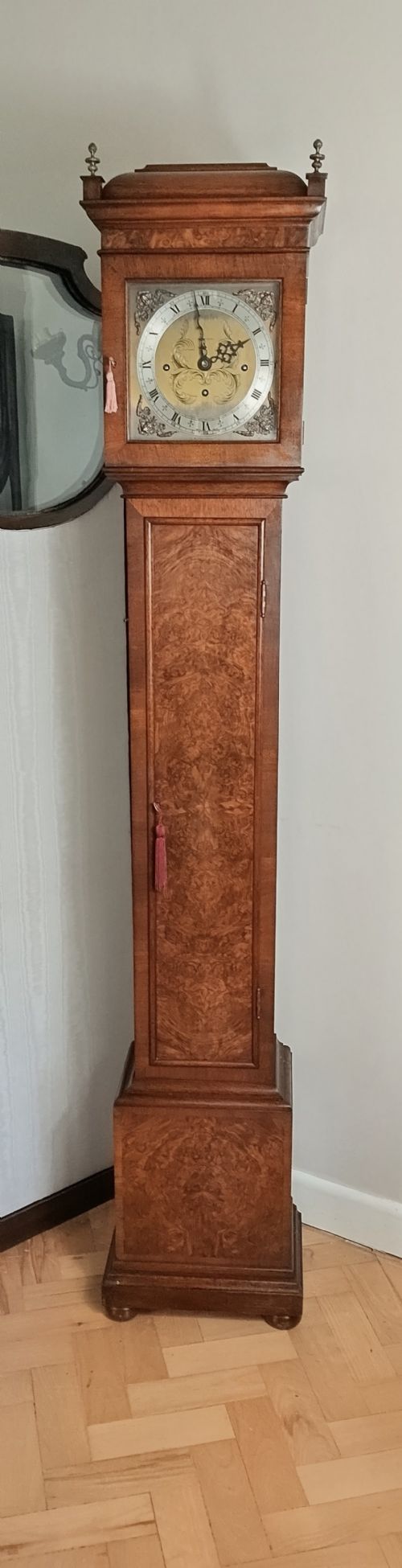
These pieces encompass a diverse range of horological engineering, spanning from compact mantel and bracket designs to towering grandfather and grandmother longcase clocks. When searching for antique mechanical chimes, buyers encounter domestic timepieces that regulate their melodic output through pinned cylinders, gongs, bells or tubular rods.
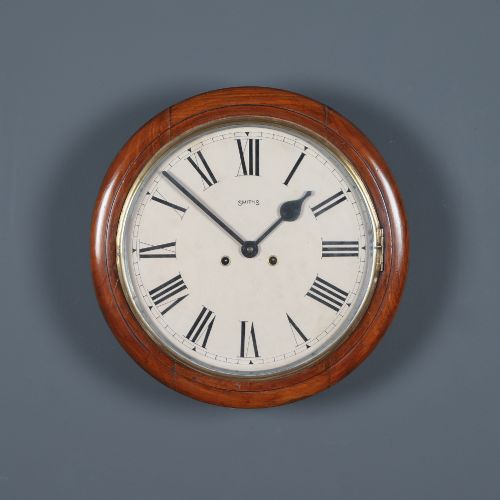
The selections predominantly date from the Victorian era through to the mid-twentieth century, capturing shifts in domestic taste from ornate period revivals to streamlined Art Deco forms. Domestic wall clocks, railway station dials and table clocks round out the typical configurations seen in daily trade.
Makers and manufacturers from Britain, Germany and France dominate the origin points of these mechanical soundmakers. Collectors select them both for precise architectural presence and for the acoustic character of their hourly or quarterly melodies.
Materials and construction methods
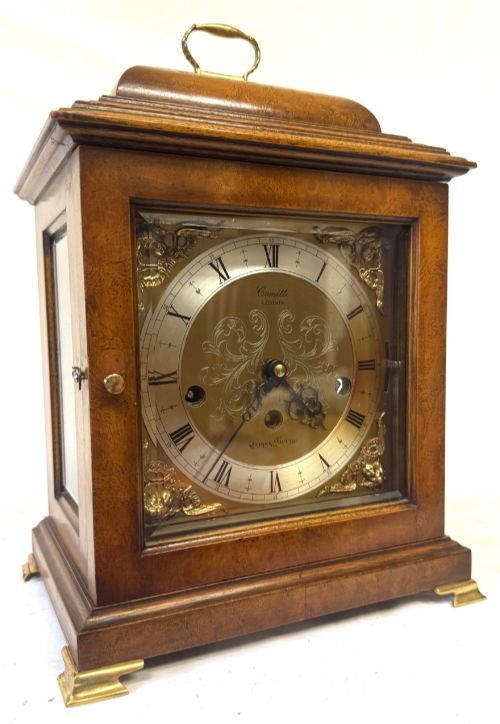
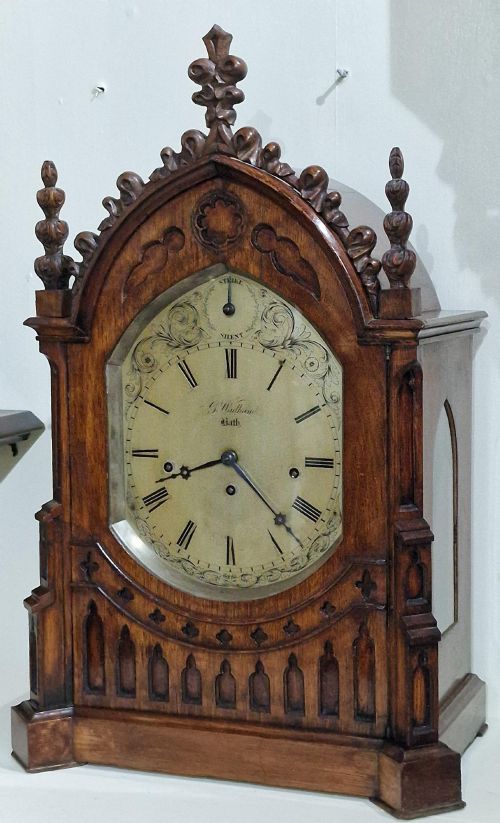
Cabinet makers utilised dense hardwoods including mahogany, walnut, burr walnut and oak to house complex gear trains, often incorporating glass panels or brass bezels to reveal the dial and interior mechanics. Selected models feature inlaid rosewood, bronze mounts or ebonised finishes that reflect the stylistic preferences of their decade.
Internal movements rely on heavy brass plates, steel pivots and fusee or spring-driven gear trains designed to lift hammers against tuned bronze bells, coiled gongs or suspended metal tubes. These mechanical assemblies required expert calibration to coordinate timekeeping with the intricate striking and chiming sequences.
One oak-cased glockenspiel waits silently among the bracket clocks, ready to turn living rooms into nineteenth-century bandstands.
Assessing quality in mechanical timepieces
The grade of an antique chime rests upon the sophistication of its movement, such as triple fusee or multi-train setups that govern complex quarter-chiming melodies. Superior examples display meticulous hand-finishing on internal brass components and robust cabinet joinery using premium veneers.
Originality of the dial, movement and case significantly elevates a piece, as does the clarity and resonance of the acoustic chimes. Well-preserved maker signatures on dials and backplates also separate standard commercial production from workshop masterpieces.
H.A.C.·Mappin & Webb·Vedette·Enfield·Winterhalder & Hofmeier·Lenzkirch·Gustav Becker·Barraud & Lunds·Brockbanks & Atkins
The Antique Mechanical Chimes Glossary
- Fusee
- A conical pulley connected to the mainspring by a chain or cord, designed to equalise the driving force as the spring unwinds. This mechanism maintains consistent power delivery to the gear train for improved timekeeping accuracy.
- Ting-tang
- A two-hammer striking system that sounds on two different bells or gongs to signal the passing quarters before the hour strike. It produces a distinct, high-low dual note sequence.
- Grandes sonnerie
- A complication that strikes both the hours and the quarters automatically on every quarter-hour without requiring manual activation. It represents a high level of clockmaking skill.
- Carillon
- A set of tuned bells or metal bars played by a pinned revolving cylinder to produce a specific melody. These musical trains operate independently from the standard timekeeping train.
Antique Mechanical Chimes: Frequently Asked Questions
What is a Westminster chime?
A Westminster chime is a four-note melody played on quarter hours by mechanical clocks, originating from the quarters sounded by the clock tower at the Palace of Westminster.
The sequence uses four permutations of four notes pitched in specific keys to mark each quarter of the hour before striking the full hour count.
What is the difference between a bracket clock and a mantel clock?
Bracket clocks historically rested on wall-mounted wooden brackets to keep them at eye level and away from damp tabletops. They typically feature robust carrying handles on top.
Mantel clocks evolved to sit directly on fireplace ledges or furniture surfaces, featuring decorative cases made of wood, marble or metal suited for prominent domestic display.
Why do some clocks have tubular bells?
Tubular bell clocks suspend long brass or steel tubes inside the tall cases of grandmother and grandfather clocks to produce a deep, cathedral-like resonance. This system was patented in the late nineteenth century as an alternative to traditional cast bells.
The suspended tubes create a sustained, echoing acoustic quality when struck by internal felt or leather hammers.