


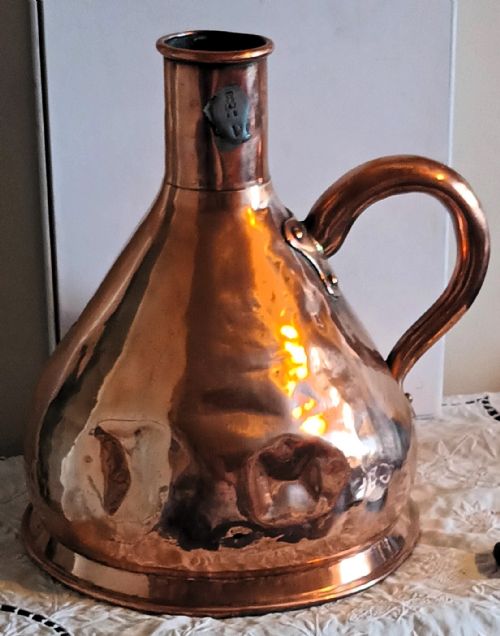


Antique Measuring Vessel
An antique measuring vessel holds dry goods or spirits, bringing utilitarian heritage and heavy metalwork into modern interiors.
Antique Measuring Vessel
An antique measuring vessel is a utilitarian container made to gauge volume for trade, brewing, or domestic provision. Buyers searching this phrase meet copper, pewter, brass, and wood containers spanning from the eighteenth century through the Victorian era.
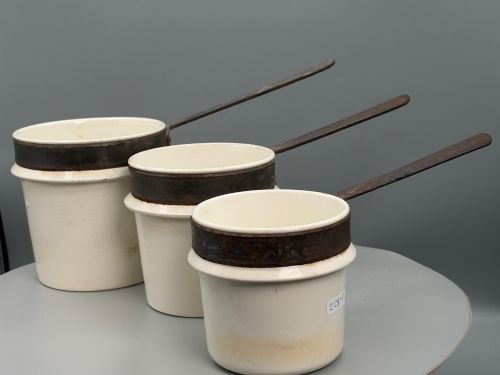
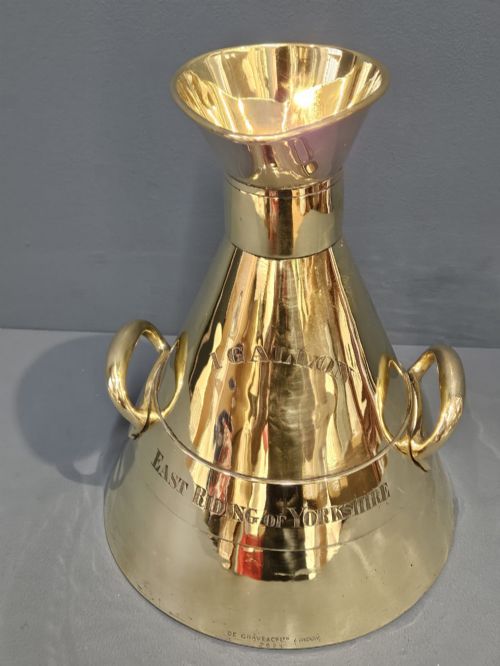
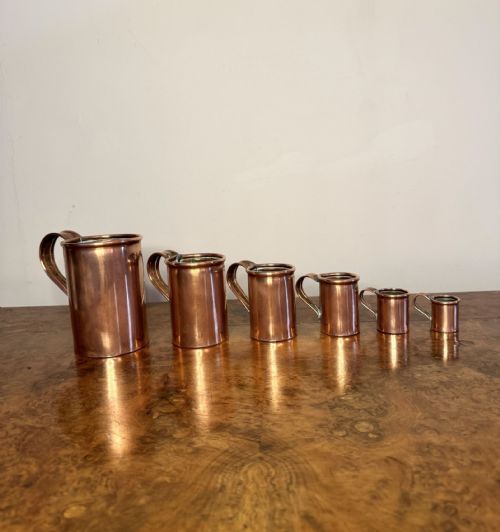
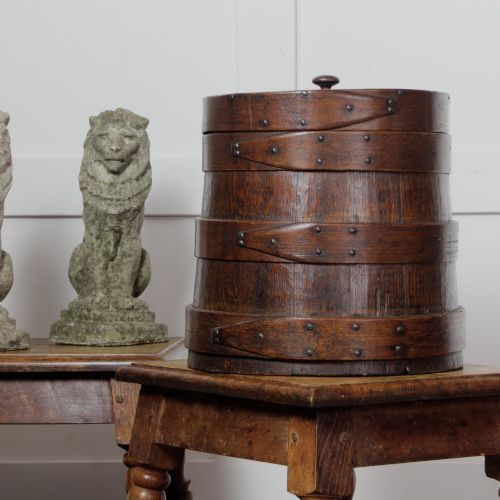
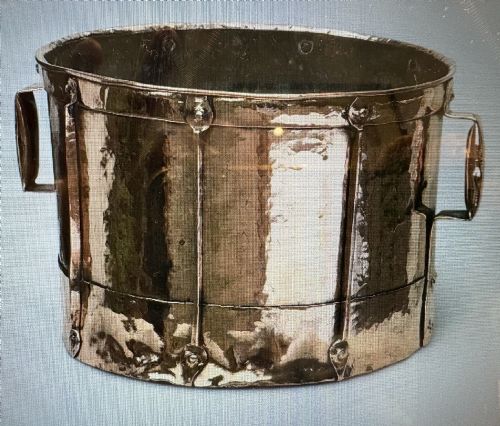
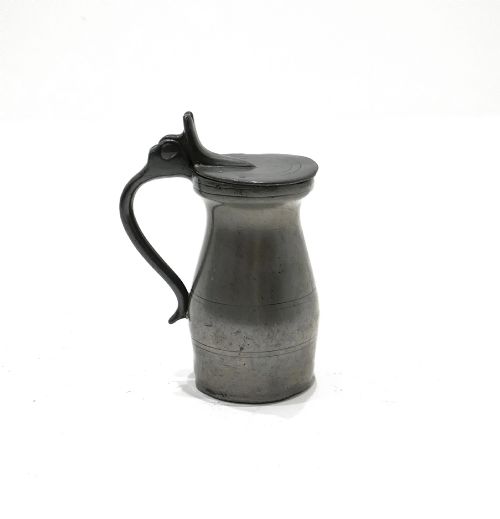
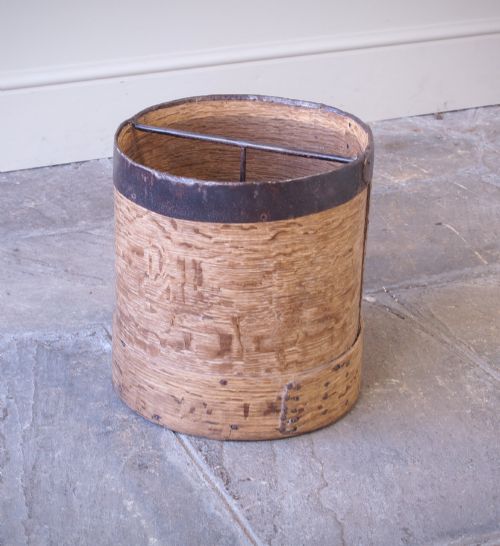
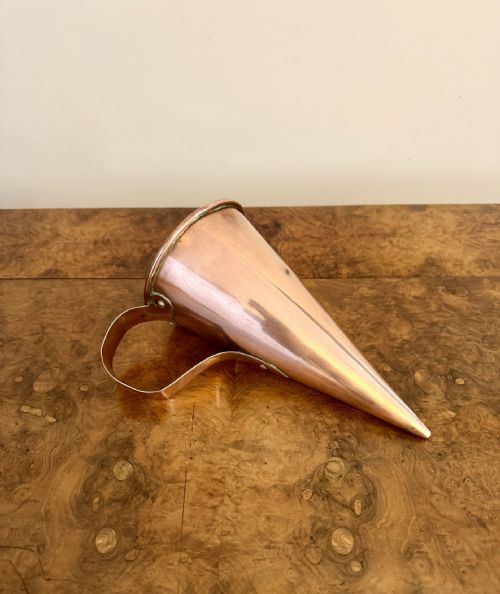
The most common examples on this page take the form of copper jugs, pewter flagons, and wooden grain bins originating from English, French, and Scottish workshops. These items range from small spirit measures to large agricultural barrels.
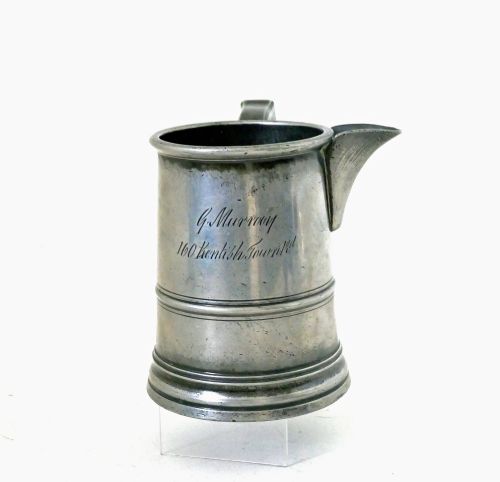
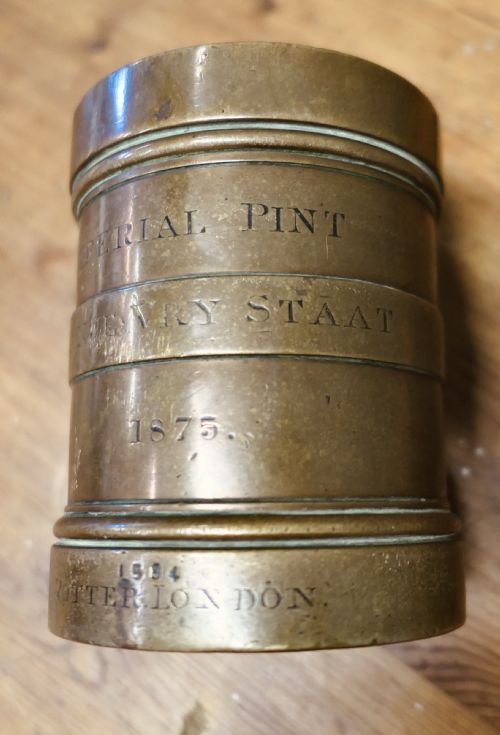
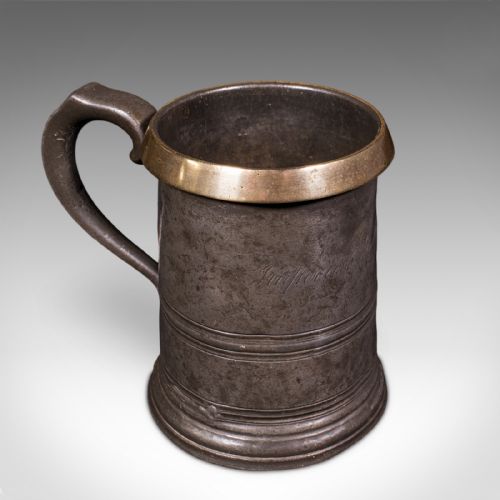
Vessels show clear signs of past service, such as engraved tavern names, capacity stamps, and dents acquired during daily use in public houses or farmhouses. Their forms reflect strict local standards of measurement before the adoption of unified systems.
Materials and construction
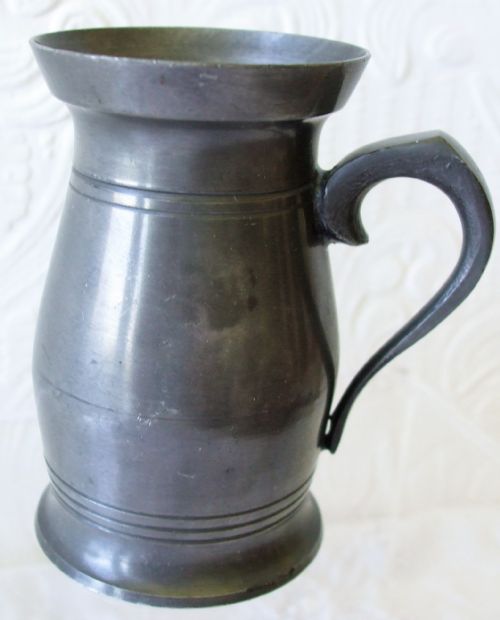
Pewter objects are cast in moulds and finished by hand, often featuring soldered joints and flat lids typical of eighteenth-century tavern gear. Makers also hammered sheets of copper and brass into seamless or seamed jugs, attaching handles with rivets.
Wooden vessels utilise staves bound with metal hoops or rely on turned timber sections hollowed from single logs. These natural materials develop patinas through decades of handling and exposure to liquids or dry grains.
Antique Measuring Vessel Retail Price Guide 2026
Typical asking prices for measuring vessel among the pieces listed under this phrase on Sellingantiques today, from the lower quarter to the upper quarter. They describe what is for sale here now, not the wider market.
Miniature apprentice pieces let junior metalworkers practice forming tiny graduated jugs that held barely a thimbleful of liquid.
Assessing craftsmanship
Quality rests on the weight of the metal and the precision of the maker's marks stamped onto the surface. Heavy gauges of copper or thick-walled pewter retain their structural integrity better than thin, easily dented alternatives.
Original components dictate value, such as intact lids on pewter flagons and matching sets of graduated jugs. Crisp touchmarks and verified tavern inscriptions elevate standard utility items into collectible examples of metalwork.
Joseph Sankey·Potter of London·J. Bower·Frederic Sanders
The Antique Measuring Vessel Glossary
- Flagon
- A large drinking vessel with a handle and lid, frequently utilised in public houses for ale or wine. Eighteenth-century examples often display flat lids and thumbpieces.
- Haystack measure
- A distinctively shaped British copper liquid measure with a tapered body resembling a hayrick. These items were produced in standard capacities from gills to gallons.
- Gill
- A unit of liquid capacity equal to a quarter of a pint. Surviving gill measures are typically small spirit containers used in taverns.
- Breweriana
- Collectable items associated with the brewing and serving of beer, including public house tankards and capacity jugs. This category encompasses stamped metal vessels from specific inns.
- Touchmark
- A stamp impressed by a pewterer into metal work to indicate the maker and standard of the alloy. These marks serve as primary evidence for dating and attribution.
Antique Measuring Vessel: Frequently Asked Questions
How were antique measuring vessels used?
These vessels served merchants, publicans, and farmers to portion out liquid volumes like ale and brandy, or dry goods such as grain and flour. They functioned as official standards of trade before automated packaging.
In domestic settings, smaller versions managed kitchen ingredients while larger flagons transported liquids from cellars to tables.
How do I clean copper and pewter measures?
Dust and loose grime should be removed with a soft, dry cloth to preserve the historical surface. Aggressive polishing strips away the natural dark oxidation that collectors value.
If cleaning is necessary for hygiene, use mild soapy water and dry immediately to prevent spotting on the metal.
Are these measures safe for holding food?
Many older pewter items contain lead alloyed with tin, which leaches into acidic liquids or food over time. Copper vessels require a clean tinned interior to prevent toxic reactions with consumables.
For these reasons, antique measures are best displayed as decorative objects rather than utilised for daily consumption.
How can I tell the age of a metal measure?
Age is determined through construction methods, capacity stamps, and maker touchmarks embedded in the metal. Eighteenth-century pieces frequently feature flat lids and broad thumbpieces.
Nineteenth-century items often display standardised Imperial verification marks introduced during government reforms of weights and measures.