


Antique Match Container
An antique match container keeps your vestas safe and dry, ranging from pocket silver to carved wood.
Antique Match Container
The antique match container covers pocket vestas, desk holders, wall pockets, and spill vases designed to hold matches safely before safety matches became universal. These pieces span the Georgian, Victorian, and Edwardian periods, reflecting changing domestic habits and smoking practices.
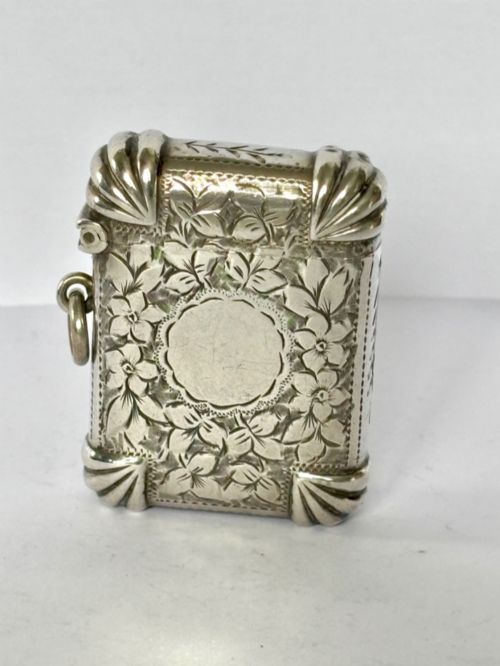
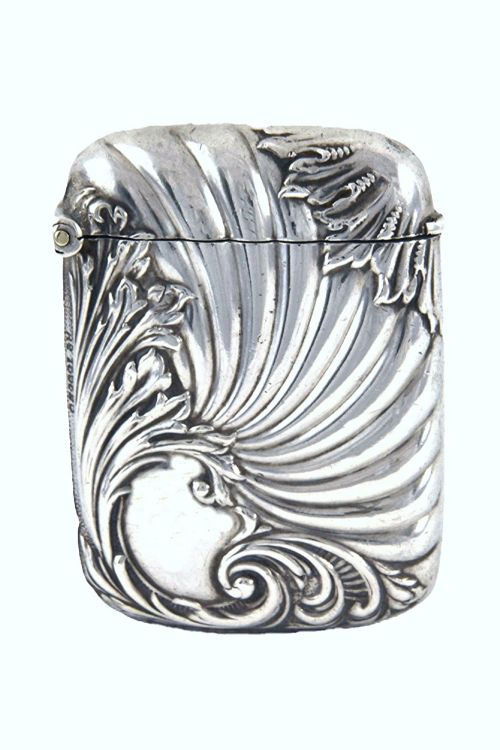
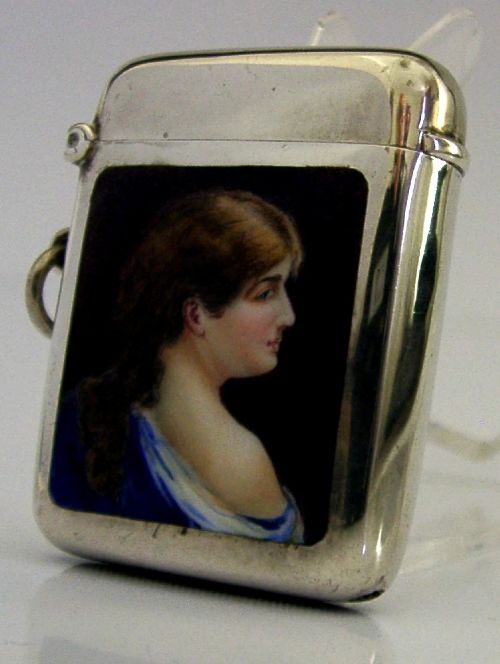
Pocket silver vesta cases dominate the selection, often featuring hinged lids and textured striking bases on the underside. Alongside silver, you encounter carved limewood, oak, brass, and yew wood forms shaped as animals, figures, or utilitarian boxes.
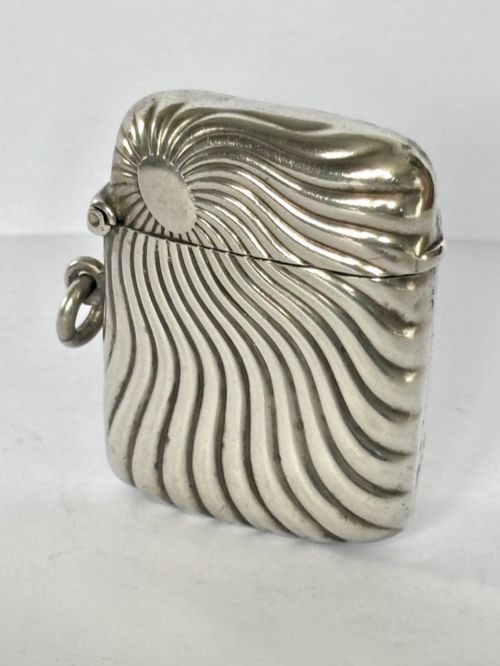
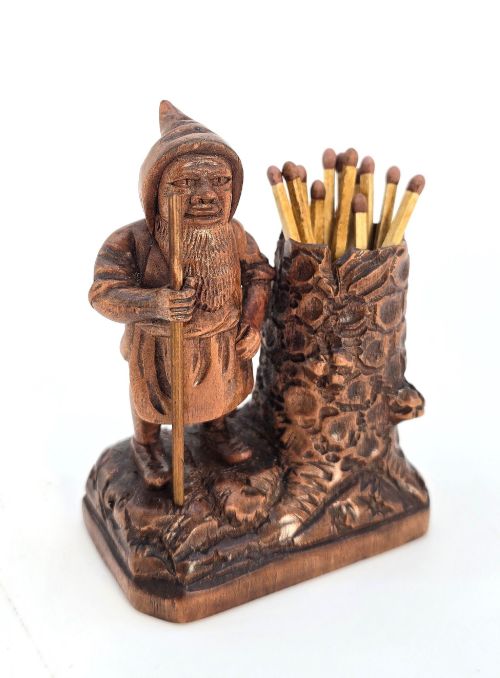
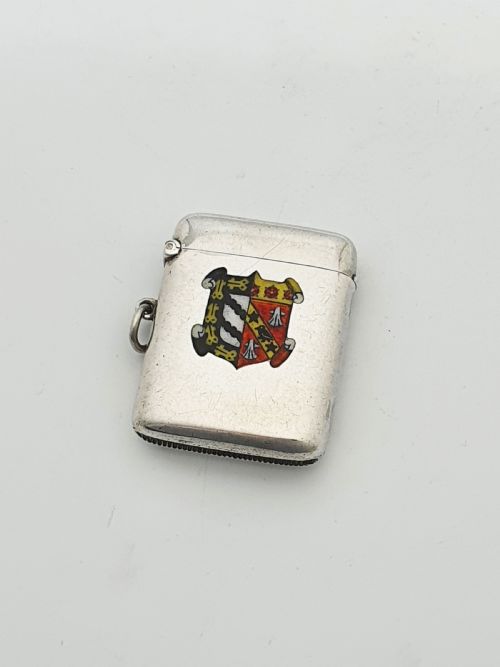
Novelty shapes provide a lighter side to the selection, taking the form of elephants, cats, gnomes, sentry boxes, and heart-shaped vessels. More restrained examples rely on clean sterling silver surfaces, enamel crests, or sunburst engravings.
Materials and construction
Silver containers employ sterling silver, often shaped through stamping, casting, or sheet construction, complemented by crisp hallmarks denoting the assay office and date letter. Enamel decoration appears on selected silver pieces, adding hand-painted details or colourful crests fused to the metal surface.
Wood pieces utilise carved limewood, oak, and yew wood, displaying traditional joinery, turned profiles, or hand-carved sculptural details. Brass variants use cast and sheet construction, occasionally incorporating commemorative themes tied to naval history or centenaries.
Listings feature sterling silver, vitreous enamel, limewood, oak, brass, and yew wood across Victorian, Edwardian, and Georgian periods.
Evaluating craftsmanship and design
Quality rests in the crispness of the chasing, engraving, or carving, where superior examples exhibit sharp anatomical details in novelty animal forms and clear, unrubbed hallmarks. The execution of applied enamel and the tightness of the hinged lid closure further distinguish finer silver vesta cases from standard production.
In wooden and brass pieces, quality shows in the depth of the carving and the integrity of the original surface patination. Well-defined vernacular treen and complex novelty subjects command greater appreciation than plain, unmarked boxes.
EV Pledge and Son·Robert Chandler·Sampson Mordan
The Antique Match Container Glossary
- Vesta case
- A small pocket container designed to hold wax matches known as vestas, featuring an integrated striking surface. These cases gained immense popularity during the Victorian era for smokers.
- Spill vase
- A small upright container used to hold taper spills. People lit these thin slips of paper or wood from the fire to carry flame to candles or pipes.
- Hallmark
- An official stamp applied by an assay office to indicate the purity of precious metal. These marks verify silver standard and often reveal the exact year of manufacture.
- Striker
- A roughened area on a match container designed to ignite friction matches. This surface frequently appears as cross-hatching or scored metal on the base of a vesta.
Antique Match Container: Frequently Asked Questions
How do I date a silver match container?
Look for the assay office mark, standard mark, and date letter stamped into the silver body or inside the lid. Comparing these punches against standard hallmarking tables reveals the exact year of production.
Stylistic cues such as Edwardian sunburst engraving or Victorian novelty animal shapes also help narrow down the decade of manufacture.
Were all match containers meant for pockets?
Pocket vestas were made to be carried on a watch chain or in a waistcoat pocket, but many match holders remained static. Wall pockets, desk boxes, and spill vases stayed in the home to supply hearths and smoking rooms.
Novelty carved wood figures and heavy brass containers served as decorative desktop or mantel accessories rather than portable items.
What is the difference between treen and standard wood items?
Treen refers specifically to small, functional wooden objects shaped by turning on a lathe or through hand carving. These pieces emphasise the natural grain and warmth of woods like limewood, oak, and yew.
Unlike structural furniture, treen focuses on personal, domestic utility and tactile appeal.