
Antique Master Oil Paintings
These antique master oil paintings capture centuries of European portraiture, myth and still life on canvas and wood.
Antique Master Oil Paintings
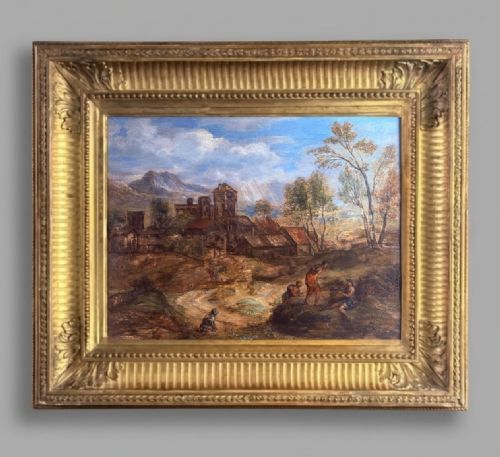
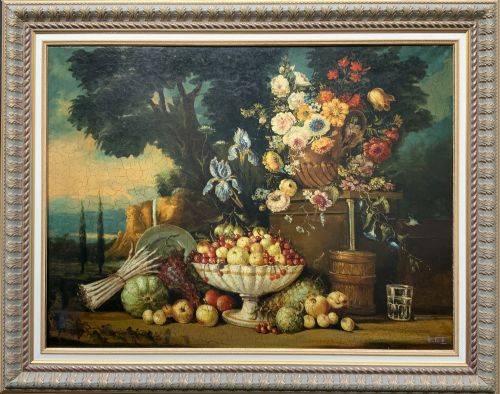
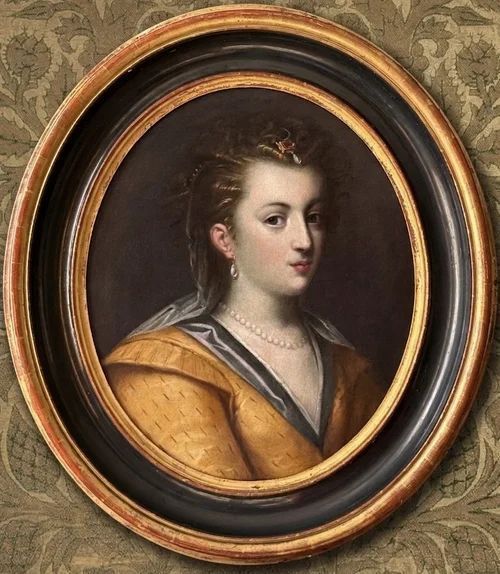
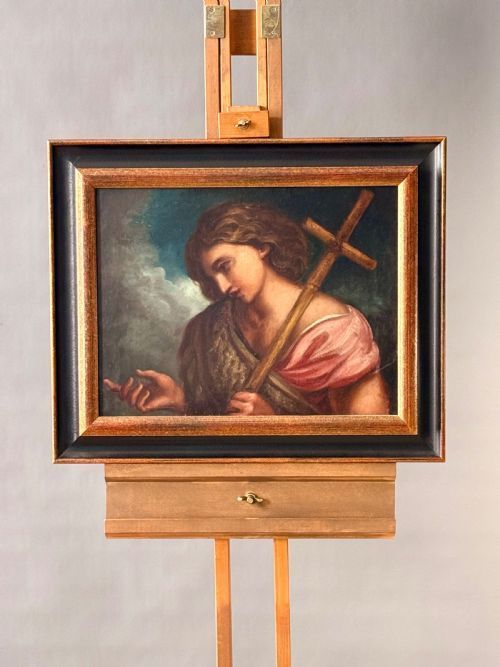
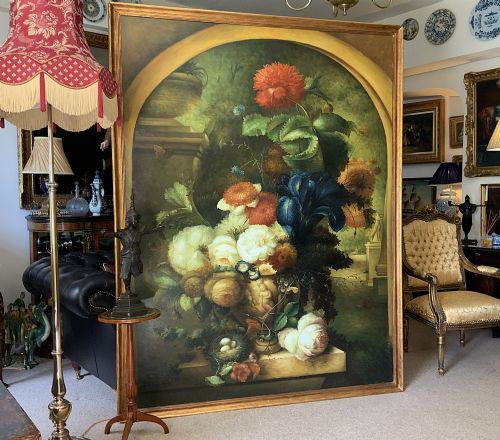
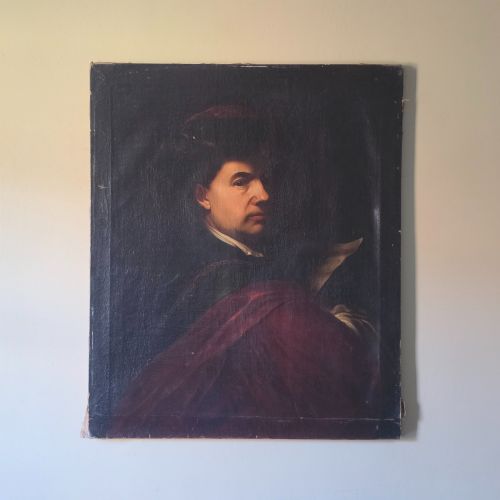
Collectors seeking antique master oil paintings encounter works spanning from the sixteenth century through to the early twentieth century, reflecting diverse European traditions. These pieces predominantly take the form of formal portraits, religious narratives, classical mythology and intricate floral still lifes.
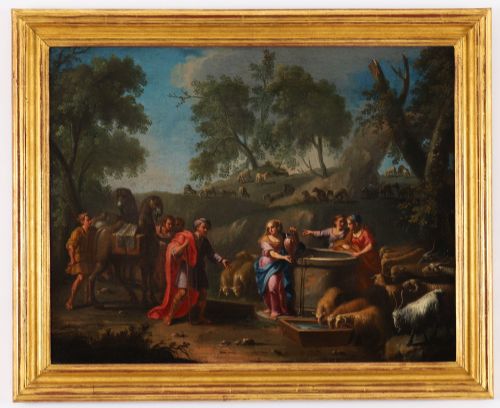
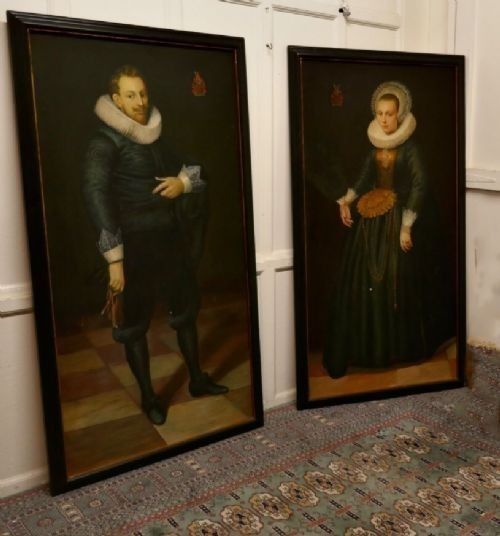
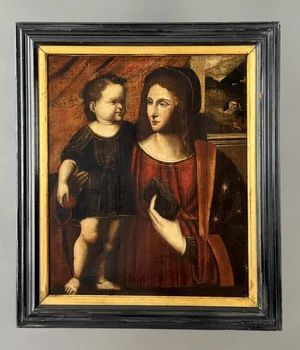
The selections on this page frequently originate from established schools such as the Dutch Golden Age, Italian Renaissance and various Baroque movements. Buyers are most likely to meet seventeenth and eighteenth-century canvases depicting nobility, scholars and biblical scenes alongside decorative studies of nature.
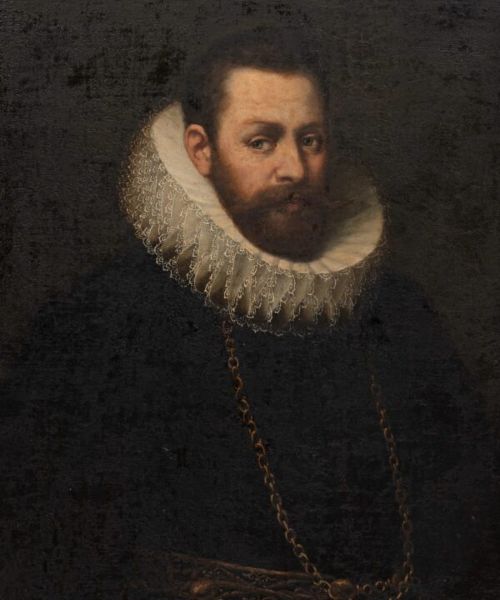
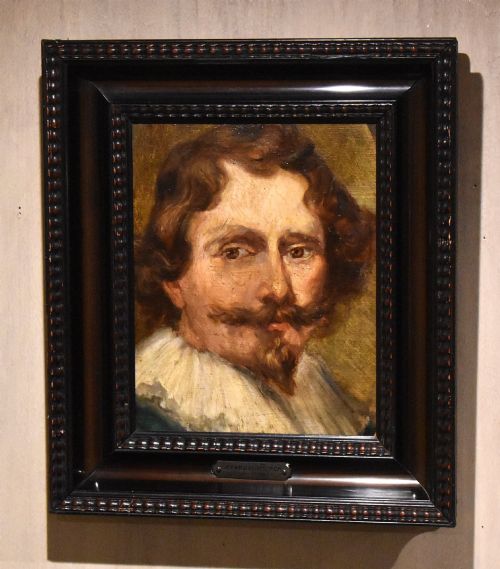
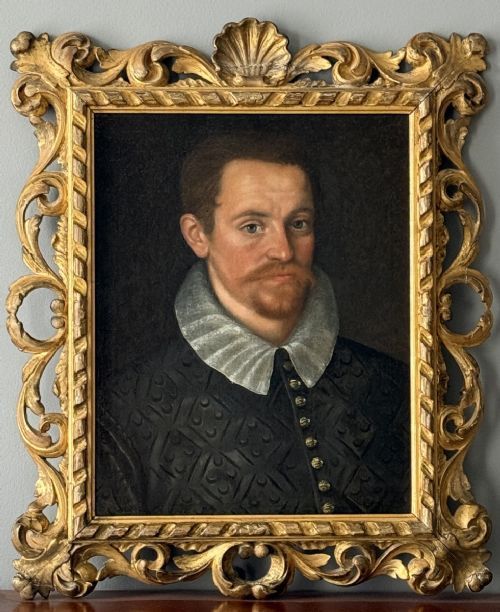
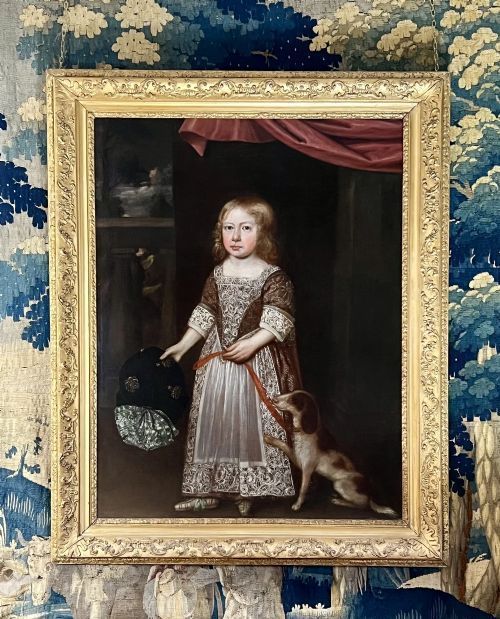
Works range from intimate cabinet panels attributed to regional circles to monumental compositions created by prominent European workshops. Each canvas preserves the distinct aesthetic priorities of its period, whether recording the precise lace ruff of a seventeenth-century sitter or the dramatic shadow of Italian religious art.
Materials and technique
Makers applied oil paint and rich pigments onto prepared supports of woven canvas, rigid wood panels or board. Layers of oil medium allowed artists to build up translucent glazes, deep shadows and luminous highlights that endure across centuries.
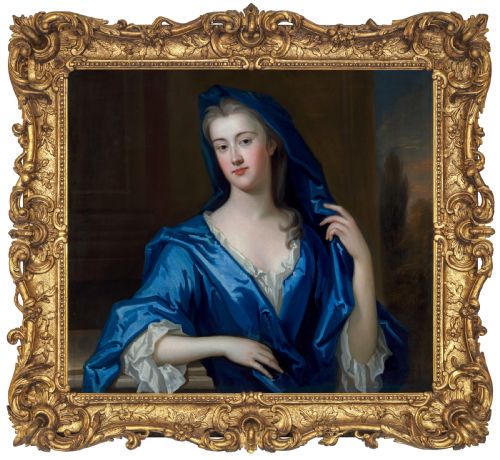
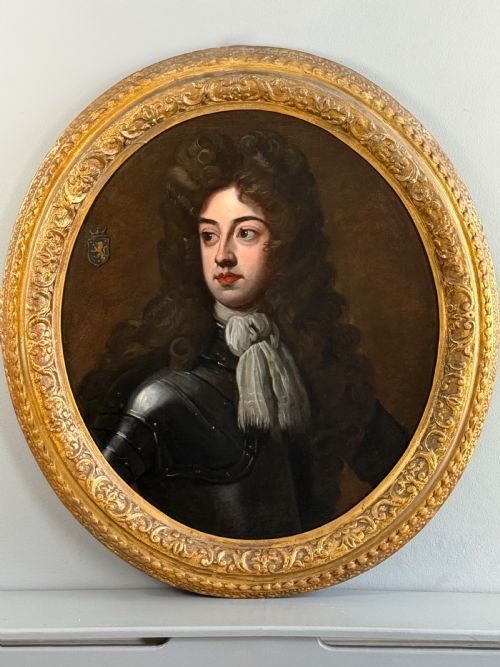
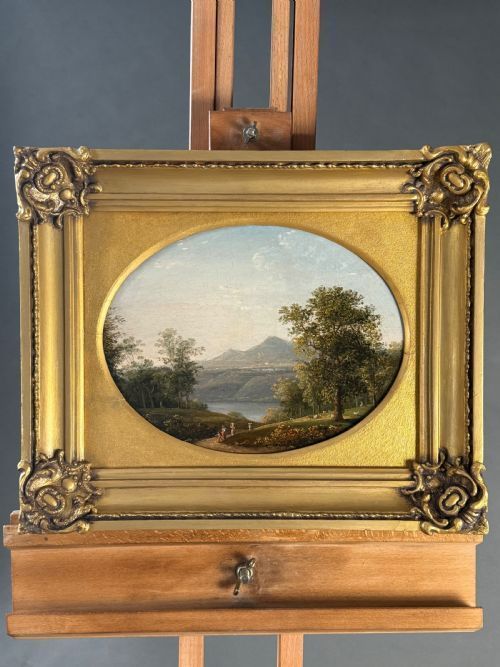
Many surviving works retain their period frames constructed from carved giltwood or gilt gesso, which were designed to complement the depth of the pigments. The physical support often dictates the texture of the surface, with wood panels offering a smooth ground for minute detail and canvas providing a textured weave for broader brushwork.
Materials documented across the collection include oil on canvas, oak panels, and ornate gilt gesso frames.
Distinctions in quality
Compositional balance and the preservation of the original paint layer further divide the exceptional from the ordinary. Works executed by the direct hand of a master or a closely connected circle command greater artistic authority than later copies or generic school pieces.
Charles Antoine Coypel·Sir Peter Lely·Joshua Reynolds·Angelo Maria Crivelli·Jeremiah Davison·Pieter Borsseler·Van Dyck·Charles D Agar·Pietro Fachetti·Bernardino Luini·Toussaint Gelton·Gaspar Peeter Verbruggen·David Teniers·Jan van Staveren·Adriana Verelst·Cornelius Johnson·Anthony Van Dyck
The Antique Master Oil Paintings Glossary
- Oil on Canvas
- A painting technique utilising pigments suspended in a drying oil applied to a stretched woven fabric support. This combination allows for expansive compositions and flexible handling of paint.
- Giltwood
- Wood carved and coated with a thin layer of gold leaf or gold paint, frequently utilised for ornate period frames. These frames protect the edges of the canvas and enhance the visual presence of the artwork.
- Pentimento
- An alteration in a painting evidenced by visible traces of earlier brushstrokes beneath the surface layers. This occurrence reveals the artist changing their composition during the creative process.
- Circle of
- A designation indicating that a work was produced by an unidentified artist closely associated with a master, sharing their technique and workshop style. Such pieces reflect the direct influence of a major artistic figure without bearing their signature.
- Still Life
- An artwork depicting inanimate subject matter, typically commonplace objects such as flowers, fruit or glassware. In master painting traditions, these arrangements often carried symbolic meanings regarding mortality and abundance.
Antique Master Oil Paintings: Frequently Asked Questions
What defines an old master painting?
An old master painting originates from a highly skilled European artist working before the nineteenth century, encompassing distinct regional schools and historical periods. These works include formal portraits, mythological narratives and religious subjects executed in oil.
Such pieces represent the academic and technical standards of their respective eras, utilising traditional preparation of canvas and panel supports. They offer direct insight into the visual culture and portraiture conventions of past centuries.
How should I care for antique oil paintings?
Antique oil paintings require stable indoor environments away from direct sunlight, excessive moisture and rapid temperature fluctuations. Maintaining consistent conditions prevents the canvas, wood panel and paint layers from expanding and contracting.
Dusting should be undertaken gently with a soft, dry brush by someone with a steady hand. Professional conservation should be sought for any structural repairs, surface cleaning or varnish removal.
How can I identify the period of a painting?
Dating an antique painting involves examining the style of clothing, hair and accessories worn by any sitters, alongside the construction of the canvas stretcher or wood panel. Pigment analysis and the examination of craquelure patterns also provide reliable indicators of age.
Comparison with documented works by specific regional schools helps narrow down the decade of creation. Expert stylistic analysis remains the primary method for distinguishing seventeenth-century techniques from later revivals.
What is the difference between an artist and their circle?
An artwork attributed directly to a named master was executed by the primary artist's own hand during their active career. Works created by the circle of an artist come from contemporary painters working closely within that same studio environment.
Pieces from a circle share the distinct methods, palette and aesthetic approach of the master. These works offer high artistic quality while reflecting the collaborative nature of historic European workshops.