
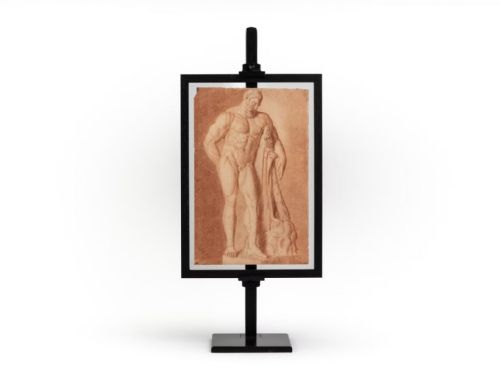


Antique Master Drawing
An antique master drawing brings the direct hand of a past artist into a modern room through ink, chalk, or charcoal on paper.
Antique Master Drawing
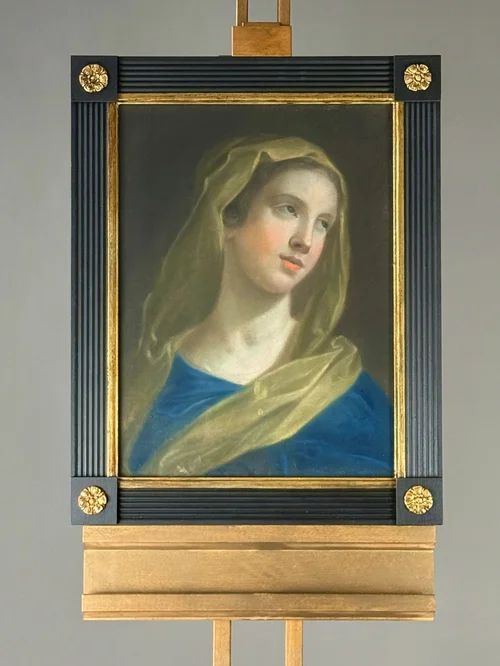
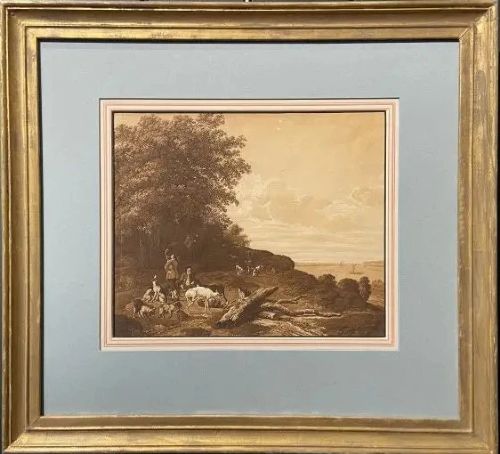
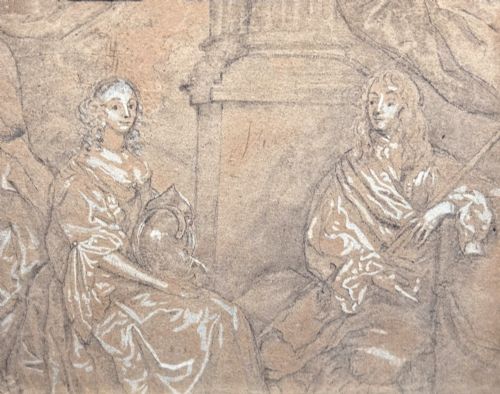
When you search for an antique master drawing, you are looking at works executed on paper from the seventeenth century through to the early twentieth century. These pieces encompass preparatory studies, portraits, figural compositions, and architectural watercolours originating from schools across Europe.
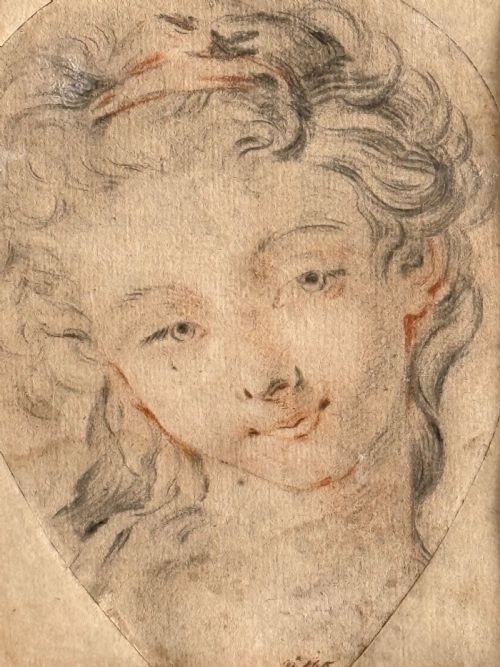
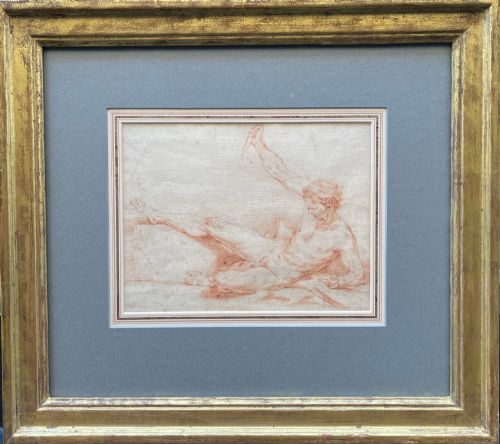
The selections encountered here most frequently showcase eighteenth-century French and Italian works alongside seventeenth-century Dutch pieces. Common subjects range from classical figural studies and mythological scenes to intimate portraits of youths and elders.
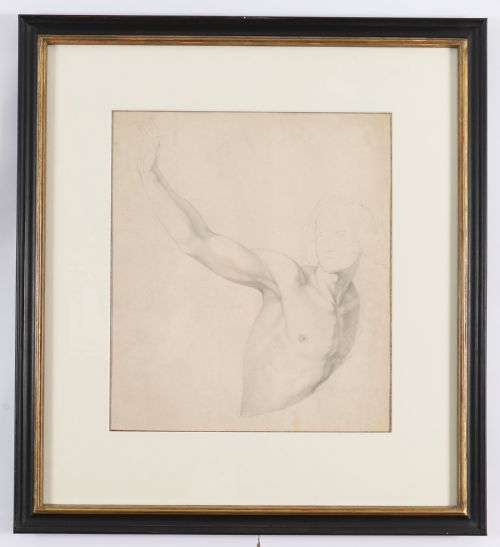
Many of these works arrive framed, utilising carved wooden surrounds and glass to protect the delicate media within. Others present recto and verso views, showing the working thoughts of the artist on both sides of the sheet.
What varies in quality
The distinction between ordinary and exceptional works rests upon the confidence of the line and the expressive power of the study. A rapid preparatory sketch by a skilled hand often carries greater vitality than a heavily finished academic exercise.
Condition of the paper support and the preservation of the original medium dictate the visual impact of the piece. Strong contrast in chalk or ink without excessive fading separates the more compelling examples from the rest.
One determined artist even utilised both sides of a single sheet for Hercules Farnese, giving future admirers a two-sided puzzle to ponder.
Benedetto Luti·Francois Boucher·Hyacinthe Colin de Vermont·Johannes Lingelbach·Peter Lely·Alfred Dehodencq·Pierre-Paul Prud'hon·Demetrios Galanis·Van Dyck·Pio Panfili·John Hoppner·Johan Noah Bemmel
The Antique Master Drawing Glossary
- Recto and verso
- The front and the back of a single sheet of paper. Drawings occasionally occupy both sides when paper was scarce or used for trial studies.
- Sanguine
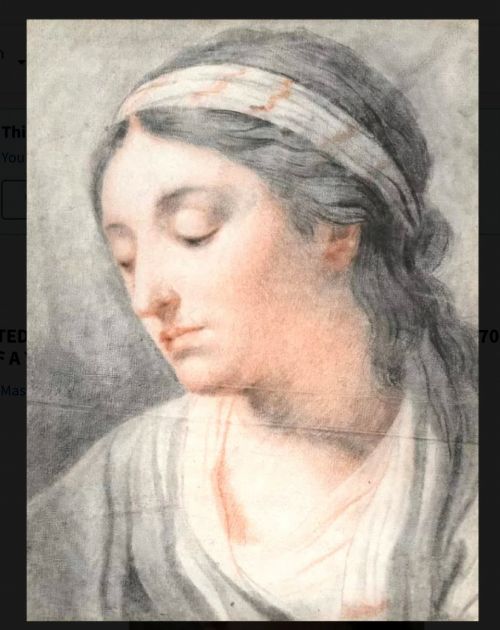
- A type of red chalk made from iron oxide. Artists utilised this warm earth-toned medium extensively for portraiture and figural studies during the seventeenth and eighteenth centuries.
- Preparatory study
- A preliminary drawing executed to plan a larger painting, mural, or print. These sheets reveal the compositional process and alterations made by the artist.
- Avant-garde
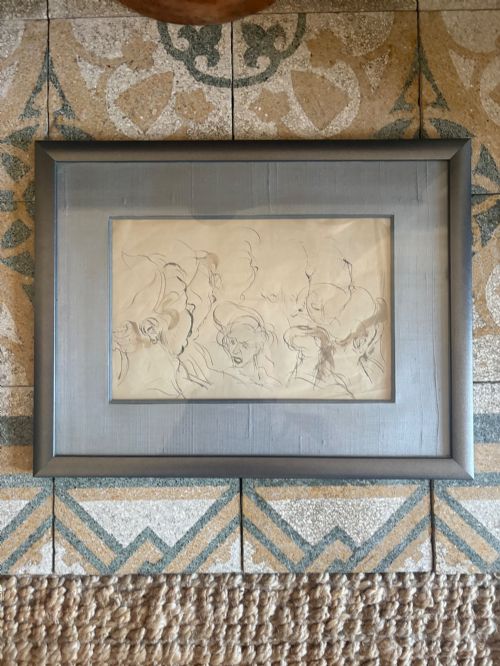
- A style pushing the boundaries of traditional art forms, seen in twentieth-century examples on this page. It departs from strict academic representation towards experimental perspective.
- Watercolour
- A paint consisting of pigment suspended in a water-soluble vehicle. Applied to paper, it creates translucent washes that define architectural and landscape subjects.
Antique Master Drawing: Frequently Asked Questions
What is an antique master drawing?
An antique master drawing is a unique work on paper created by a trained artist centuries ago. These pieces serve as direct evidence of the creative process before the execution of a final painting or print.
They offer collectors a personal connection to historical art movements, capturing spontaneous lines and shading that finished canvases often conceal.
How were these drawings used?
Artists created these works as preliminary studies to test compositions, lighting, and anatomy before starting a major canvas. Some sheets served as finished presentation pieces or independent portraits for patrons.
In many cases, the surviving sheets were kept in studio archives or bound portfolios by later collectors to study the draughtsmanship of past centuries.
How do I live with works on paper?
Drawings require careful placement away from direct sunlight to prevent the fading of ink, chalk, and charcoal. Glazing with protective glass helps shield the delicate paper surface from dust and atmospheric moisture in the room.
Selecting a stable wall in a room with controlled temperature ensures the paper and its wooden frame remain in stable condition for decades.
How do I tell different periods apart?
Stylistic clues such as Baroque theatricality or French Neoclassical restraint help date the execution of a drawing. The handling of the red chalk or pen work often reflects the dominant aesthetic of its specific century.
Paper characteristics, watermarks, and traditional framing styles also provide tangible clues to determine whether a piece originates from the seventeenth, eighteenth, or nineteenth century.